Korean Ground Beef Bowl Recipe – Easy 30-Minute Dinner
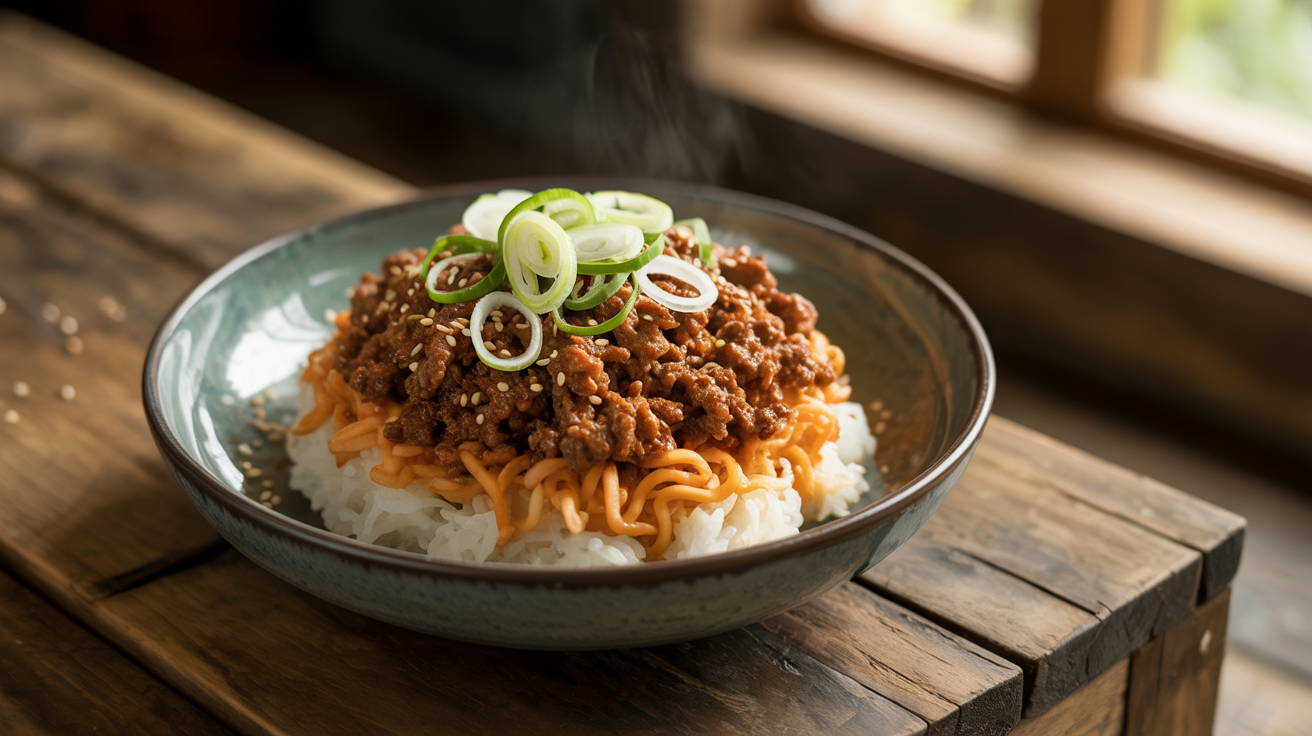
This Korean ground beef bowl brings authentic Korean flavors to your dinner table in just 30 minutes. The combination of savory seasoned ground beef, aromatic garlic, fresh ginger, and a perfect balance of soy sauce and brown sugar creates an irresistible meal that rivals your favorite Korean restaurant.
What makes this recipe special is its simplicity without sacrificing flavor. You likely have most ingredients in your pantry already, making it perfect for those spontaneous dinner cravings. The sweet and salty glaze coats tender ground beef beautifully, while fresh scallions and sesame seeds add the perfect finishing touches.
Whether you are new to Korean cooking or a seasoned enthusiast, this recipe delivers consistent results every time. Serve it over steamed rice with some crisp vegetables, and you have a complete meal that satisfies both comfort food cravings and your desire for something exciting and flavorful.
This Korean ground beef bowl combines savory seasoned ground beef with sweet and umami flavors over fluffy rice. Ready in 30 minutes with simple ingredients, it delivers restaurant-quality Korean flavors at home. Perfect for busy weeknight dinners when you crave something delicious and satisfying.

Ingredients
| AMOUNT | INGREDIENT | NOTES |
|---|---|---|
| 1 pound | ground beef | 80/20 blend preferred |
| 3 cloves | garlic | minced |
| 1 tablespoon | fresh ginger | minced |
| 1/4 cup | soy sauce | low sodium |
| 2 tablespoons | brown sugar | packed |
| 1 tablespoon | sesame oil | |
| 1 teaspoon | rice vinegar | |
| 1/4 teaspoon | red pepper flakes | optional |
| 3 scallions | green onions | chopped |
| 1 tablespoon | sesame seeds | for garnish |
| 4 cups | cooked white rice | steamed |
Instructions

Nutrition (per serving)
About This Recipe
Korean ground beef bowls, while not a traditional Korean dish, draw inspiration from bulgogi and other Korean beef preparations that emphasize the balance of sweet and savory flavors. The technique of combining soy sauce, brown sugar, garlic, and ginger creates the foundation of many Korean marinades and sauces that have been used for centuries in Korean cuisine.
This Americanized version became popular as Korean flavors gained mainstream appeal in the United States. Home cooks adapted traditional Korean beef dishes to use more accessible ground beef instead of thinly sliced ribeye, creating an affordable and quick weeknight version that captures the essence of Korean barbecue flavors in a simple, family-friendly format.
Ready to Serve

A Closer Look

Pro Tips for Best Results
- Do not overcook the garlic and ginger as they can become bitter
- Let the sauce reduce properly for the best flavor concentration
- Use day-old rice for better texture if available
- Toast sesame seeds lightly for enhanced nutty flavor
- Adjust red pepper flakes to your heat preference
Essential Equipment
Large Skillet: Essential for browning ground beef evenly and allowing sauce to reduce properly.
Chef Knife: For precise mincing of garlic and ginger and chopping scallions.
Cutting Board: Safe surface for prep work and ingredient organization.
Rice Cooker or Saucepan: To prepare perfectly fluffy rice as the base for the bowl.
Variations
Spicy Korean Beef Bowl: Add 1-2 tablespoons gochujang to the sauce mixture for authentic Korean heat and fermented flavor.
Low Carb Version: Serve over cauliflower rice or zucchini noodles instead of white rice for a lighter option.
Veggie-Loaded Bowl: Add shredded carrots, bell peppers, and snap peas during the last few minutes of cooking.
Ground Turkey Version: Substitute ground turkey for a leaner protein option while maintaining the same cooking method.
Frequently Asked Questions
Can I make this Korean ground beef bowl ahead of time?
Yes, you can prepare the seasoned ground beef mixture up to 3 days in advance and store it in the refrigerator. Reheat gently and serve over freshly cooked rice.
Can I freeze this recipe?
Yes, freeze the cooked ground beef mixture in an airtight container for up to 3 months. Thaw overnight in the refrigerator and reheat before serving.
What can I substitute for sesame oil?
While sesame oil provides authentic flavor, you can substitute with vegetable oil, though the taste will be different. Use half the amount as sesame oil is more potent.
How can I make this dish less salty?
Use low-sodium soy sauce and reduce the amount to 3 tablespoons. You can also add a splash of water to dilute the sauce if needed.