Miso Glazed Salmon Recipe – Restaurant Quality in 25 Minutes
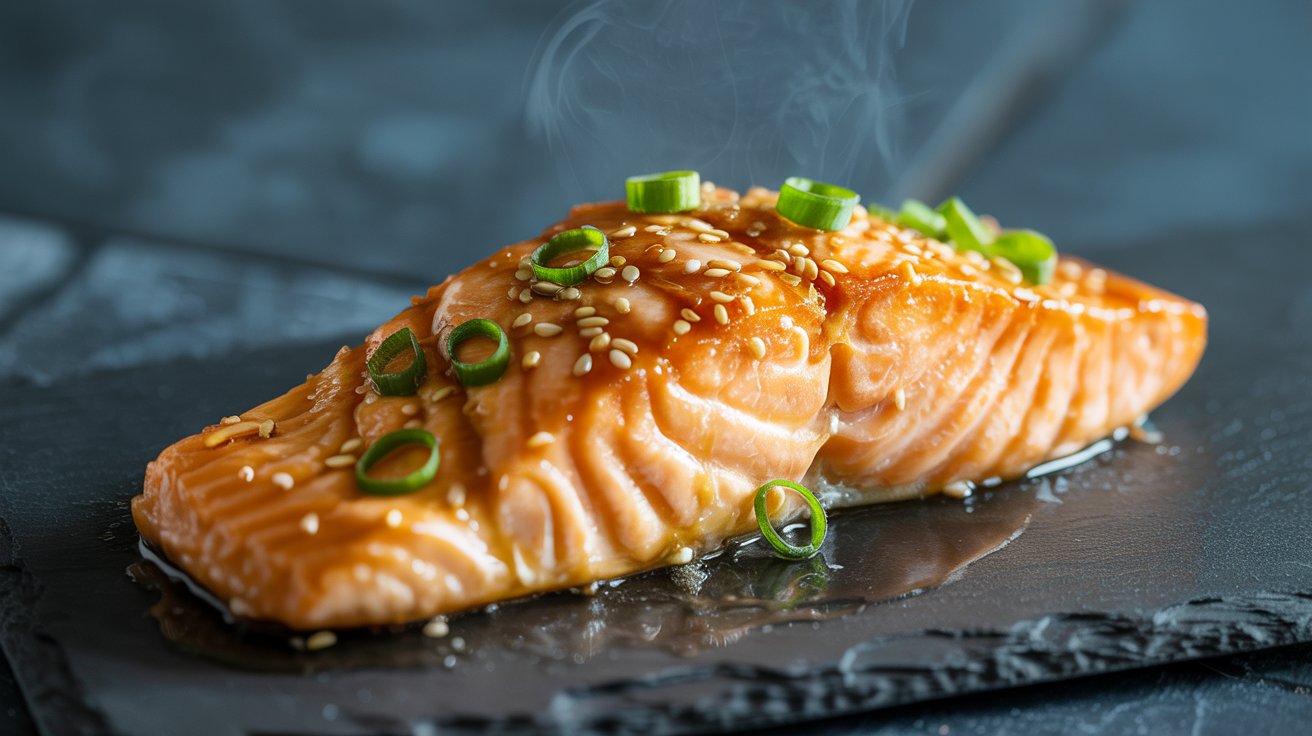
This miso glazed salmon recipe transforms simple ingredients into an elegant dish worthy of any fine dining establishment. The sweet and savory miso glaze creates a beautiful caramelized coating that locks in moisture while adding incredible umami depth to the flaky salmon.
The beauty of this recipe lies in its simplicity – with just six ingredients and 25 minutes, you can create a restaurant-quality meal at home. The miso paste, combined with mirin, sake, and brown sugar, creates a complex glaze that balances sweet, salty, and fermented flavors perfectly.
Whether you are hosting a dinner party or looking for an impressive weeknight meal, this miso glazed salmon delivers every time. The glaze can be prepared ahead of time, making this dish both elegant and convenient for busy schedules.
This miso glazed salmon recipe delivers restaurant-quality results with a sweet and savory glaze that caramelizes beautifully. Using just six ingredients, you can create this elegant dish in under 30 minutes for an impressive weeknight dinner.
Ingredients
| AMOUNT | INGREDIENT | NOTES |
|---|---|---|
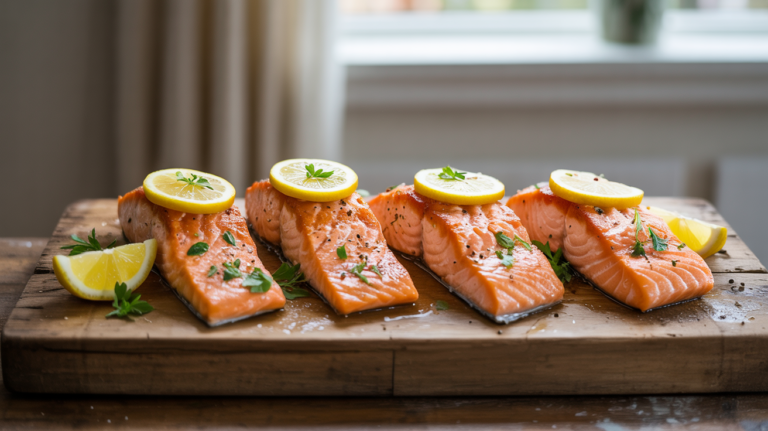
| 4 fillets | salmon | 6 oz each, skin removed |
| 3 tablespoons | white miso paste | |
| 2 tablespoons | mirin | sweet rice wine |
| 2 tablespoons | sake | or dry white wine |
| 2 tablespoons | brown sugar | packed |
| 1 tablespoon | vegetable oil | for brushing pan |
Instructions
Nutrition (per serving)
About This Recipe
Miso glazed salmon, known as Sake no Saikyo-yaki in Japan, originated from traditional Kyoto cuisine where Saikyo miso (sweet white miso) was used to preserve and flavor fish. This technique dates back centuries when the sweet white miso from Kyoto was considered a luxury ingredient, prized for its delicate flavor and preservative properties.
The dish gained international recognition through high-end Japanese restaurants, particularly after chef Nobu Matsuhisa popularized his version in the 1980s. His interpretation using black cod became legendary, but salmon works equally well with the traditional miso glaze technique. Today, this preparation represents the perfect fusion of traditional Japanese cooking methods with globally accessible ingredients.
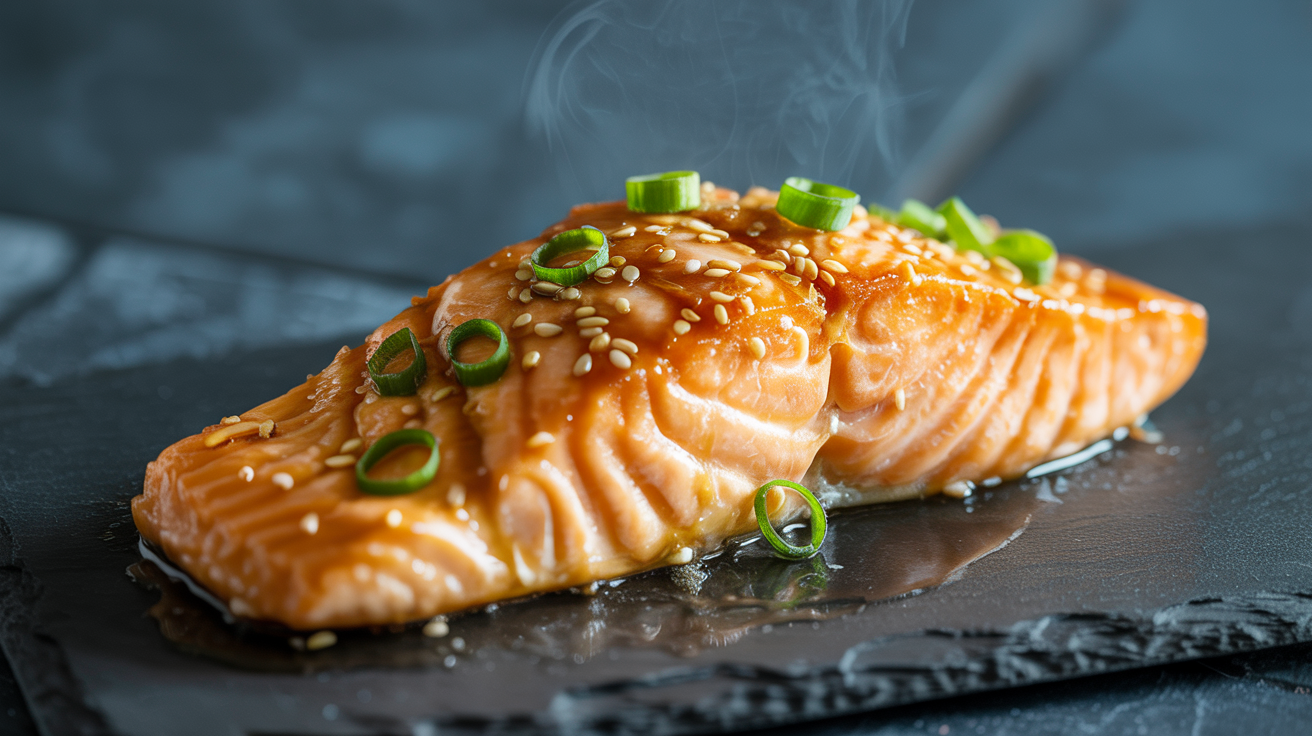
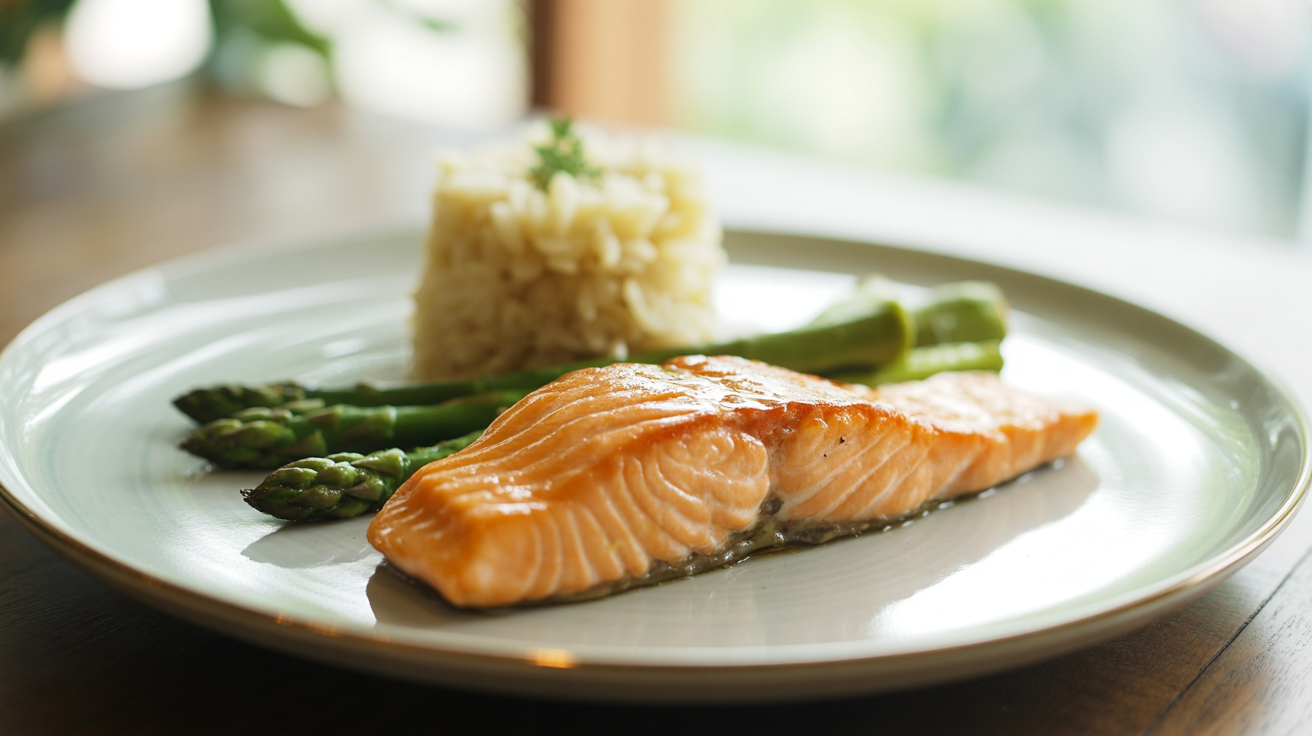
Plated and Ready to Serve
Pro Tips for Best Results
- Pat salmon completely dry before glazing to ensure the glaze adheres properly and caramelizes beautifully.
- Do not skip the broiling step as it creates the signature caramelized finish that makes this dish restaurant-quality.
- Reserve half the glaze for brushing after cooking to maintain the glossy appearance and fresh miso flavor.
- Use white miso paste rather than red miso for a milder, sweeter flavor that works better with salmon.
- Let the glaze cool slightly before brushing on raw salmon to prevent it from sliding off during cooking.
Essential Equipment
Baking Sheet: Essential for even cooking and easy cleanup when broiling the glazed salmon.
Small Saucepan: Perfect size for reducing the miso glaze to the right consistency.
Whisk: Ensures smooth incorporation of miso paste into the glaze mixture.
Pastry Brush: Allows for even application of glaze on salmon fillets.
Variations
Spicy Miso Salmon: Add 1 teaspoon of sriracha or chili garlic sauce to the glaze for heat.
Honey Miso Version: Replace brown sugar with honey for a more floral sweetness and glossier finish.
Citrus Miso Glaze: Add 1 tablespoon of fresh orange juice and orange zest for brightness.
Frequently Asked Questions
Can I make the miso glaze ahead of time?
Yes the miso glaze can be made up to 3 days ahead and stored in the refrigerator. Gently reheat before using.
What can I substitute for mirin and sake?
You can substitute both with dry white wine or use rice vinegar with a pinch of sugar for similar acidity and sweetness.
How do I know when the salmon is perfectly cooked?
The salmon is done when it flakes easily with a fork and reaches an internal temperature of 145°F. It should be opaque throughout.
Can I use this glaze on other fish?
Absolutely! This glaze works wonderfully on black cod, sea bass, or any firm white fish. Adjust cooking time based on thickness.