Szechuan Beef Noodles Recipe – Bold and Spicy
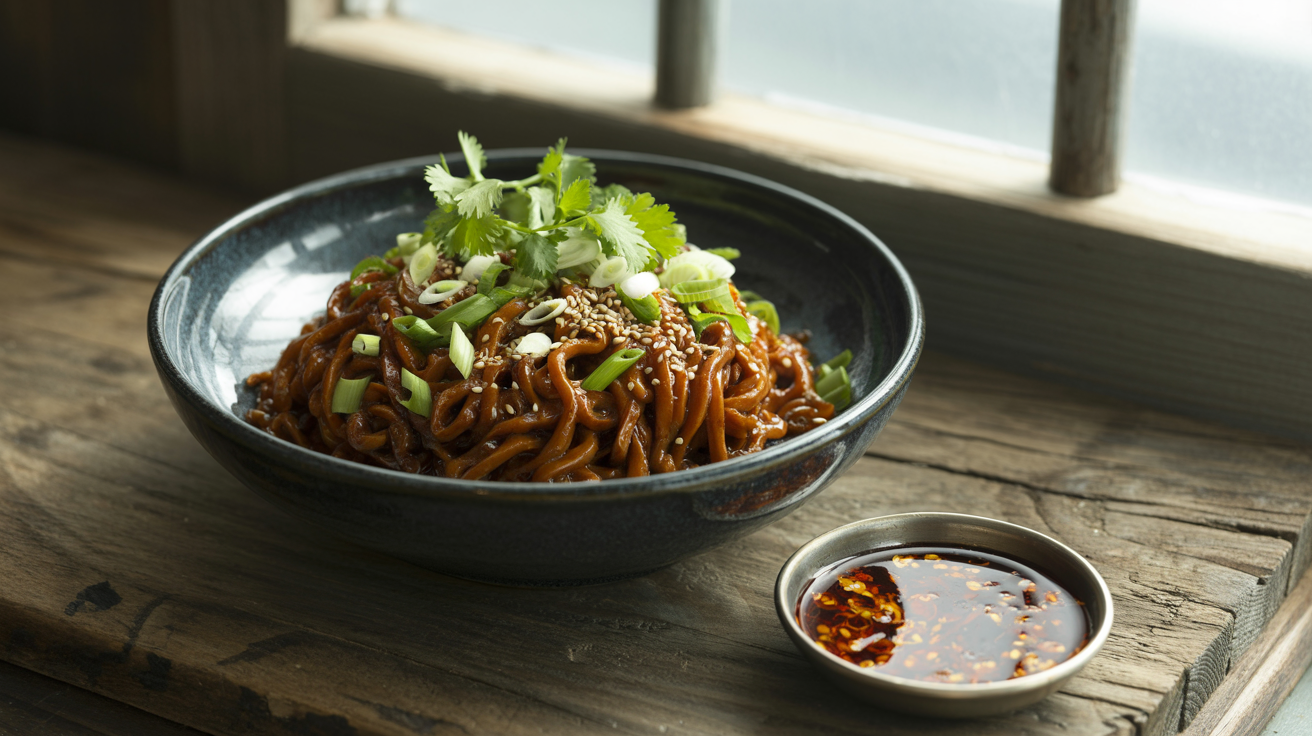
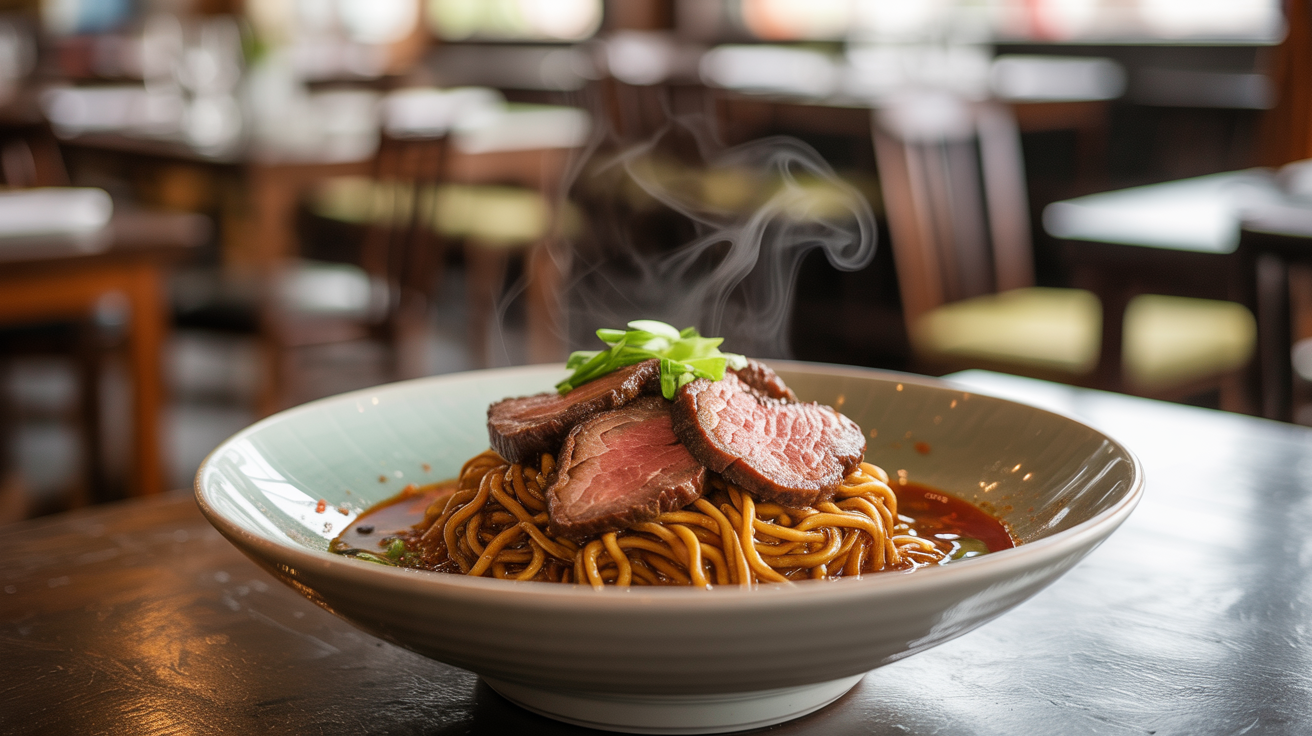
This szechuan beef noodles recipe is the kind of bold, fiery dish that will completely transform your weeknight dinner routine. The combination of tender sliced beef, chewy wheat noodles, and that signature tingling heat from Szechuan peppercorns creates a flavor experience unlike anything you have tasted from a takeout box. Every bite delivers layers of savory, spicy, and slightly numbing sensations that keep you coming back for more.
What makes this dish so special is the balance of flavors. The chili bean paste, also known as doubanjiang, forms the backbone of the sauce, bringing a deep fermented heat that is earthy and complex. Paired with sesame oil, soy sauce, and fresh aromatics like ginger and garlic, the sauce clings to every strand of noodle and every slice of beef in the most satisfying way. It is the kind of dish that makes your kitchen smell absolutely incredible while it cooks.
Whether you are a seasoned home cook or someone just beginning to explore Chinese cooking, this recipe is approachable and endlessly rewarding. With just 10 minutes of prep and 20 minutes of cooking time, you will have a steaming bowl of Szechuan beef noodles on the table faster than any delivery service can bring it to your door. Get ready to impress yourself and everyone at your table.
This szechuan beef noodles recipe delivers fiery, numbing heat balanced with savory depth and silky noodles. Packed with tender beef, aromatic garlic, and bold Szechuan peppercorns, it is a restaurant-quality meal you can master at home any night of the week.
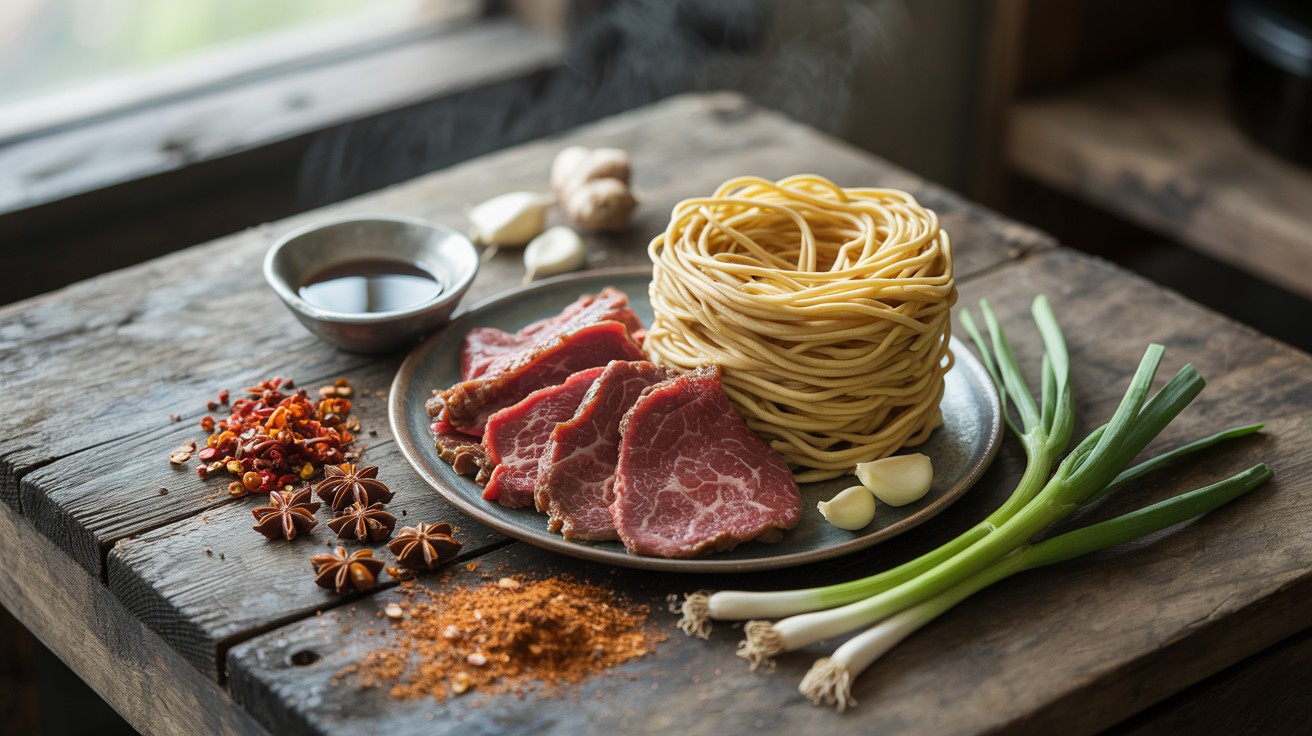
Ingredients
| AMOUNT | INGREDIENT | NOTES |
|---|---|---|
| 1 pound | flank steak | sliced thin against the grain |
| 8 ounces | fresh wheat noodles | or substitute dried lo mein noodles |
| 2 tablespoons | chili bean paste (doubanjiang) | found in the Asian foods aisle |
| 2 tablespoons | soy sauce | low sodium recommended |
| 1 tablespoon | dark soy sauce | for rich color and depth |
| 1 tablespoon | sesame oil | toasted, added at the end |
| 1 teaspoon | Szechuan peppercorns | toasted and coarsely ground |
| 1 teaspoon | red chili flakes | adjust to desired heat level |
| 2 tablespoons | vegetable oil | or any high-smoke-point neutral oil |
| 5 cloves | garlic | minced |
| 1 tablespoon | fresh ginger | peeled and finely grated |
| 3 stalks | green onions | whites and greens separated, sliced |
| 1 cup | beef broth | low sodium |
| 1 teaspoon | cornstarch | mixed with 1 tablespoon cold water to make a slurry |
| 1 teaspoon | sugar | balances the heat and salt |
| 1 tablespoon | Chinese rice wine or dry sherry | for the beef marinade |
| 1 tablespoon | soy sauce | for the beef marinade |
| 1 teaspoon | cornstarch | for the beef marinade to tenderize |
| 2 cups | baby bok choy | halved lengthwise, optional but recommended |
| 1 tablespoon | toasted sesame seeds | for garnish |
| 1 handful | fresh cilantro | for garnish, optional |
Instructions
Nutrition (per serving)
About This Recipe
Szechuan cuisine originates from the Sichuan province in southwestern China, a region known for its humid climate and incredibly bold culinary traditions. The use of Szechuan peppercorns, which produce a distinctive mouth-numbing sensation called mala, has defined the flavor profile of this region for centuries. Historical records trace the cultivation and culinary use of these peppercorns back over two thousand years, long before chili peppers were even introduced to China from the Americas in the 16th century. The layering of heat, spice, and fermented flavors became a hallmark of Sichuan cooking and spread throughout China and eventually the world.
Noodle dishes specifically have deep roots in Chinese culinary culture, with hand-pulled and wheat noodles serving as everyday staples across many provinces. In Sichuan, noodles became a canvas for the region’s signature bold sauces, giving rise to beloved dishes like Dan Dan noodles and spicy beef noodle soup. The combination of braised or stir-fried beef with spicy Szechuan-style sauces over noodles evolved as a hearty, satisfying meal that could feed laborers and families alike. Today, Szechuan beef noodles have gained global popularity as food lovers around the world seek out that unmistakable mala heat.
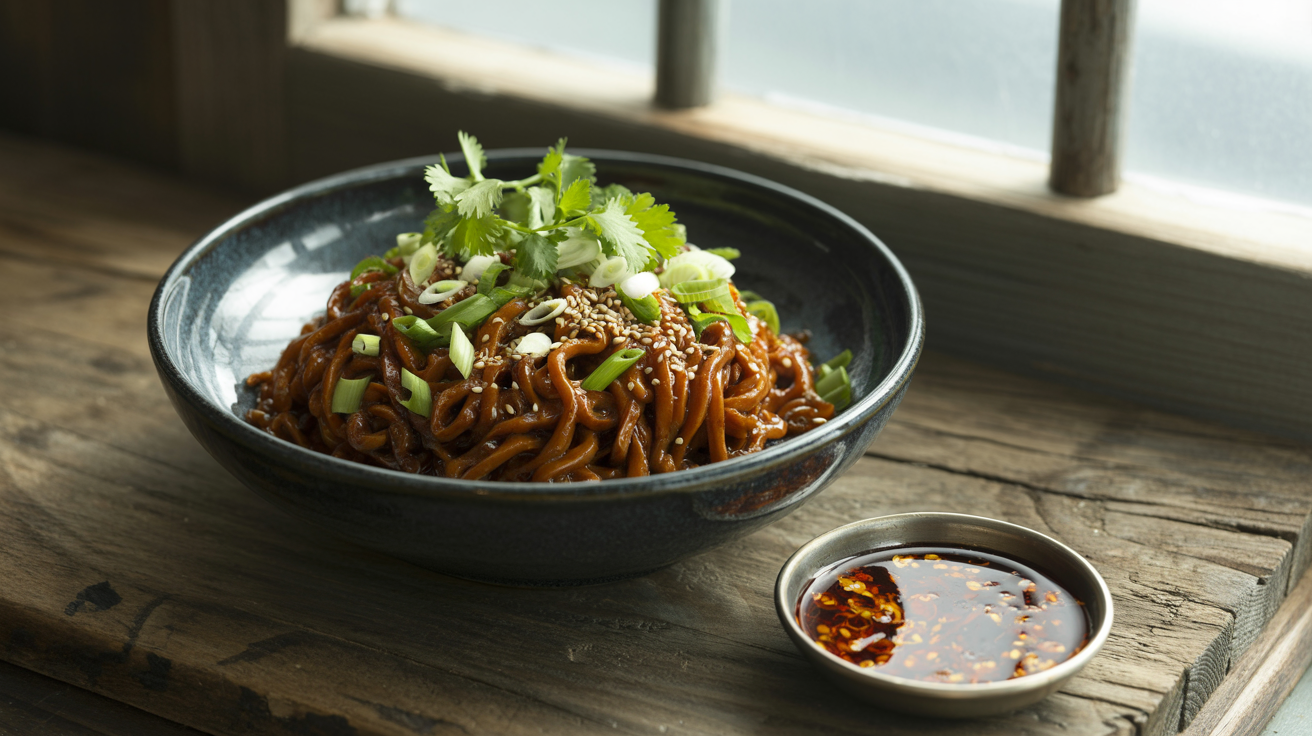
Ready to Serve
A Closer Look
Pro Tips for Best Results
- Freeze the flank steak for 20 to 30 minutes before slicing. This firms up the meat just enough to make it much easier to cut paper-thin slices against the grain, which is the key to tender beef in the final dish.
- Do not skip toasting the Szechuan peppercorns. Toasting activates the aromatic oils and significantly intensifies that signature citrusy, numbing flavor that defines this dish. Pre-ground Szechuan pepper from a jar simply does not deliver the same impact.
- Cook your noodles slightly under the package recommendation by about 1 minute. Since they will continue cooking briefly when tossed in the hot sauce, starting them slightly underdone ensures they do not become mushy or fall apart in the final dish.
- The key to a great wok-cooked beef is very high heat and not overcrowding the pan. If you add too much beef at once, the temperature drops and the meat steams instead of sears. Cook in two batches if needed to guarantee that beautiful caramelized crust.
- Doubanjiang varies in saltiness and heat from brand to brand. Taste your sauce before adding the noodles and adjust with a pinch of sugar if it is too spicy, a splash of soy sauce if it needs more depth, or a small amount of water if it is too salty.
Essential Equipment
Large Wok or Deep Skillet: A wok provides the high-heat surface needed to properly sear the beef and develop wok hei, that signature smoky depth of flavor.
Large Stockpot: Needed to boil the noodles in plenty of water so they cook evenly and do not stick together.
Chef Knife: For slicing the beef thinly against the grain and finely chopping aromatics like garlic and ginger.
Cutting Board: A sturdy surface for safely prepping all your meat and vegetables before cooking begins.
Colander: Essential for draining the noodles quickly so they do not overcook after boiling.
Measuring Spoons: Accuracy in measuring chili paste, soy sauce, and sesame oil ensures the sauce is perfectly balanced every time.
Tongs: Useful for tossing the noodles in the sauce and serving portions cleanly into bowls.
Variations
Extra Spicy Mala Version: Double the Szechuan peppercorns and add 1 to 2 teaspoons of chili oil along with a tablespoon of sambal oelek to the sauce for an intensely numbing and fiery mala experience that is true to the spirit of Sichuan street food.
Vegetarian Szechuan Noodles: Replace the flank steak with 14 ounces of extra-firm tofu pressed and cubed, and substitute vegetable broth for the beef broth. The doubanjiang and Szechuan peppercorns will still deliver all the bold flavor you are looking for.
Szechuan Pork Noodles: Swap the flank steak for thinly sliced pork shoulder or ground pork. Ground pork in particular creates a wonderful crumbled meat sauce that coats every noodle strand beautifully and is very common in traditional Sichuan cooking.
Cold Szechuan Noodle Salad: After cooking, chill the noodles and sauce separately in the refrigerator for a couple of hours. Toss together cold and top with julienned cucumber, shredded carrots, and a drizzle of chili oil for a refreshing summer noodle salad.
Low Carb Zucchini Noodle Version: Replace the wheat noodles with spiralized zucchini noodles for a lower carbohydrate alternative. Add the zucchini noodles raw at the very end and toss for only 60 seconds so they stay slightly firm and do not release too much water into the sauce.
Frequently Asked Questions
What is doubanjiang and where can I find it?
Doubanjiang is a fermented chili bean paste that is the cornerstone of Sichuan cooking. It is salty, spicy, and deeply savory. You can find it at most Asian grocery stores, in the international foods aisle of well-stocked supermarkets, or easily online. The most popular brand is Pixian doubanjiang, which has a rich, complex flavor.
Can I make Szechuan beef noodles ahead of time?
You can prepare the sauce and cook the beef up to 2 days in advance and store them separately in airtight containers in the refrigerator. However, it is best to cook the noodles fresh when you are ready to serve because noodles tend to absorb the sauce and become mushy when stored together for too long.
How spicy is this recipe?
This recipe delivers a medium-high level of heat. The doubanjiang provides a slow building spice and the Szechuan peppercorns add a numbing tingle rather than pure fire. You can easily reduce the heat by using only 1 tablespoon of chili bean paste and omitting the chili flakes, or increase it by adding extra chili oil or sambal oelek.
Can I freeze Szechuan beef noodles?
It is best to freeze the beef and sauce mixture separately from the noodles. The sauce with beef freezes well in an airtight container for up to 2 months. Noodles do not freeze well after cooking as they become soft and fall apart upon reheating. Simply cook fresh noodles when you thaw and reheat the sauce.
What type of noodles work best for this recipe?
Fresh wheat noodles or lo mein noodles are the ideal choice because their chewy, slightly thick texture holds up well to the bold sauce. You can also use udon noodles for an extra chewy result, dried ramen noodles in a pinch, or even spaghetti if that is what you have available. The sauce is so flavorful it works wonderfully with almost any noodle.
Why do Szechuan peppercorns make your mouth feel numb?
Szechuan peppercorns contain a compound called hydroxy alpha sanshool, which triggers a unique sensory response in the nerve receptors of your mouth and lips. This creates the distinctive tingling and numbing sensation known in Chinese as mala. It is not related to capsaicin heat from chili peppers but is a completely separate and fascinating culinary experience.