Red Wine Braised Short Ribs Recipe (Fall-Off-Bone)
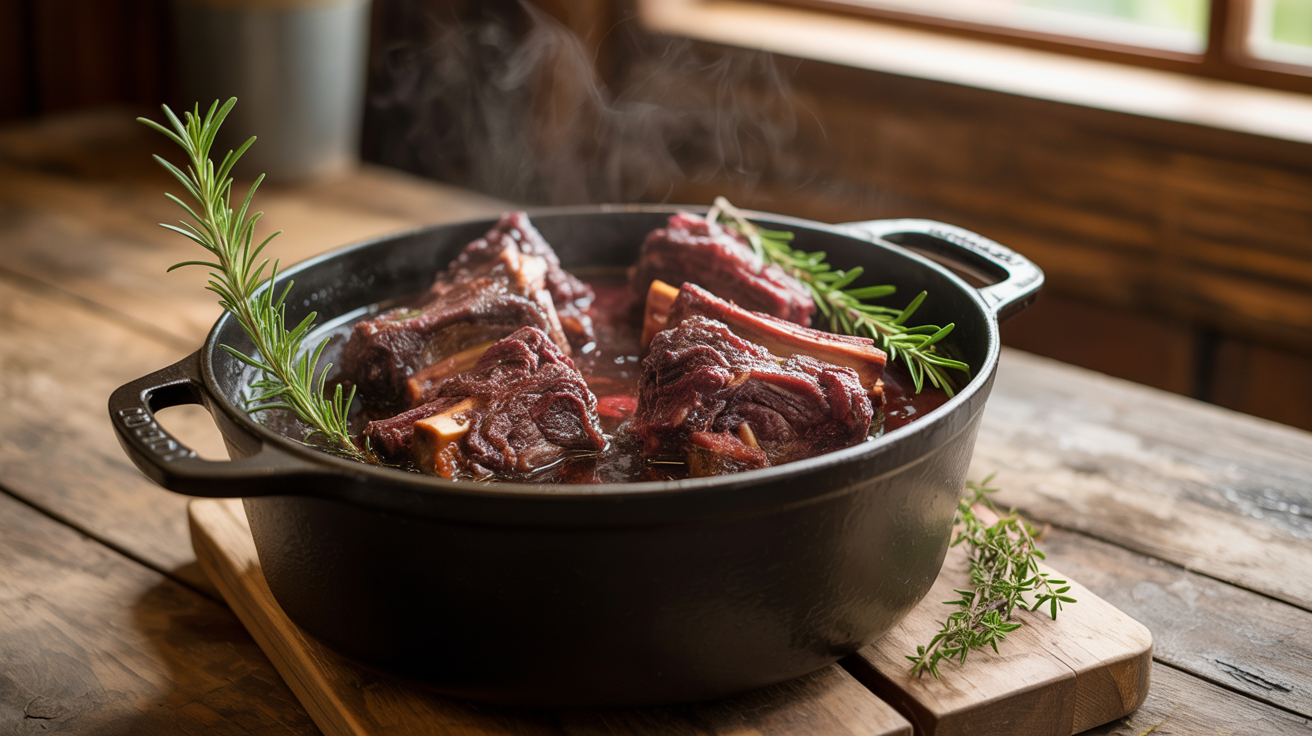
This braised short ribs recipe is the ultimate cold-weather comfort dish, transforming humble beef short ribs into a deeply flavorful, melt-in-your-mouth masterpiece through the magic of low-and-slow braising in a rich red wine sauce. The process is surprisingly straightforward, and the results are nothing short of restaurant-worthy right from your own kitchen. Whether you are cooking for a dinner party or treating yourself on a quiet Sunday, this dish never fails to impress.
What makes this recipe truly special is the layered depth of flavor built from searing the ribs to a golden crust, sauteing aromatic vegetables, and deglazing the pan with a full-bodied red wine before a long, slow braise in the oven. Every element plays a role in creating a sauce so glossy and rich it will have everyone at the table reaching for extra bread to soak it all up. The beef practically falls off the bone, absorbing all those complex wine and herb flavors along the way.
Do not be intimidated by the cook time – most of it is completely hands-off while your oven does all the hard work. You can even make this dish one or two days ahead, and it honestly tastes even better the next day as the flavors continue to develop overnight. Serve it over creamy mashed potatoes, buttery polenta, or wide egg noodles for a complete meal that feels like a warm hug on a plate.
This braised short ribs recipe delivers impossibly tender, fall-off-the-bone beef slow-cooked in a rich red wine sauce with aromatic vegetables and fresh herbs. Perfect for impressive dinner parties or cozy Sunday suppers, this is the ultimate comfort food to make today.
Ingredients
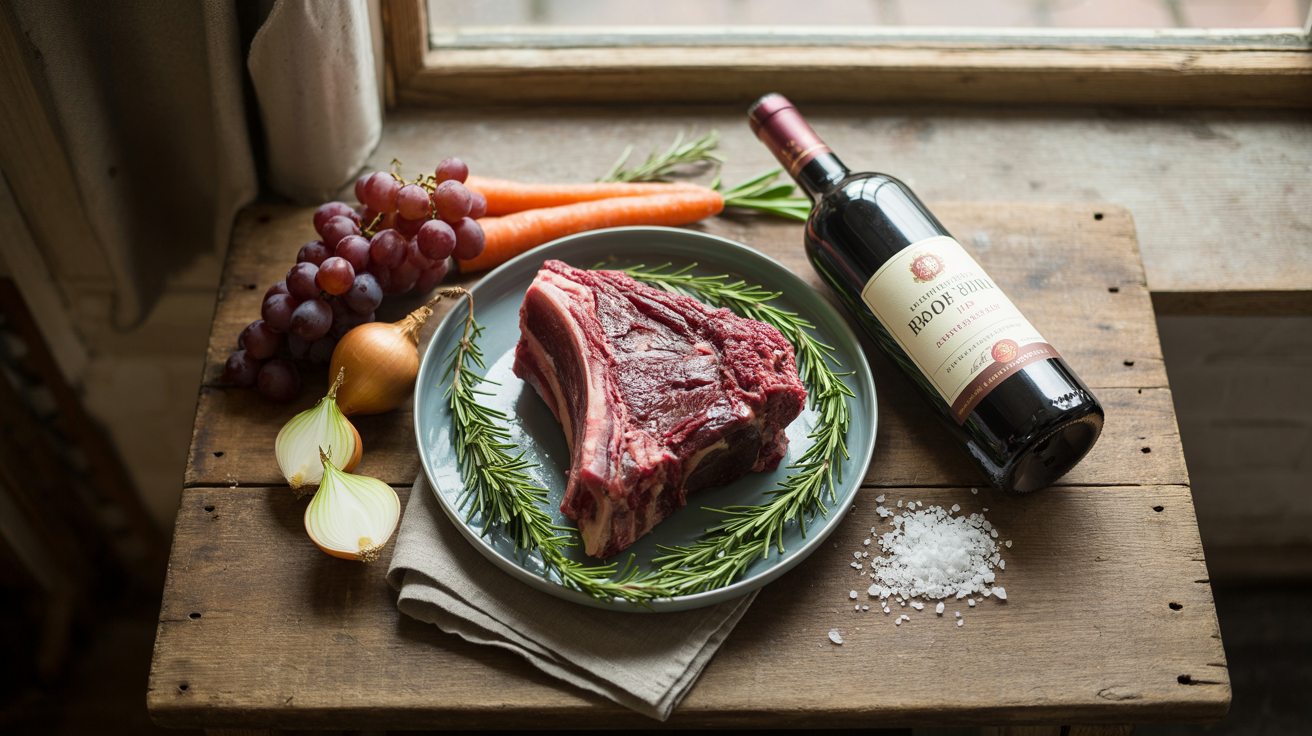
| AMOUNT | INGREDIENT | NOTES |
|---|---|---|
| 4 pounds | bone-in beef short ribs | English cut, about 6 to 8 pieces |
| 2 teaspoons | kosher salt | plus more for seasoning to taste |
| 1 teaspoon | black pepper | freshly ground |
| 2 tablespoons | olive oil | extra virgin, divided |
| 1 large | yellow onion | roughly chopped |
| 3 medium | carrots | peeled and roughly chopped |
| 3 stalks | celery | roughly chopped |
| 6 cloves | garlic | smashed and peeled |
| 2 tablespoons | tomato paste | concentrated |
| 1 bottle (750ml) | dry red wine | Cabernet Sauvignon or Merlot recommended |
| 2 cups | beef broth | low sodium, good quality |
| 2 sprigs | fresh rosemary | whole sprigs |
| 4 sprigs | fresh thyme | whole sprigs |
| 2 whole | bay leaves | dried |
| 1 tablespoon | Worcestershire sauce | adds umami depth |
| 2 tablespoons | all-purpose flour | for dusting the ribs before searing |
| 2 tablespoons | unsalted butter | cold, for finishing the sauce |
Instructions
Nutrition (per serving)
About This Recipe
Short ribs have a long and humble history rooted in frugality and resourcefulness. As a less desirable cut of beef, short ribs were historically reserved for slow, moist cooking methods that could transform their tough collagen-rich connective tissue into silky, tender gelatin. In European peasant cuisines, braising tough cuts of meat in wine or broth was a centuries-old technique used to coax maximum flavor and tenderness from ingredients that wealthier households might overlook. Over time, this practical cooking method elevated these inexpensive cuts into celebrated dishes found on the menus of the finest restaurants.
The tradition of braising beef in red wine is particularly rooted in French culinary heritage, where dishes like Boeuf Bourguignon set the template for wine-braised beef that has inspired cooks around the world. American cooks adopted and adapted these European techniques throughout the 20th century, and red wine braised short ribs became a staple of upscale American bistro cooking in the 1990s and 2000s. Today, this dish bridges the gap between fine dining and home cooking, celebrated as much for its accessibility as for its extraordinary, soul-satisfying results.
Ready to Serve
A Closer Look
Pro Tips for Best Results
- Always bring your short ribs to room temperature before searing – cold meat straight from the refrigerator will steam rather than sear, robbing you of that essential deep brown crust that carries so much flavor.
- Choose a wine you would actually enjoy drinking – it does not need to be expensive, but it should be a wine you find pleasant since its flavor becomes highly concentrated during the long braise. A Cabernet Sauvignon or Merlot works beautifully.
- This dish is even better made one to two days in advance. The flavors deepen and meld overnight in the refrigerator, and the solidified fat is easy to lift off the top when cold, making the sauce even cleaner and richer.
- If your braising liquid is not thickening into a proper sauce after straining, create a quick slurry by whisking one tablespoon of cornstarch with two tablespoons of cold water, then whisk it into the simmering liquid and cook for two more minutes.
- Do not skip the step of reducing the wine before adding the broth. This is what separates a truly complex, restaurant-quality braised short ribs recipe from a mediocre one – reducing concentrates flavor and eliminates the sharp, bitter raw wine taste.
Essential Equipment
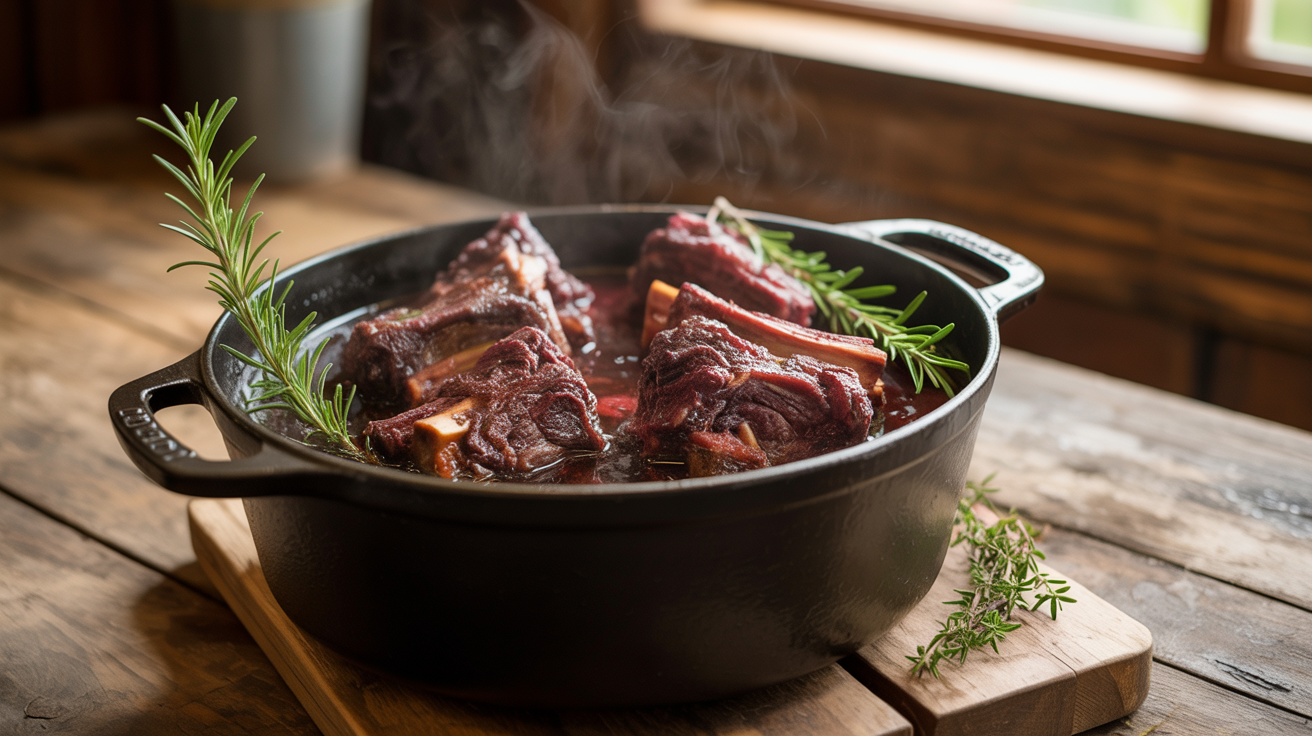
Large Dutch Oven: A heavy-bottomed Dutch oven retains heat evenly for perfect searing and provides the ideal braising environment in the oven.
Chef Knife: Essential for precisely chopping aromatics like onion, carrots, and celery into even pieces that cook uniformly.
Cutting Board: A large, sturdy cutting board gives you ample space to prep all your vegetables and trim the short ribs safely.
Tongs: Long-handled tongs allow you to sear the ribs safely and turn them without piercing the meat, keeping all the juices inside.
Fine Mesh Strainer: Used to strain the braising liquid into a smooth, silky sauce free of vegetable solids for a refined final presentation.
Measuring Cups and Spoons: Accurate measurements of wine, broth, and seasonings ensure consistent and balanced flavor every time.
Ladle: Perfect for skimming excess fat from the braising liquid and spooning the rich sauce over the ribs when plating.
Variations
Beer Braised Version: Replace the red wine with two cups of dark stout beer such as Guinness combined with one cup of additional beef broth. The stout adds a deep, slightly bitter, malty complexity that pairs beautifully with the rich beef.
Asian Inspired: Replace the wine with sake or Shaoxing cooking wine, swap the rosemary and thyme for star anise and fresh ginger, and add two tablespoons of soy sauce and one tablespoon of hoisin sauce to the braising liquid for a deeply savory umami-rich twist.
Slow Cooker Version: Complete the searing and vegetable steps on the stovetop as directed, then transfer everything to a slow cooker. Cook on low for 8 to 10 hours or on high for 5 to 6 hours. Strain and reduce the braising liquid on the stovetop before serving.
Boneless Short Ribs: Boneless short ribs work beautifully in this recipe and are easier to serve. Reduce the braise time by about 30 to 45 minutes and check for tenderness earlier since boneless cuts tend to cook slightly faster than bone-in.
Herb Garden Version: Add a full bouquet garni including fresh parsley stems, tarragon, and a strip of orange peel to the braising liquid along with the rosemary and thyme. The bright herbal and citrus notes add a lovely lift to the otherwise deeply rich and earthy sauce.
Frequently Asked Questions
Can I make braised short ribs ahead of time?
Yes, this is actually one of the best dishes to make ahead. Prepare the entire recipe up to 3 days in advance and store the ribs submerged in the sauce in an airtight container in the refrigerator. When cold, the fat will solidify on top and can be easily removed before reheating, making the sauce even cleaner. Reheat gently in a covered pot on the stovetop or in a 300 degree oven.
Can I freeze braised short ribs?
Yes, braised short ribs freeze exceptionally well. Place the cooled ribs and sauce in an airtight freezer-safe container or heavy-duty freezer bag and freeze for up to 3 months. Thaw overnight in the refrigerator and reheat gently on the stovetop, adding a splash of beef broth if the sauce has thickened too much.
What is the best wine to use for braised short ribs?
A full-bodied dry red wine works best for braising short ribs. Cabernet Sauvignon, Merlot, Syrah, or Zinfandel are all excellent choices. Avoid cooking wines from the grocery store as they contain added salt and preservatives that can make your sauce taste off. A mid-range bottle in the 10 to 15 dollar range is perfectly suitable.
Why are my short ribs tough after braising?
If your short ribs are still tough after the recommended cook time, they simply need more time in the oven. Tough, chewy short ribs are almost always a sign of undercooking rather than overcooking. The collagen in the meat needs extended exposure to low heat to fully convert to gelatin, which is what gives you that melt-in-your-mouth texture. Return them to the oven for an additional 30 to 45 minutes and check again.
What should I serve with braised short ribs?
Creamy mashed potatoes are the classic pairing, perfect for soaking up the rich braising sauce. Soft, creamy polenta is another fantastic option and feels slightly more elegant for dinner parties. Wide egg noodles, roasted root vegetables, creamy cauliflower puree, or crusty sourdough bread for sauce-soaking are all wonderful accompaniments as well.
Can I use beef broth instead of red wine?
While you can substitute additional beef broth for the red wine, the flavor profile will be noticeably different and less complex. The red wine adds tannins, acidity, and fruit notes that cannot be fully replicated with broth alone. If you prefer to avoid alcohol, try using one cup of grape juice mixed with one tablespoon of red wine vinegar as a closer substitute that maintains some of the fruity acidity.