Best Slow Cooker Pot Roast Recipe (Tender Every Time)
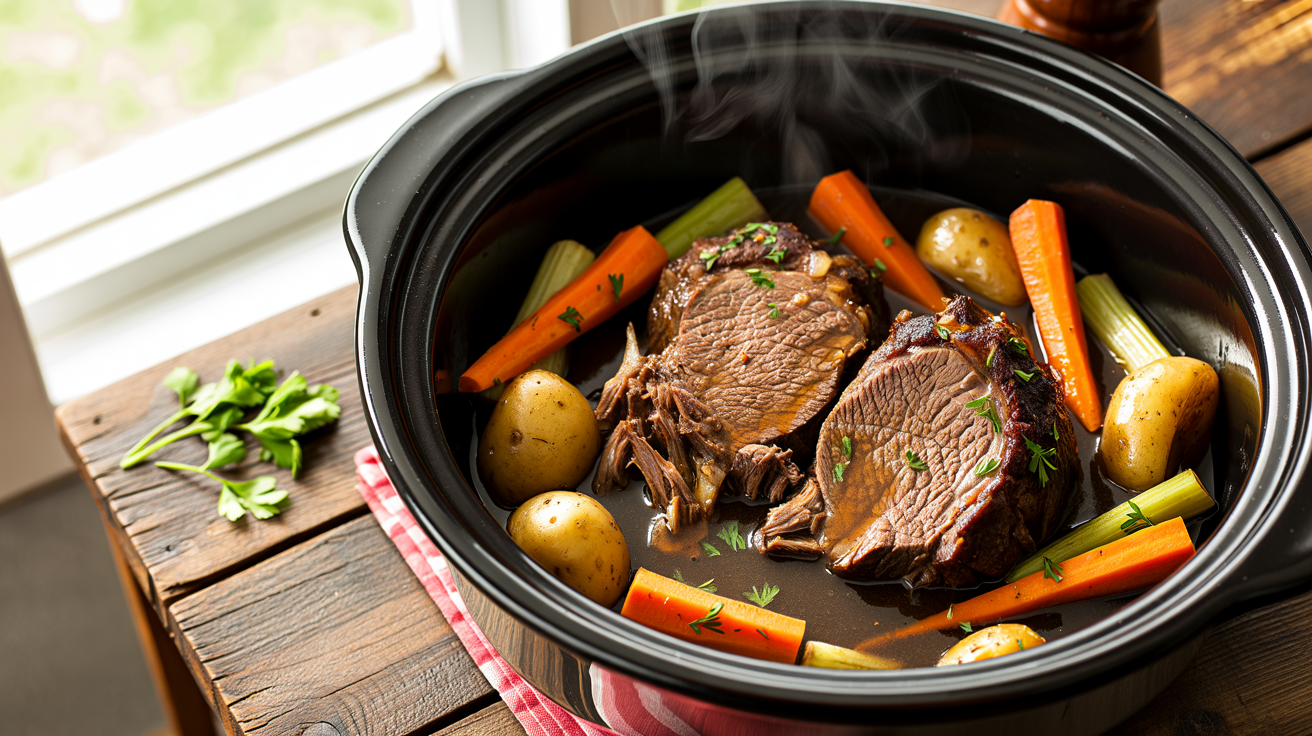
This slow cooker pot roast recipe is the definition of effortless comfort food, giving you a restaurant-quality dinner with just minutes of prep work and a few hours of patience. There is something almost magical about walking into a home filled with the aroma of slow-braised beef, caramelized vegetables, and rich herbs that have been simmering away all day. Whether you are cooking for a quiet weeknight dinner or a festive Sunday family gathering, this recipe delivers every single time.
What sets this recipe apart from others is the combination of a proper sear before the slow cook and a carefully balanced blend of aromatics and liquid that creates an outrageously flavorful braising broth. Most people skip the searing step to save time, but spending just five extra minutes browning the roast builds a deep, complex crust that infuses the entire dish with layers of flavor you simply cannot get any other way. Every bite rewards you with that slow-cooked depth that makes pot roast a timeless classic.
The beauty of a slow cooker pot roast is also its incredible versatility. You can prep everything the night before, set the slow cooker in the morning, and come home to a complete dinner that is ready to serve. It is one of those rare recipes that actually improves the longer it sits, making leftovers just as exciting as the first serving. If you have been searching for a reliable, crowd-pleasing dinner that practically cooks itself, you have found it.
This slow cooker pot roast recipe delivers fall-apart tender beef with hearty vegetables and a deeply savory gravy, all with minimal hands-on effort. Perfectly seasoned and cooked low and slow, it is the ultimate comfort food meal your family will beg for every single week.
Ingredients
| AMOUNT | INGREDIENT | NOTES |
|---|---|---|
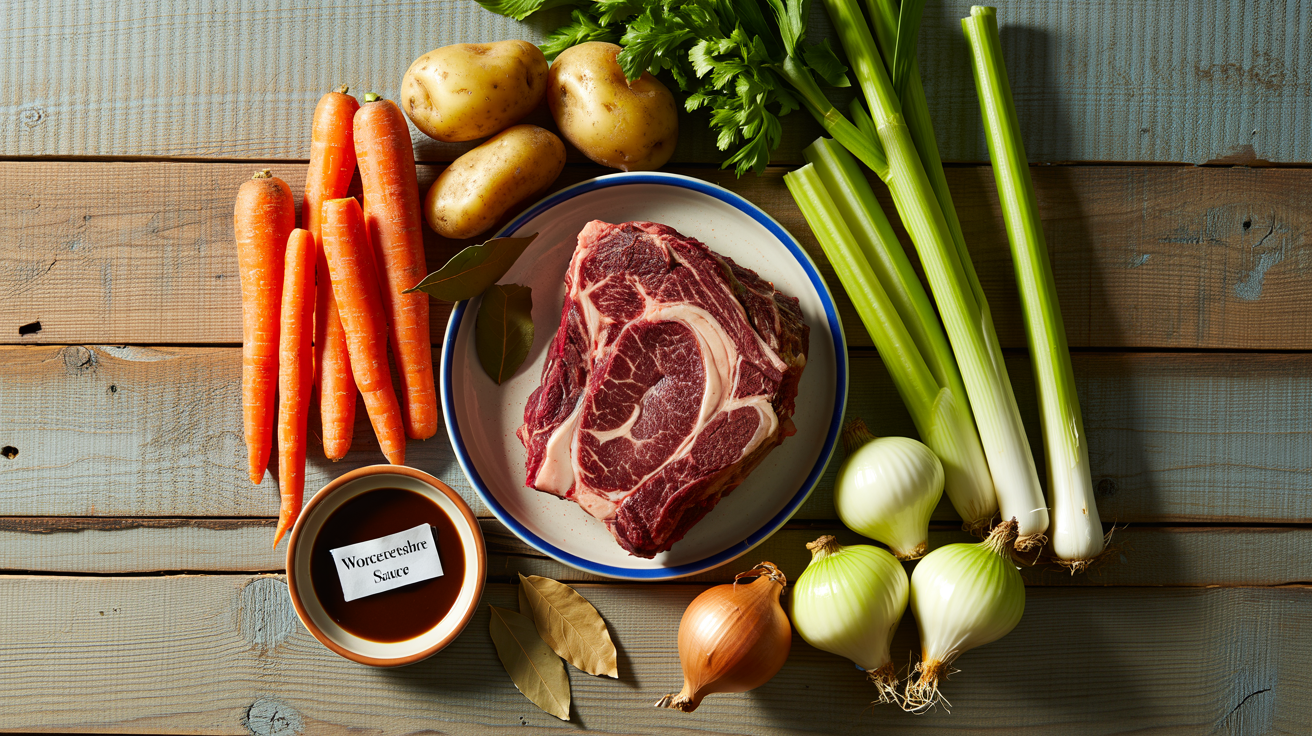
| 3.5 pounds | chuck roast | bone-in or boneless, well-marbled for best flavor |
| 2 tablespoons | olive oil | for searing the roast |
| 1 teaspoon | kosher salt | plus more to taste |
| 1 teaspoon | black pepper | freshly ground |
| 1 teaspoon | garlic powder | for the dry rub |
| 1 teaspoon | onion powder | for the dry rub |
| 1 teaspoon | smoked paprika | adds depth and subtle smokiness |
| 1 teaspoon | dried thyme | or 3 fresh thyme sprigs |
| 1 teaspoon | dried rosemary | crushed lightly between your fingers |
| 4 cloves | garlic | minced |
| 1 large | yellow onion | roughly chopped into wedges |
| 4 medium | carrots | peeled and cut into 2-inch pieces |
| 1.5 pounds | baby potatoes | halved, or Yukon Gold cut into chunks |
| 3 stalks | celery | cut into 2-inch pieces |
| 2 tablespoons | tomato paste | adds umami depth to the braising liquid |
| 1 cup | beef broth | low sodium preferred |
| 0.5 cup | dry red wine | such as Cabernet Sauvignon, or substitute more broth |
| 1 tablespoon | Worcestershire sauce | for savory depth |
| 2 tablespoons | cornstarch | mixed with 2 tablespoons cold water for optional gravy thickening |
| 2 tablespoons | fresh parsley | chopped, for garnish |
Instructions
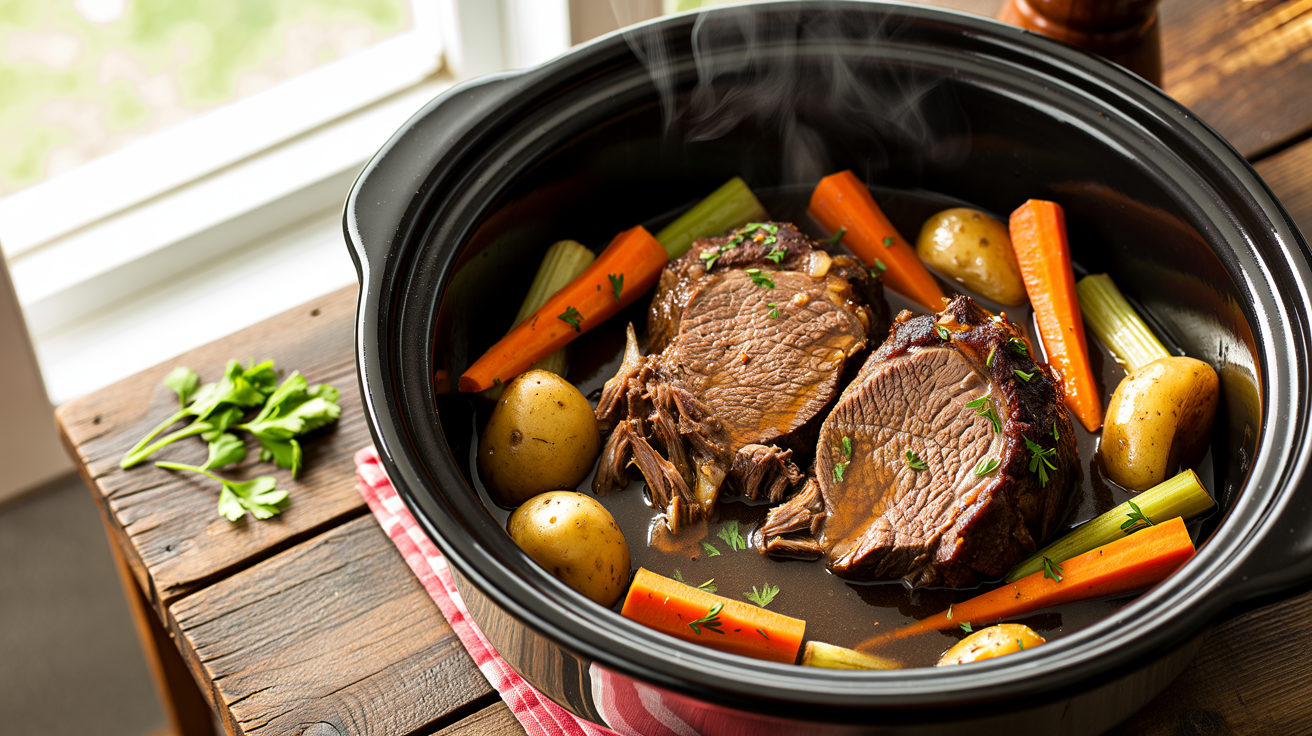
Nutrition (per serving)
About This Recipe
Pot roast as a concept dates back to 19th century American cooking, though its roots draw heavily from European braising traditions brought over by immigrants from France, Germany, and Eastern Europe. The French technique known as boeuf a la mode, which involves braising a large cut of beef in wine and aromatics, is widely considered one of the earliest ancestors of the American pot roast. As settlers moved westward and resources were sometimes scarce, cooks learned to transform tough, inexpensive cuts of beef into tender, satisfying meals through long, slow cooking in cast iron Dutch ovens over wood fires or hearth coals.
The slow cooker version of pot roast became a cultural phenomenon in the 1970s when Rival introduced the Crock-Pot to American households, promising working families a hot dinner waiting for them at the end of a long day. The appliance was revolutionary, and pot roast quickly became one of the signature dishes associated with it. Decades later, the slow cooker pot roast remains one of the most searched and beloved recipes in American home cooking, representing warmth, nourishment, and the kind of from-scratch cooking that brings families together around the dinner table.
Ready to Serve
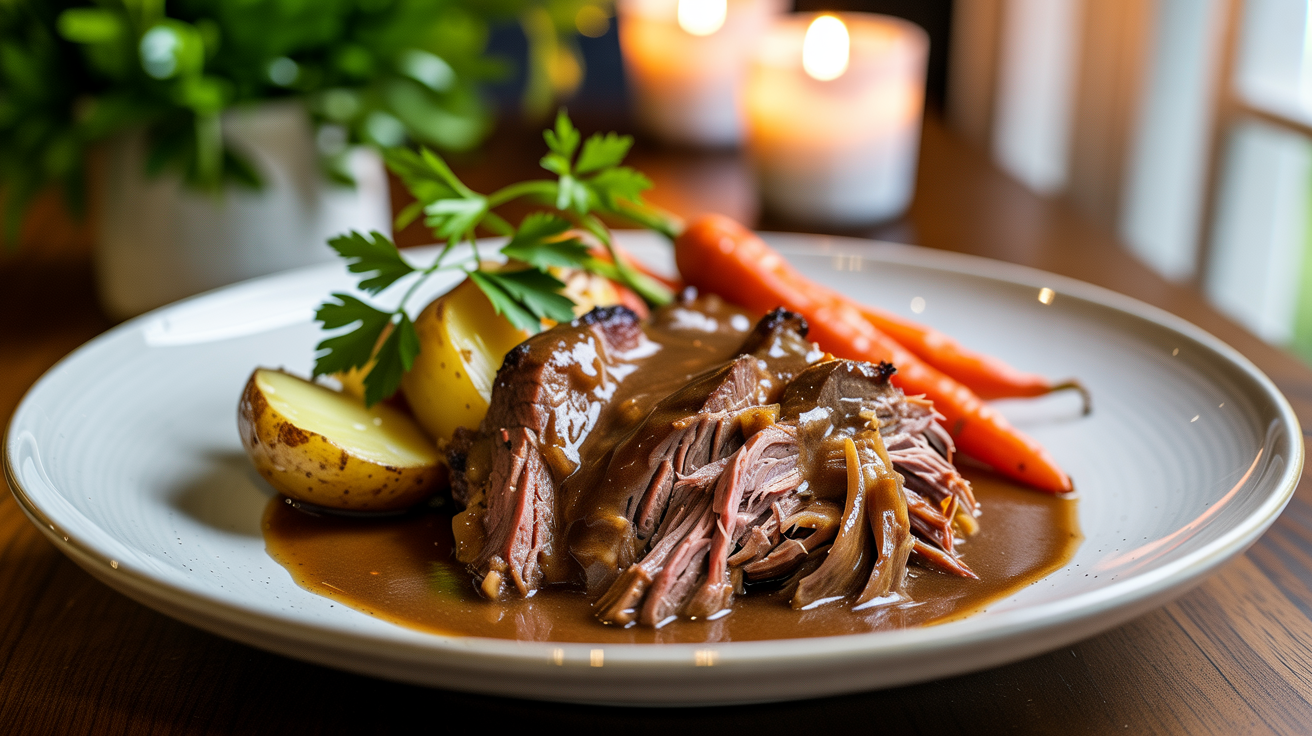
A Closer Look
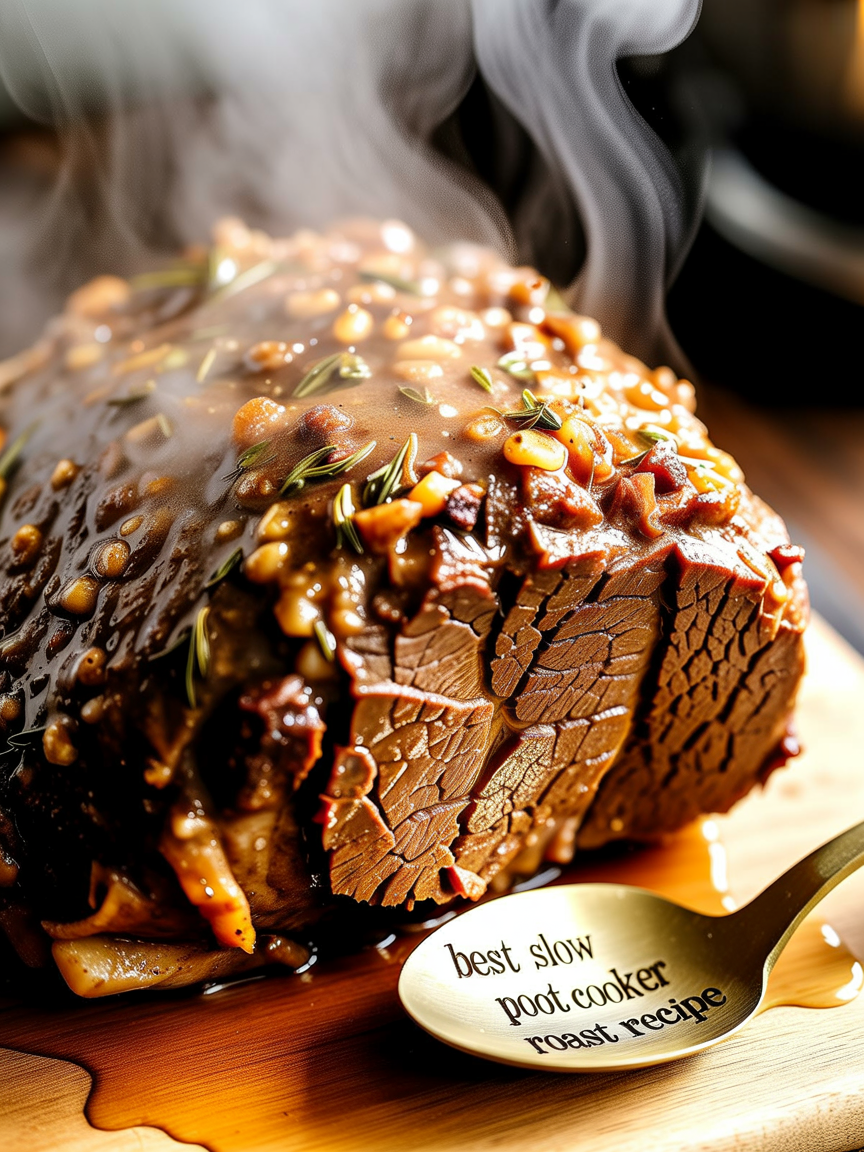
Pro Tips for Best Results
- Always sear the roast before slow cooking. This step creates a Maillard reaction that produces hundreds of flavor compounds you simply cannot develop through slow cooking alone. Even if you are short on time, never skip this step.
- Choose a chuck roast with plenty of visible marbling throughout the meat. The intramuscular fat melts slowly during the long braise, keeping the meat moist, tender, and incredibly flavorful. A lean roast will turn out dry and tough no matter how carefully you cook it.
- Do not overcrowd the slow cooker with too much liquid. The vegetables release significant moisture as they cook, and too much liquid will result in a watery, diluted broth rather than a rich, concentrated gravy. Stick to the amounts in the recipe.
- For even deeper flavor, prepare the roast the night before, apply the dry rub, wrap it tightly, and refrigerate overnight. This dry brining process draws moisture to the surface, then reabsorbs it along with the seasonings, resulting in more intensely flavored meat.
- Leftover pot roast improves significantly overnight as the flavors continue to meld and develop. Store leftovers in the cooking liquid to keep the meat moist, and reheat gently on the stovetop or in a low oven. The leftovers make incredible sandwiches, tacos, hash, and pasta sauces.
Essential Equipment
6-Quart Slow Cooker: A 6-quart slow cooker provides enough room for a 3 to 4 pound roast along with all the vegetables without overcrowding, ensuring even cooking throughout.
Large Cast Iron Skillet: Essential for achieving a deep, golden-brown sear on all sides of the roast before it goes into the slow cooker, building maximum flavor.
Chef Knife: A sharp chef knife makes quick, clean work of chopping the onions, carrots, and potatoes into uniform pieces that cook evenly.
Cutting Board: A large, sturdy cutting board gives you plenty of room to prep all your vegetables and carve the finished roast safely.
Tongs: Heavy-duty tongs allow you to flip and maneuver the hot roast safely during the searing process without losing the crust.
Ladle: Used to spoon the rich cooking juices over the roast during serving or to transfer the braising liquid when making gravy.
Small Mixing Bowl: Handy for whisking together the seasoning rub or combining cornstarch and water to thicken the gravy at the end.
Variations
Red Wine Braised Version: Replace the beef broth entirely with a full cup of dry red wine such as Cabernet Sauvignon or Merlot for an incredibly rich, deeply flavored French-inspired braising liquid that creates a luxurious, restaurant-quality gravy.
Mississippi Pot Roast Style: Add one packet of dry ranch seasoning, one packet of dry au jus mix, half a stick of butter, and a jar of pepperoncini peppers with their brine directly to the slow cooker for the iconic tangy, buttery Mississippi pot roast that has taken the internet by storm.
Italian-Inspired Version: Substitute beef broth for crushed San Marzano tomatoes, add Italian seasoning, fresh basil, and a Parmesan rind to the braising liquid. Serve the shredded beef over creamy polenta or pappardelle pasta for a rustic Italian Sunday ragu.
Low Carb and Keto Version: Replace the potatoes with large chunks of turnip, radish, or cauliflower florets, which absorb the braising liquid beautifully and hold their texture during the long cook. Skip the cornstarch slurry and reduce the gravy on the stovetop to naturally thicken it.
Asian-Inspired Pot Roast: Swap the Worcestershire sauce and red wine for soy sauce, hoisin sauce, fresh ginger, star anise, and a splash of rice vinegar. Add bok choy in the last hour of cooking and serve over steamed jasmine rice for an aromatic East Asian twist on a classic.
Frequently Asked Questions
Can I make slow cooker pot roast ahead of time?
Absolutely. This recipe is ideal for meal prep. You can cook the roast up to 3 days in advance, store it in the cooking juices in an airtight container in the refrigerator, and reheat it gently on the stovetop or in the oven at 300 degrees Fahrenheit until warmed through. The flavor actually deepens and improves significantly after a day in the refrigerator.
Can I freeze slow cooker pot roast?
Yes, pot roast freezes exceptionally well. Allow it to cool completely, then store the meat and gravy together in a freezer-safe airtight container or heavy-duty zip-top bag for up to 3 months. Thaw overnight in the refrigerator and reheat gently on the stovetop, adding a splash of beef broth if needed to loosen the sauce.
What is the best cut of beef for pot roast?
Chuck roast is the gold standard for slow cooker pot roast because of its high fat content and connective tissue, which breaks down over the long cook into rich gelatin that keeps the meat moist and creates a silky, full-bodied braising liquid. Other good options include brisket, bottom round, and rump roast, though chuck remains the top choice for flavor and tenderness.
Why is my pot roast tough?
A tough pot roast almost always means it has not cooked long enough. Collagen and connective tissue in chuck roast require a sustained period at low heat to fully break down into gelatin. If your roast is tough, put the lid back on and continue cooking for another 1 to 2 hours. Unlike most proteins, beef chuck actually gets more tender the longer it braises.
Can I cook pot roast on HIGH instead of LOW in the slow cooker?
Yes, you can cook it on HIGH for approximately 4 to 5 hours as a shortcut, but the LOW setting over 8 to 10 hours consistently produces a more tender, evenly cooked result. The lower, gentler heat gives the connective tissue more time to break down properly without causing the outside of the roast to overcook before the inside is tender.
Do I need to add liquid to the slow cooker?
Yes, you need some liquid to create steam and braise the meat, but do not add too much. About 1.5 cups total is ideal for a 3.5-pound roast. The vegetables will release considerable moisture as they cook, contributing to the final braising liquid. Too much liquid produces a diluted, watery result rather than the concentrated, rich gravy this recipe is known for.