Fig Prosciutto Flatbread Recipe – Easy & Elegant
This fig prosciutto flatbread recipe is the kind of dish that looks like it came straight from a upscale bistro but comes together effortlessly in your own kitchen in under 30 minutes.
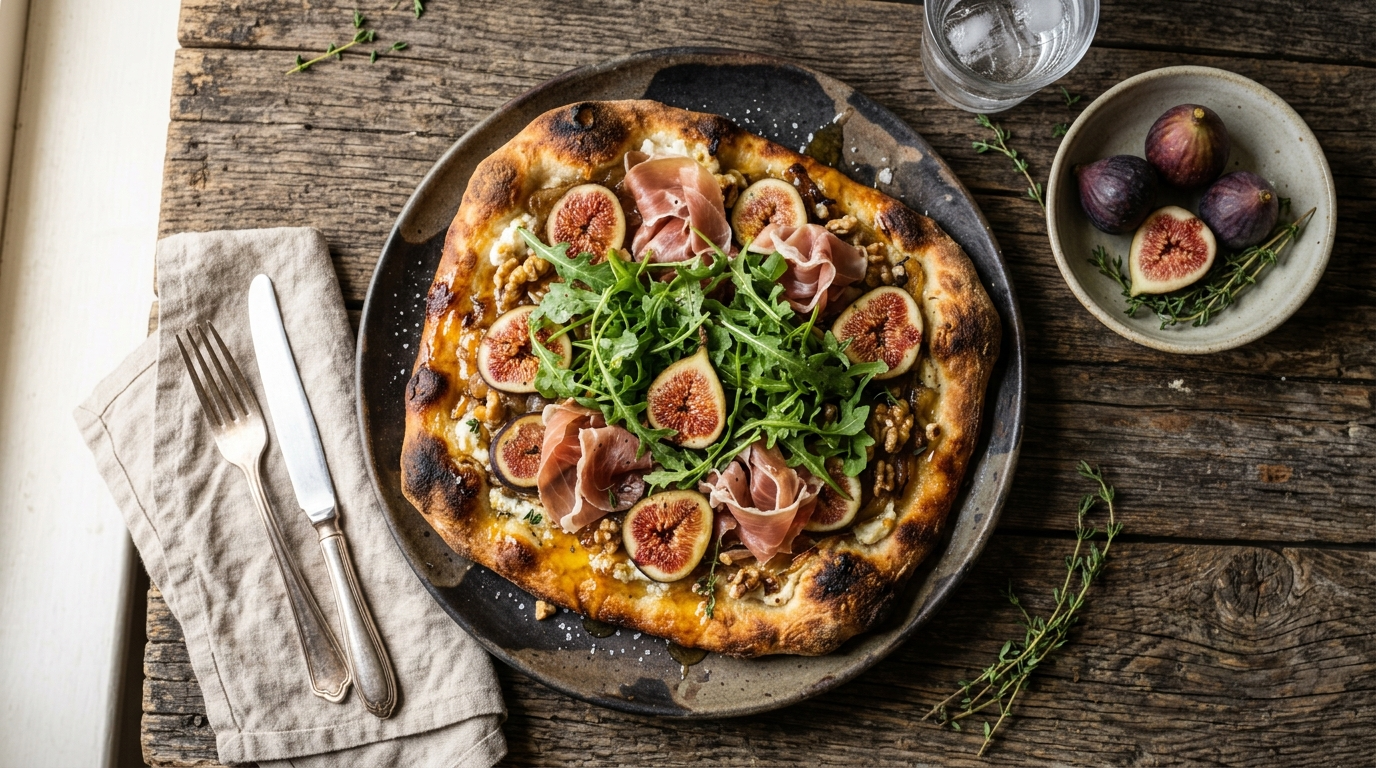
There is something undeniably magical about the combination of sweet, jammy figs paired with paper-thin, salty prosciutto layered over a crispy, golden flatbread base. Add a cloud of creamy ricotta, peppery fresh arugula, and a generous drizzle of honey, and you have a dish that hits every single flavor note your palate craves. It is the kind of recipe that makes guests ask for the recipe before they even finish their first slice.
Whether you are hosting a dinner party, planning a cozy date night at home, or simply looking for a creative way to use fresh figs at peak season, this flatbread delivers every single time. It is endlessly versatile, stunningly beautiful on the table, and – best of all – requires very little culinary skill to pull off with absolute confidence.
This fig prosciutto flatbread recipe delivers the perfect balance of sweet, salty, and savory flavors in every single bite. Topped with creamy ricotta, fresh arugula, and a drizzle of honey, it comes together in just 30 minutes – making it the most impressive weeknight dinner or appetizer you will serve all season.

Ingredients
| AMOUNT | INGREDIENT | NOTES |
|---|---|---|
| 2 pieces | store-bought naan or flatbread | approximately 9-inch size, or use homemade pizza dough stretched thin |
| 3 tablespoons | olive oil | extra virgin, divided |
| 1 cup | whole milk ricotta cheese | drained if watery for best results |
| 2 tablespoons | fresh thyme leaves | stems removed, plus extra sprigs for garnish |
| 1 teaspoon | lemon zest | from one fresh lemon |
| 1 clove | garlic | finely grated or minced |
| 6 whole | fresh figs | Black Mission or Brown Turkey variety, sliced into quarters |
| 3 ounces | prosciutto di Parma | thinly sliced, about 6 to 8 slices |
| 2 ounces | gorgonzola or blue cheese | crumbled, optional but highly recommended |
| 2 cups | fresh arugula | baby arugula preferred for tenderness |
| 2 tablespoons | honey | high quality wildflower or truffle honey for best flavor |
| 1 tablespoon | balsamic glaze | store-bought or homemade reduction |
| 1 teaspoon | flaky sea salt | Maldon or fleur de sel recommended |
| 1 teaspoon | freshly cracked black pepper | coarsely ground |
Instructions

Nutrition (per serving)
About This Recipe
The pairing of figs and cured meats is one of the oldest and most celebrated flavor combinations in Mediterranean culinary history. Ancient Romans were known to serve fresh figs alongside salted and preserved meats as part of elaborate feasts, recognizing that the natural sweetness of the fruit perfectly offset the rich, savory depth of cured pork. This tradition carried through the centuries and became deeply embedded in Italian cuisine, where prosciutto di Parma and fresh figs remain a classic antipasto pairing found on tables from Tuscany to Sicily.
Flatbread itself has roots stretching back thousands of years across the Middle East, North Africa, and the Mediterranean basin, serving as both a vessel for toppings and a staple daily bread. The modern concept of topped flatbread as an appetizer or light meal gained enormous popularity in American restaurants during the 1990s and 2000s as chefs began exploring artisan ingredients and globally inspired flavor profiles. Combining the Italian tradition of fig and prosciutto with the accessibility of flatbread created a dish that bridges old-world elegance and modern casual dining in the most delicious way possible.
Ready to Serve

A Closer Look

Pro Tips for Best Results
- Use the ripest figs you can find – they should give slightly when pressed and may show small cracks near the top. Underripe figs lack the natural sweetness that makes this dish truly spectacular, so do not rush to use figs that are still firm.
- Always add the prosciutto after the flatbread comes out of the oven rather than baking it on top. Baking prosciutto causes it to shrink, become overly salty, and lose the delicate, silky texture that makes it so luxurious as a topping.
- Do not skip draining your ricotta if it seems wet. Place it in a fine-mesh strainer lined with a paper towel for 15 to 20 minutes before using. Excess moisture in the ricotta is the number one cause of soggy flatbread.
- For an even crispier crust, pre-bake the oil-brushed flatbread for 5 minutes before adding any toppings. This par-baking step ensures the base firms up enough to support the weight of all the toppings without becoming soft.
- Invest in a high-quality honey for the finishing drizzle – it truly makes a noticeable difference. Truffle honey is an extraordinary pairing with figs and prosciutto if you can find it, adding an earthy, deeply savory dimension that takes this flatbread to another level entirely.
Essential Equipment
Baking Sheet or Pizza Stone: Ensures the flatbread cooks evenly and develops a perfectly crispy, golden bottom crust.
Parchment Paper: Prevents sticking and makes transferring the flatbread to and from the oven completely effortless.
Pastry Brush: Allows you to apply olive oil and honey evenly across the flatbread surface without tearing the dough.
Sharp Chef Knife: Essential for slicing fresh figs cleanly without crushing them and for cutting the finished flatbread into neat portions.
Cutting Board: Provides a stable, safe surface for prepping all of your fresh ingredients before assembly.
Small Mixing Bowl: Used to season and mix the ricotta with lemon zest and herbs before spreading onto the flatbread.
Variations
Peach and Prosciutto Summer Version: Replace the fresh figs with thinly sliced ripe peaches or nectarines during summer months when figs are not yet in season. The flavor profile remains equally stunning with the sweet fruit and salty prosciutto combination.
Caramelized Onion Base: Swap the ricotta base for a layer of slow-caramelized onions cooked down with butter, thyme, and a splash of balsamic vinegar. This creates a deeply savory, French onion inspired base that complements the sweet figs beautifully.
Goat Cheese and Fig Version: Replace the ricotta with creamy, spreadable goat cheese mixed with a touch of honey and fresh rosemary instead of thyme. Goat cheese brings a pleasant tang that creates an even more dynamic contrast against the sweet figs.
Fig Jam Shortcut Version: When fresh figs are out of season, substitute with a generous spread of high-quality fig jam or preserves beneath the ricotta layer. Add thinly sliced fresh pear on top for additional fruit interest and textural contrast.
Vegetarian Option: Omit the prosciutto entirely and double the amount of gorgonzola or blue cheese for a fully vegetarian version that still delivers incredible sweet-savory depth. Finish with toasted walnuts for added crunch and protein.
Frequently Asked Questions
Can I make this flatbread ahead of time?
You can prepare all of the individual components up to 24 hours ahead – mix the ricotta, slice the figs, and even pre-bake the plain flatbread base. However, assemble and bake the completed flatbread right before serving for the best possible texture and freshness.
What type of figs work best in this recipe?
Black Mission figs are the top choice because of their deep, jammy sweetness and rich color that looks stunning on the flatbread. Brown Turkey figs are an excellent substitute with a slightly milder, honey-like flavor. Avoid Calimyrna figs as they tend to be less sweet and can become mushy when heated.
Can I use dried figs instead of fresh figs?
Yes, dried figs work as a substitute when fresh figs are out of season. Soak them in warm water for 20 minutes before using to plump them up, then slice them thinly. They will be less juicy than fresh figs but will still deliver a wonderful sweet, concentrated flavor.
What can I substitute for prosciutto?
Thinly sliced serrano ham, speck, or bresaola are all excellent substitutes for prosciutto and carry similar delicate, salty flavor profiles. For a more accessible option, very thinly sliced deli ham can work in a pinch, though the flavor will be noticeably milder.
How do I store leftover flatbread?
Store leftovers in an airtight container in the refrigerator for up to 2 days. To reheat, place the flatbread on a baking sheet in a 375 degree oven for 5 to 7 minutes to restore crispiness. Avoid microwaving as it will make the crust soft and chewy. Note that the arugula will wilt, so add fresh arugula after reheating.
Can I use store-bought pizza dough instead of flatbread?
Absolutely. Store-bought pizza dough stretched to about a quarter-inch thickness works beautifully and gives you a slightly thicker, chewier crust. You may need to increase the baking time by 3 to 5 minutes to ensure the dough is fully cooked through before adding the fresh toppings.