Winter Citrus Salad Recipe – Bright and Fresh
This winter citrus salad recipe is the bright, refreshing dish your cold-weather table has been missing all season long. When heavy stews and roasted dishes dominate the winter menu, a beautifully layered citrus salad cuts right through the richness with its vivid color and zingy flavor profile that wakes up your taste buds instantly.
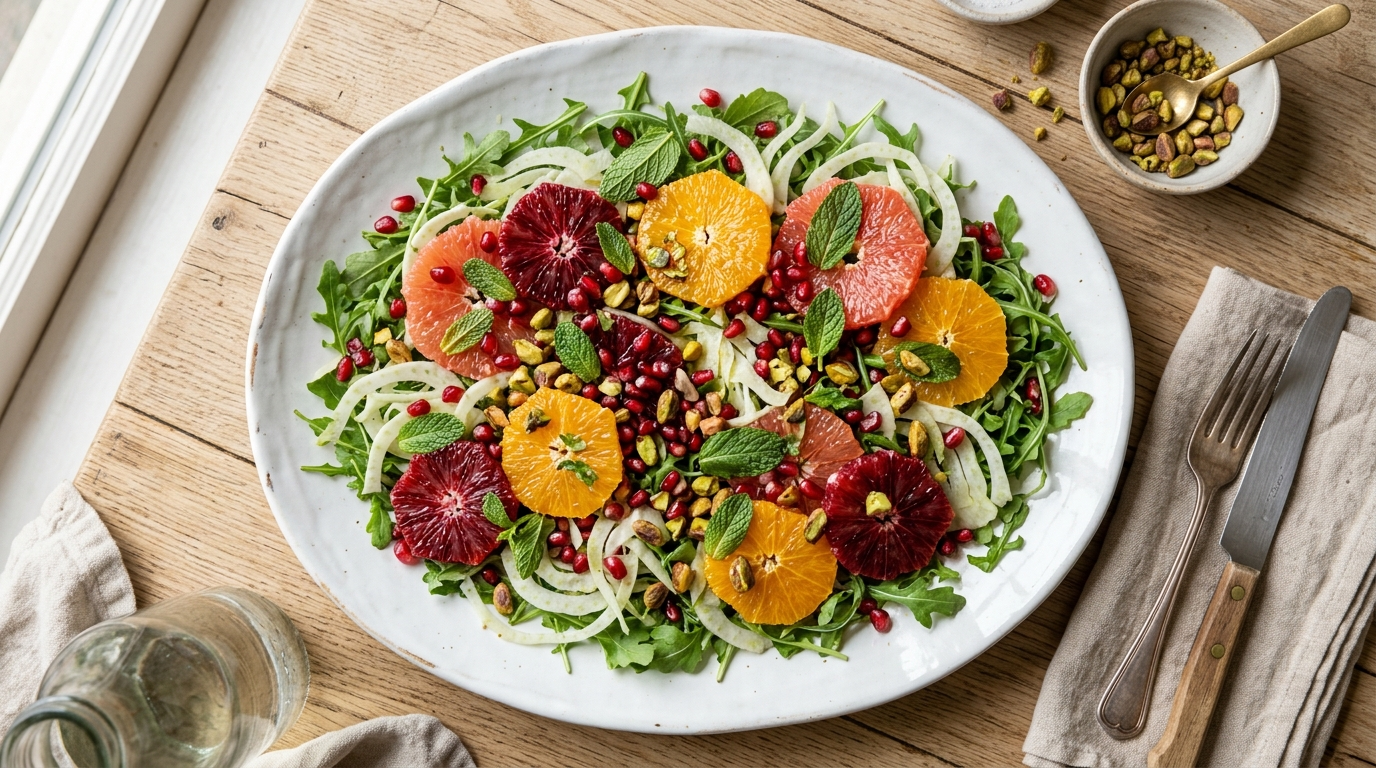
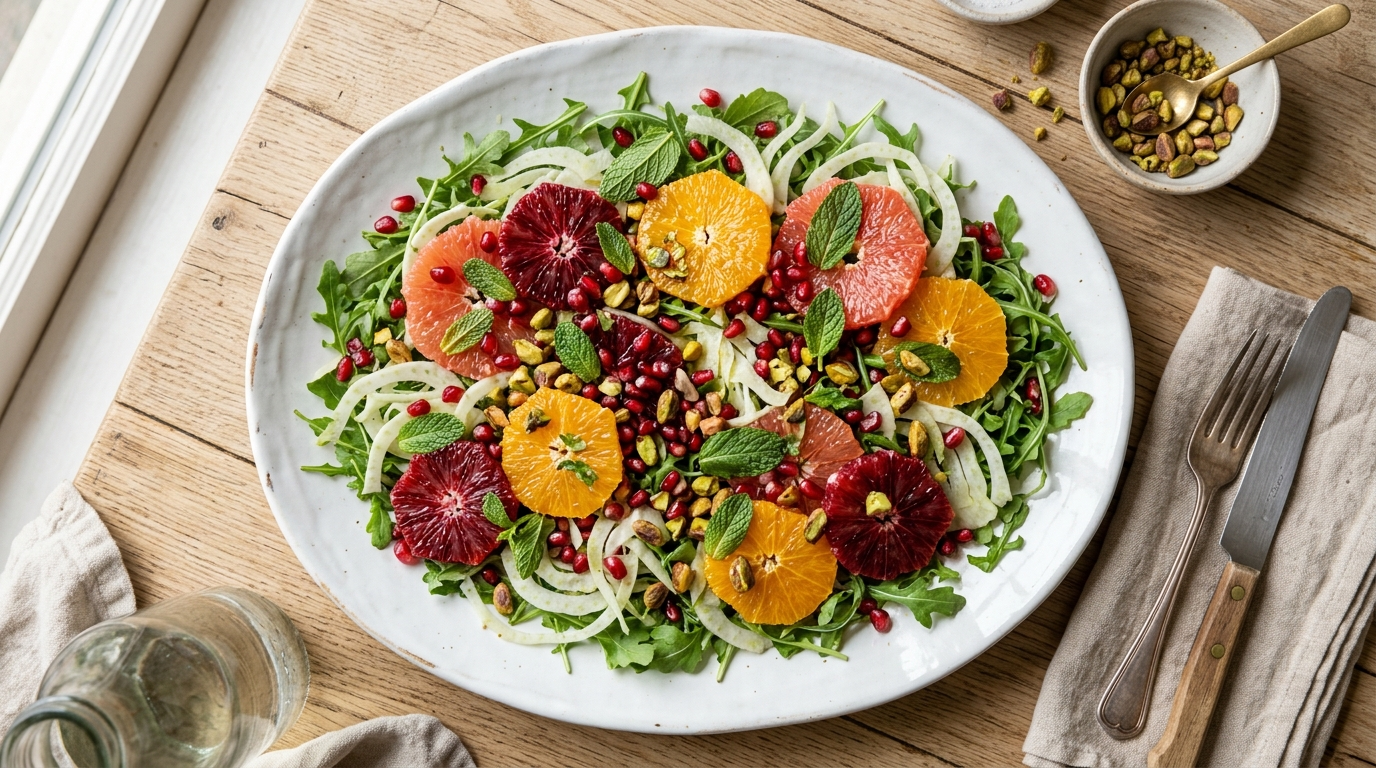
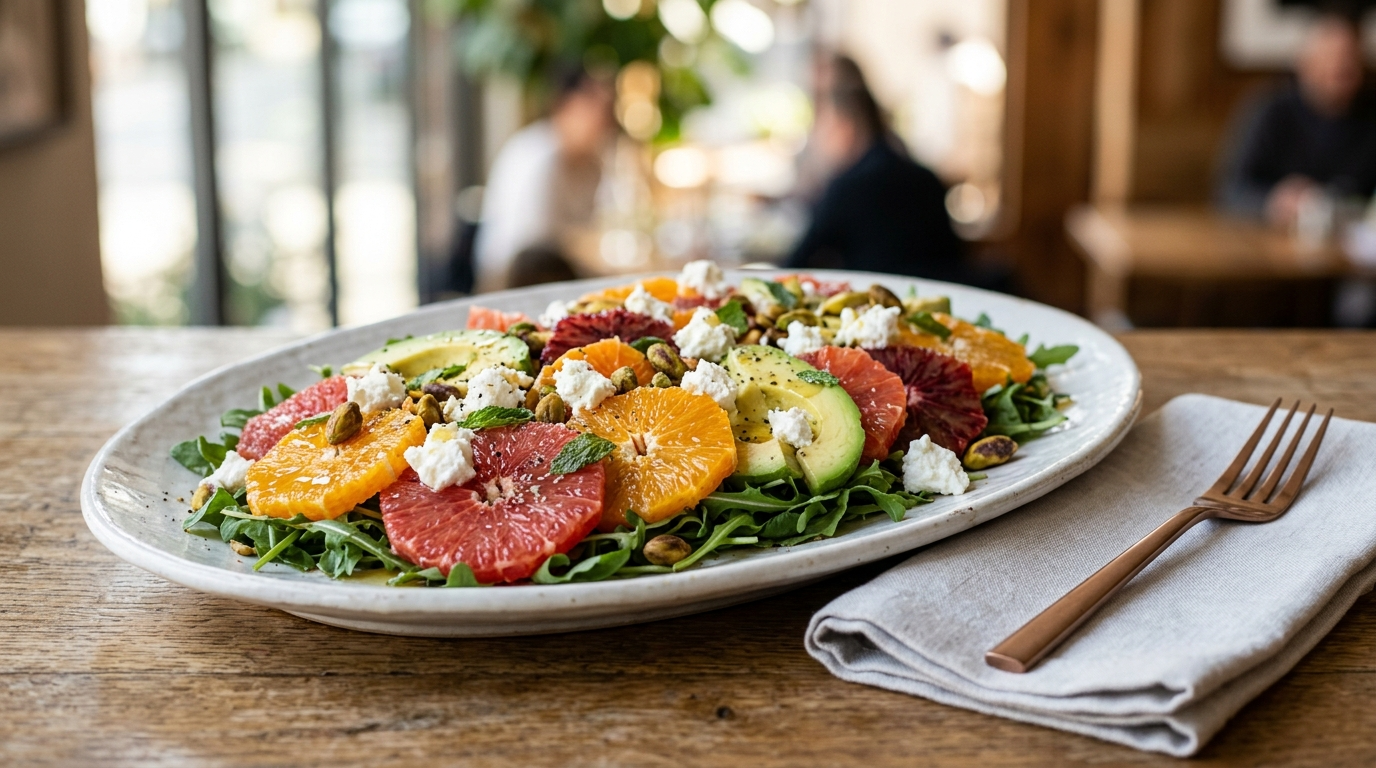
What makes this salad truly special is the combination of textures and flavors working in perfect harmony. Juicy blood oranges, sweet navel oranges, and tart ruby red grapefruit are arranged over a bed of peppery arugula, then topped with shaved fennel, creamy avocado, and crunchy toasted pistachios. Every single bite delivers a contrast that keeps you coming back for more.
Best of all, this recipe comes together in just 15 minutes with zero cooking required. It is the kind of dish that looks like it came from a high-end restaurant but requires minimal effort in your kitchen. Whether you are hosting a dinner party, meal prepping for the week, or simply craving something light and nourishing on a gray winter afternoon, this salad delivers every single time.
This winter citrus salad recipe bursts with vibrant color and refreshing flavor, combining sweet oranges, tangy grapefruit, and crisp fennel with a honey-herb dressing. It is light, nourishing, and absolutely stunning on any table – make it today to brighten up the coldest months of the year.
Ingredients
| AMOUNT | INGREDIENT | NOTES |
|---|---|---|
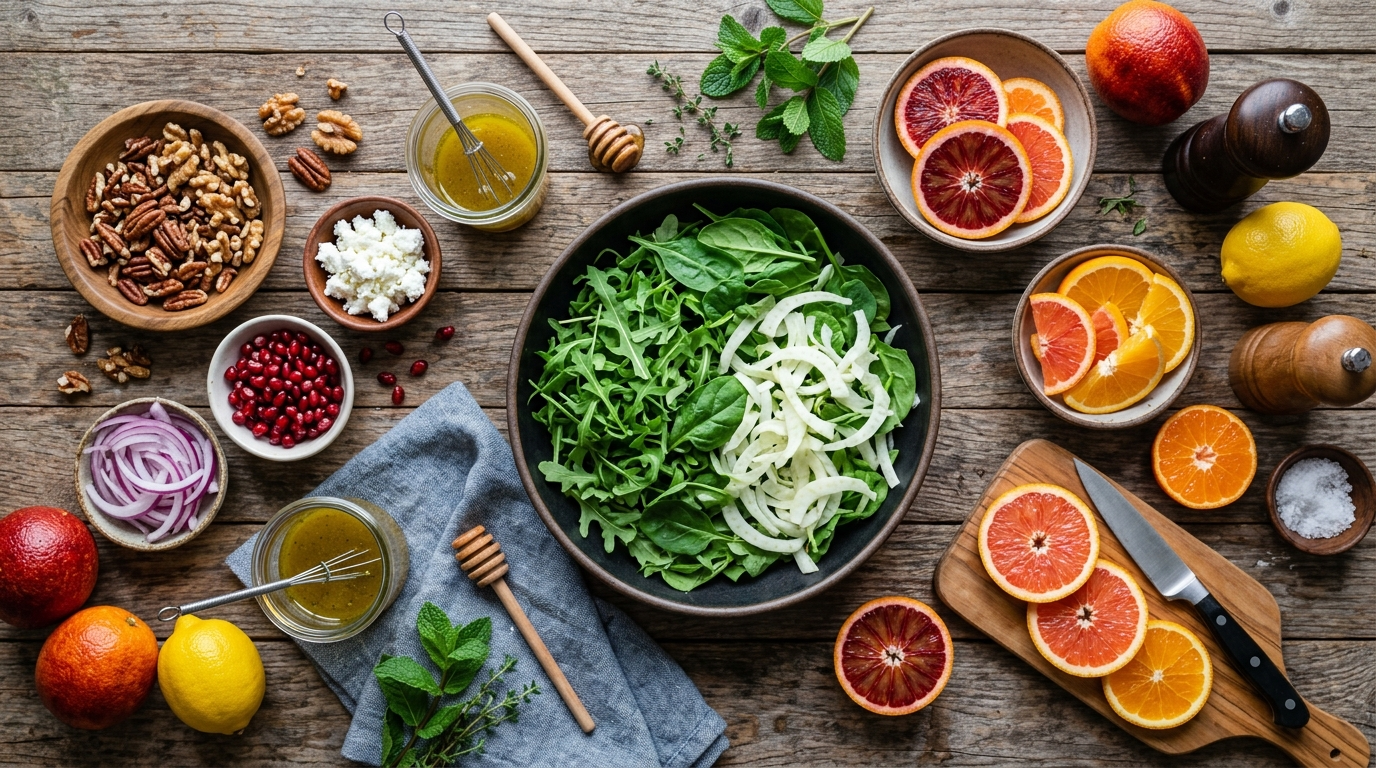
| 2 large | navel oranges | peeled and sliced into rounds |
| 2 large | blood oranges | peeled and sliced into rounds |
| 1 large | ruby red grapefruit | peeled and supremed or sliced into rounds |
| 1 medium | cara cara orange | peeled and sliced, optional but adds beautiful color |
| 3 cups | baby arugula | washed and dried |
| 1 small | fennel bulb | very thinly shaved, fronds reserved for garnish |
| 1 large | ripe avocado | halved, pitted and thinly sliced |
| 0.25 cup | roasted pistachios | roughly chopped |
| 0.25 cup | pomegranate arils | for garnish and bursts of color |
| 3 tablespoons | extra virgin olive oil | high quality for the best flavor |
| 2 tablespoons | fresh orange juice | squeezed from leftover citrus scraps |
| 1 tablespoon | raw honey | or maple syrup for a vegan option |
| 1 tablespoon | fresh lemon juice | brightens the dressing significantly |
| 0.5 teaspoon | Dijon mustard | acts as an emulsifier for the dressing |
| 0.25 teaspoon | fine sea salt | plus more to taste |
| 0.25 teaspoon | freshly cracked black pepper | to taste |
| 2 tablespoons | fresh mint leaves | torn, for garnish |
| 2 ounces | soft goat cheese | crumbled, optional for a creamy savory element |
Instructions
Nutrition (per serving)
About This Recipe
Citrus salads have deep roots in Mediterranean cuisine, where the abundance of winter citrus fruits made them a natural and beloved staple during the colder months. In countries like Italy, Spain, and Morocco, the arrival of blood oranges and clementines each winter signaled celebration, and cooks began layering these fruits with olives, onions, and fresh herbs to create simple yet elegant dishes that honored the season. The Sicilian tradition of pairing oranges with fennel and olive oil is considered one of the oldest precursors to the modern citrus salad we know today.
In North America, the winter citrus salad gained widespread popularity in the early 2000s as farm-to-table dining and seasonal eating movements brought renewed appreciation for produce at its peak. Food editors and restaurant chefs began championing the beauty of blood oranges and cara cara varieties, encouraging home cooks to treat citrus as a centerpiece rather than a mere garnish. Today the winter citrus salad is a beloved staple on menus from California to New York, celebrated for its stunning visual appeal and its ability to bring warmth and brightness to the darkest days of winter.
Ready to Serve
A Closer Look
Pro Tips for Best Results
- Supreme your citrus instead of just slicing it if you want a more refined and elegant presentation – supreming removes all pith and membrane so each segment is pure juicy fruit with no bitterness whatsoever.
- Always dry your citrus slices thoroughly on paper towels before assembling the salad – excess juice will pool on the platter and dilute your beautifully made dressing within minutes.
- Toast your pistachios in a dry skillet over medium heat for three to four minutes before using them – toasting deepens their flavor dramatically and makes them noticeably crunchier in the finished salad.
- Add the avocado last and dress it lightly with a squeeze of fresh lemon juice before placing it on the salad to prevent it from browning, especially if you are making this salad a little ahead of serving time.
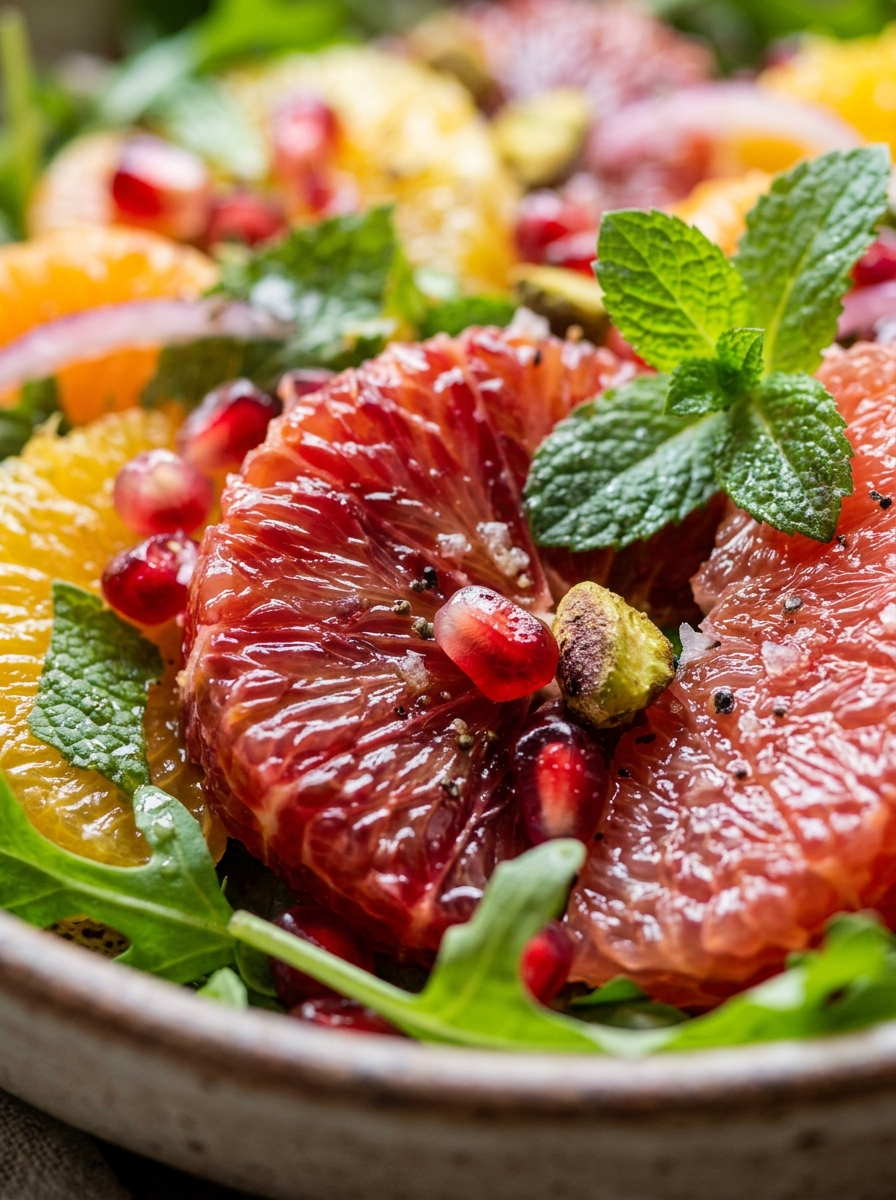
- For the most visually striking result, use at least three different varieties of citrus fruit – the contrast between blood orange red, cara cara pink, and navel orange yellow is what makes this salad so breathtakingly beautiful on the table.
Essential Equipment
Sharp Chef Knife: Needed for cleanly supreming citrus fruit and thinly slicing fennel without tearing the delicate flesh.
Cutting Board: A large sturdy cutting board gives you plenty of room to work with multiple citrus fruits safely.
Mandoline Slicer: Optional but ideal for achieving paper-thin fennel slices that are evenly consistent throughout the salad.
Small Mixing Bowl: Used to whisk together the honey citrus dressing ingredients until fully emulsified.
Large Serving Platter: A wide flat platter allows you to arrange the citrus slices in a beautiful overlapping pattern for maximum visual impact.
Citrus Juicer: Makes it easy to extract fresh juice for the dressing without seeds or pulp getting in the way.
Variations
Vegan Version: Simply omit the goat cheese entirely and swap the raw honey in the dressing for an equal amount of pure maple syrup. Every other component is already completely plant-based, so the swap is effortless.
Mediterranean Style: Replace the arugula with thinly sliced endive and radicchio, swap pistachios for Castelvetrano olives, and add paper-thin red onion rings. Finish with a drizzle of aged balsamic glaze for a bold Mediterranean-inspired version.
Protein-Packed Version: Top the finished salad with sliced seared salmon, grilled shrimp, or shredded rotisserie chicken to transform this light starter into a complete and satisfying main course meal.
Spiced Winter Version: Add a pinch of ground cinnamon and a small pinch of cayenne pepper to the dressing, then top the salad with candied spiced pecans and a few thin slices of fresh jalapeno for a warming and unexpected flavor combination.
Creamy Burrata Version: Replace the crumbled goat cheese with one or two balls of fresh burrata cheese, torn open and nestled into the center of the arranged citrus slices. The creamy milky interior of burrata paired with bright citrus is absolutely extraordinary.
Frequently Asked Questions
Can I make this winter citrus salad ahead of time?
You can prepare all of the individual components up to 24 hours in advance and store them separately in the refrigerator. Slice the citrus, make the dressing, and prep the fennel ahead of time, but do not assemble the salad until 30 minutes before serving to keep the arugula crisp and the avocado fresh.
What citrus fruits work best in this salad?
Blood oranges, navel oranges, cara cara oranges, and ruby red grapefruit are ideal because they offer a range of colors, sweetness levels, and acidity. Clementines, tangelos, and pomelos also work beautifully. The more variety you use, the more visually stunning and complex the flavor of your salad will be.
Can I use a different green instead of arugula?
Absolutely. Watercress, baby spinach, mixed spring greens, or thinly sliced endive all work wonderfully as the base. Arugula is preferred because its peppery bite provides a nice contrast to the sweet citrus, but any tender green that you enjoy will work well in this recipe.
How do I store leftover winter citrus salad?
Once dressed and assembled, this salad is best enjoyed immediately and does not store well because the greens will wilt. However, if you have leftovers, store them in an airtight container in the refrigerator for up to one day. The citrus and dressing components can be stored separately for up to three days.
Is this winter citrus salad recipe gluten free?
Yes, this recipe is naturally gluten free as written. All of the ingredients including the citrus fruit, greens, nuts, avocado, and dressing components are completely free of gluten. Always double-check the label on your Dijon mustard if you have a severe sensitivity, as some brands may process in facilities shared with gluten-containing products.
What can I serve with this citrus salad?
This salad pairs beautifully with roasted salmon, grilled chicken, seared scallops, or a simple pasta dish. It also makes an elegant starter for holiday dinner parties alongside crusty bread and a cheese board. The bright acidity of the citrus cuts through rich main courses particularly well during the winter season.