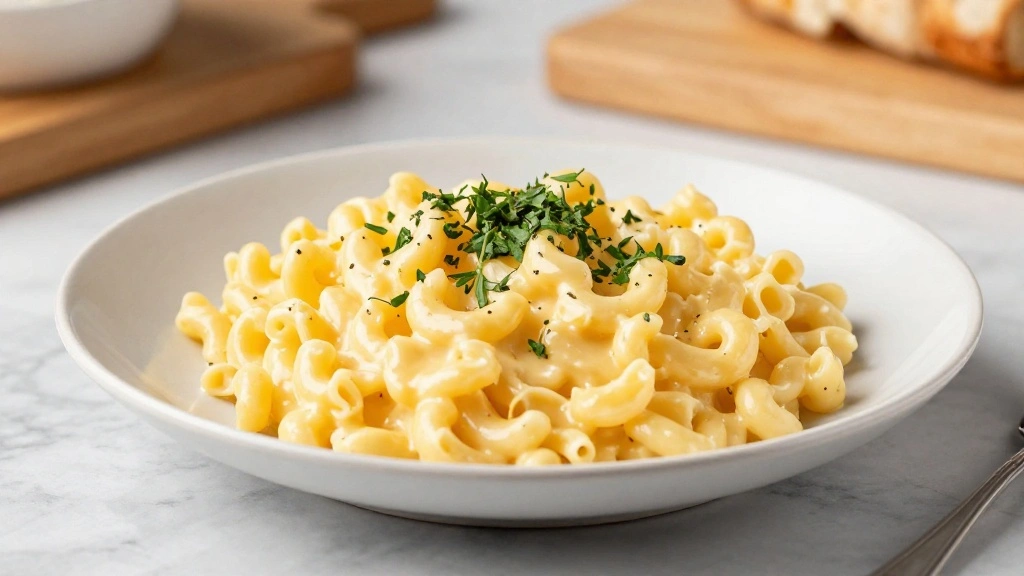
How to Make the Creamiest Homemade Mac and Cheese: A Comfort Food Classic
Creamy, rich, and irresistibly cheesy, homemade mac and cheese is the epitome of comfort food.
This dish brings warmth and nostalgia, evoking memories of family dinners and cozy gatherings.
Its silky, velvety sauce and tender pasta create a harmonious blend that satisfies every craving.
Whether you’re looking to impress guests or simply indulge in a personal treat, this recipe is a guaranteed hit.
Perfect for chilly evenings or any time you need a little culinary comfort, homemade mac and cheese never disappoints.
The History and Cultural Significance
• The Creamiest Homemade Mac and Cheese traces its origins to 14th-century Italy, where it was originally created by chefs for the wealthy.
• The dish evolved over decades as cheese-making techniques improved, eventually becoming the beloved version we know today.
• In the United States, this dish traditionally appears at family gatherings and holiday feasts, symbolizing comfort and togetherness.
• While many variations exist across different regions, the authentic version maintains the rich, creamy cheese sauce that sets it apart from imitations.
Recipe Overview
Nutritional Information (per serving)
Essential Equipment Guide
Large Pot: A large pot is essential for boiling the pasta evenly without overcrowding. Alternatives include a deep skillet or a Dutch oven, but ensure they have enough depth to fully submerge the pasta.
Whisk: A whisk is crucial for creating a smooth cheese sauce, preventing lumps. A silicone whisk is ideal to avoid scratching non-stick surfaces, though a metal one works well with stainless steel pots.
Oven-Safe Dish: Using an oven-safe dish allows you to bake the mac and cheese, developing a golden crust. A ceramic or glass dish is ideal, but a cast iron skillet can also work for even heat distribution.
Ingredients
For the Base
|
| Amount | Ingredient | Notes |
|---|---|---|
| 8 ounces | elbow macaroni | cooked to al dente |
For the Sauce
| Amount | Ingredient | Notes |
|---|---|---|
| 3 tablespoons | unsalted butter | adds richness |
| 3 tablespoons | all-purpose flour | for thickening |
| 2 cups | whole milk | for creamy texture |
| 2 cups | sharp cheddar cheese | grated, for tangy flavor |
| 1 cup | gruyere cheese | grated, adds depth |
| 1 teaspoon | Dijon mustard | enhances flavor |
| 1 teaspoon | salt | enhances overall taste |
| 1 teaspoon | black pepper | for seasoning |
Preparation Methods
Roux Making: Creating a roux involves cooking equal parts flour and butter until they form a smooth paste. This technique is crucial for thickening the cheese sauce without lumps. Stir constantly over medium heat and watch for a light golden color indicating readiness.
Cheese Melting: Properly melting cheese into the sauce requires gentle heat to avoid curdling. Gradually add cheese to the warm mixture, stirring constantly until fully incorporated and smooth. Avoid high heat to prevent graininess.
Al Dente Pasta Cooking: Cooking pasta al dente means boiling until it's firm to the bite. This ensures it holds up well when baked, absorbing flavors without becoming mushy. Test a piece by biting into it; it should be firm but not hard.
Step 1: Prepare Ingredients
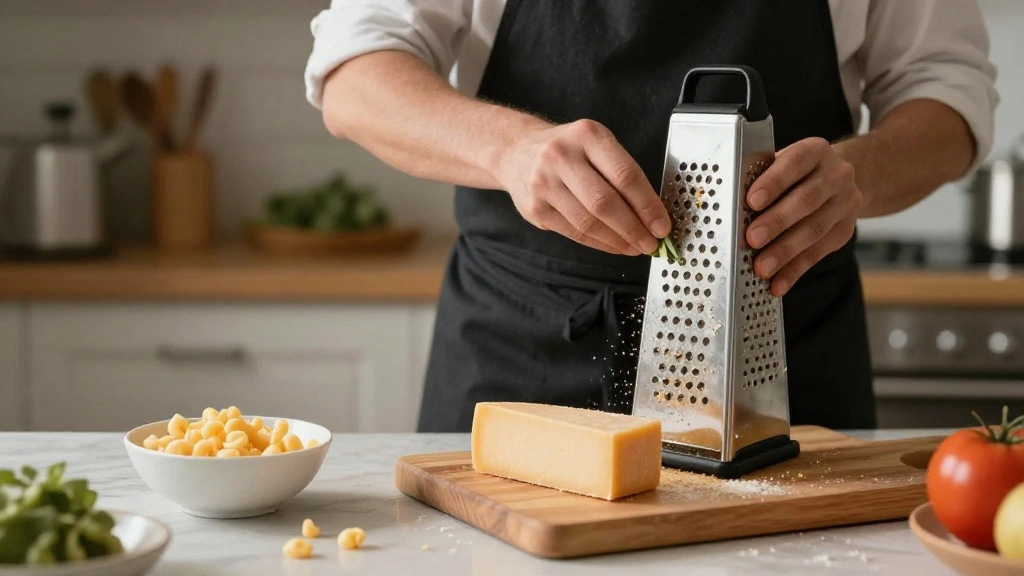
Gather all ingredients and equipment needed for the recipe.
Ensure the cheeses are grated and the butter is at room temperature.
Measure out all spices and have them ready for use.
Prepare the pasta by cooking it to al dente as per package instructions.
Step 2: Cook the Pasta
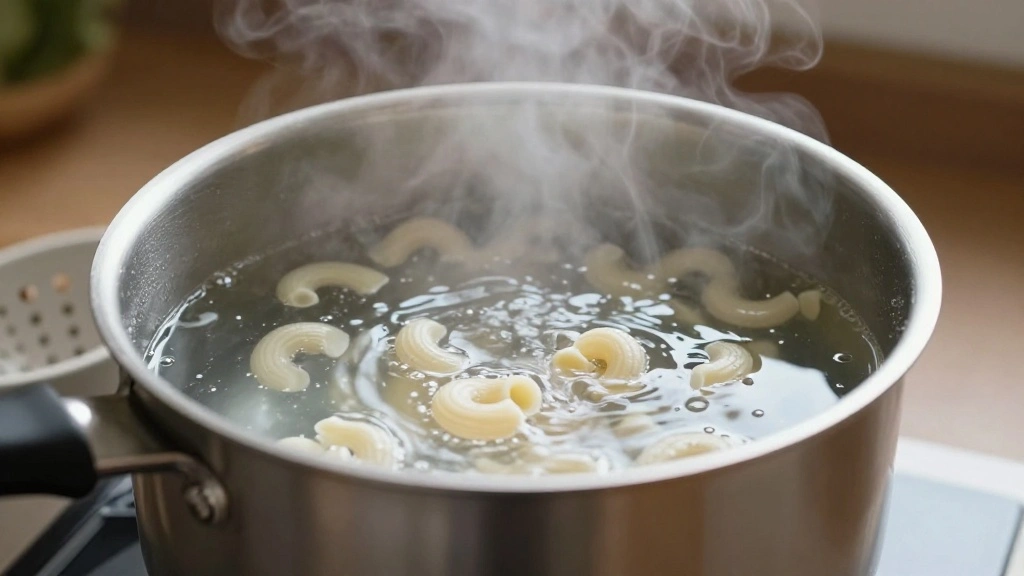
Fill a large pot with water and bring it to a boil.
Add a generous pinch of salt to the boiling water.
Cook the elbow macaroni until al dente, about 7-8 minutes.
Drain the pasta and set aside, reserving a little pasta water.
Step 3: Make the Roux
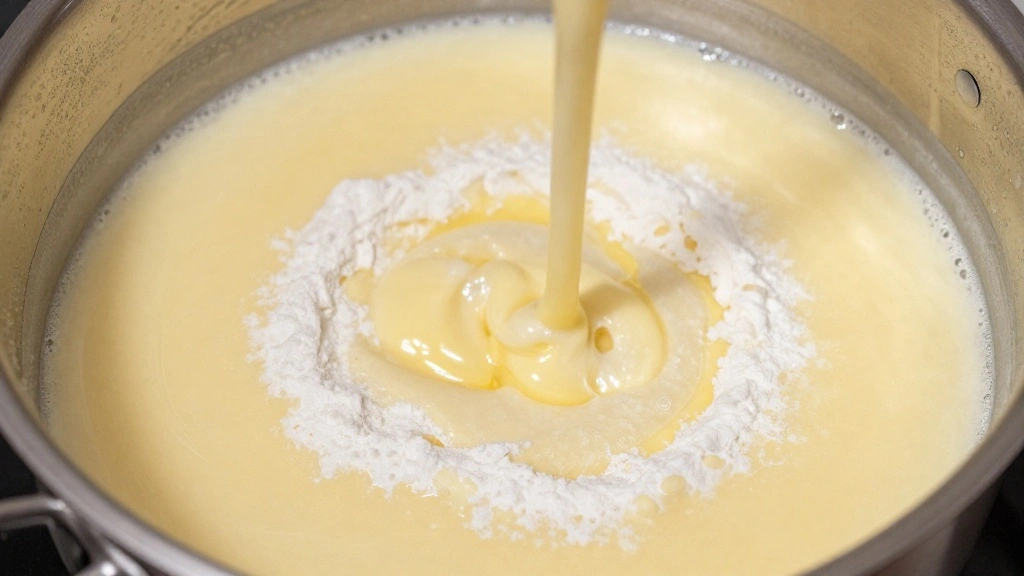
In a separate large saucepan, melt the butter over medium heat.
Add the flour, whisking continuously to form a smooth paste.
Cook the roux for 2-3 minutes until it turns light golden brown.
Ensure there are no lumps in the mixture before proceeding.
Step 4: Create the Cheese Sauce
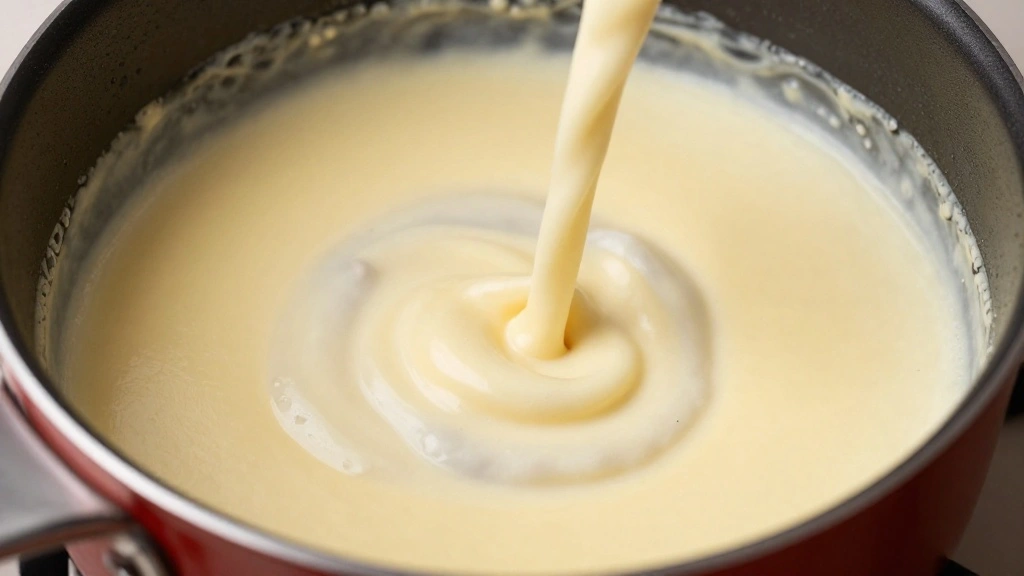
Gradually pour the milk into the roux, whisking constantly to combine.
Continue stirring over medium heat until the mixture thickens and bubbles.
Reduce the heat to low and slowly add the grated cheeses.
Stir until the cheese is completely melted and the sauce is smooth.
Step 5: Season the Sauce
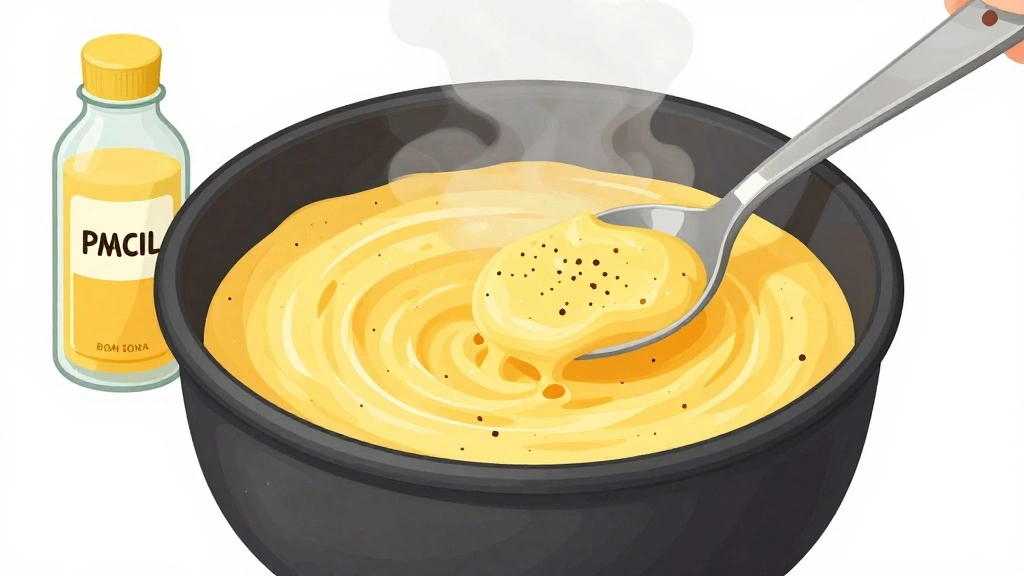
Add the Dijon mustard to the cheese sauce for extra flavor.
Season with salt and black pepper, adjusting to taste.
Mix thoroughly to ensure even distribution of spices.
Taste and adjust seasoning if necessary before adding the pasta.
Step 6: Combine Pasta and Sauce
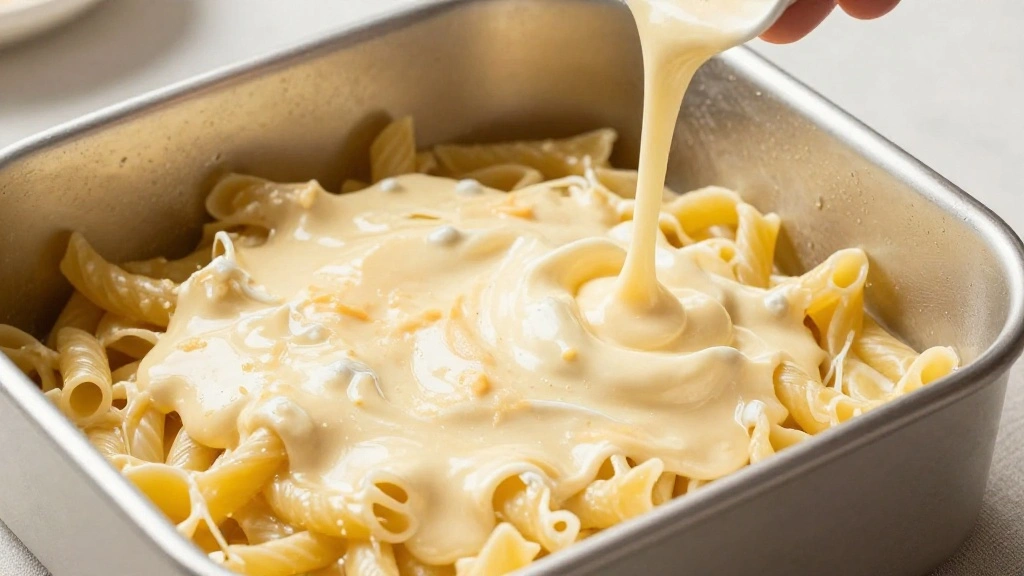
Add the cooked pasta to the cheese sauce, stirring to coat evenly.
If the sauce is too thick, use reserved pasta water to adjust consistency.
Ensure that every piece of pasta is well covered with sauce.
Transfer the mixture to an oven-safe baking dish.
Step 7: Bake the Mac and Cheese
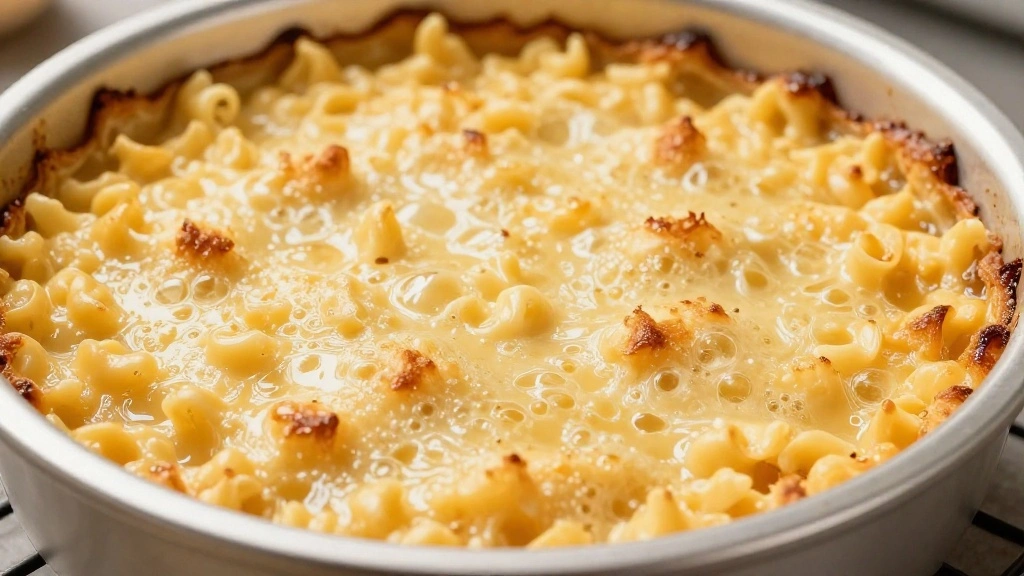
Preheat your oven to 350°F (175°C).
Place the baking dish in the oven on the middle rack.
Bake for 20-25 minutes until the top is golden and bubbly.
Remove from oven and allow to cool slightly before serving.
Step 8: Serve and Enjoy
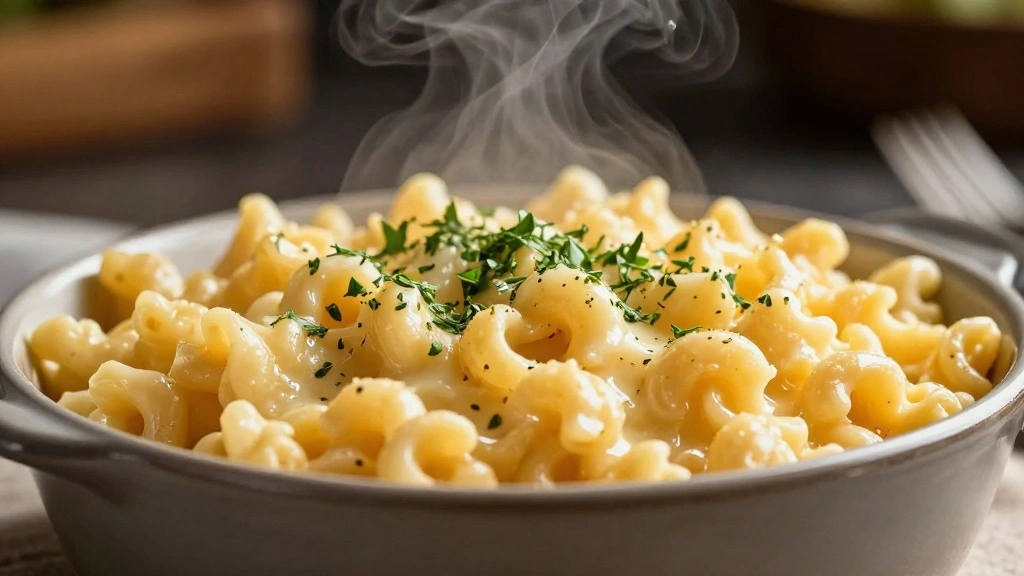
Remove the mac and cheese from the oven and let it rest for a few minutes.
Garnish with freshly chopped parsley or chives for added color.
Serve warm with a side salad or as a standalone dish.
Enjoy the creamy, cheesy goodness with family or friends.
Critical Timing and Temperature Guide
Roux and Sauce Preparation: Cook the roux for exactly 2-3 minutes until golden, and ensure sauce thickens before adding cheese. Watch for bubbling as a doneness indicator and avoid overheating to prevent separation.
Pasta Cooking: Boil pasta for precisely 7-8 minutes to achieve al dente texture. Test by biting a piece—firm yet tender is ideal. Avoid overcooking to prevent mushiness.
Baking: Bake at 350°F (175°C) for 20-25 minutes. Look for a golden, bubbling top as a visual cue for completion. Avoid overbaking to maintain creaminess.
Pro Tips for the Creamiest Homemade
• Ingredient Selection: Choose high-quality, sharp cheddar and gruyere cheeses for their superior melting properties and flavor.
• Preparation Secret: Let the cheeses come to room temperature before adding to the sauce to ensure smoother melting.
• Temperature Management: Maintain gentle heat when melting cheese to avoid a grainy sauce.
• Texture Enhancement: Stir in a spoonful of cream cheese for an extra creamy texture.
• Flavor Layering: Use a combination of cheeses to add depth and complexity to the flavor profile.
• Make-Ahead Strategies: Prepare the cheese sauce a day in advance, store in the refrigerator, and reheat gently before combining with pasta.
• Restaurant-Quality Finishing Touches: Sprinkle breadcrumbs mixed with melted butter on top before baking for a crisp crust.
• Equipment Optimization: Use a non-stick saucepan for the cheese sauce to prevent sticking and burning.
Troubleshooting Common Issues
• Grainy Sauce: This is often caused by overheating the sauce or adding cheese too quickly. Recognize by the sauce's gritty texture. Remedy by melting cheese over low heat and stirring constantly.
• Too Thick Sauce: Caused by too much flour in the roux or insufficient liquid. Recognize by overly thick consistency. Fix by gradually adding more milk or reserved pasta water.
• Bland Flavor: Caused by insufficient seasoning. Recognize by lack of depth in taste. Remedy by properly seasoning the sauce with salt, pepper, and mustard.
• Overcooked Pasta: Caused by boiling pasta for too long. Recognize by mushy texture. Prevent by closely monitoring pasta cooking time and testing for al dente doneness.
• Cheese Separation: Caused by high heat during melting. Recognize by oily, separated sauce. Fix by reducing heat and whisking vigorously until recombined.
• Soggy Top: Caused by excess moisture or improper baking. Recognize by lack of crisp crust. Remedy by using a broiler for a few minutes to crisp up the top.
Variations and Regional Differences
• Southern Style: This version often includes a mix of cheeses like cheddar and Colby, with the addition of eggs for a custard-like consistency. Typically baked with a breadcrumb topping.
• New England Style: Features lobster or seafood additions, incorporating a creamy white sauce base with a hint of nutmeg and sherry.
• Italian-Inspired: Incorporates Italian cheeses like mozzarella and parmesan, with the addition of pancetta or prosciutto for a savory twist.
• Vegan Variation: Uses nut-based cheeses or nutritional yeast for flavor, with plant-based milk alternatives for the sauce, and gluten-free pasta options.
Food Science Behind the Recipe
• Cheese Emulsification: The process of emulsifying cheese in the sauce is crucial for smoothness. Understanding the role of heat and gentle stirring helps maintain a creamy texture.
• Pasta Starch Release: Cooking pasta releases starches that can thicken sauces naturally. Recognizing this can help in adjusting sauce consistency without over-reliance on flour.
• Roux Thickening: The interaction of flour and butter creates a thickening agent. Grasping this principle helps control sauce thickness and prevents lumping by ensuring even distribution.
• Maillard Reaction: The browning of the cheese crust during baking is a result of the Maillard reaction, enhancing flavor and appearance.
Frequently Asked Questions
What's the most common mistake people make when preparing homemade mac and cheese? Overheating the cheese sauce, leading to grainy texture.
Can I use pre-shredded cheese? It's not recommended as it contains anti-caking agents that can affect melting.
How can I make it gluten-free? Use gluten-free pasta and a gluten-free flour blend for the roux.
What if I don't have gruyere cheese? Substitute with Swiss cheese for a similar flavor profile.
Is it possible to make it ahead of time? Yes, you can prepare the sauce in advance and combine with freshly cooked pasta before baking.
How can I add more flavor? Experiment with spices like garlic powder or smoked paprika.
Can I freeze leftovers? Yes, but the texture may slightly change upon reheating. Use an oven rather than a microwave for best results.
What's the best way to reheat leftovers? Reheat gently in the oven at 350°F, covered with foil to retain moisture.
Serving and Presentation Guide
• Traditional Presentation: Serve directly from the baking dish, garnished with fresh herbs for color contrast.
• Individual Portions: Use ramekins for single-serve portions, ideal for dinner parties.
• Plated Elegance: Plate with a side salad and drizzle balsamic glaze for a restaurant-style presentation.
• Casual Buffet: Serve in a large casserole with a serving spoon for self-service.
• Rustic Style: Present in a cast iron skillet for a farmhouse feel.
Conclusion
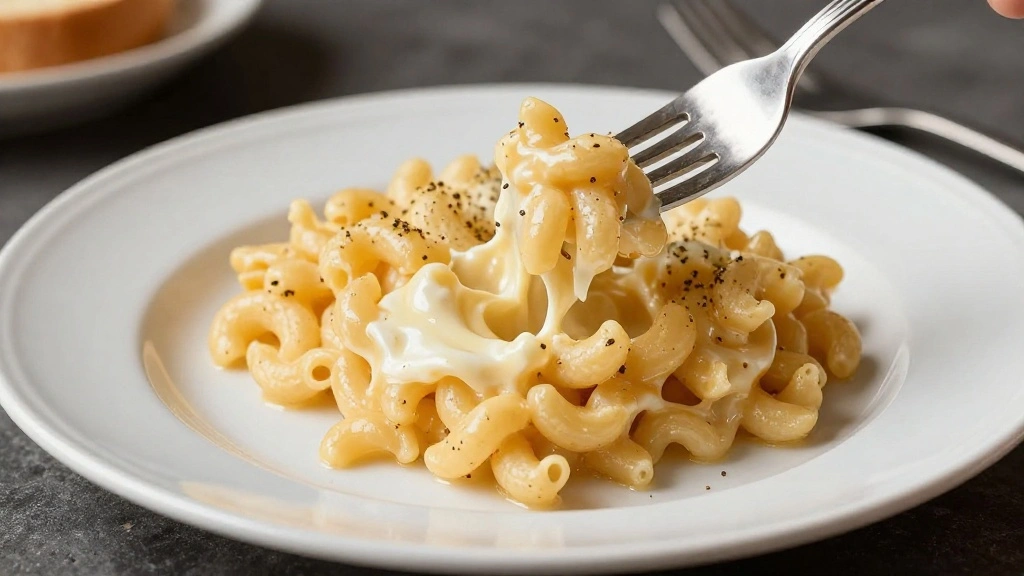
Now that you're equipped with the secrets to making the creamiest homemade mac and cheese, it's time to get cooking.
Remember, the key lies in the quality of ingredients and mastering the simple techniques outlined.
Whether you're a seasoned chef or a kitchen novice, this recipe promises delicious results every time.
So gather your ingredients, preheat your oven, and dive into the comforting world of homemade mac and cheese.