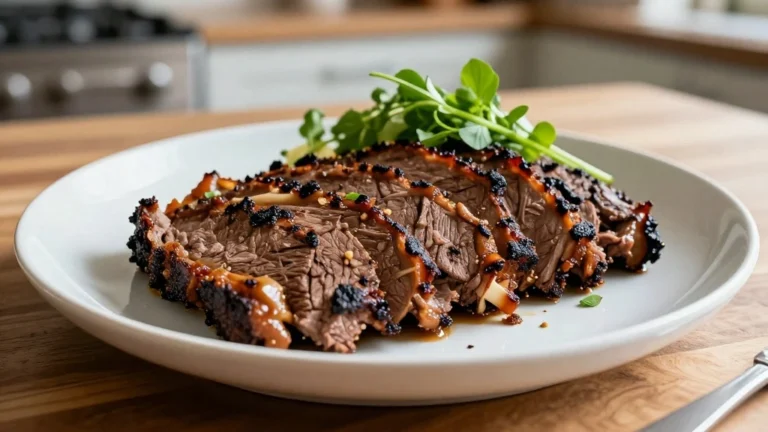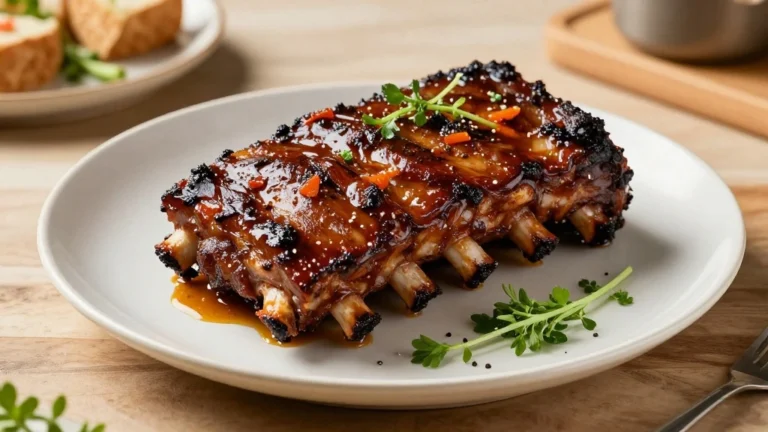
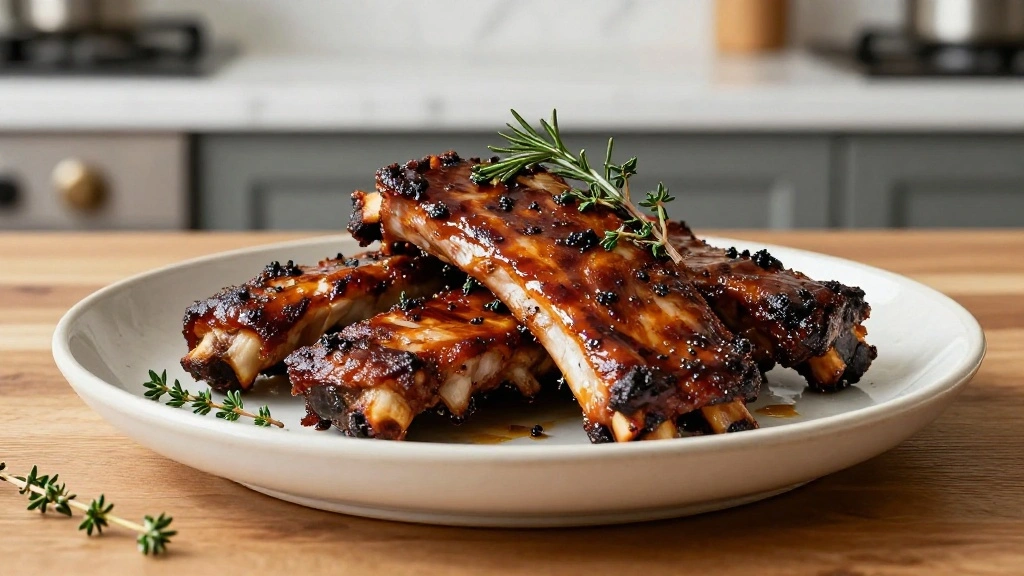
How to Make the Ultimate BBQ Ribs: Tender, Juicy, and Flavorful
BBQ ribs are the epitome of summer gatherings, offering a delicious mix of tenderness and robust flavors.
The smoky aroma combined with a tangy, sweet glaze makes them irresistible.
I fell in love with this dish during a backyard cookout, where the ribs were the star of the feast.
Perfect for both casual cookouts and festive celebrations, these ribs promise to delight every palate.
With this recipe, you’ll achieve tender, juicy ribs that fall off the bone, leaving everyone craving more.
The History and Cultural Significance
• The Ultimate BBQ traces its origins to the Southern United States, where it was originally created by African American pitmasters perfecting the art of slow cooking.
• The dish evolved over decades as new marinades and smoking techniques were introduced, eventually becoming the beloved version we know today.
• In Southern culture, this dish traditionally appears at family gatherings and summer cookouts, symbolizing community and celebration.
• While many variations exist across different regions, the authentic version maintains a slow-cooked tenderness that sets it apart from imitations.
Recipe Overview
Nutritional Information (per serving)
Essential Equipment Guide
Smoker or Grill: Essential for infusing the ribs with a smoky flavor, which is key to achieving authentic BBQ ribs. Alternatives include a charcoal grill with wood chips or a gas grill with a smoker box.
Meat Thermometer: Important for ensuring the ribs are cooked to the perfect internal temperature. Look for digital thermometers with quick-read capabilities.
Sharp Knife: Necessary for trimming excess fat and separating ribs. A sharp, well-balanced knife ensures clean cuts and safer handling.
Ingredients
For the Ribs
|
| Amount | Ingredient | Notes |
|---|---|---|
| 2 racks | baby back ribs | trimmed of excess fat |
| 2 tablespoons | olive oil | for coating |
For the Dry Rub
| Amount | Ingredient | Notes |
|---|---|---|
| 1 tablespoon | paprika | adds smokiness |
| 1 tablespoon | brown sugar | for caramelization |
| 1 teaspoon | black pepper | for heat |
| 1 teaspoon | garlic powder | for depth of flavor |
| 1 teaspoon | onion powder | for savoriness |
For the Sauce
| Amount | Ingredient | Notes |
|---|---|---|
| 1 cup | ketchup | base for sauce |
| 1/2 cup | apple cider vinegar | adds tanginess |
| 1/4 cup | molasses | for sweetness |
| 1 tablespoon | Worcestershire sauce | adds umami |
| 1 teaspoon | liquid smoke | for extra smoky flavor |
Preparation Methods
Dry Rub Application: This technique involves coating the ribs with a mixture of spices to enhance flavor. Ensure the rub is evenly distributed and massaged into the meat for best results.
Slow Smoking: A critical technique for achieving the tender texture and smoky flavor. Maintain a consistent low temperature and use hardwood chips for optimal results.
Sauce Glazing: This involves applying a sauce towards the end of cooking to create a sticky, flavorful coating. Apply multiple layers for depth and allow each to caramelize slightly before adding the next.
Step 1: Prepare Ingredients
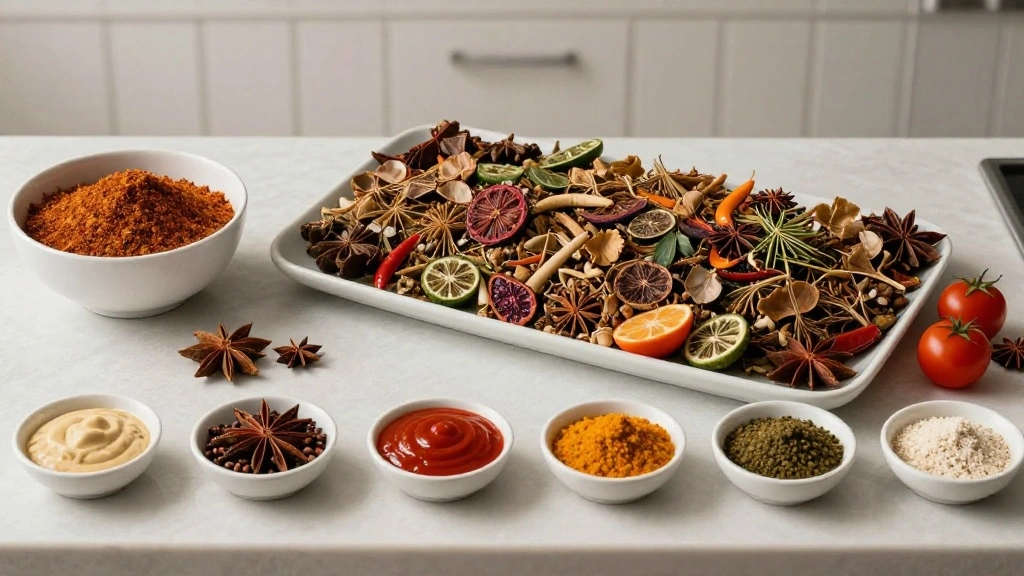
Start by gathering all required ingredients and equipment.
Trim the ribs of any excess fat and membrane.
Ensure the dry rub and sauce ingredients are measured out and ready.
Organize your workspace for efficient cooking.
Step 2: Apply the Dry Rub
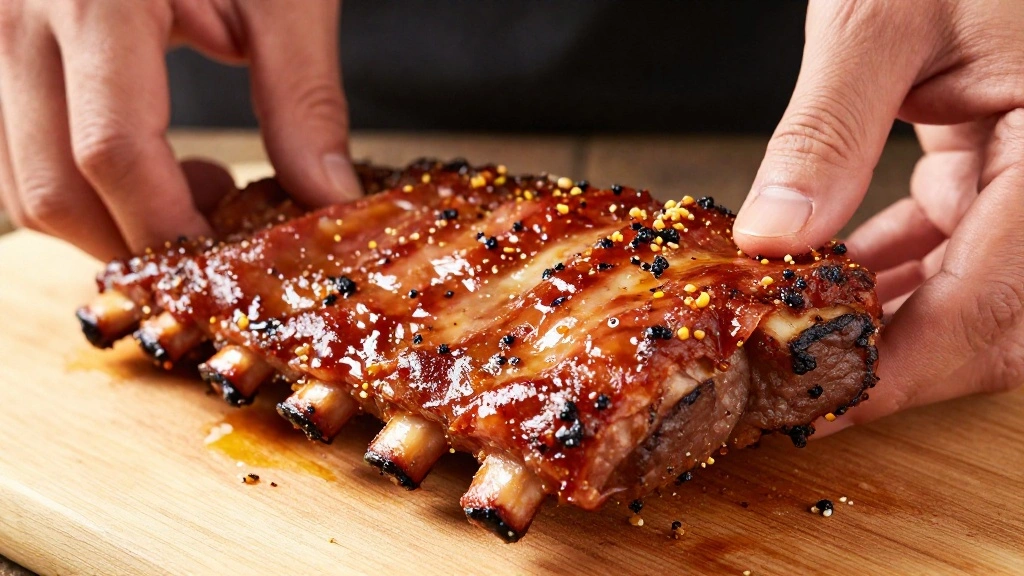
Coat the ribs with olive oil to help the rub adhere.
Evenly sprinkle the dry rub over both sides of the ribs.
Massage the spices into the meat to ensure full coverage.
Let the ribs rest at room temperature for 30 minutes.
Step 3: Preheat the Smoker
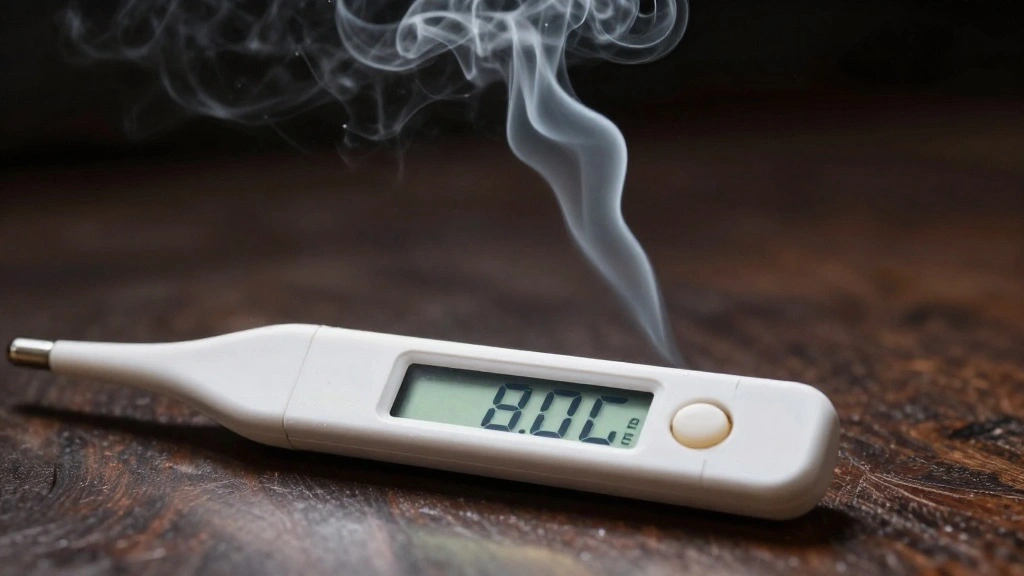
Set your smoker to 225°F for optimal low and slow cooking.
Add your preferred wood chips to the smoker for flavor.
Allow the smoker to reach a stable temperature before adding ribs.
Ensure the smoke is consistently flowing for best results.
Step 4: Smoke the Ribs
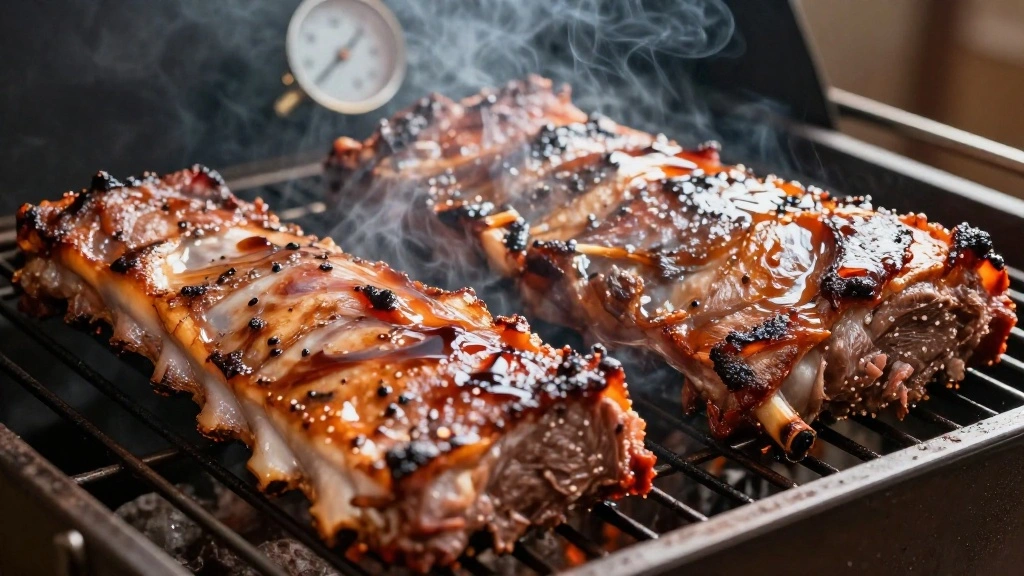
Place the ribs, bone-side down, onto the smoker grates.
Close the lid and maintain a consistent temperature of 225°F.
Smoke the ribs for approximately 3 hours, checking every hour.
Look for a rich brown color and the bones starting to show.
Step 5: Prepare the Sauce
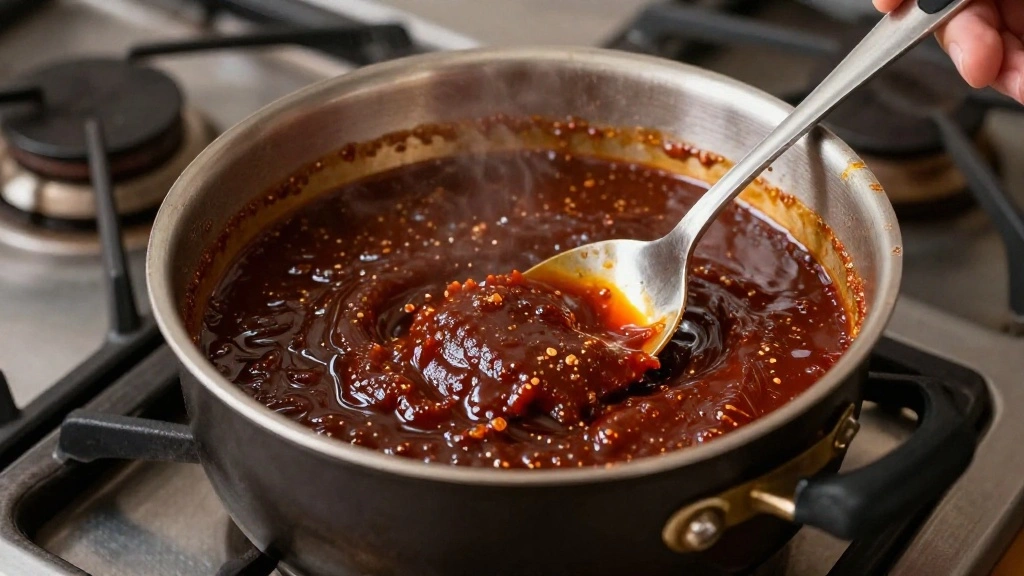
Combine all sauce ingredients in a saucepan.
Bring the mixture to a simmer over medium heat.
Stir occasionally to prevent sticking and ensure even cooking.
Cook until the sauce thickens slightly and flavors meld.
Step 6: Glaze the Ribs
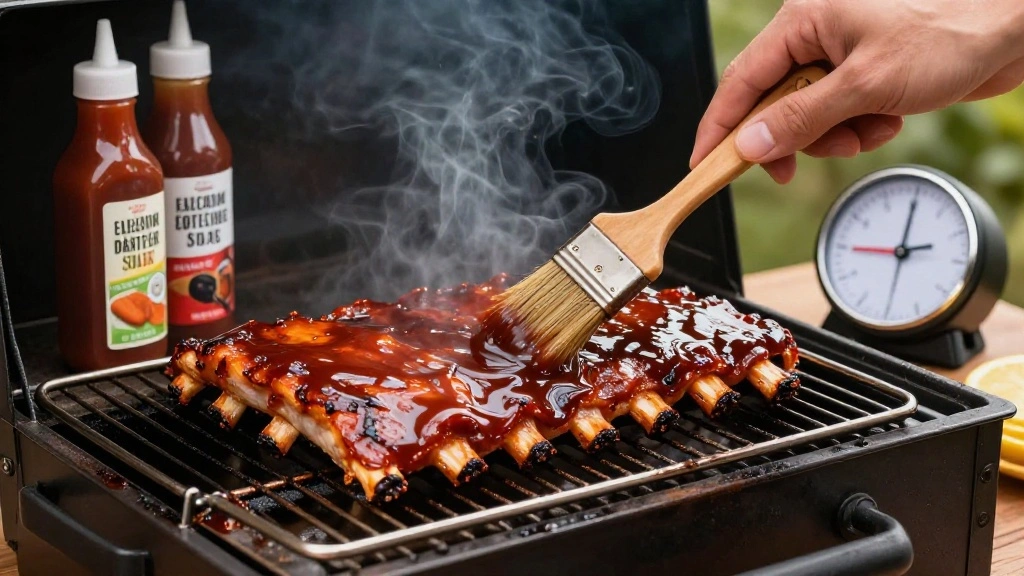
After 3 hours, brush the ribs with a generous layer of sauce.
Close the smoker lid and continue cooking for 30 minutes.
Repeat the glazing process every 10 minutes.
Allow each layer to caramelize slightly before adding the next.
Step 7: Check for Doneness

Insert a meat thermometer into the thickest part of the ribs.
The internal temperature should reach 190°F for tender results.
Look for the meat pulling back from the bones slightly.
The ribs should be easily pliable but not falling apart.
Step 8: Rest and Serve
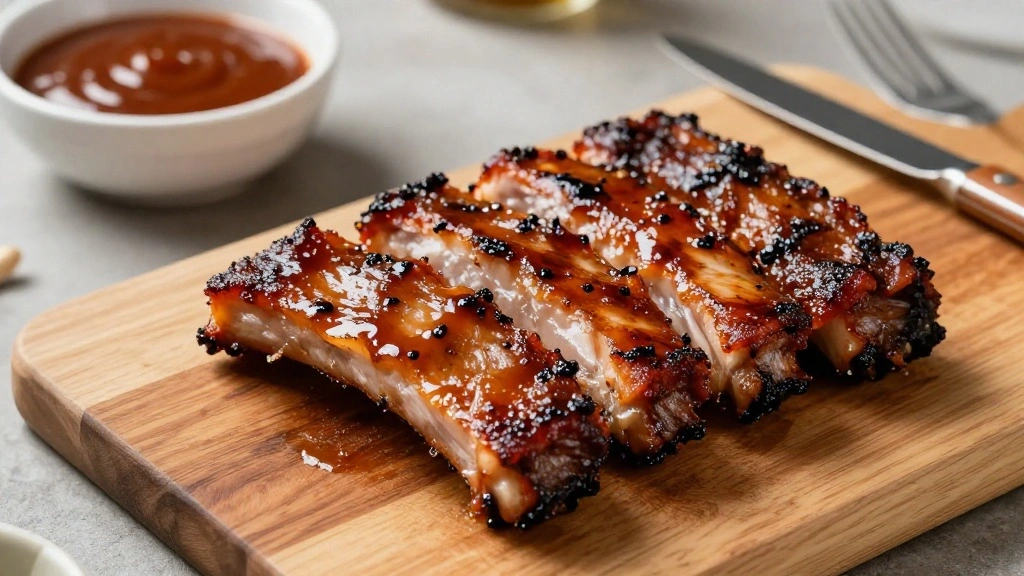
Remove the ribs from the smoker and let them rest for 10 minutes.
This allows juices to redistribute for maximum flavor.
Slice the ribs between the bones for individual servings.
Serve with extra sauce on the side for dipping.
Critical Timing and Temperature Guide
Smoking Process: Maintain a temperature of 225°F for 3 hours, ensuring a consistent smoke flow. Avoid opening the smoker too often to prevent temperature fluctuations.
Sauce Glazing: Apply sauce every 10 minutes during the last 30 minutes of smoking. Look for a glossy finish as an indicator of caramelization.
Final Temperature Check: Ribs are done when the internal temperature reaches 190°F. Avoid overcooking to prevent dryness; ribs should be tender but not falling apart.
Pro Tips for the Ultimate BBQ
• Ingredient Selection: Choose high-quality, fresh baby back ribs for the best texture and flavor. Look for ribs with even marbling and pinkish color.
• Preparation Secret: Let the dry rub sit on the ribs for at least 30 minutes before cooking to allow flavors to penetrate deeply.
• Temperature Management: Keep the smoker at a steady 225°F to ensure even cooking and avoid drying out the meat.
• Texture Enhancement: Use a combination of smoke and steam by placing a water pan in the smoker to keep the ribs moist.
• Flavor Layering: Apply multiple layers of sauce towards the end of cooking to build a complex, rich flavor profile.
• Make-Ahead Strategies: Prepare the dry rub and sauce a day in advance to save time and enhance flavor development.
• Restaurant-Quality Finishing Touches: Garnish with freshly chopped herbs, such as parsley or cilantro, for a burst of color and freshness.
• Equipment Optimization: Use a dual-probe thermometer to monitor both the smoker temperature and the internal meat temperature simultaneously.
Troubleshooting Common Issues
• Ribs Too Tough: This is often caused by undercooking or cooking at too high a temperature. Ensure the internal temperature reaches 190°F and maintain a low, steady smoker temperature.
• Flavors Unbalanced: Overpowering flavors can result from too much of one spice. Adjust spice quantities in the rub to balance sweetness, saltiness, and heat.
• Dry Meat: This can occur if the ribs are overcooked or cooked without moisture. Use a water pan in the smoker and avoid cooking beyond 195°F.
• Burnt Sauce: Applying sauce too early can lead to burning due to the sugar content. Only apply sauce during the last 30 minutes of cooking.
• Uneven Cooking: Caused by inconsistent smoker temperatures. Use a reliable thermometer and adjust vents to maintain an even heat distribution.
Variations and Regional Differences
• Memphis-Style Ribs: Characterized by a dry rub without sauce, focusing on the spice blend for flavor. Often served with sauce on the side.
• Kansas City-Style Ribs: Known for a thick, sweet, and tangy tomato-based sauce applied throughout cooking, creating a sticky glaze.
• Texas-Style Ribs: Emphasizes a simple rub of salt and pepper, letting the natural flavor of the meat and smoke shine through.
• Carolina-Style Ribs: Features a vinegar-based sauce with a spicy kick, often using mustard for added depth.
Food Science Behind the Recipe
• Maillard Reaction: The browning of the meat and caramelization of sugars in the sauce occur through the Maillard reaction, enhancing flavor and aroma.
• Collagen Breakdown: Slow cooking at low temperatures breaks down collagen in the meat, resulting in tender, juicy ribs.
• Smoke Penetration: Smoke particles adhere to the meat surface, imparting a smoky flavor that is absorbed during the cooking process.
Frequently Asked Questions
What's the most common mistake people make when preparing BBQ ribs? Overcooking or undercooking, resulting in tough or dry ribs. Always monitor internal temperature.
Can I use a gas grill instead of a smoker? Yes, with a smoker box or foil pouch with wood chips to achieve a smoky flavor.
What's the best wood to use for smoking ribs? Hickory and applewood are popular choices for a balanced smoky-sweet flavor.
How do I know when the ribs are done? The ribs are done when they reach an internal temperature of 190°F and the meat pulls back from the bones.
Can I prepare the ribs ahead of time? Yes, the dry rub and sauce can be prepared a day in advance, and the ribs can be prepped and stored in the refrigerator.
How do I keep the ribs from drying out? Use a water pan in the smoker and maintain a low, steady temperature.
Is there a vegetarian alternative to this recipe? Yes, you can use large portobello mushrooms or jackfruit as a substitute, applying the same rub and sauce.
Serving and Presentation Guide
• Traditional Presentation: Serve ribs on a large wooden board with sauce on the side and a garnish of fresh herbs.
• Casual BBQ Setting: Arrange ribs on a platter lined with parchment paper, accompanied by pickles and coleslaw.
• Elegant Plating: Slice ribs individually and stack them artistically on a white plate, drizzling sauce artistically around the edge.
• Family Style: Serve in a large, rustic dish with additional sides like cornbread and beans for a communal feast.
Conclusion
Embark on a culinary adventure with this Ultimate BBQ Ribs recipe and impress your friends and family.
The combination of tender meat, smoky aroma, and rich flavors will make these ribs a staple at your gatherings.
Don't hesitate to experiment with different woods and sauces to find your signature style.
Enjoy the satisfaction of mastering a classic BBQ dish that never fails to delight.