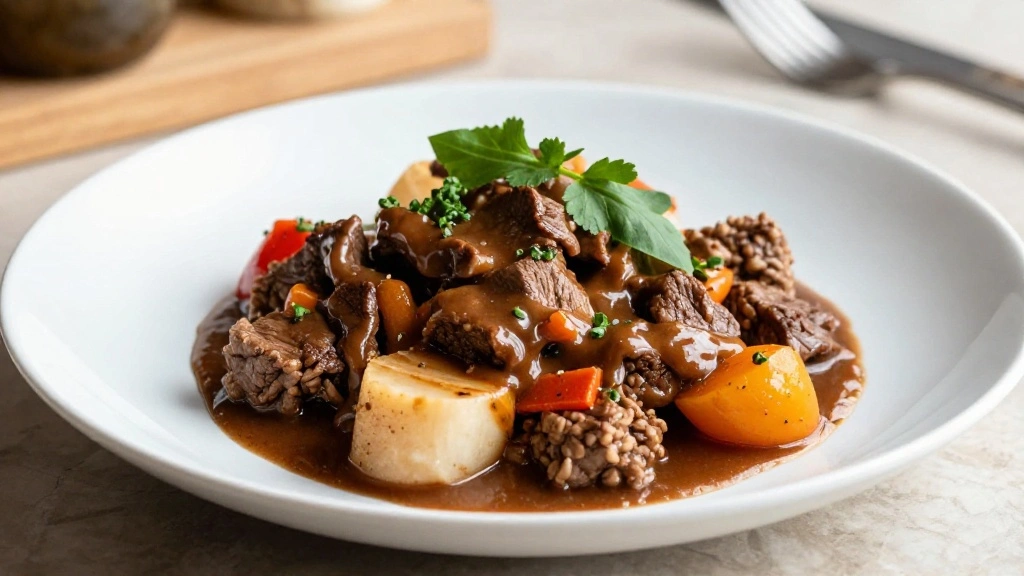
How to Make Classic Beef Stroganoff: A Comfort Food Winner
This classic Beef Stroganoff brings together centuries of culinary tradition with modern techniques to create a dish that’s both comforting and elegant.
The harmonious balance of tender beef, earthy mushrooms, and a creamy sauce creates a memorable dining experience that will have everyone asking for your secret.
I discovered this recipe during my travels through Russia, where local chefs have perfected it through generations of careful refinement.
Whether you’re preparing a casual family dinner or hosting a special celebration, this Beef Stroganoff delivers impressive results with straightforward preparation.
The History and Cultural Significance
• Classic Beef Stroganoff traces its origins to 19th-century Russia, where it was originally created by a French chef working for the Stroganoff family.
• The dish evolved over decades as different regions added their local ingredients, eventually becoming the beloved version we know today.
• In Russian culture, this dish traditionally appears at festive gatherings, symbolizing warmth and hospitality.
• While many variations exist across different regions, the authentic version maintains a creamy sauce balanced with tender beef that sets it apart from imitations.
Recipe Overview
Nutritional Information (per serving)
Essential Equipment Guide
Cast Iron Skillet: A heavy skillet is crucial for achieving a good sear on the beef, which adds depth to the flavor. Alternatives like stainless steel can work, but ensure it can withstand high heat.
Chef’s Knife: A sharp, versatile knife is essential for slicing beef and chopping vegetables uniformly. Consider a knife with a comfortable grip and a 6-8 inch blade for control.
Wooden Spoon: Ideal for stirring the sauce without scratching your pans, a wooden spoon provides gentle handling. Silicone spatulas can be used as an alternative for high-heat resistance.
Ingredients
For the Base
| Amount | Ingredient | Notes |
|---|---|---|
| 1 lb | beef sirloin | sliced into thin strips for tenderness |
| 2 tablespoons | olive oil | for searing the beef |
For the Sauce
| Amount | Ingredient | Notes |
|---|---|---|
| 1 cup | sour cream | adds creaminess |
| 1 cup | beef broth | for depth of flavor |
| 2 tablespoons | all-purpose flour | thickens the sauce |
Vegetables
| Amount | Ingredient | Notes |
|---|---|---|
| 1 cup | mushrooms | sliced, earthy flavor |
| 1 large | onion | finely chopped |
Seasonings
| Amount | Ingredient | Notes |
|---|---|---|
| 1 teaspoon | salt | enhances flavor |
| 1 teaspoon | black pepper | adds spice |
| 1 tablespoon | Dijon mustard | for subtle tang |
Preparation Methods
Searing: Searing the beef locks in juices and builds flavor through the Maillard reaction. Ensure the pan is hot before adding the beef, and don't overcrowd the pan to avoid steaming.
Deglazing: This technique involves adding liquid to the hot pan to lift browned bits. It intensifies the sauce's flavor and should be done quickly with beef broth right after searing.
Simmering: Letting the sauce simmer gently allows it to thicken and flavors to meld. Keep the heat low to prevent the sour cream from curdling and stir occasionally.
Step 1: Prepare Ingredients
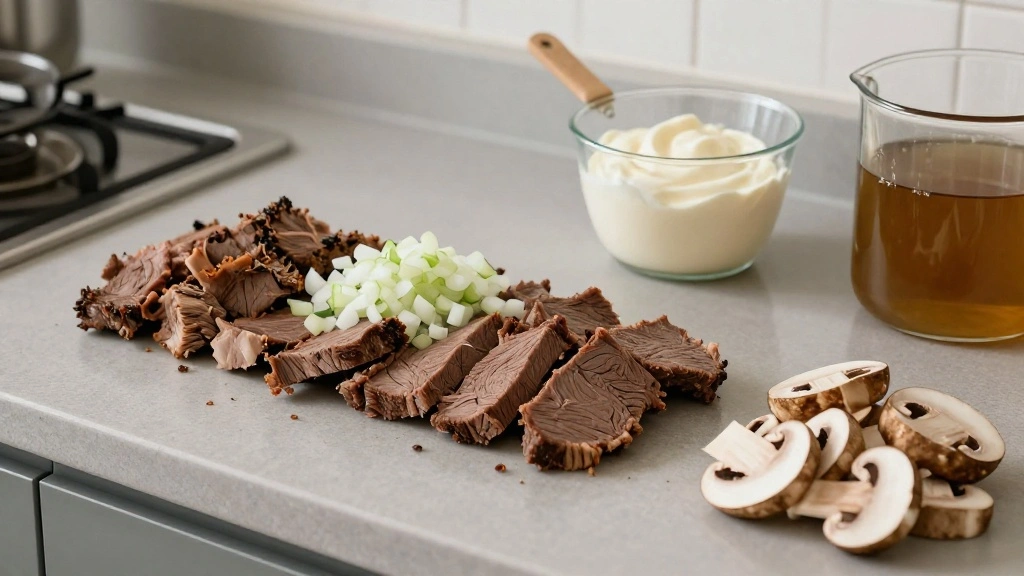
Slice beef sirloin into thin strips.
Chop onions finely and slice mushrooms.
Measure out sour cream, beef broth, and other ingredients.
Ensure everything is prepped before cooking begins.
Step 2: Sear the Beef
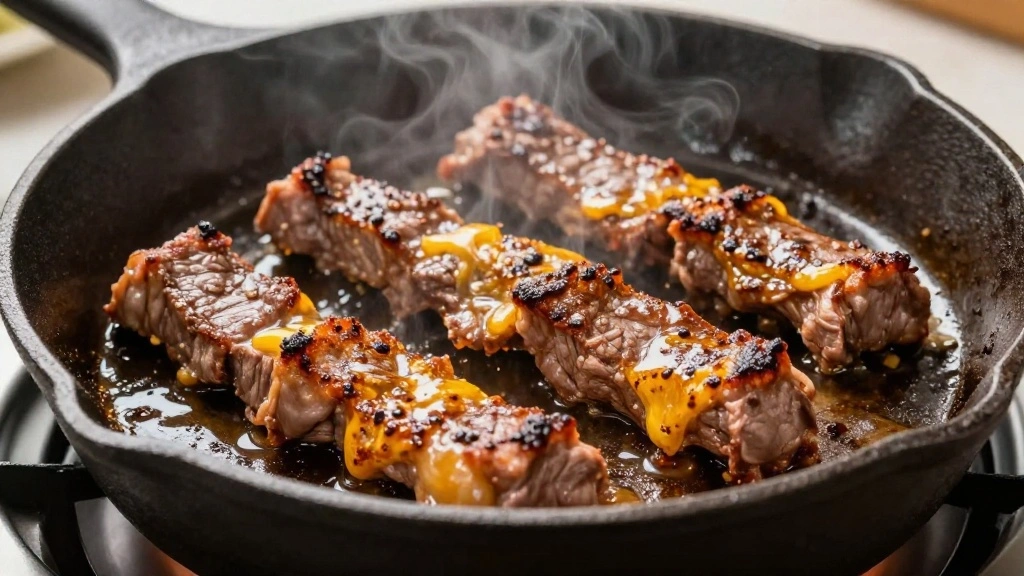
Heat olive oil in a cast iron skillet over medium-high heat.
Add beef strips in a single layer without overcrowding.
Sear until browned on all sides, about 2-3 minutes per side.
Transfer beef to a plate and set aside.
Step 3: Cook the Vegetables
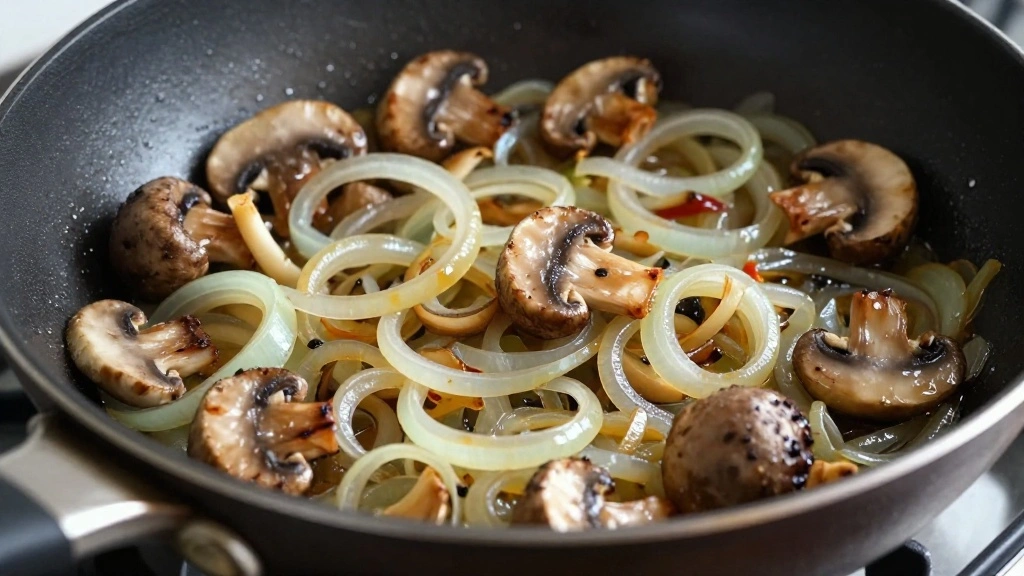
Reduce heat to medium and add onions to the skillet.
Cook until softened, about 5 minutes, stirring occasionally.
Add mushrooms and continue to cook until tender.
Ensure vegetables are evenly cooked and lightly browned.
Step 4: Deglaze the Pan
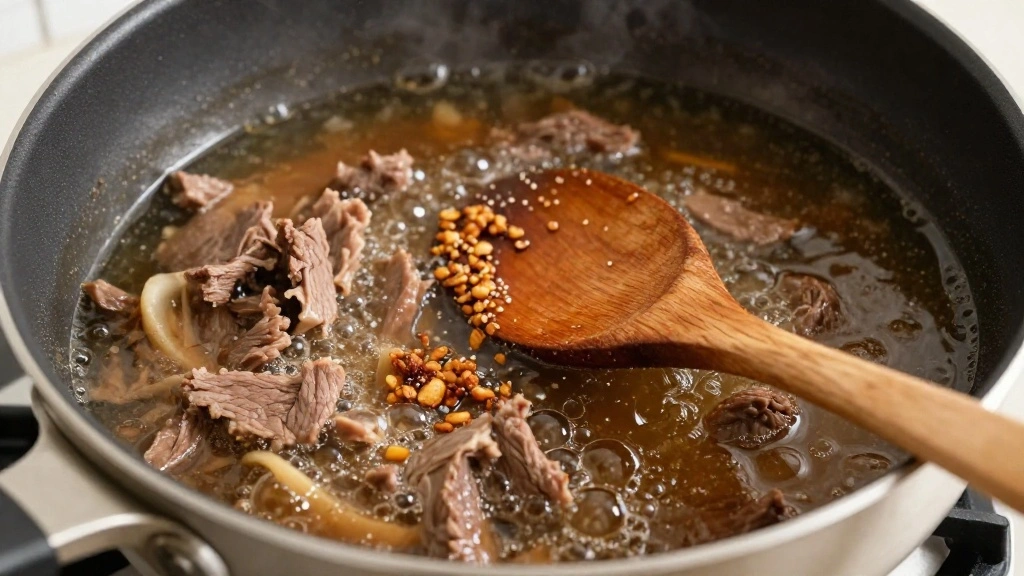
Pour in beef broth to deglaze the pan.
Scrape up any browned bits from the bottom with a wooden spoon.
Allow broth to simmer and reduce slightly.
This process will lift all the flavorful bits into the sauce.
Step 5: Create the Sauce
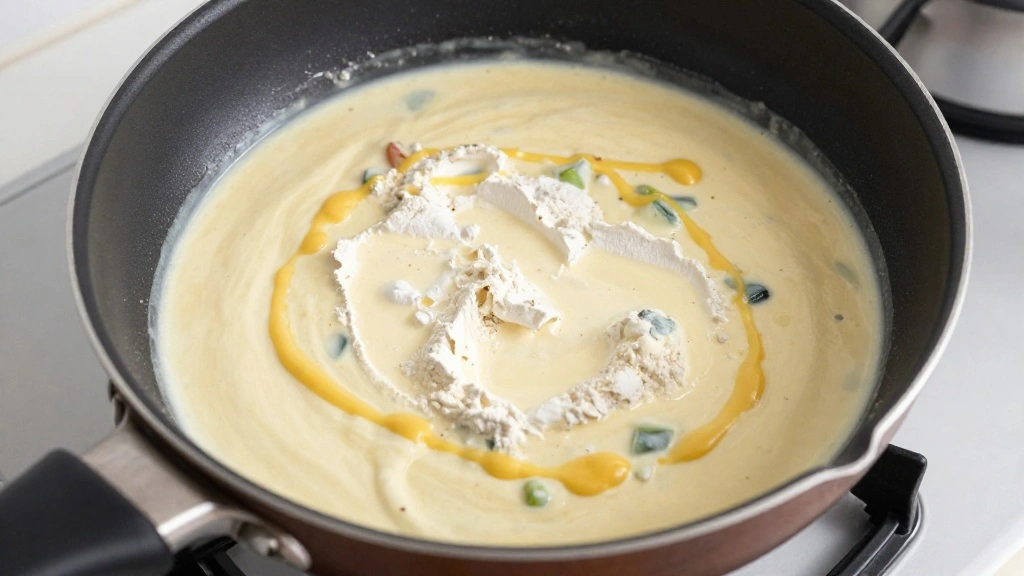
Sprinkle flour over the vegetable mixture.
Stir continuously to incorporate the flour.
Add sour cream and Dijon mustard, mixing well.
Simmer until the sauce thickens and is smooth.
Step 6: Combine Beef and Sauce
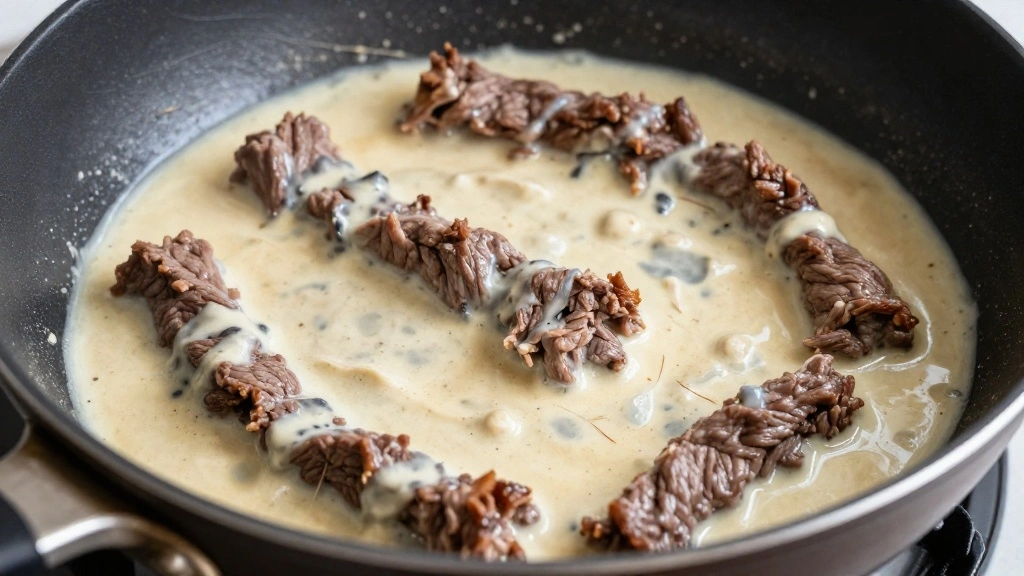
Return the seared beef to the skillet with the sauce.
Ensure all beef strips are coated in the sauce.
Simmer gently for 5-7 minutes to heat through.
This will allow the beef to absorb the flavors of the sauce.
Step 7: Adjust Seasoning
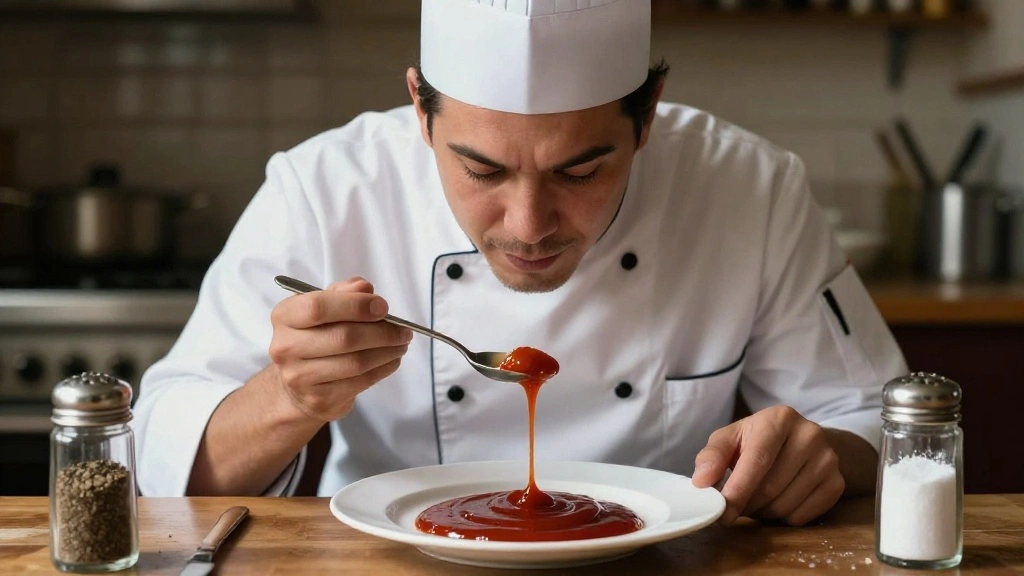
Taste the sauce and adjust seasoning with salt and pepper.
Add more mustard if a tangier flavor is desired.
Stir well to incorporate any additional spices.
Ensure the flavor profile is balanced before serving.
Step 8: Serve the Stroganoff
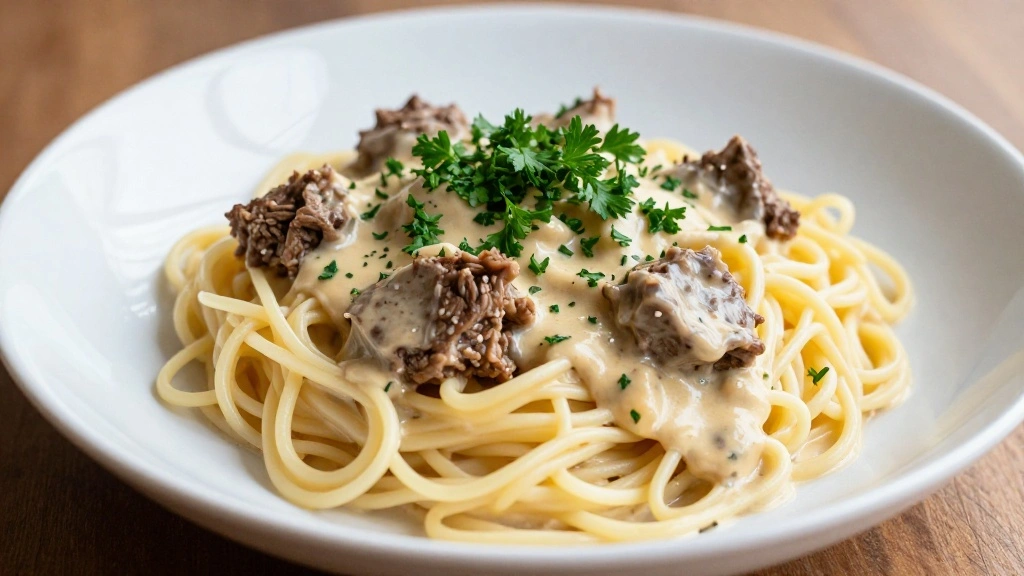
Prepare a bed of egg noodles or rice on each plate.
Spoon the beef stroganoff over the noodles.
Garnish with fresh parsley for color and freshness.
Serve immediately while hot.
Critical Timing and Temperature Guide
Searing Beef: Sear at medium-high heat for 2-3 minutes per side. Look for a golden-brown crust and avoid overcrowding to prevent steaming.
Simmering Sauce: Simmer on low heat until sauce thickens, about 5-7 minutes. Watch for a smooth consistency and avoid high heat to prevent curdling.
Serving Temperature: Serve the dish hot, ideally around 140°F, to enhance the creaminess and flavor release. Avoid letting it cool too much before serving.
Pro Tips for Classic Beef Stroganoff
• Ingredient Selection: Choose high-quality beef sirloin or tenderloin for the best tenderness and flavor.
• Preparation Secret: Marinate beef strips in a little soy sauce for extra umami before searing.
• Temperature Management: Ensure the pan is adequately heated before searing beef to achieve a proper crust.
• Texture Enhancement: Use sour cream at room temperature to prevent curdling and achieve a smooth sauce.
• Flavor Layering: Incorporate a splash of Worcestershire sauce for additional depth of flavor.
• Make-Ahead Strategies: Cook the beef and sauce separately, combining just before serving, and store in the fridge for up to 2 days.
• Restaurant-Quality Finishing Touches: Garnish with fresh parsley and a sprinkle of paprika for a vibrant presentation.
• Equipment Optimization: Utilize the heavy-duty skillet for even heat distribution and better flavor development.
Troubleshooting Common Issues
• Sauce Too Thin: If the sauce is too thin, simmer longer to reduce or add a slurry of flour and water.
• Beef Too Tough: Overcooked beef can become tough; ensure to sear quickly and simmer gently.
• Sauce Curdling: Curdling occurs if heat is too high; maintain a low simmer after adding sour cream.
• Lack of Flavor: Ensure proper seasoning and consider adding more mustard or Worcestershire sauce.
• Sauce Too Thick: Thin with a little beef broth if the sauce becomes overly thick during simmering.
Variations and Regional Differences
• French Style: Includes a touch of red wine and crème fraîche instead of sour cream, offering a richer flavor.
• American Version: Often served over egg noodles with the addition of garlic and bell peppers.
• Swedish Twist: Features a hint of allspice and lingonberry jam served alongside for a sweet contrast.
• Vegetarian Adaptation: Uses mushrooms and tofu instead of beef, with vegetable broth for the sauce.
Food Science Behind the Recipe
• Maillard Reaction: Searing the beef at high temperatures creates complex flavors and aromas through the Maillard reaction.
• Emulsification: The combination of sour cream with flour helps stabilize the sauce, preventing separation.
• Flavor Compound Interaction: The proteins in beef and the acids in mustard interact to release savory umami flavors.
Frequently Asked Questions
What's the most common mistake people make when preparing Beef Stroganoff? Overcooking the beef, leading to tough texture, is a common issue. Searing quickly on high heat helps avoid this.
Can I use a different cut of beef? Yes, but choose tender cuts like tenderloin or ribeye for optimal results.
Is there a dairy-free version? Substitute sour cream with coconut milk for a dairy-free alternative.
Can I make this in a slow cooker? Yes, but sear the beef first for best flavor, then cook on low for 6-8 hours.
How do I store leftovers? Store in an airtight container in the fridge for up to 3 days. Reheat gently to avoid sauce separation.
Can I freeze Beef Stroganoff? Freezing is possible, but the texture of sour cream may change slightly. Thaw and reheat gently.
What can I serve with Beef Stroganoff? Serve with egg noodles, mashed potatoes, or rice for a complete meal.
Serving and Presentation Guide
• Traditional Presentation: Serve over a bed of egg noodles or rice, garnished with fresh parsley and a sprinkle of paprika.
• Modern Style: Present in a shallow bowl with a side of steamed vegetables for a balanced meal.
• Family Style: Serve in a large serving dish, allowing guests to help themselves, with sides of crusty bread and salad.
• Elegant Plating: Use a ring mold to shape rice or noodles, topping with Stroganoff and garnishing with microgreens.
Conclusion
Making classic Beef Stroganoff at home is a rewarding experience that combines rich flavors and comforting textures.
With these detailed steps and expert tips, you'll be able to create a dish that's sure to impress.
Don't hesitate to experiment with regional variations to find your perfect version.
Enjoy sharing this timeless comfort food with family and friends.