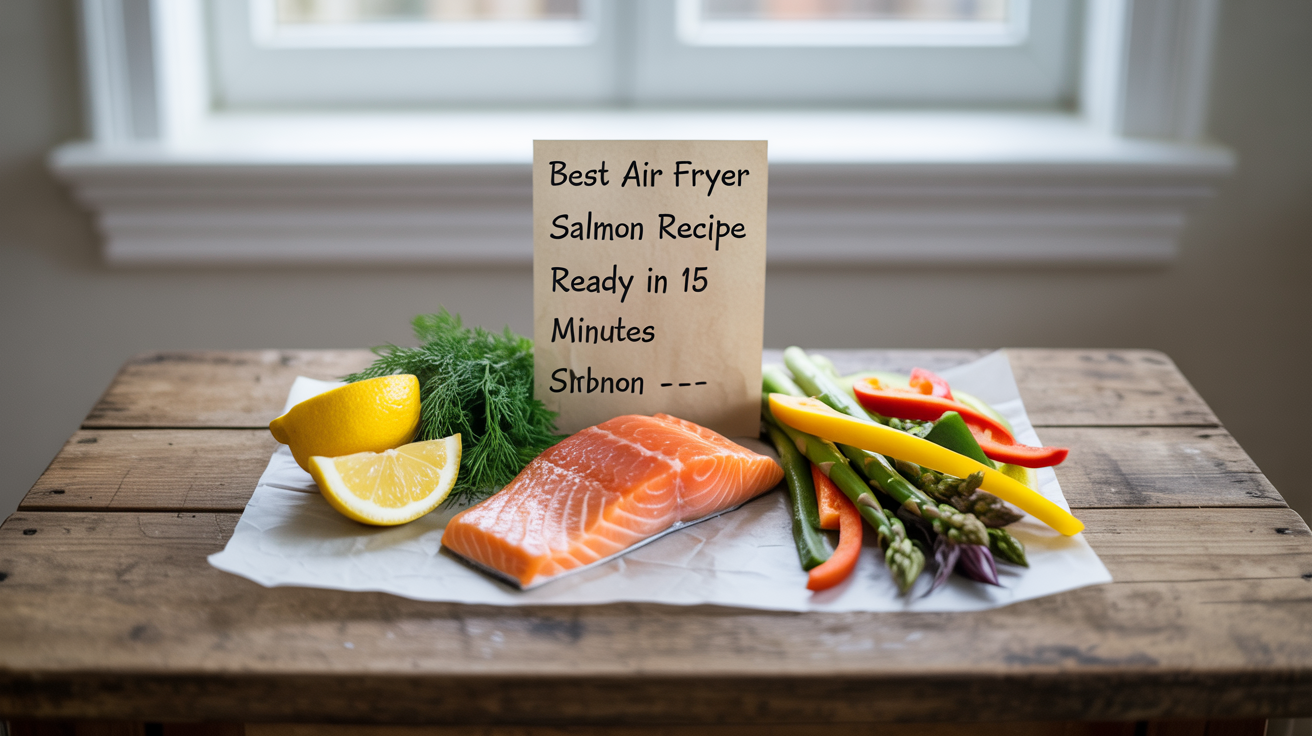
Best Air Fryer Salmon Recipe Ready in 15 Minutes
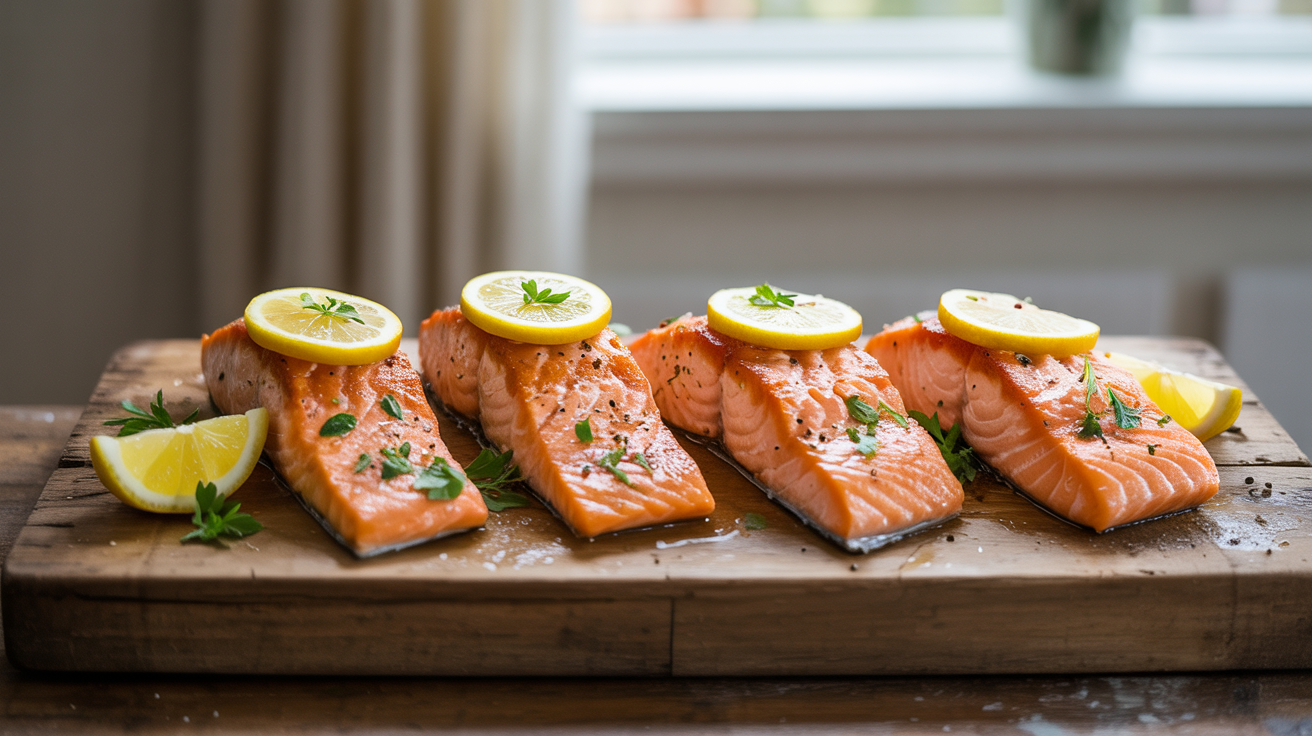
This air fryer salmon recipe is the weeknight dinner hack you have been waiting for, producing restaurant-quality fillets with a beautifully caramelized crust and tender, flaky center every single time. Gone are the days of standing over a hot stove or worrying about overcooking your fish – the air fryer circulates hot air evenly around each fillet, locking in moisture while creating that irresistible golden exterior that every salmon lover craves. Whether you are a seasoned home cook or just getting started in the kitchen, this recipe will become one of your most-reached-for go-tos.
Salmon is one of the most nutritious proteins you can put on your plate, loaded with heart-healthy omega-3 fatty acids, high-quality protein, and essential vitamins like B12 and D. When you cook it in the air fryer, you need very little oil compared to pan-searing or deep frying, which means you get all of that incredible nutrition without any unnecessary added fat. The result is a meal that feels indulgent but is genuinely good for your body, making it a win on every level.
What really sets this recipe apart is the simple but deeply flavorful seasoning blend – a combination of garlic powder, smoked paprika, lemon zest, and fresh herbs that transforms a basic piece of fish into something truly spectacular. You can have this on the table in under 20 minutes from start to finish, which makes it ideal for busy evenings when time is short but you still want something wholesome and satisfying. Trust us, once you try salmon in the air fryer, you will never go back to any other method.
This air fryer salmon recipe delivers perfectly flaky, golden fillets with a crispy exterior in just 15 minutes. Packed with omega-3s, bold seasoning, and zero fuss, it is the healthy weeknight dinner your family will request on repeat starting tonight.
Ingredients
| AMOUNT | INGREDIENT | NOTES |
|---|---|---|
| 4 pieces | salmon fillets | about 6 ounces each, skin-on, pin bones removed |
| 2 tablespoons | olive oil | extra virgin, divided |
| 1 teaspoon | smoked paprika | adds deep color and subtle smokiness |
| 1 teaspoon | garlic powder | or 2 fresh garlic cloves minced into a paste |
| 1 teaspoon | onion powder | balances the garlic flavor |
| 0.5 teaspoon | dried oregano | or Italian seasoning blend |
| 0.5 teaspoon | kosher salt | adjust to taste |
| 0.25 teaspoon | black pepper | freshly ground preferred |
| 1 whole | lemon | zested and sliced into rounds for serving |
| 2 tablespoons | fresh parsley | chopped, for garnish |
| 1 tablespoon | honey | optional, for a sweet and savory glaze |
| 1 teaspoon | Dijon mustard | optional, pairs beautifully with honey for a glaze |
Instructions
Nutrition (per serving)
About This Recipe
Salmon has held a place of cultural and culinary importance for thousands of years, particularly among Indigenous peoples of the Pacific Northwest, Scandinavia, and the British Isles, where wild salmon runs were a cornerstone of both diet and ceremonial life. Native American tribes along the Columbia River and Pacific Coast developed sophisticated techniques for smoking, drying, and preserving salmon, creating traditions that continue to influence how we prepare and celebrate this fish today. In Norway and Scotland, salmon fishing became a major industry by the 18th and 19th centuries, and recipes featuring poached, cured, or roasted salmon became staples of European cuisine.
The modern preparation of air fryer salmon is a distinctly 21st-century innovation born from the rapid rise of countertop air fryer technology, which first gained widespread consumer popularity around 2010. As home cooks began experimenting with their air fryers beyond french fries and chicken wings, salmon quickly emerged as a standout success, with food bloggers and health-focused creators sharing how the appliance could cook fish faster and more consistently than traditional oven methods. Today, air fryer salmon recipes rank among the most searched seafood dishes online, representing a beautiful intersection of ancient culinary tradition and modern cooking convenience.
Ready to Serve
A Closer Look
Pro Tips for Best Results
- Always pat your salmon fillets completely dry before seasoning. Surface moisture creates steam during cooking, which prevents the beautiful caramelized crust from forming. A few seconds with paper towels can make the difference between a golden, restaurant-style fillet and a pale, steamed one.
- Do not skip preheating the air fryer. Most models take 3 to 5 minutes to reach 400 degrees Fahrenheit. Starting with a hot basket ensures the salmon begins cooking immediately on contact, developing better texture and flavor from the very start of the cook time.
- Choose salmon fillets that are as uniform in thickness as possible. If one end of the fillet is much thinner than the other, fold the thin tail end underneath itself to create a more even thickness before seasoning. This prevents the thin end from drying out and overcooking while the thicker portion finishes cooking.
- If you are cooking salmon for meal prep, slightly undercook the fillets by pulling them at 120 degrees Fahrenheit internally. When you reheat them later, they will come up to the correct final temperature without overcooking and drying out. This is the secret to salmon that tastes just as good on day two as it did fresh.
- Fresh salmon will always produce the best results, but if you are using frozen salmon, make sure to thaw it completely in the refrigerator overnight before cooking. Never place frozen fillets directly into the air fryer, as the exterior will cook and dry out long before the interior reaches a safe temperature, resulting in an unevenly cooked, texturally disappointing fillet.
Essential Equipment
Air Fryer: The core appliance that circulates hot air to create a crispy exterior and perfectly cooked interior on every fillet.
Pastry Brush: Allows you to evenly coat each salmon fillet with oil and seasoning for maximum flavor and browning.
Meat Thermometer: Ensures your salmon reaches the ideal internal temperature of 125 to 130 degrees Fahrenheit for a tender, flaky result.
Microplane or Zester: Essential for extracting fresh lemon zest that adds a bright, aromatic punch to the seasoning blend.
Tongs: Makes it easy and safe to place fillets into the hot air fryer basket and remove them without breaking the fish apart.
Small Mixing Bowl: Used to combine the seasoning ingredients into a uniform spice blend before applying it to the salmon.
Variations
Honey Garlic Glaze: Whisk together 2 tablespoons of honey, 1 tablespoon of soy sauce, and 2 minced garlic cloves. Brush generously over the fillets before air frying for a sticky, sweet, and savory glaze that caramelizes beautifully in the high heat of the air fryer.
Lemon Herb Crust: Combine 3 tablespoons of panko breadcrumbs with 1 tablespoon of lemon zest, 1 tablespoon of fresh dill, and 1 teaspoon of olive oil. Press this mixture firmly onto the flesh side of each oiled fillet before cooking for a crispy, herbaceous crust with fresh citrus flavor.
Cajun Spiced Salmon: Replace the spice blend with a bold Cajun seasoning mix of cayenne pepper, paprika, thyme, oregano, onion powder, and garlic powder. This version pairs wonderfully with a cool, creamy remoulade sauce and a side of dirty rice for a Southern-inspired feast.
Asian Sesame Salmon: Marinate the fillets for 15 minutes in a mixture of soy sauce, sesame oil, fresh ginger, rice vinegar, and a touch of brown sugar. Sprinkle sesame seeds over the top before air frying and finish with sliced green onions and a drizzle of sriracha for a vibrant, umami-packed variation.
Mediterranean Style: Season the salmon with za-atar spice blend, drizzle with olive oil, and top each fillet with a few sliced Kalamata olives and cherry tomatoes before cooking. Serve over a bed of pearl couscous with crumbled feta cheese and a dollop of tzatziki for a complete Mediterranean-inspired plate.
Frequently Asked Questions
How do I know when air fryer salmon is done cooking?
The most reliable way to check doneness is with an instant-read thermometer. For medium salmon with a slightly silky center, look for 125 to 130 degrees Fahrenheit. For fully cooked salmon that is opaque throughout, aim for 140 to 145 degrees Fahrenheit. You can also test by pressing the thickest part gently with a fork – perfectly cooked salmon will flake apart in large, moist pieces and will have changed color from deep translucent pink to a lighter, more opaque shade.
Do I need to flip the salmon in the air fryer?
No, you do not need to flip salmon when cooking it skin-side down in the air fryer. The skin acts as a natural protective barrier on the bottom, and the hot circulating air cooks the flesh side from above. Flipping is actually risky because the delicate cooked flesh can easily break apart when handled mid-cook. Simply place your fillets skin-side down and let the air fryer do all the work.
Can I use frozen salmon in the air fryer?
Yes, but for best results you should thaw salmon fillets completely before air frying. Place frozen fillets in the refrigerator overnight or submerge the sealed packaging in cold water for 30 to 45 minutes for a quicker thaw. Cooking from frozen is possible in a pinch – add 5 to 7 extra minutes to the cook time – but the texture and browning will not be as good as a properly thawed fillet.
What temperature should I set my air fryer for salmon?
400 degrees Fahrenheit is the ideal temperature for air fryer salmon. This high heat creates a nicely caramelized exterior quickly while the hot circulating air ensures the interior cooks through without drying out. At lower temperatures the salmon tends to steam rather than sear, resulting in a paler color and softer, less appealing exterior texture.
How long does leftover air fryer salmon keep in the refrigerator?
Leftover cooked salmon will keep in an airtight container in the refrigerator for up to 3 days. To reheat without drying it out, place the fillets back in the air fryer at 325 degrees Fahrenheit for 3 to 4 minutes, or enjoy them cold over a salad, flaked into pasta, or tucked into a wrap. Avoid microwaving if possible, as it tends to make the salmon rubbery and can create a strong fishy smell.
Can I make this recipe with other types of fish?
Absolutely. This seasoning blend and cooking method works beautifully with many other fish fillets. Tilapia, cod, halibut, mahi mahi, and trout are all excellent candidates. Thinner fillets like tilapia will cook in just 6 to 8 minutes, while thicker cuts of halibut may need 12 to 14 minutes. Always use your thermometer to confirm the internal temperature rather than relying solely on time, as fillet thickness varies widely.