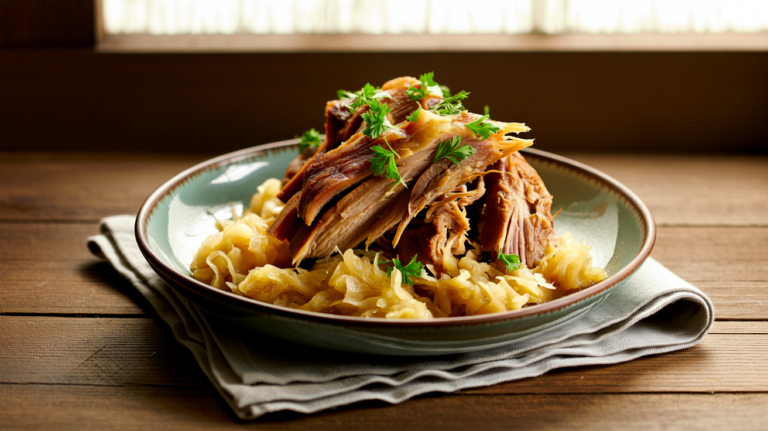
Best Smoked Pulled Pork Recipe (Tender and Juicy)
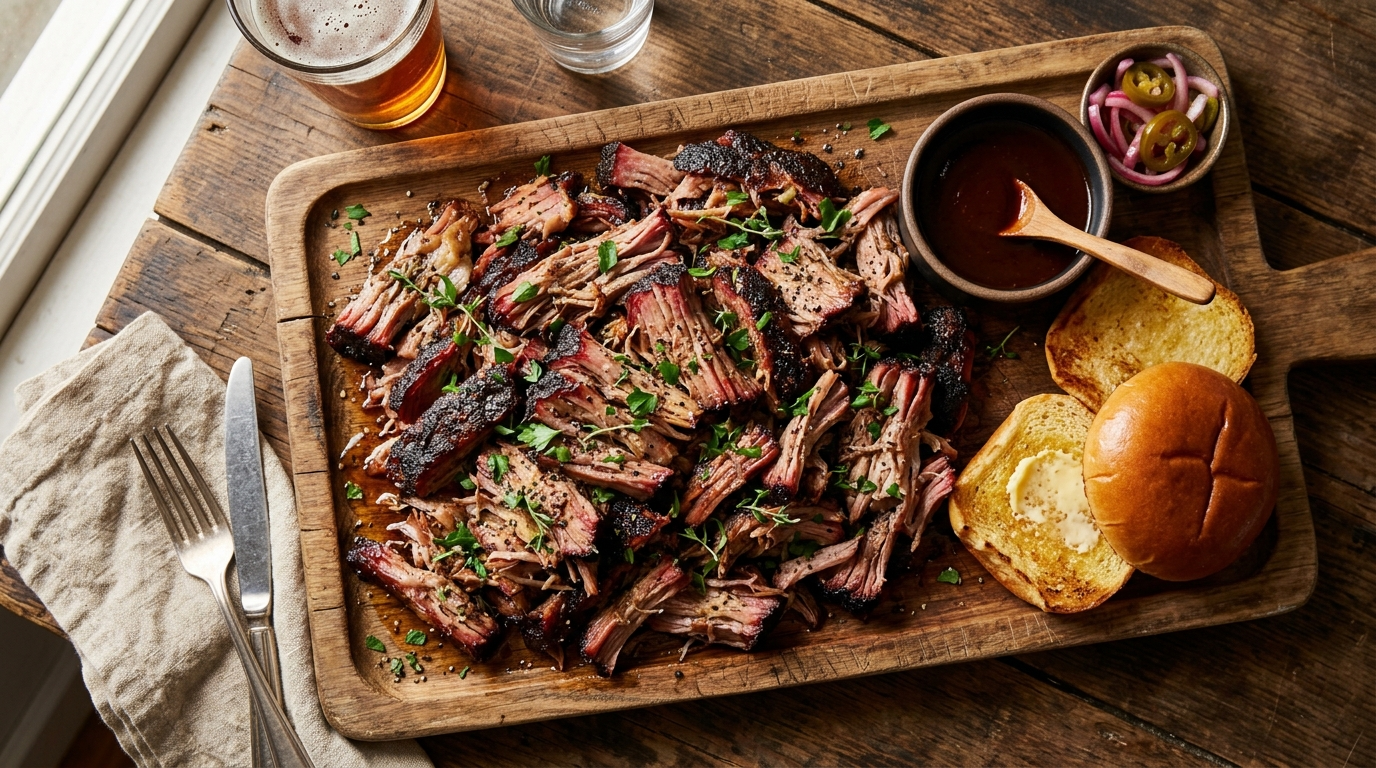
This smoked pulled pork recipe is the ultimate guide to achieving competition-worthy BBQ right in your own backyard, delivering rich smoky flavor, a deep mahogany bark, and meat so tender it practically pulls itself apart. There is something almost magical about the low-and-slow smoking process that transforms a tough pork shoulder into a showstopping centerpiece that has everyone coming back for seconds. Whether you are hosting a summer cookout, feeding a crowd at a tailgate, or simply treating your family to something extraordinary on a weekend, this recipe delivers results that will make you look like a seasoned pitmaster.
The secret to incredible smoked pulled pork lies in three key pillars: a deeply flavorful dry rub, the right wood for smoke, and patience. Rushing the process is the single biggest mistake most beginners make. When you commit to the low-and-slow philosophy and trust the process, the connective tissue in the pork shoulder breaks down into silky gelatin, the fat renders beautifully, and the smoke ring forms that signature pink layer just beneath the bark that every BBQ lover craves. This recipe walks you through every single detail so you can nail it on your very first attempt.
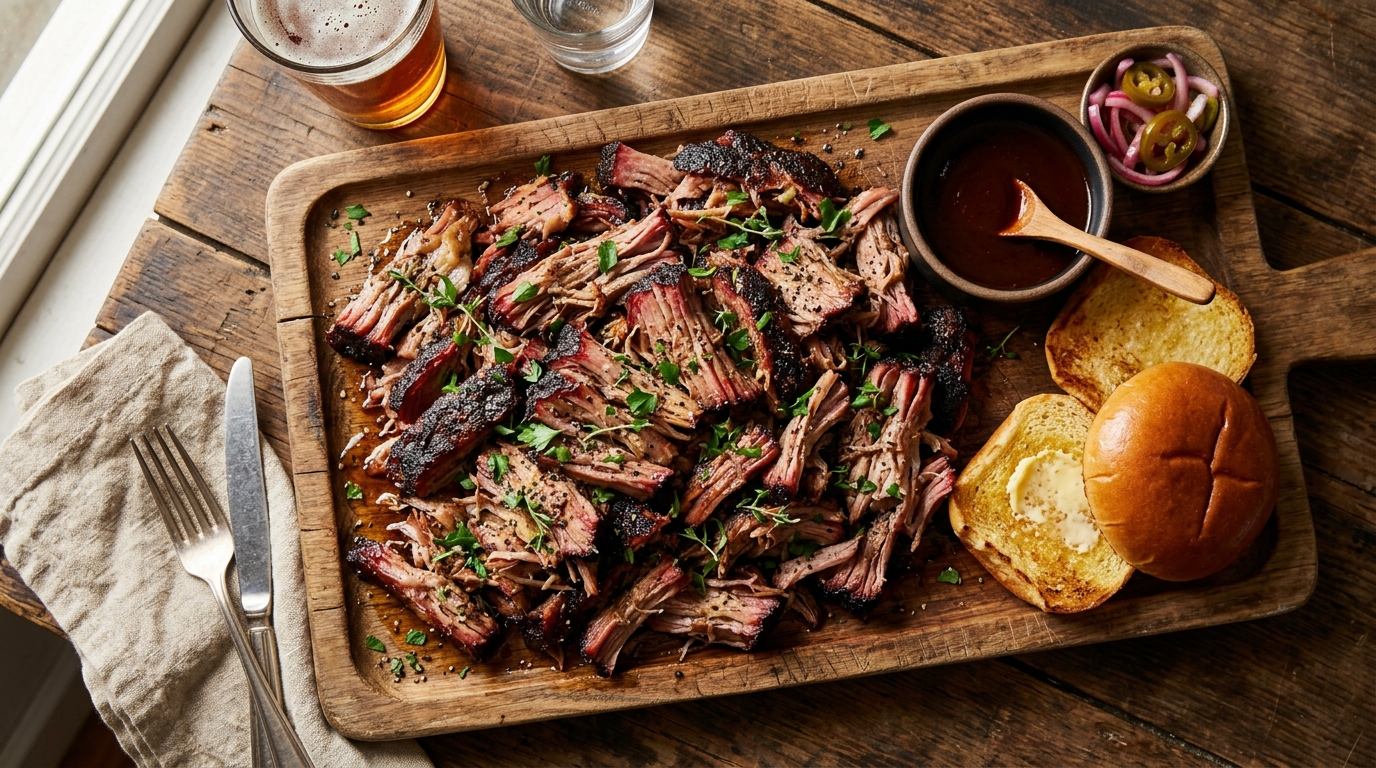
Beyond the incredible flavor, one of the best things about this dish is how forgiving and versatile it is. You can serve smoked pulled pork piled high on brioche buns with coleslaw, tucked into tacos with fresh salsa, layered onto nachos, or simply eaten straight off the cutting board with a fork. It also reheats beautifully and freezes like a dream, making it one of the best cook-once, eat-all-week meals in existence. Once you make this recipe, you will never go back to store-bought BBQ again.
This smoked pulled pork recipe delivers impossibly tender, smoky, fall-apart meat with a gorgeous bark that rivals any BBQ joint. Made with a bold dry rub and slow-smoked to perfection, this is the recipe your backyard gatherings have been waiting for.
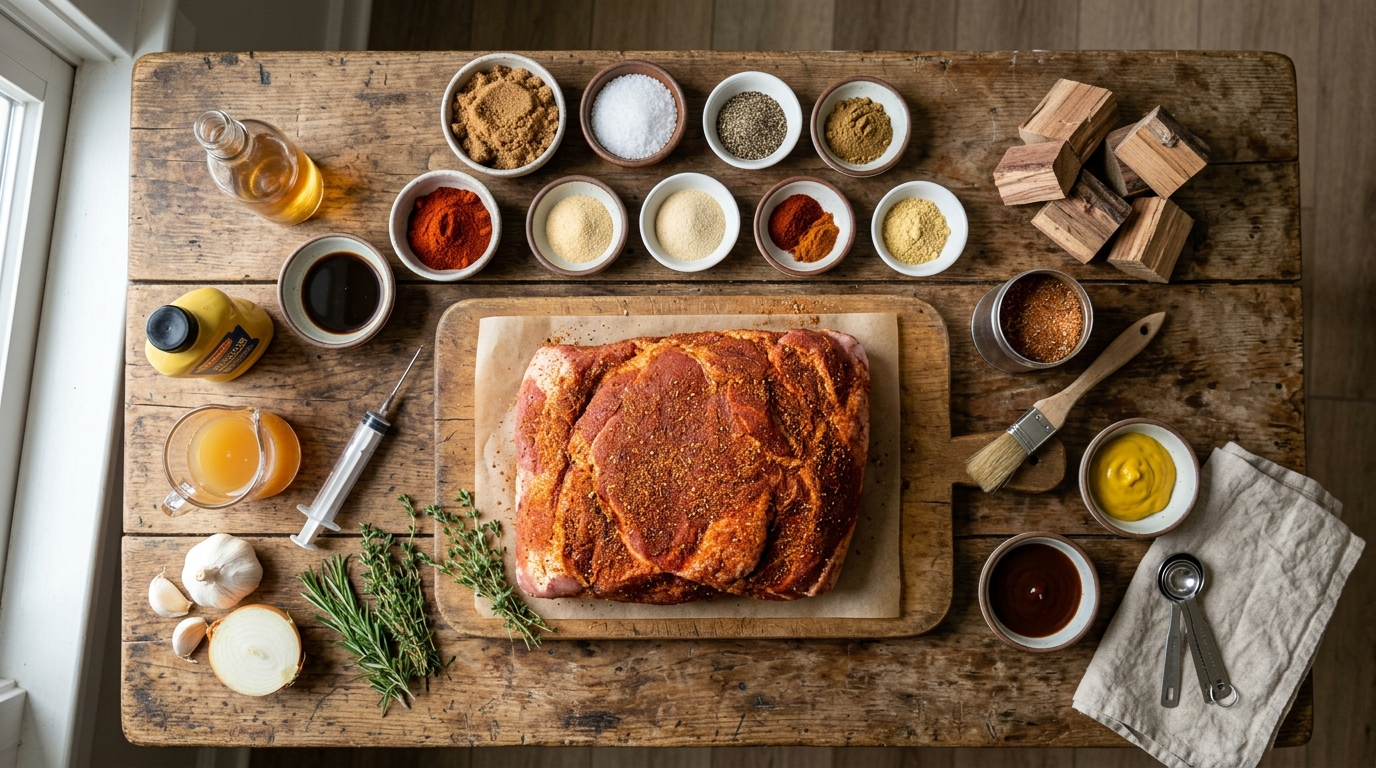
Ingredients
| AMOUNT | INGREDIENT | NOTES |
|---|---|---|
| 8 pounds | bone-in pork shoulder (Boston butt) | fat cap trimmed to about 1/4-inch thickness |
| 3 tablespoons | brown sugar | packed, light or dark both work well |
| 2 tablespoons | smoked paprika | high quality for best color and flavor |
| 1 tablespoon | coarse kosher salt | do not substitute table salt |
| 1 tablespoon | black pepper | freshly cracked for bold flavor |
| 1 tablespoon | garlic powder | not garlic salt |
| 1 tablespoon | onion powder | adds savory depth to the rub |
| 1 teaspoon | cayenne pepper | adjust up or down to your heat preference |
| 1 teaspoon | dried mustard powder | helps the bark develop and adds tang |
| 1 teaspoon | cumin | ground, adds warm earthy undertone |
| 2 tablespoons | yellow mustard | used as a binder, flavor cooks off during smoking |
| 1 cup | apple cider vinegar | mixed with equal part water for the spritz bottle |
| 1 cup | apple juice or water | combined with vinegar for spritzing |
| 6 chunks | hickory or apple wood chunks | soaked in water 30 minutes if using charcoal smoker |
Instructions
Nutrition (per serving)
About This Recipe
Pulled pork as we know it today has its deepest roots in the American South, particularly in the Carolinas, where Indigenous peoples and West African enslaved cooks developed the art of slow-cooking whole hogs over open pits centuries ago. European settlers adopted and adapted these techniques, and by the 18th and 19th centuries, whole-hog and shoulder BBQ had become deeply embedded in Southern culture, tied to community gatherings, church picnics, and political rallies. Each region developed its own identity around sauces and methods, with Eastern North Carolina favoring a sharp vinegar-based sauce, Western Carolina leaning toward a tomato-vinegar blend, and Memphis embracing a dry-rub style that celebrates the meat itself.
The tradition of smoking pork shoulder specifically became popular as a practical matter of economics. The shoulder, also called the Boston butt, was an inexpensive, tough cut that required long cooking times to become tender, making it ideal for the pit. Over generations, pitmasters passed down the craft through apprenticeship and family tradition, refining rubs, wood choices, and techniques into true regional art forms. Today, smoked pulled pork has transcended its Southern origins to become a beloved staple across the entire United States and beyond, celebrated at BBQ competitions, food festivals, and backyard cookouts from coast to coast, carrying with it a rich cultural legacy of community, patience, and pride.
Ready to Serve
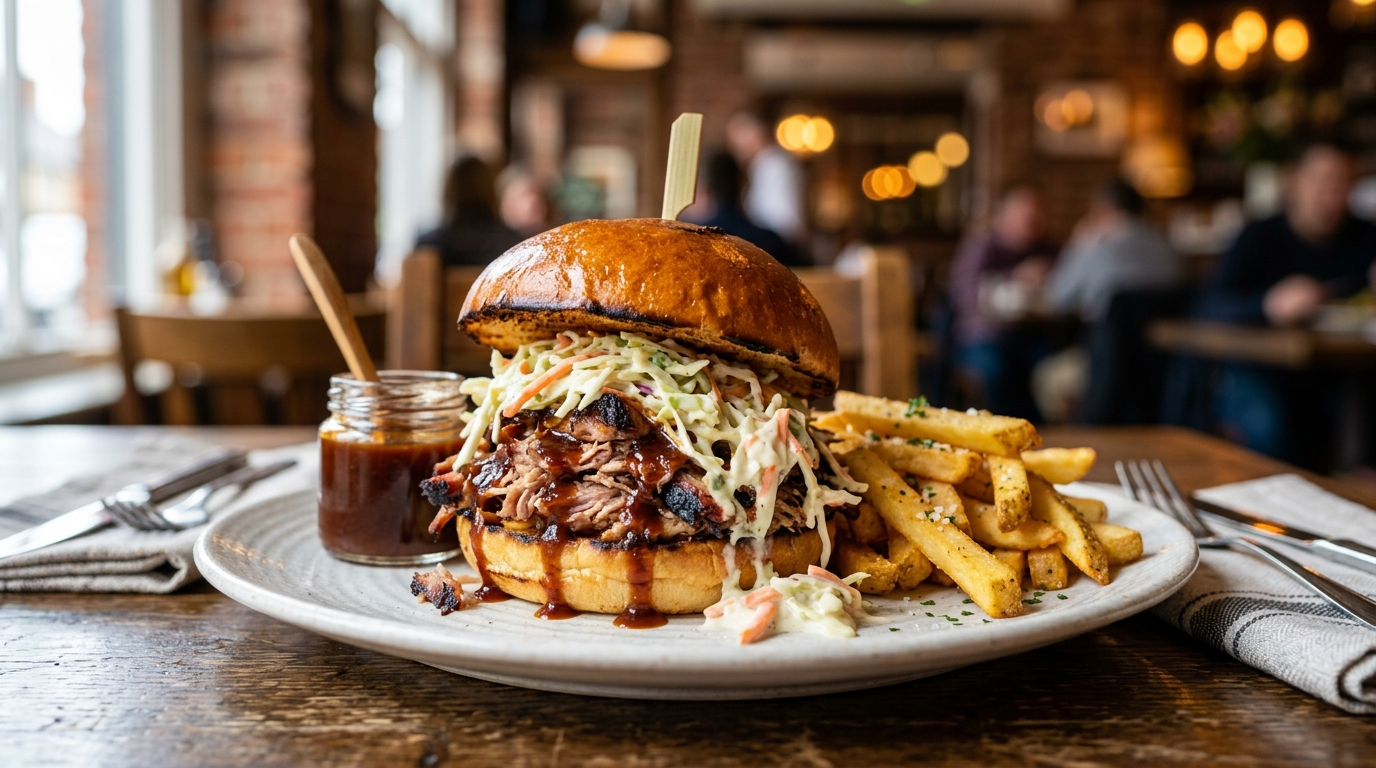
A Closer Look
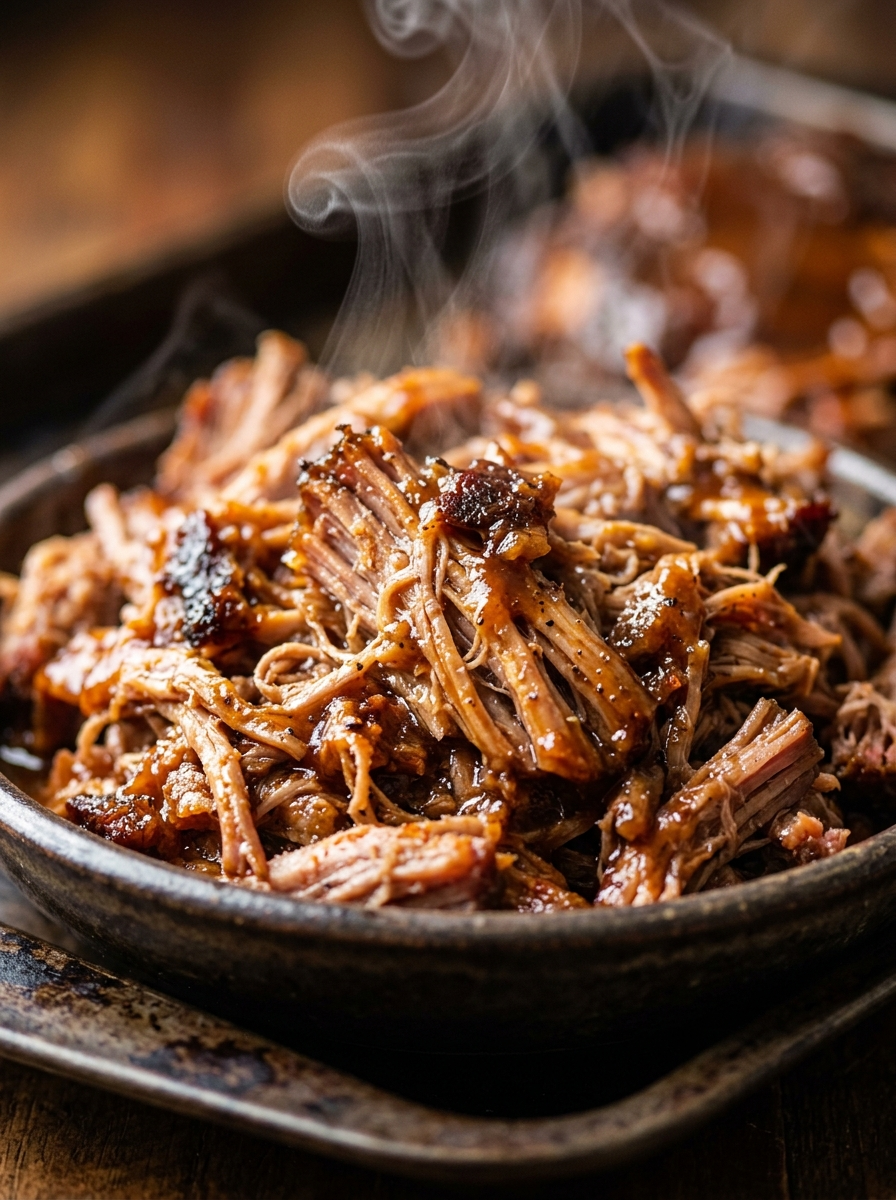
Pro Tips for Best Results
- Always use a bone-in pork shoulder (Boston butt) rather than a boneless one. The bone conducts heat and adds tremendous flavor during the long smoke, and it acts as a built-in done indicator since it should wiggle freely and slide out cleanly when the pork is fully cooked.
- Temperature consistency is the single most important factor in great smoked pulled pork. Invest in a quality dual-probe wireless thermometer so you can monitor both the grate temperature and the internal meat temperature simultaneously without opening the smoker lid and losing heat.
- Do not be tempted to rush the cook by raising the temperature. Cooking at 300 degrees Fahrenheit instead of 225 degrees Fahrenheit will get you there faster, but you will sacrifice bark quality, smoke penetration, and that melt-in-your-mouth texture that comes only from a true low-and-slow cook.
- The type of wood you use dramatically affects the final flavor profile. Hickory delivers a bold, classic BBQ flavor that pairs beautifully with pork. Apple wood is milder and slightly sweet, which complements the pork without overpowering it. Cherry wood adds a beautiful deep color to the bark. Many pitmasters mix hickory and apple or cherry for a balanced smoke.
- Save every drop of the rendered fat and juices that collect in the foil wrap during the Texas crutch phase. This liquid gold is incredibly flavorful and mixing it back into the pulled pork after shredding is the secret to incredibly moist, juicy results. Some pitmasters call this pork liquid or pork au jus and it is irreplaceable.
Essential Equipment
Offset Smoker or Kettle Grill: Provides the indirect heat and airflow needed for low-and-slow smoking over many hours.
Instant-Read Meat Thermometer: Essential for monitoring internal temperature accurately to know exactly when the pork is done.
Large Cutting Board: Gives you ample space to rest and pull the large pork shoulder without mess.
Heavy-Duty Aluminum Foil: Used for the Texas crutch wrap method to push through the stall and retain moisture.
Bear Claw Meat Shredders or Two Forks: Makes shredding the large amount of tender pork fast and easy.
Spray Bottle: Filled with apple cider vinegar or apple juice to spritz the pork during the smoke for moisture and bark development.
Charcoal Chimney Starter: Lights charcoal quickly and safely without chemical accelerants that can affect flavor.
Disposable Aluminum Pan: Catches drippings and can be used to hold the wrapped pork during the crutch phase or resting period.
Variations
Carolina Vinegar Style: Skip the BBQ sauce finish and instead toss the pulled pork with a mixture of 1 cup apple cider vinegar, 1 tablespoon red pepper flakes, 1 tablespoon sugar, and salt. This tangy, spicy Eastern Carolina style is served on buns with a simple vinegar coleslaw piled right on top.
Sweet and Spicy Hawaiian: Add 1 cup of crushed pineapple and 2 tablespoons of sriracha to the wrapping liquid during the Texas crutch phase. The tropical sweetness and heat create a spectacular flavor combination. Serve the pulled pork in slider buns with grilled pineapple rings and red onion.
Mexican Pulled Pork Carnitas Style: Modify the dry rub by adding 1 tablespoon of chili powder, 1 teaspoon of oregano, and the zest of two limes. After pulling, spread the pork on a sheet pan and broil for 3 to 5 minutes until the edges get crispy and caramelized. Serve in warm corn tortillas with cilantro, white onion, and fresh lime juice.
Instant Pot Shortcut Version: For busy weeknights, use the same dry rub and add the seasoned pork shoulder to an Instant Pot with 1 cup of apple cider, 1/2 cup beef broth, and 2 tablespoons of liquid smoke. Pressure cook on high for 90 minutes with a natural release. Shred and finish under the broiler for 5 minutes to develop a pseudo-bark. It will not be identical to the real thing but it delivers great flavor in a fraction of the time.
Competition Style with Injection: For next-level results, inject the pork shoulder the night before with a mixture of 1/2 cup apple juice, 1/4 cup melted butter, 2 tablespoons of the dry rub, and 1 tablespoon of Worcestershire sauce using a meat injector syringe. Injecting moisture and flavor directly into the center of the large cut ensures it is seasoned and juicy all the way through, not just on the surface.
Frequently Asked Questions
How long does it take to smoke a pork shoulder?
Plan on approximately 1.5 to 2 hours of cooking time per pound of pork at 225 degrees Fahrenheit. An 8-pound shoulder will typically take 12 to 16 hours total. Always cook to internal temperature rather than time, targeting 200 to 205 degrees Fahrenheit for perfect pulling texture. Use time estimates only as a general guide and trust your thermometer.
What is the stall and how do I handle it?
The stall is a phenomenon where the internal temperature of the pork stops rising, usually around 150 to 165 degrees Fahrenheit, and can stay there for several hours. It happens because moisture evaporating from the surface cools the meat as fast as the smoker heats it. The best way to push through it is the Texas crutch method, which means wrapping the pork tightly in foil with a splash of liquid until it reaches 200 to 205 degrees Fahrenheit.
Can I smoke pulled pork the day before serving?
Absolutely, and many pitmasters prefer doing so. Smoked pulled pork reheats beautifully. After pulling, store the pork in its juices in an airtight container in the refrigerator for up to 4 days. To reheat, place it in a covered baking dish with a splash of apple juice or broth and warm at 300 degrees Fahrenheit for 20 to 30 minutes, or reheat gently in a slow cooker on low for 2 to 3 hours.
Can I freeze smoked pulled pork?
Yes, smoked pulled pork is an excellent candidate for freezing. Portion the cooled pulled pork with its juices into zip-top freezer bags or airtight containers, removing as much air as possible. Freeze for up to 3 months. Thaw in the refrigerator overnight before reheating. The texture and flavor hold up remarkably well after freezing, making this a fantastic meal prep option.
What cut of pork is best for pulled pork?
The bone-in pork shoulder, often sold as Boston butt at most grocery stores, is the gold standard for pulled pork. It has a high fat content and significant connective tissue that breaks down beautifully over the long smoke into gelatin, resulting in incredibly moist and tender meat. A picnic shoulder or pork picnic roast also works well. Avoid pork loin or tenderloin, as these are lean cuts that will dry out badly during a long cook.
What wood is best for smoking pork?
Hickory is the most classic choice for smoked pulled pork and delivers that bold, traditional BBQ flavor most people associate with great BBQ. Apple wood is a milder, slightly sweet option that complements pork beautifully without dominating it. Cherry wood adds a gorgeous deep reddish color to the bark. Many competition pitmasters use a combination, such as two parts hickory to one part apple or cherry, to balance boldness with sweetness. Avoid mesquite for long cooks as it can become bitter.