
Christmas Sugar Cookies: The Ultimate Recipe for Holiday Cheer
The aroma of freshly baked Christmas Sugar Cookies fills the air with a sense of warmth and nostalgia.
These cookies are a delightful blend of buttery sweetness with a hint of vanilla, making them perfect for the holiday season.
Every bite is tender and crisp, creating a perfect harmony that melts in your mouth.
I remember making these cookies with my family every year, a tradition that adds a sprinkle of magic to our festive celebrations.
Whether you’re a seasoned baker or a beginner, this recipe promises to bring joy and cheer to your holiday gatherings.
Let’s embark on a culinary journey to create the ultimate Christmas Sugar Cookies that will leave everyone asking for more.
The History and Cultural Significance
• Christmas Sugar Cookies trace their origins to medieval Europe, where they were originally created by monks as a holiday treat.
• The dish evolved over decades as recipes were passed down through generations, eventually adopting the use of modern ingredients like vanilla and baking powder.
• In the United States, these cookies traditionally appear at Christmas celebrations, symbolizing the warmth and generosity of the holiday season.
• While many variations exist across different regions, the authentic version maintains a simple yet rich buttery flavor that sets it apart from imitations.
Recipe Overview
Nutritional Information (per serving)
Essential Equipment Guide
Stand Mixer: A stand mixer is crucial for creaming the butter and sugar to the perfect consistency, ensuring the cookies are light and fluffy. A hand mixer can be used as an alternative, but may require more time and effort.
Rolling Pin: Essential for evenly rolling out the dough to the desired thickness, which affects the texture and baking time. A non-stick, adjustable rolling pin is ideal for consistent results.
Cookie Cutters: These allow you to create festive shapes that add a touch of holiday spirit to your cookies. Look for sturdy metal cutters for clean edges and easy release.
Ingredients
For the Cookies
|
| Amount | Ingredient | Notes |
|---|---|---|
| 2 cups | all-purpose flour | sifted for light texture |
| 1/2 teaspoon | baking powder | helps cookies rise |
| 1/4 teaspoon | salt | enhances flavor |
| 1 cup | unsalted butter | softened, adds richness |
| 1 cup | granulated sugar | sweetens and adds texture |
| 1 large | egg | binds ingredients |
| 1 teaspoon | vanilla extract | adds flavor |
For the Icing
| Amount | Ingredient | Notes |
|---|---|---|
| 2 cups | powdered sugar | sifted, creates smooth icing |
| 2-3 tablespoons | milk | adjusts consistency |
| 1 teaspoon | vanilla extract | flavor enhancer |
| food coloring | optional, for decoration |
Preparation Methods
Creaming Butter and Sugar: Creaming is the process of beating butter and sugar together until light and fluffy. This technique incorporates air, which is crucial for achieving a tender cookie texture. Use room temperature butter for best results and beat on medium speed.
Chilling Dough: Chilling the dough allows the fats to solidify, preventing the cookies from spreading too much during baking. This step ensures the cookies maintain their shape and have a perfect texture. Chill for at least 30 minutes.
Rolling and Cutting: Roll the dough evenly to ensure consistent baking. Lightly flour the surface and rolling pin to prevent sticking. Use firm, even pressure when cutting shapes to achieve clean edges.
Step 1: Prepare Ingredients
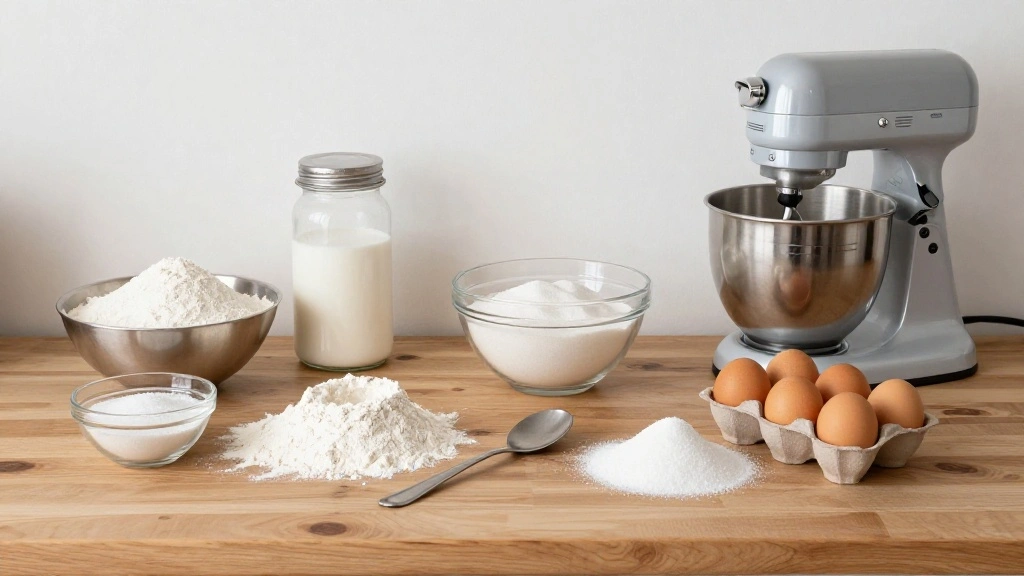
Gather all ingredients and equipment needed for the recipe.
Ensure the butter is softened at room temperature.
Sift the flour, baking powder, and salt together in a bowl.
Measure the sugar and vanilla extract accurately.
Step 2: Cream Butter and Sugar
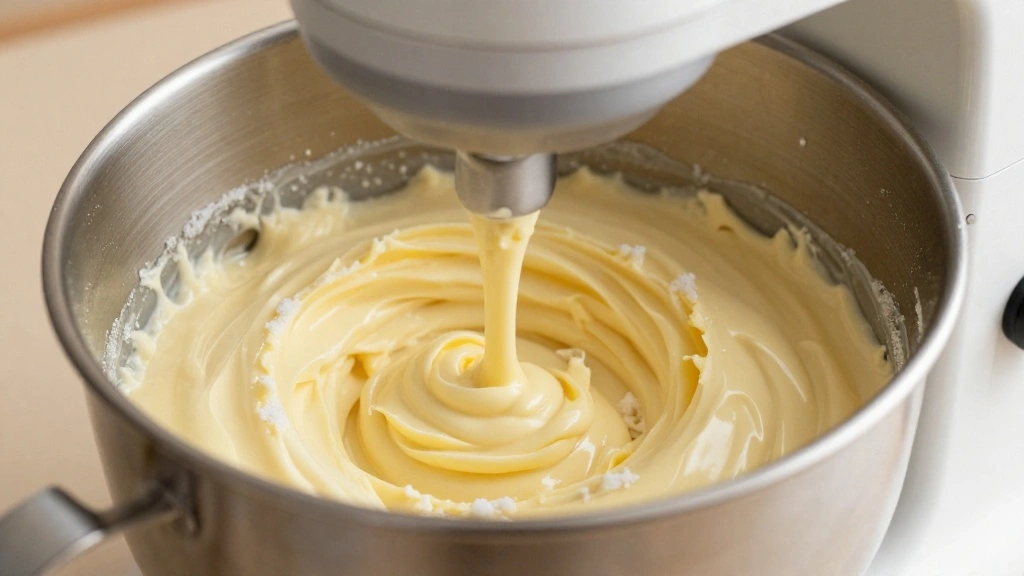
Place the softened butter in the bowl of a stand mixer.
Add the granulated sugar and beat on medium speed.
Continue until the mixture is light and fluffy, about 3 minutes.
Scrape down the sides of the bowl as needed to ensure even mixing.
Step 3: Add Egg and Vanilla
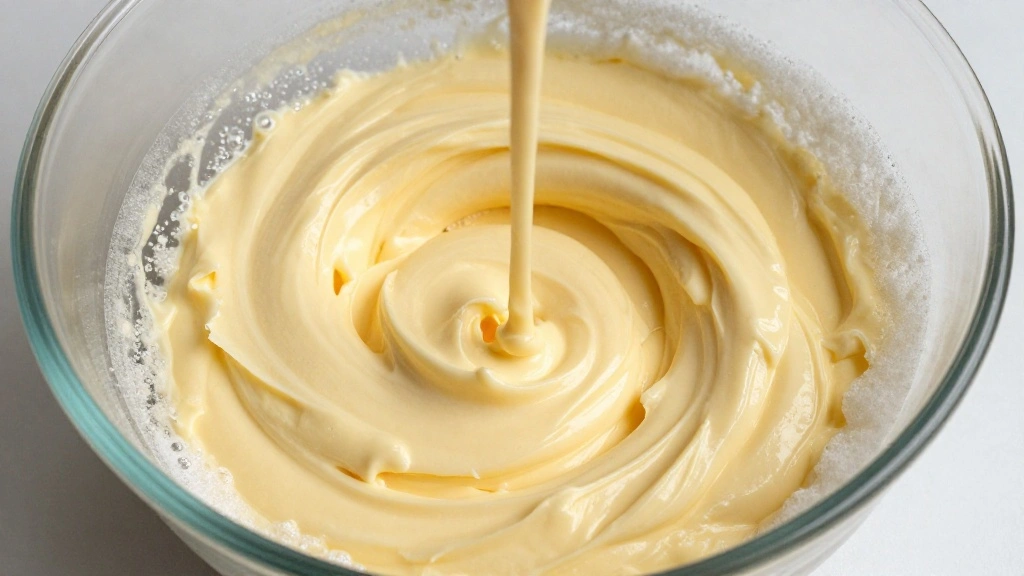
Crack the egg into the creamed butter and sugar mixture.
Add the vanilla extract.
Beat on low speed until fully incorporated.
Ensure no streaks of egg remain in the mixture.
Step 4: Combine Dry Ingredients
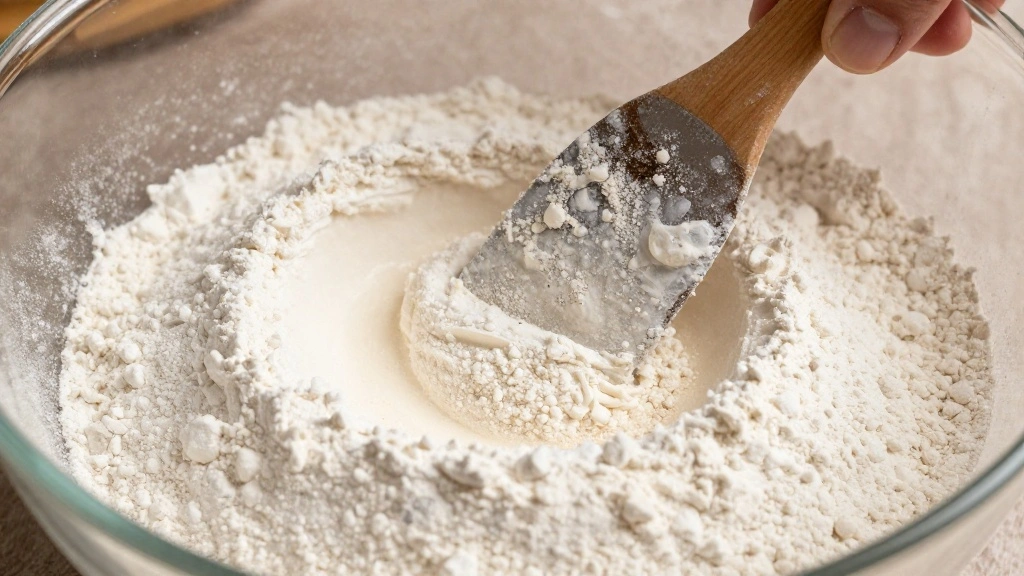
Gradually add the sifted flour mixture to the wet ingredients.
Mix on low speed to avoid flour spillage.
Continue until the dough just comes together, being careful not to overmix.
The dough should be soft and slightly sticky.
Step 5: Chill the Dough
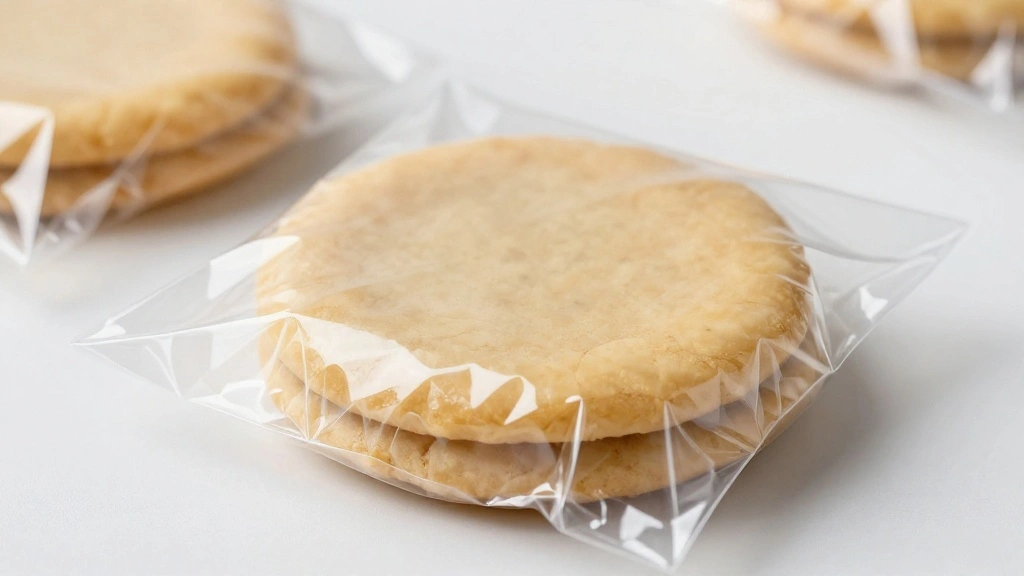
Transfer the dough to a sheet of plastic wrap.
Shape it into a flat disc and wrap it tightly.
Refrigerate for at least 30 minutes to firm up.
This step ensures the cookies hold their shape during baking.
Step 6: Preheat Oven and Prepare Baking Sheets
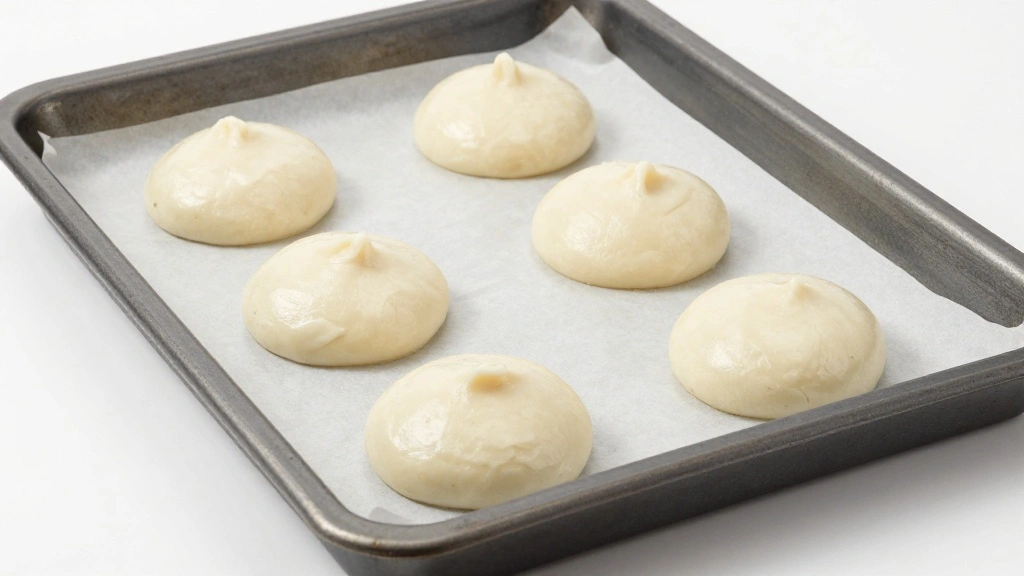
Preheat your oven to 350°F (175°C).
Line baking sheets with parchment paper for easy cleanup.
Ensure the oven rack is in the center position for even baking.
This setup prevents cookies from burning on the bottom.
Step 7: Roll and Cut the Dough
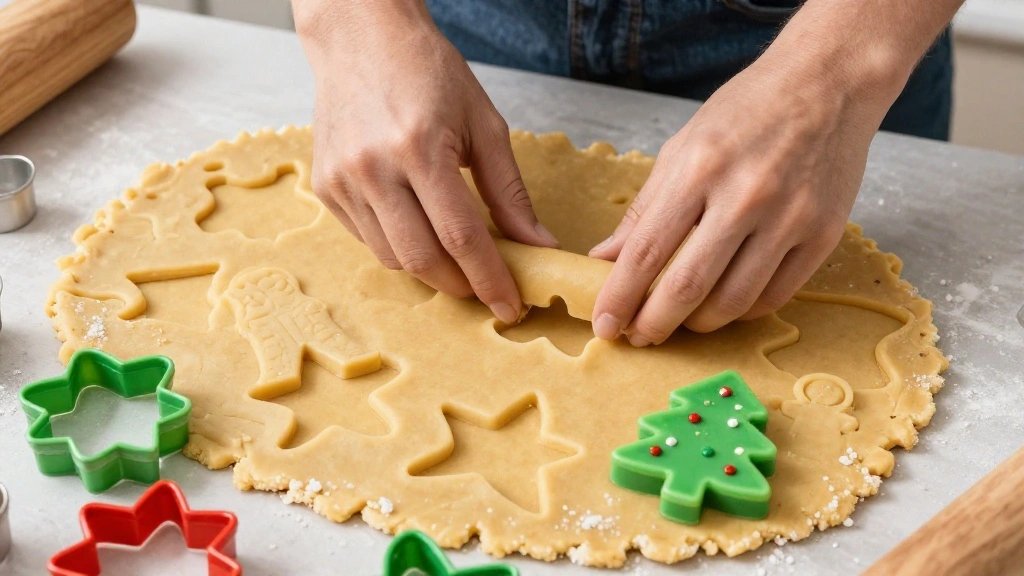
Remove the dough from the refrigerator and let it sit for a few minutes.
Lightly flour your work surface and rolling pin.
Roll the dough to about 1/4-inch thickness.
Use cookie cutters to cut out shapes, re-rolling scraps as needed.
Step 8: Bake the Cookies
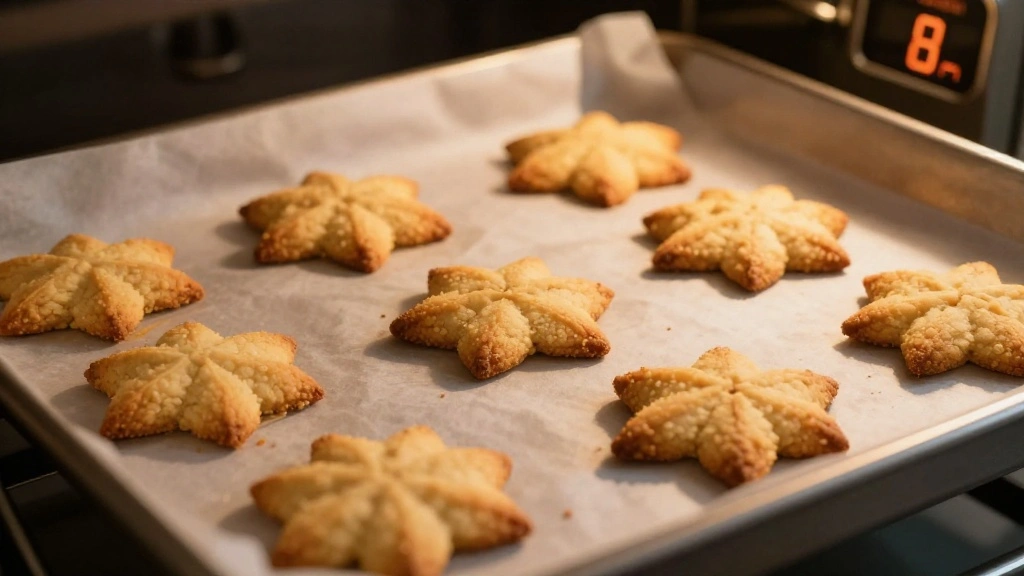
Place the cut cookies on the prepared baking sheets, spacing them about 1 inch apart.
Bake in the preheated oven for 8-10 minutes, until the edges are lightly golden.
Rotate the sheets halfway through baking for even browning.
Cool on the pan for a few minutes before transferring to a wire rack.
Step 9: Prepare the Icing
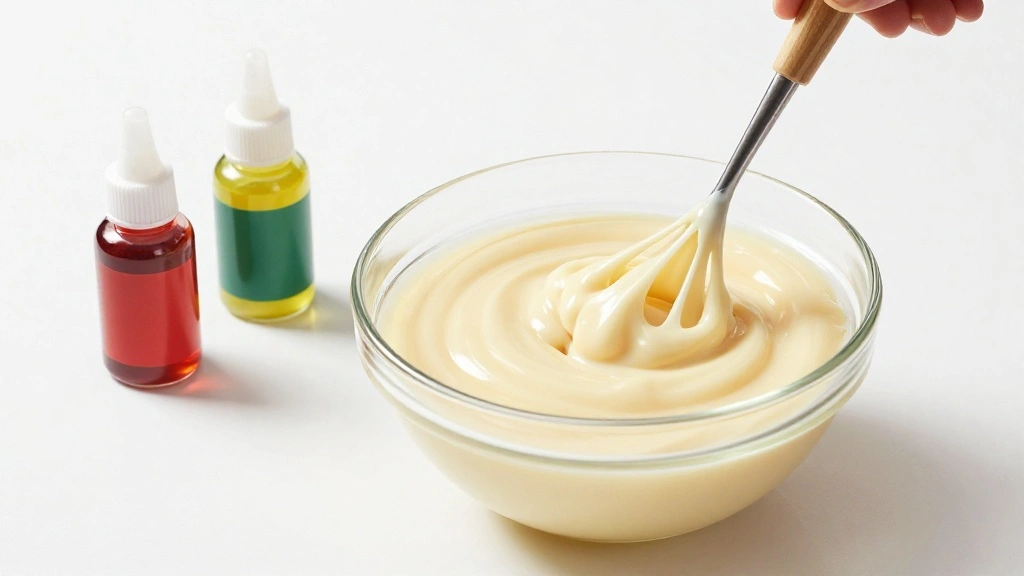
Combine powdered sugar, milk, and vanilla extract in a bowl.
Whisk until smooth and desired consistency is reached.
Add food coloring if using, and mix well.
Adjust thickness by adding more milk or sugar as needed.
Step 10: Decorate the Cookies
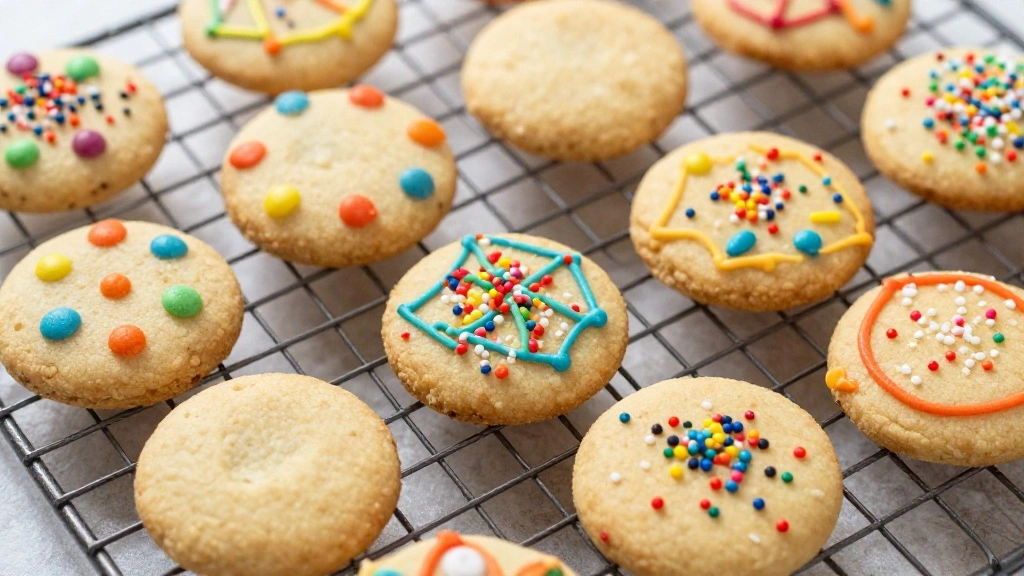
Once cookies are completely cool, use a small brush or piping bag to apply icing.
Add sprinkles or decorative elements while icing is wet.
Allow the icing to set completely before serving or packaging.
This step adds a festive touch to your cookies.
Critical Timing and Temperature Guide
Creaming Butter and Sugar: Beat for exactly 3 minutes on medium speed until light and fluffy, avoiding over-beating which can cause excess spreading.
Baking the Cookies: Bake at 350°F for 8-10 minutes, checking for lightly golden edges as a doneness indicator. Avoid overbaking to maintain a soft center.
Icing Setting: Allow at least 30 minutes for icing to set at room temperature before stacking cookies to prevent smudging and sticking.
Pro Tips for Christmas Sugar Cookies
• Ingredient Selection: Use high-quality butter and pure vanilla extract for the best flavor. These ingredients significantly impact the taste and aroma of the cookies.
• Preparation Secret: Chill the dough twice if the kitchen is warm – once before rolling and again after cutting shapes to ensure they hold their form.
• Temperature Management: Keep the dough cool but pliable for easier rolling and cutting. If it becomes too soft, return it to the fridge briefly.
• Texture Enhancement: For a chewier cookie, substitute a teaspoon of cornstarch for a teaspoon of flour.
• Flavor Layering: Add a pinch of nutmeg or cinnamon to the dough for a subtle spice note that enhances the holiday flavor.
• Make-Ahead Strategies: Prepare and freeze the dough up to a month in advance. Thaw overnight in the refrigerator before rolling and baking.
• Restaurant-Quality Finishing Touches: Use a fine microplane to dust lightly with powdered sugar just before serving for an elegant touch.
• Equipment Optimization: If you don't have a stand mixer, a hand mixer works; just ensure you beat the butter and sugar long enough for proper aeration.
Troubleshooting Common Issues
• Cookies Spreading Too Much: This is often caused by butter that's too warm. Ensure the dough is adequately chilled before baking. If needed, chill cut cookies on the baking sheet before baking.
• Dry or Crumbly Dough: May result from over-measuring flour. Ensure flour is spooned into the measuring cup and leveled off, not scooped.
• Too Pale or Undercooked: Ensure your oven is calibrated correctly and preheated fully. Consider using an oven thermometer for accuracy.
• Overbaked Cookies: They should be removed from the oven when edges are just starting to turn golden. Residual heat will continue to cook them on the baking sheet.
• Icing Not Setting: Humidity can affect icing setting time. Allow extra time in humid conditions or use a fan to help set.
• Uneven Baking: Rotate baking sheets halfway through cooking and ensure they're placed in the center of the oven for consistent results.
Variations and Regional Differences
• German Zimtsterne: A German variation using ground almonds and cinnamon, often glazed with icing and star-shaped for traditional holiday flair.
• Italian Pizzelle: These are thin, waffle-like cookies flavored with anise, baked using a special iron press, showcasing unique cultural heritage.
• Scandinavian Pepparkakor: Crisp and spicy with ginger, cloves, and cardamom, these cookies are often cut into elaborate shapes and hung as decorations.
• French Sablés: Known for their buttery richness and delicate crumb, these cookies may include a hint of citrus zest or lavender for added complexity.
Food Science Behind the Recipe
• Creaming Method: The creaming process incorporates air into the dough, creating a light and tender cookie structure. Understanding this helps achieve a perfect texture.
• Gluten Formation: Minimal mixing once flour is added prevents too much gluten development, which can lead to tough cookies. Proper technique ensures a delicate crumb.
• Sugar Caramelization: During baking, sugar caramelizes, contributing to the cookies' golden color and deep flavor. Observing this process helps identify doneness.
Frequently Asked Questions
What's the most common mistake people make when preparing Christmas Sugar Cookies? Overmixing the dough once flour is added can lead to tough cookies. Mix just until combined for a tender result.
Can I make the dough in advance? Yes, you can prepare the dough up to a month ahead and freeze it. Thaw it overnight in the refrigerator before rolling and baking.
How do I prevent the cookies from spreading too much? Ensure the dough is properly chilled before baking, and use a baking sheet lined with parchment paper.
What can I do if my icing is too runny? Add more powdered sugar a tablespoon at a time until the desired consistency is reached.
Can I use salted butter instead of unsalted? Yes, but you should reduce the added salt in the recipe to balance the flavors.
What's the best way to store these cookies? Store them in an airtight container at room temperature for up to a week, or freeze for longer storage.
How can I add different flavors to the cookies? Try adding a teaspoon of almond extract or a pinch of spices like nutmeg or cinnamon to the dough for a unique twist.
Serving and Presentation Guide
• Traditional Presentation: Arrange cookies on a festive platter lined with parchment paper, and dust with powdered sugar for a classic holiday look.
• Gift Presentation: Place cookies in a decorative tin or cellophane bag tied with a ribbon for a thoughtful homemade gift.
• Modern Minimalist: Stack cookies neatly on a simple white plate, garnished with a sprig of holly or rosemary for a contemporary touch.
• Interactive Display: Set up a cookie decorating station with various icing colors and sprinkles, allowing guests to personalize their own treats.
Conclusion
With this ultimate recipe for Christmas Sugar Cookies, you’re set to spread holiday cheer and create lasting memories.
These cookies, with their rich history and irresistible flavor, are bound to become a beloved tradition in your home.
Embrace the joy of baking and sharing this delightful treat with family and friends.
Let your creativity shine as you decorate and enjoy these festive cookies throughout the season.