
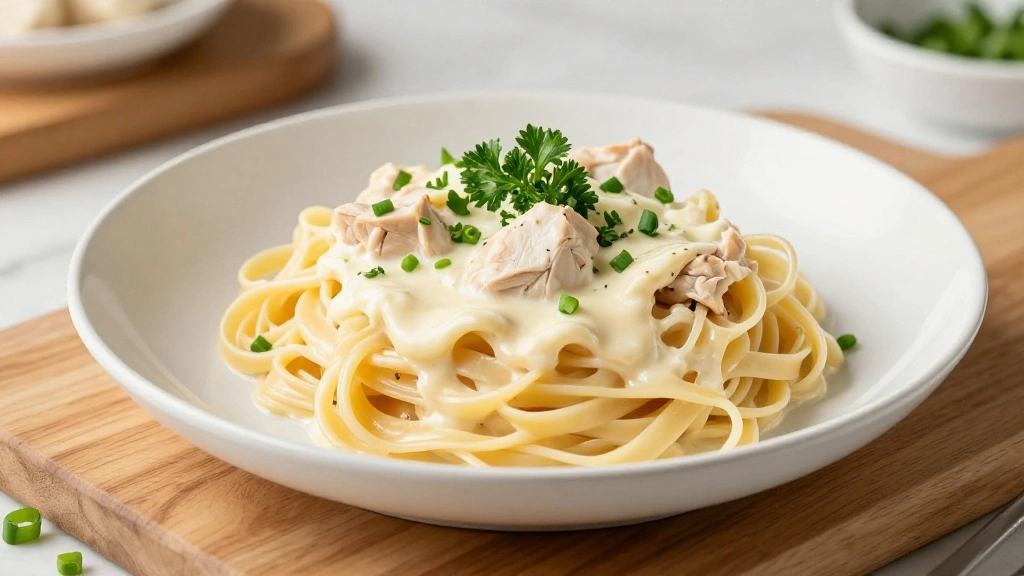
How to Make the Creamiest Chicken Alfredo: A Comfort Food Classic
There’s something undeniably comforting about a plate of creamy Chicken Alfredo.
The rich, velvety sauce clings to the pasta, delivering a perfect balance of garlic, butter, and Parmesan cheese.
I first fell in love with this dish during a family gathering where it was served as a centerpiece.
Its appeal lies in its simplicity and the way it can bring people together around the table.
Whether you’re cooking for a weeknight dinner or a special occasion, Chicken Alfredo satisfies with its luxurious texture and flavor.
Prepare to indulge in a classic dish that never fails to impress.
The History and Cultural Significance
• Chicken Alfredo traces its origins to Rome in the early 20th century, where it was originally created by Alfredo di Lelio.
• The dish evolved over decades as it incorporated cream and chicken, eventually becoming the beloved version we know today.
• In Italian-American culture, this dish traditionally appears at family gatherings and celebrations, symbolizing comfort and indulgence.
• While many variations exist across different regions, the authentic version maintains a creamy, buttery sauce that sets it apart from imitations.
Recipe Overview
Nutritional Information (per serving)
You Might Also Like
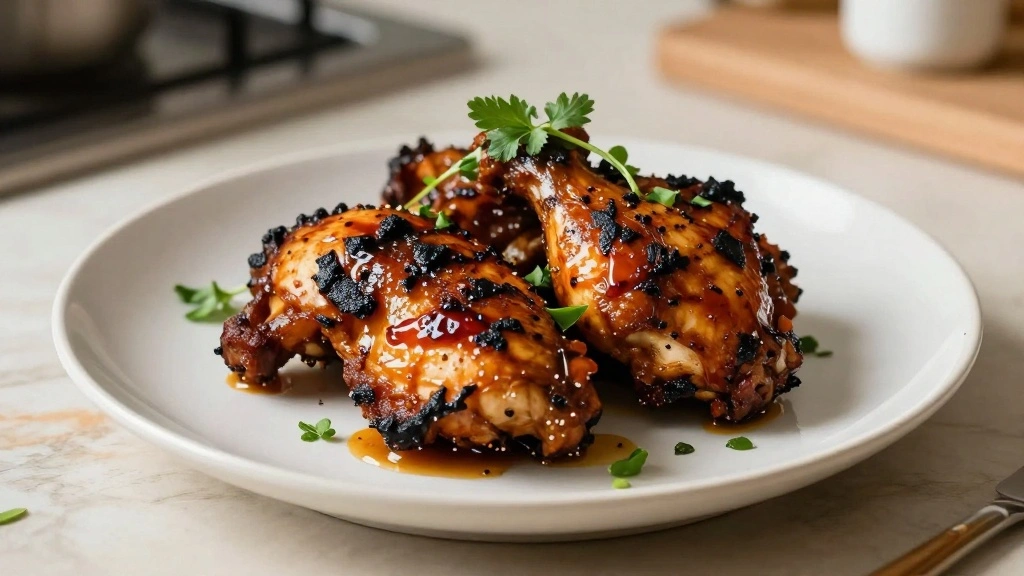
Essential Equipment Guide
Large Skillet: A large skillet is essential for cooking the chicken evenly and preparing the sauce. A non-stick skillet works well, but a stainless steel one offers better browning.
Whisk: A whisk is crucial for preventing lumps in the sauce and ensuring a smooth texture. Look for a whisk with a comfortable handle and flexible wires.
Pasta Pot: A large pot for boiling pasta is necessary to ensure even cooking. Consider one with a built-in strainer for easy draining.
Ingredients
For the Chicken
|
| Amount | Ingredient | Notes |
|---|---|---|
| 2 large | chicken breasts | sliced thinly for even cooking |
| 1 teaspoon | salt | to season the chicken |
| 1 teaspoon | black pepper | freshly ground for best flavor |
For the Sauce
| Amount | Ingredient | Notes |
|---|---|---|
| 2 tablespoons | butter | adds richness |
| 3 cloves | garlic | minced finely |
| 1 cup | heavy cream | for creamy texture |
| 1 cup | Parmesan cheese | freshly grated for best melting |
For the Pasta
| Amount | Ingredient | Notes |
|---|---|---|
| 12 ounces | fettuccine | cooked al dente |
| 1 tablespoon | olive oil | prevents pasta from sticking |
Preparation Methods
Butterflying Chicken: This technique involves slicing the chicken breast almost in half horizontally and then opening it like a book. It ensures even thickness, leading to uniform cooking.
Emulsifying Sauce: Emulsifying is the process of combining fat with liquid to create a smooth, stable mixture. In this recipe, it ensures the sauce doesn't separate.
Cooking Pasta Al Dente: Cooking pasta until it's firm to the bite is crucial for texture. It prevents the pasta from becoming mushy when combined with the sauce.
Step 1: Prepare Ingredients
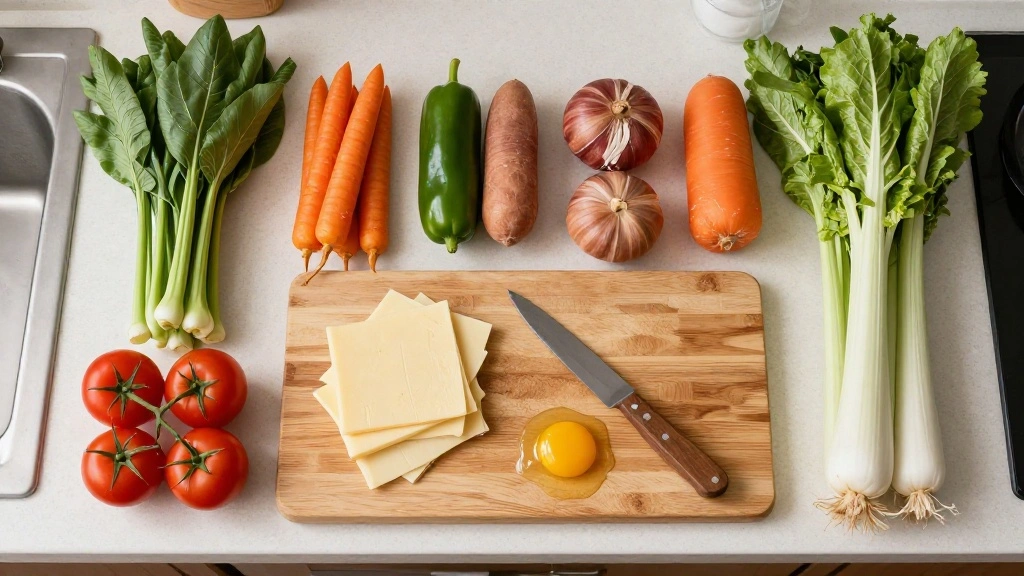
Gather all necessary ingredients for the recipe.
Slice the chicken breasts thinly and season with salt and pepper.
Mince the garlic cloves and grate the Parmesan cheese.
Ensure the fettuccine is measured and ready to cook.
Step 2: Cook the Chicken
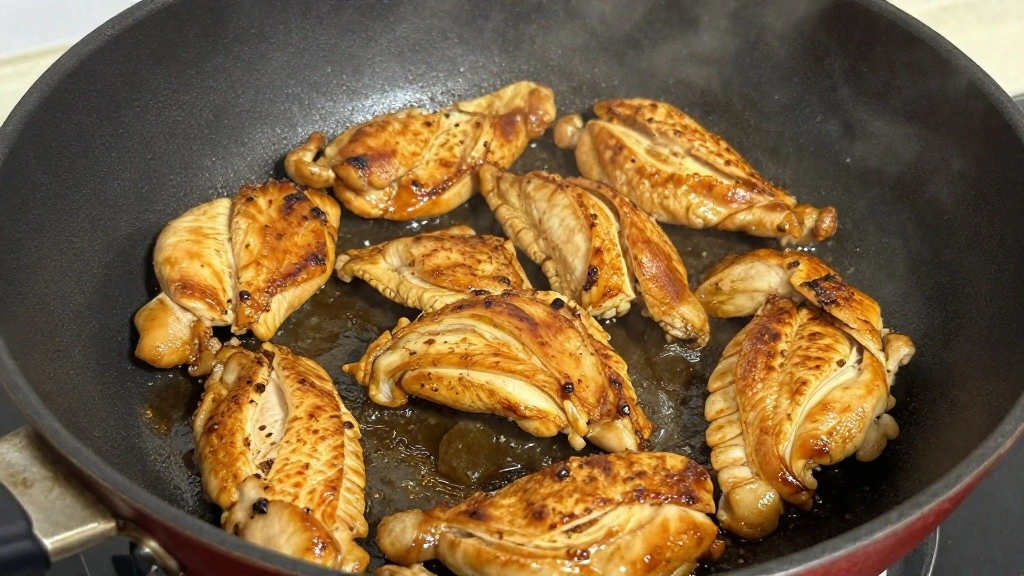
Heat a large skillet over medium-high heat.
Add olive oil and allow it to shimmer before adding the chicken.
Cook the chicken until golden brown on both sides.
Remove from the skillet and set aside.
Step 3: Prepare the Sauce Base
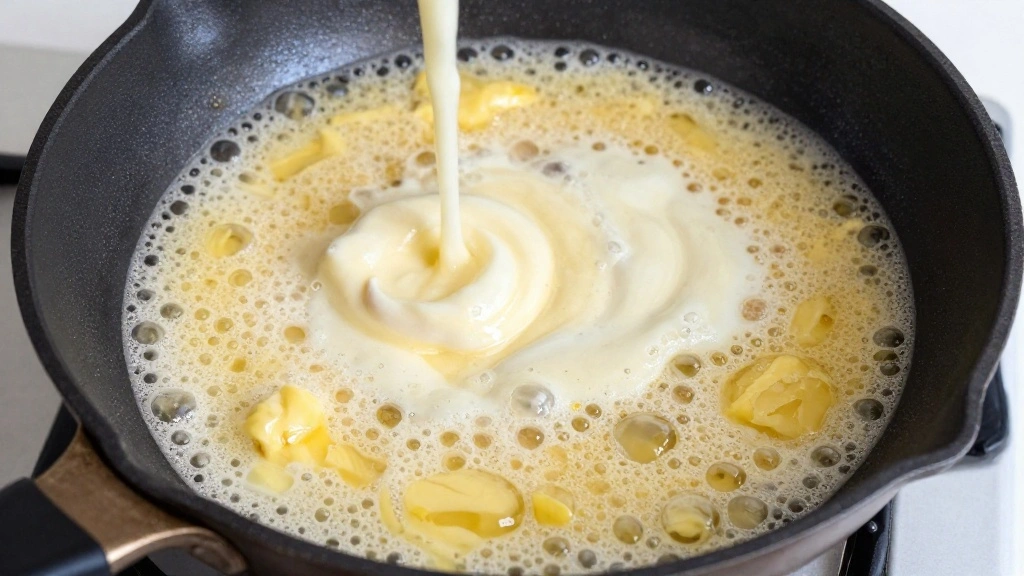
Lower the skillet's heat to medium and add butter.
Once melted, add minced garlic and sauté until fragrant.
Pour in the heavy cream, stirring constantly.
Allow the mixture to heat without boiling.
Step 4: Cook the Pasta
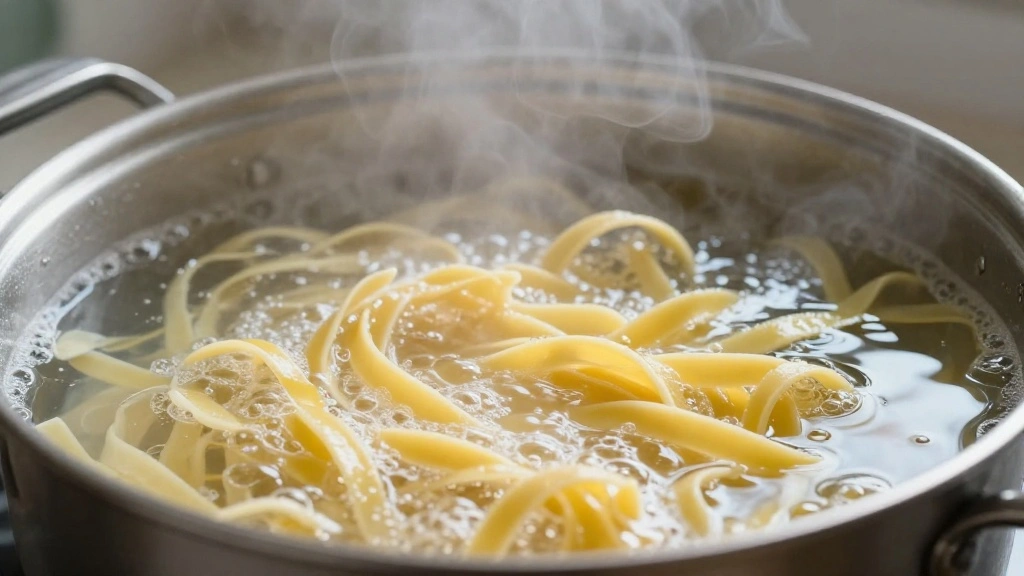
Bring a large pot of salted water to a boil.
Add the fettuccine and cook until al dente.
Reserve 1 cup of pasta water before draining.
Drain the pasta and toss with a bit of olive oil.
Step 5: Combine Chicken and Sauce
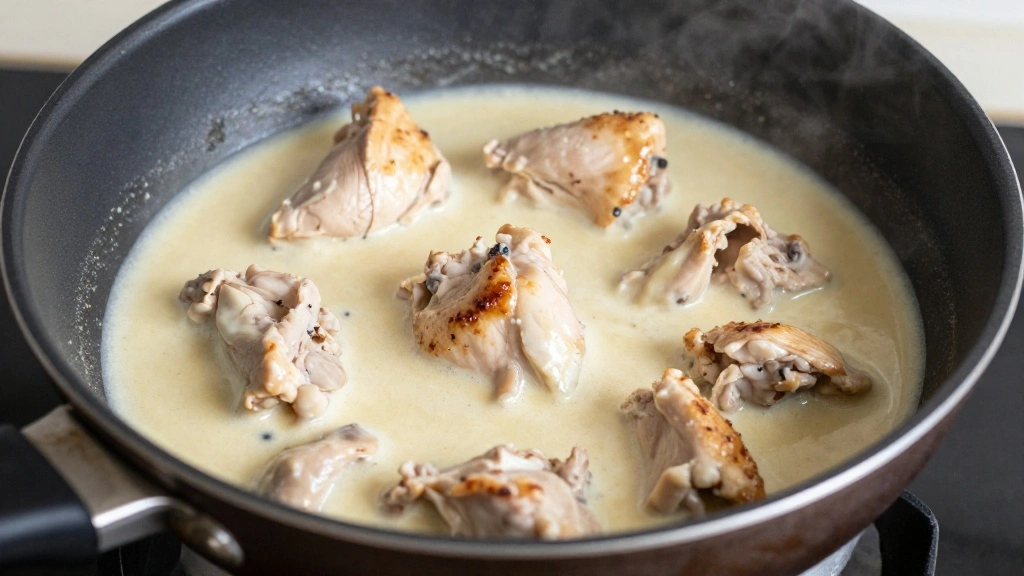
Return the cooked chicken to the skillet with the cream sauce.
Stir to coat the chicken in the sauce evenly.
Allow the mixture to simmer gently to meld flavors.
Ensure the chicken is heated through.
Step 6: Incorporate Parmesan Cheese
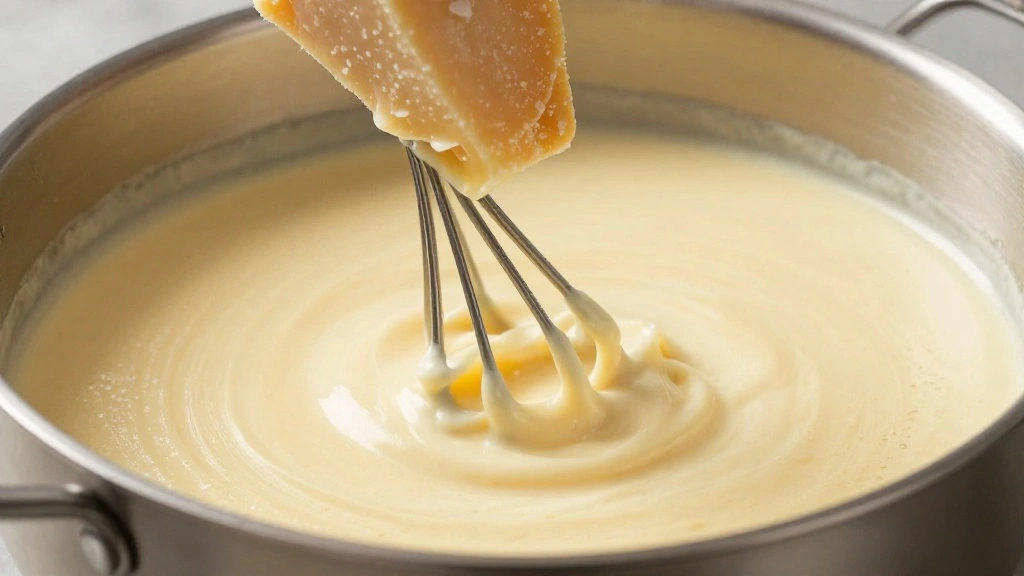
Gradually add the grated Parmesan cheese to the sauce.
Stir continuously to prevent clumping.
The cheese should melt and thicken the sauce.
Adjust seasoning with salt and pepper if needed.
Step 7: Combine Pasta and Sauce
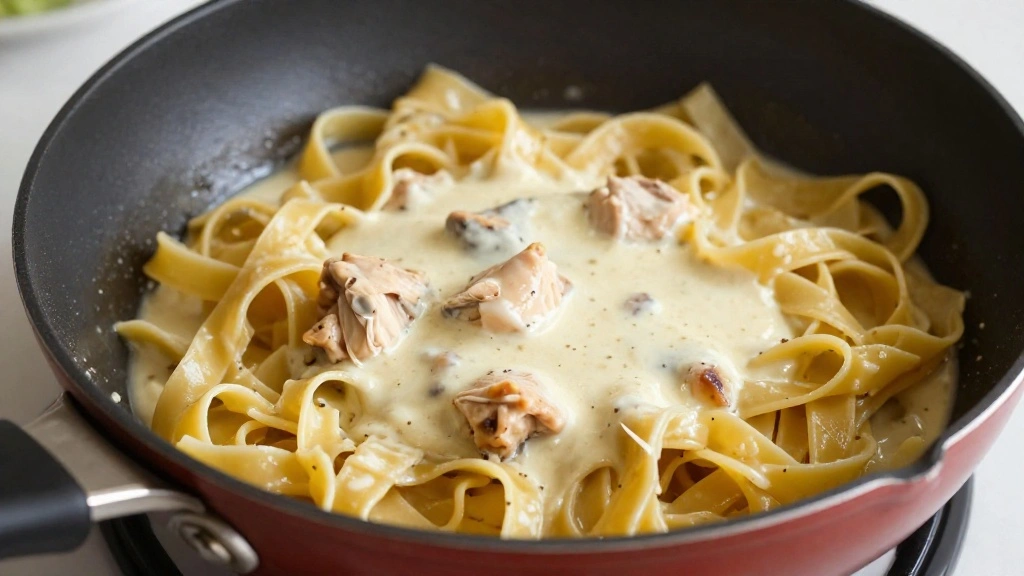
Add the cooked fettuccine to the skillet.
Toss pasta with the sauce to coat evenly.
Use reserved pasta water to adjust sauce consistency if too thick.
Ensure pasta is well combined with chicken and sauce.
Step 8: Serve and Garnish
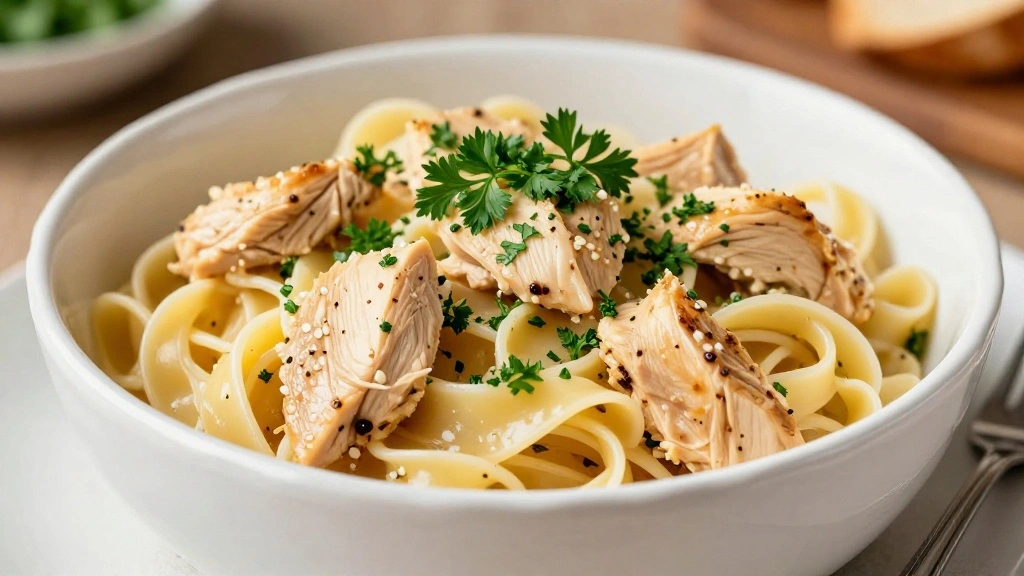
Transfer the Chicken Alfredo to serving plates.
Garnish with freshly chopped parsley for a pop of color.
Serve immediately while hot and creamy.
Accompany with garlic bread or a side salad if desired.
Critical Timing and Temperature Guide
Cooking Chicken: Cook chicken at medium-high heat for 4-5 minutes per side until golden brown. Avoid overcooking to maintain juiciness.
Sauce Preparation: Maintain sauce at medium heat, never allowing it to boil. Boiling can cause separation.
Pasta Cooking: Cook pasta for 8-10 minutes until al dente. Overcooked pasta will become mushy and lose texture.
Pro Tips for the Creamiest Chicken
• Ingredient Selection: Opt for high-quality Parmesan cheese, as it contributes the most to the sauce's flavor and texture.
• Preparation Secret: Let the cooked chicken rest before slicing to keep it juicy.
• Temperature Management: Use room temperature cream to prevent curdling when added to the hot pan.
• Texture Enhancement: Reserve pasta water to adjust the sauce's thickness to your liking.
• Flavor Layering: Sauté garlic in butter for enhanced depth of flavor.
• Make-Ahead Strategies: Prepare the chicken in advance and store in the fridge for up to 24 hours.
• Restaurant-Quality Finishing Touches: Add a sprinkle of freshly cracked black pepper before serving.
• Equipment Optimization: Use a microplane for grating Parmesan to achieve a finer texture.
Troubleshooting Common Issues
• Sauce Separating: Causes include overheating or adding ingredients too quickly. Slowly incorporate cheese and maintain a stable heat.
• Pasta Too Soft: Occurs if overcooked. Check pasta frequently during boiling and aim for al dente.
• Chicken Dry: Results from overcooking. Use a meat thermometer to check doneness or slice chicken thinly.
• Sauce Too Thick: Add reserved pasta water gradually to thin the sauce without diluting flavor.
• Flavors Unbalanced: Adjust seasoning with salt, pepper, and additional Parmesan to taste.
• Garlic Overpowering: Use fresh garlic and sauté briefly to avoid bitterness.
Variations and Regional Differences
• Italian Variation: Focuses on a simple sauce of butter and Parmesan, omitting cream for a lighter dish.
• American Style: Includes heavy cream and often broccoli or peas for added texture and nutrition.
• Vegetarian Adaptation: Substitute chicken with mushrooms or zucchini for a meat-free version.
• Seafood Twist: Replace chicken with shrimp or scallops for a luxurious alternative.
Food Science Behind the Recipe
• Emulsification: The process of combining fat with liquid in the sauce relies on emulsification, stabilizing the mixture to prevent separation.
• Protein Denaturation: Cooking chicken changes its structure, affecting texture and juiciness. Proper handling ensures moist results.
• Starch Gelatinization: Pasta releases starch during cooking, contributing to the sauce's ability to cling to noodles.
Frequently Asked Questions
What's the most common mistake people make when preparing Chicken Alfredo? Overcooking the chicken is a frequent issue, leading to dryness.
Can I use pre-grated Parmesan cheese? Freshly grated Parmesan melts better and enhances the sauce's texture and flavor.
Is it possible to make this dish gluten-free? Yes, simply substitute regular fettuccine with a gluten-free variety.
How can I prevent my sauce from curdling? Use room temperature cream and avoid boiling; maintain gentle heat.
Can I add vegetables to the dish? Absolutely, broccoli or asparagus are common additions that complement the flavors well.
What wine pairs best with Chicken Alfredo? A crisp white wine like Chardonnay complements the creamy sauce.
Can I prepare components in advance? Yes, cook chicken ahead and reheat gently before serving.
Serving and Presentation Guide
• Traditional Presentation: Serve in wide, shallow bowls to showcase the pasta and sauce.
• Family-Style: Present in a large serving dish at the center of the table for communal enjoyment.
• Individual Plates: Arrange pasta in a nest with chicken pieces artfully placed on top.
• Garnished Elegance: Add a touch of color with fresh basil or parsley sprinkled over the top.
Conclusion
Embark on a journey of flavor and comfort with this classic Chicken Alfredo recipe.
Its creamy richness and satisfying taste make it a timeless favorite.
Share this delightful dish with loved ones and create lasting memories around the table.
Try it for yourself and experience the joy of a home-cooked masterpiece.