How to Make the Best Classic Eggnog: A Festive Holiday Treat
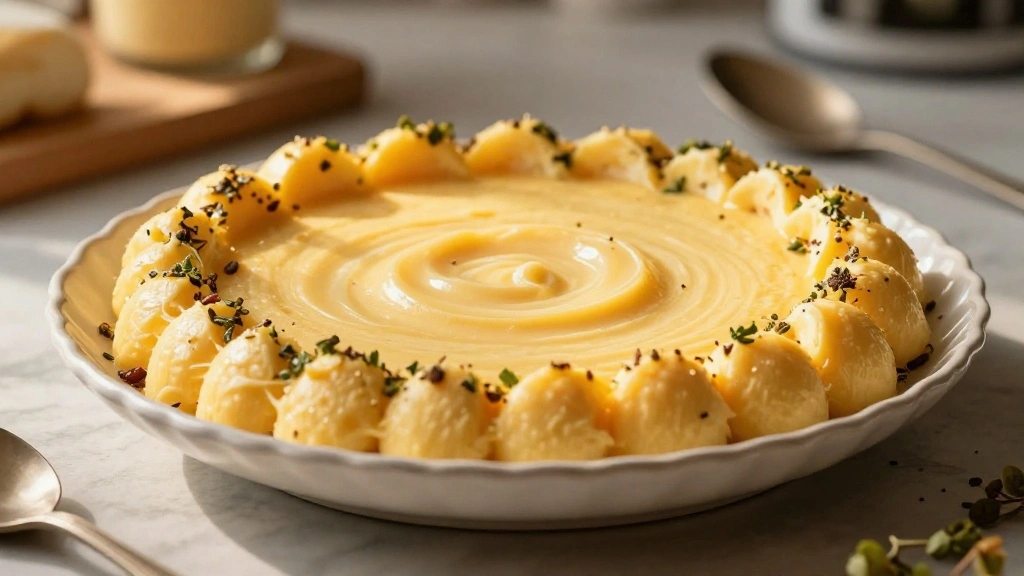
There’s nothing quite like a creamy, rich glass of classic eggnog to evoke the warmth and cheer of the holiday season.
This festive drink, with its luxurious blend of milk, cream, sugar, and spices, is a seasonal favorite that graces tables from Thanksgiving through New Year.
The velvety texture and nutmeg-kissed aroma make it an irresistible treat for gatherings and cozy nights by the fire.
Whether you’re a longtime fan or a first-time taster, this traditional recipe promises to deliver the perfect balance of sweetness and spice.
With a few simple steps, you’ll be able to craft a batch of homemade eggnog that rivals any store-bought variety.
Get ready to impress your family and friends with your culinary prowess.
The History and Cultural Significance
• The Best Classic Eggnog traces its origins to 13th-century England, where it was originally created by monks as a warm ale punch.
• The dish evolved over decades as it spread across the Atlantic, with American colonists substituting rum for ale and adding milk and eggs, eventually becoming the beloved version we know today.
• In North America, this dish traditionally appears at Christmas and holiday gatherings, symbolizing warmth, celebration, and hospitality.
• While many variations exist across different regions, the authentic version maintains a creamy texture and rich flavor profile that sets it apart from imitations.
Recipe Overview
Nutritional Information (per serving)
You Might Also Like
Essential Equipment Guide
Whisk: A sturdy whisk is essential for properly blending the egg yolks and sugar, ensuring a smooth and creamy texture. Alternatives like a hand mixer can work, but a whisk provides more control.
Saucepan: A heavy-bottomed saucepan helps evenly distribute heat, preventing the egg mixture from curdling. Look for a saucepan with a capacity of at least two quarts.
Fine Mesh Sieve: This tool is crucial for straining the eggnog to remove any cooked egg bits, resulting in a perfectly smooth beverage. A cheesecloth can be used as an alternative.
Ingredients
For the Base
|
| Amount | Ingredient | Notes |
|---|---|---|
| 6 large | egg yolks | adds richness and body |
| 1 cup | granulated sugar | provides sweetness |
For the Liquid
| Amount | Ingredient | Notes |
|---|---|---|
| 2 cups | whole milk | creates a creamy texture |
| 1 cup | heavy cream | adds richness |
Seasonings
| Amount | Ingredient | Notes |
|---|---|---|
| 1 teaspoon | vanilla extract | enhances flavor |
| 1 teaspoon | ground nutmeg | for warmth and spice |
Optional Additions
| Amount | Ingredient | Notes |
|---|---|---|
| 1/2 cup | rum or bourbon | for traditional flavor |
Preparation Methods
Tempering Eggs: Gradually introducing hot liquid to egg yolks to prevent curdling. It's crucial for achieving a smooth texture in custard-based dishes like eggnog. Start by slowly whisking a small amount of hot milk into the yolks, then gradually add more.
Infusing Spices: Allowing spices to steep in warm liquid to extract flavor. This step is essential for a balanced spice profile in eggnog. Let the nutmeg sit in the milk mixture for a few minutes before combining with other ingredients.
Chilling to Thicken: Cooling the eggnog in the refrigerator allows the flavors to meld and the mixture to thicken. Chill for at least two hours, stirring occasionally for even cooling.
Step 1: Prepare Ingredients
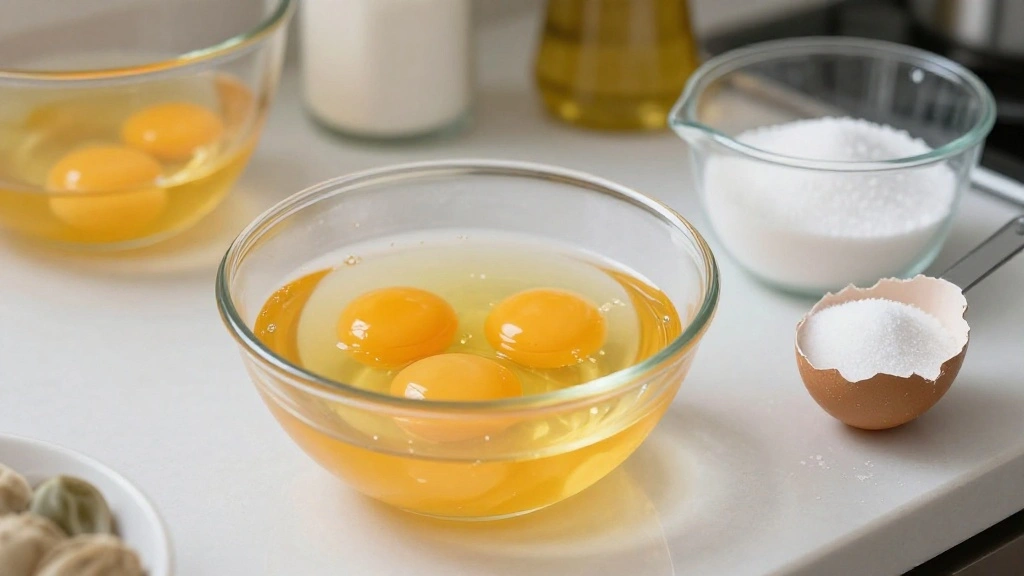
Separate the egg yolks from the whites and place the yolks in a mixing bowl.
Measure out the sugar and set it aside with the yolks.
Ensure all other ingredients are readily available on the counter.
Having everything prepped will make the process smoother.
Step 2: Whisk Egg Yolks and Sugar
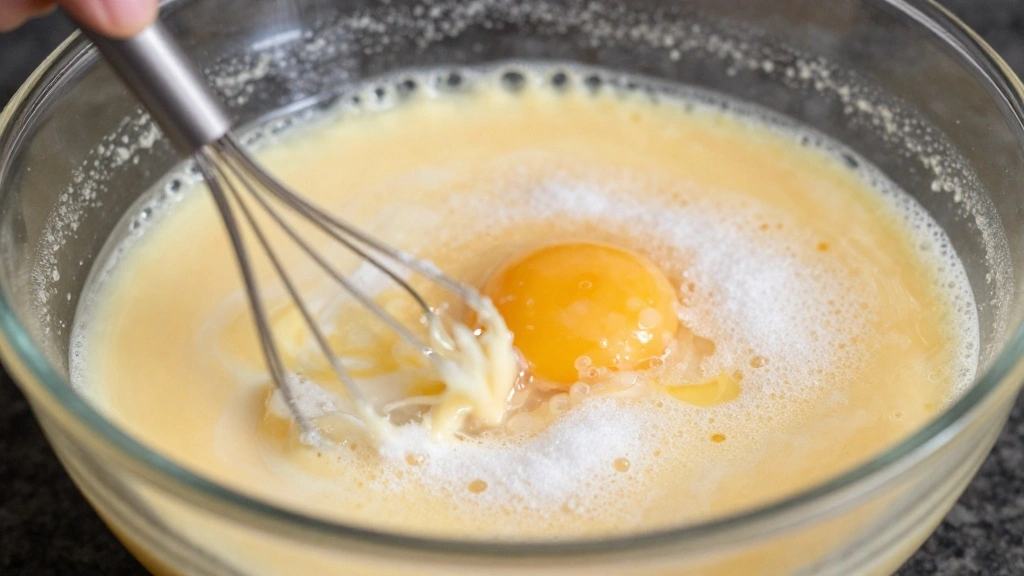
Begin by whisking the egg yolks until they become slightly frothy.
Gradually add the sugar to the yolks, continuing to whisk as you do.
The mixture should become pale and slightly thickened.
This step ensures the sugar is fully dissolved and incorporated.
Step 3: Heat Milk and Cream
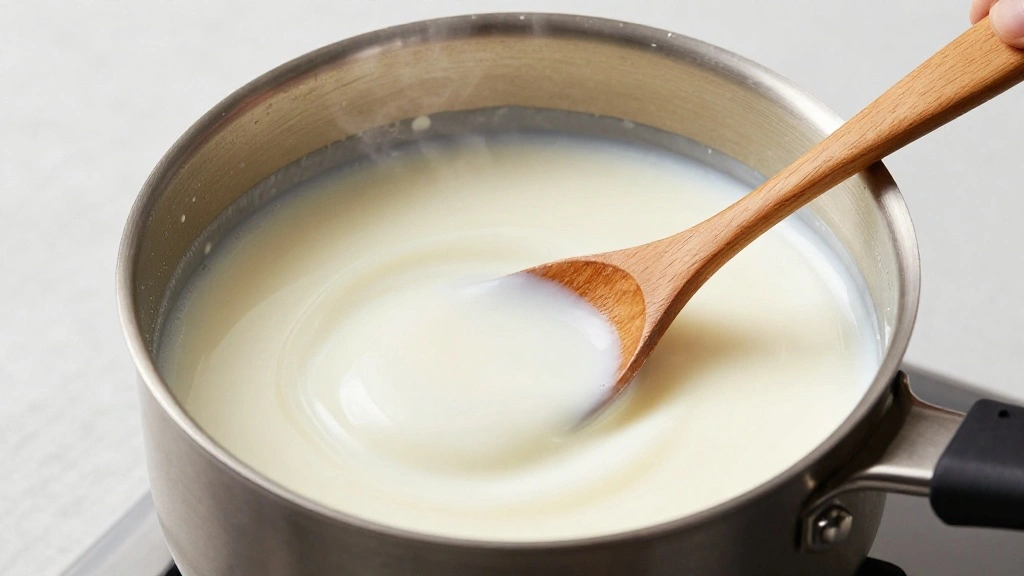
Pour the milk and cream into a heavy-bottomed saucepan.
Place the saucepan over medium heat and stir occasionally.
Heat until the mixture is warm but not boiling, around 165°F.
Be careful to avoid scalding the milk.
Step 4: Temper the Egg Mixture
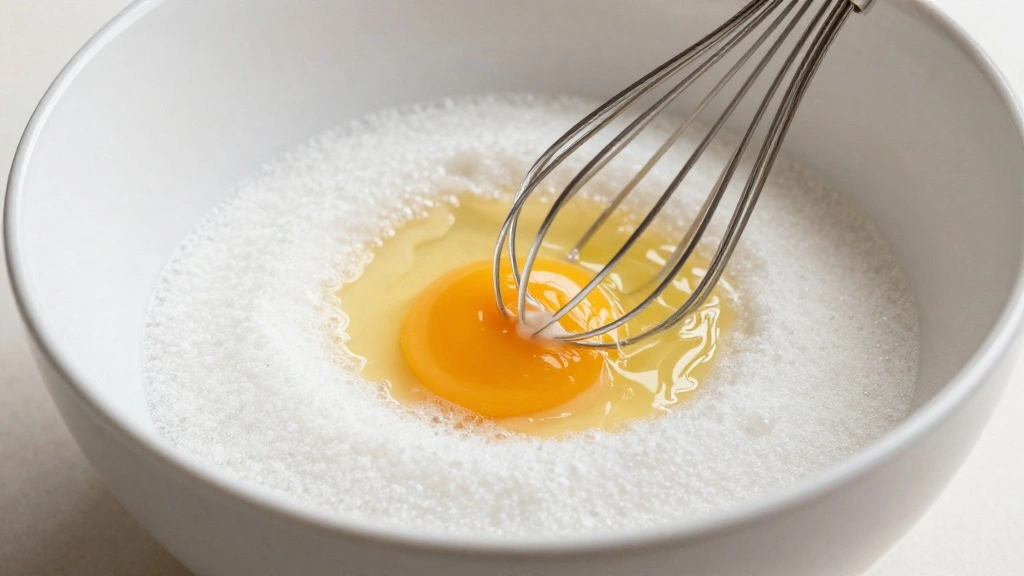
Slowly pour a small amount of the hot milk mixture into the egg yolks, whisking constantly.
Continue to add the milk gradually to prevent the eggs from cooking.
This step helps stabilize the eggs, integrating them smoothly.
Ensure the mixture is smooth and well combined.
Step 5: Combine and Cook
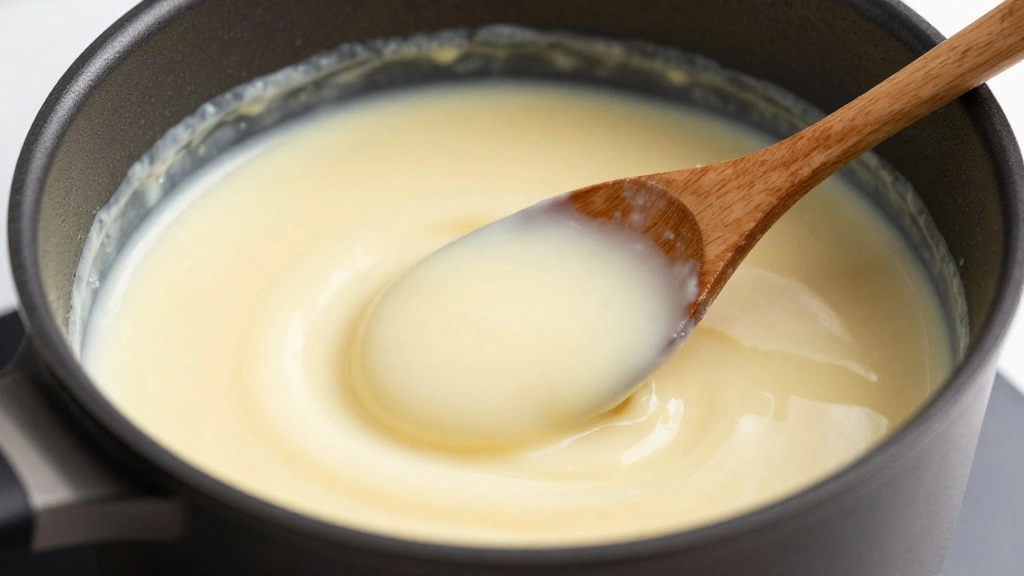
Pour the tempered egg mixture back into the saucepan with the remaining milk.
Return the saucepan to the stove over medium heat.
Stir constantly until the mixture thickens slightly and coats the back of a spoon.
Avoid allowing the mixture to boil.
Step 6: Add Flavorings
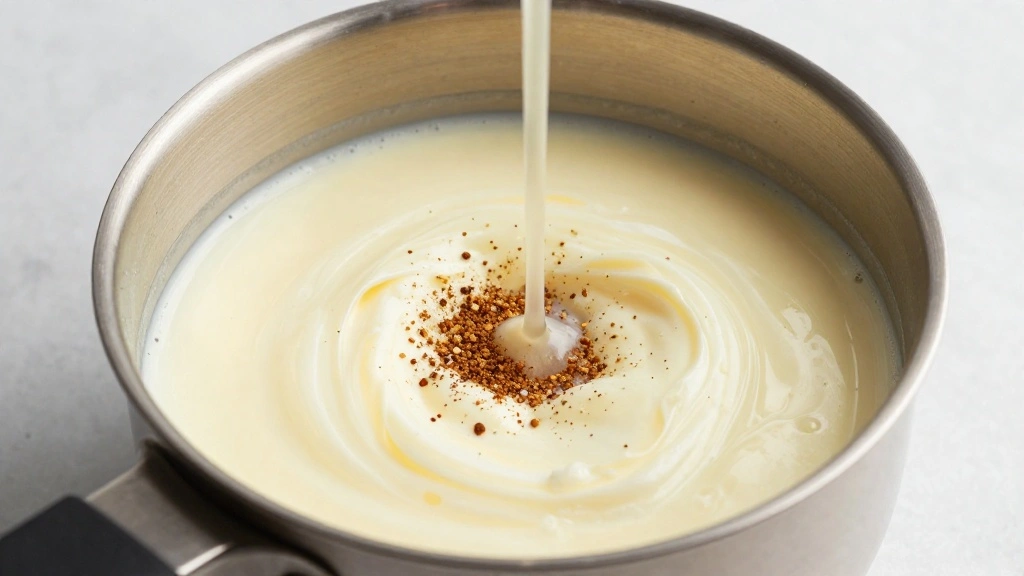
Remove the saucepan from heat once the desired thickness is reached.
Stir in the vanilla extract and ground nutmeg, mixing thoroughly.
If using alcohol, add it at this stage for a traditional touch.
Ensure all flavorings are evenly distributed.
Step 7: Strain and Cool
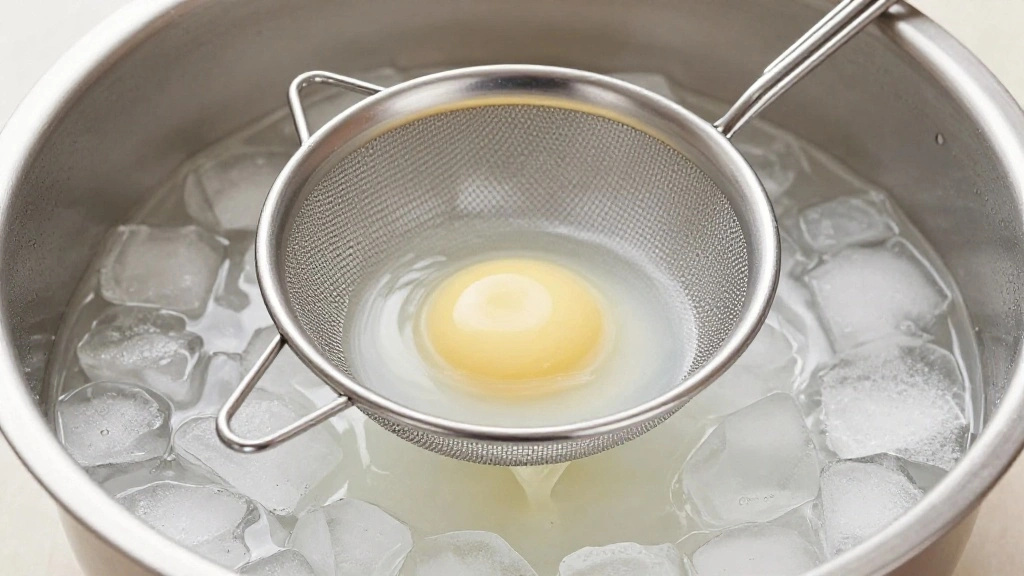
Pour the eggnog through a fine mesh sieve into a clean bowl to remove any solids.
Place the bowl in an ice bath to cool the mixture quickly.
Stir occasionally to aid the cooling process.
This step ensures a smooth final product.
Step 8: Chill in Refrigerator
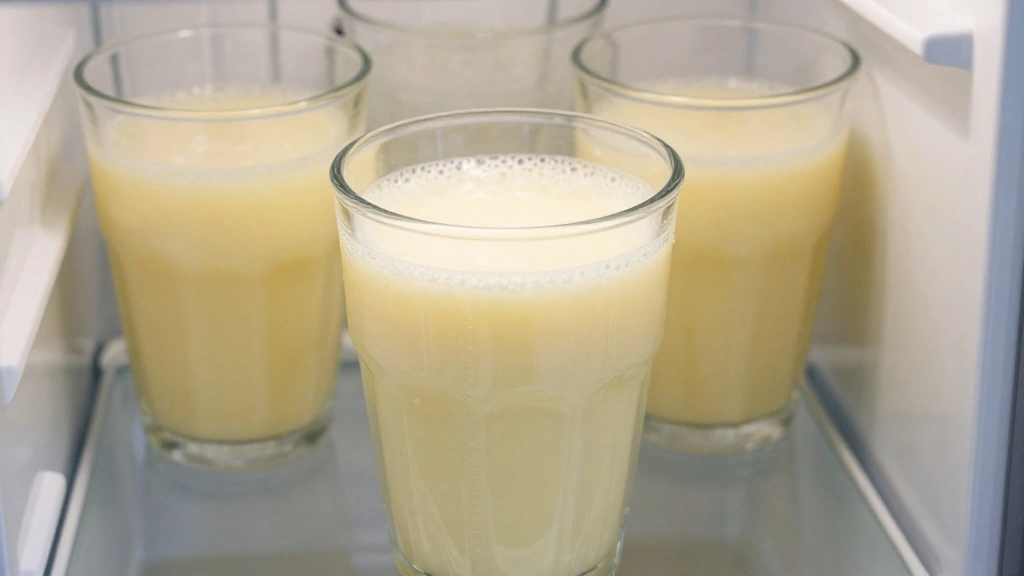
Transfer the cooled eggnog to a pitcher or airtight container.
Refrigerate for at least 2 hours to allow flavors to meld.
Stir the eggnog occasionally to ensure even cooling.
Serve chilled for the best flavor experience.
Critical Timing and Temperature Guide
Tempering Eggs: Slowly add hot milk to eggs in 1/4 cup increments, whisking constantly. Watch for a smooth, cohesive mixture without lumps, and avoid adding milk too quickly.
Cooking the Mixture: Heat the combined egg and milk mixture to 160°F, ensuring it thickens to coat the back of a spoon. Avoid boiling, which can curdle the eggs and ruin the texture.
Chilling the Eggnog: Chill in the refrigerator for at least 2 hours, stirring occasionally. Ensure the eggnog is properly chilled before serving for optimal flavor and texture.
Pro Tips for the Best Classic Eggnog
• Ingredient Selection: Choose high-quality, fresh eggs and whole milk for the creamiest texture and richest flavor.
• Preparation Secret: Whisk the egg yolks and sugar until they are very pale and thick, which ensures a smooth, velvety texture.
• Temperature Management: Always temper the eggs with care to avoid scrambling. Maintaining a low, even heat is crucial.
• Texture Enhancement: Strain the eggnog to remove any cooked egg bits for a silky smooth finish.
• Flavor Layering: Add a touch of freshly grated nutmeg right before serving for a burst of aromatic warmth.
• Make-Ahead Strategies: Prepare the eggnog a day in advance and store it in the refrigerator to allow flavors to deepen.
• Restaurant-Quality Finishing Touches: Garnish with a sprinkle of nutmeg or a cinnamon stick for an elegant presentation.
• Equipment Optimization: Use a heavy-bottomed saucepan to prevent hot spots and ensure even cooking.
Troubleshooting Common Issues
• Texture Too Thick: If the eggnog becomes too thick, it may have cooked too long. Thin it with additional milk or cream.
• Curdled Mixture: This occurs when the eggs are cooked too quickly. Strain the mixture and blend it for a smoother texture.
• Flavors Unbalanced: If the eggnog tastes too sweet, add a pinch of salt or a bit more nutmeg to balance it out.
• Eggy Flavor: This can happen if the yolks aren't whisked properly with the sugar. Ensure they are pale and thick before adding milk.
• Lack of Creaminess: Ensure you're using whole milk and heavy cream for the richest texture.
• Alcohol Separation: If using alcohol, integrate it thoroughly to prevent it from separating from the mixture.
Variations and Regional Differences
• Puerto Rican Coquito: This version includes coconut milk, sweetened condensed milk, and spices like cinnamon and cloves, offering a tropical twist.
• Mexican Rompope: Similar to eggnog but typically includes almonds and is served as a dessert drink, often with a higher alcohol content.
• Venezuelan Ponche Crema: Made with sweetened condensed milk, lemon zest, and dark rum, this variation is smooth and citrusy.
• Eggless Nog: A modern adaptation for those avoiding raw eggs, using thickened milk and cream with similar spices for flavor.
Food Science Behind the Recipe
• Protein Coagulation: Understanding how egg proteins coagulate at different temperatures helps prevent curdling and ensures a smooth texture.
• Emulsification: The process of blending fat and water-based ingredients (milk and cream) is key to achieving a creamy, homogeneous mixture.
• Flavor Extraction: The process of infusing spices in a warm liquid releases essential oils, enhancing the depth and complexity of flavors.
Frequently Asked Questions
What's the most common mistake people make when preparing eggnog? Overheating the mixture, which can cause the eggs to curdle and ruin the texture.
Can I make eggnog without alcohol? Yes, simply omit the alcohol, and you can add extra vanilla or spices for flavor.
How long can I store homemade eggnog? Homemade eggnog can be stored in the refrigerator for up to 3 days in an airtight container.
Can I use low-fat milk instead of whole milk? You can, but the eggnog will be less rich and creamy.
Is it safe to consume raw eggs in eggnog? If you're concerned, use pasteurized eggs or cook the mixture to 160°F for safety.
Can I substitute non-dairy milk? Yes, almond milk or coconut milk can be used, but they will alter the flavor and texture.
How can I make eggnog thicker? For a thicker consistency, reduce the amount of milk or add an extra egg yolk.
Serving and Presentation Guide
• Traditional Presentation: Serve in clear glass mugs or cups with a sprinkle of nutmeg and a cinnamon stick for garnish.
• Modern Chic: Present in stemless wine glasses with a dollop of whipped cream and a dusting of cocoa powder.
• Family Style: Pour into a large punch bowl with floating star anise and sliced oranges for a festive centerpiece.
• Cozy Comfort: Serve warm in ceramic mugs with a touch of grated chocolate on top for a comforting experience.
Conclusion
Crafting the perfect classic eggnog is a rewarding process that brings the joy of the holiday season into your home.
With its rich flavors and creamy texture, this traditional drink is sure to be a hit at any holiday gathering.
Embrace the warmth and nostalgia with each sip, and enjoy the compliments from family and friends.
Give this recipe a try and make it a cherished part of your holiday traditions.