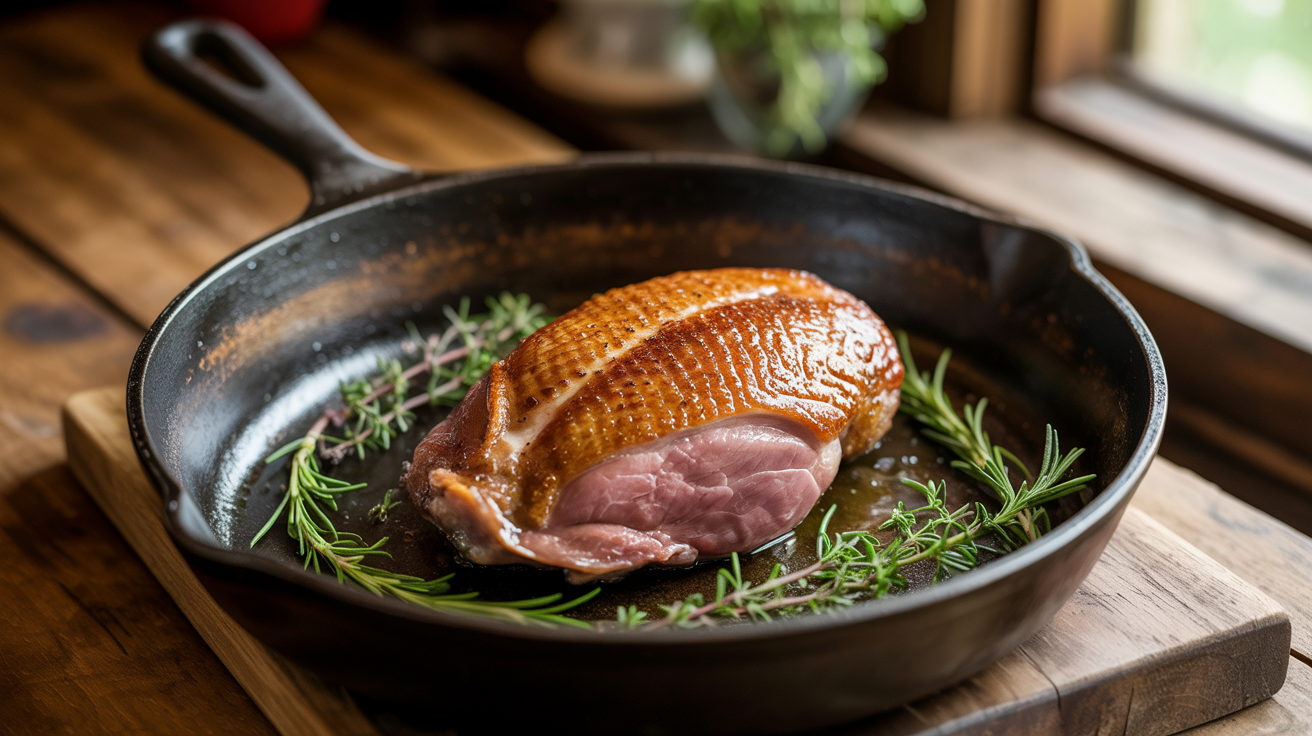
Pan Seared Duck Breast Recipe – Perfect Crispy Skin
This pan seared duck breast recipe transforms a premium cut into a restaurant-worthy masterpiece with minimal effort and maximum flavor. The secret lies in proper scoring, temperature control, and patience to achieve that coveted crispy skin while keeping the meat perfectly pink and juicy.
Duck breast offers an incredibly rich, complex flavor that sits beautifully between chicken and red meat. When pan-seared correctly, the fat renders out slowly, creating an irresistibly crispy skin that crackles with each bite while the meat remains tender and succulent.
Whether you are planning an intimate date night or impressing dinner guests, this elegant dish elevates any occasion. The technique might seem intimidating, but with the right approach, you will master this classic preparation and have a go-to recipe for special moments.
This pan seared duck breast recipe delivers restaurant-quality results with perfectly crispy skin and succulent, tender meat. The simple technique requires minimal ingredients but maximum flavor impact. Make this impressive dish tonight for an unforgettable dinner experience.
Ingredients
| AMOUNT | INGREDIENT | NOTES |
|---|---|---|
| 2 large | duck breasts | skin-on, about 6-8 oz each |
| 1 teaspoon | kosher salt | for seasoning |
| 1/2 teaspoon | black pepper | freshly ground |
| 2 sprigs | fresh thyme | optional for aromatics |
| 2 cloves | garlic | smashed, optional |
| 1 tablespoon | butter | unsalted, for basting |
Instructions

Nutrition (per serving)
About This Recipe
Duck has been a prized protein in French cuisine for centuries, with pan-searing emerging as one of the most celebrated cooking methods during the height of classical French cooking. The technique of scoring the skin and slow-rendering the fat became standard practice in professional kitchens throughout France, where chefs understood that patience and proper heat management were essential to unlocking the full potential of this luxurious ingredient.
The popularity of pan-seared duck breast spread throughout fine dining establishments worldwide during the 20th century, becoming a hallmark of sophisticated cuisine. Today, this cooking method remains the gold standard for preparing duck breast, offering home cooks the opportunity to create restaurant-quality results with proper technique and attention to detail.
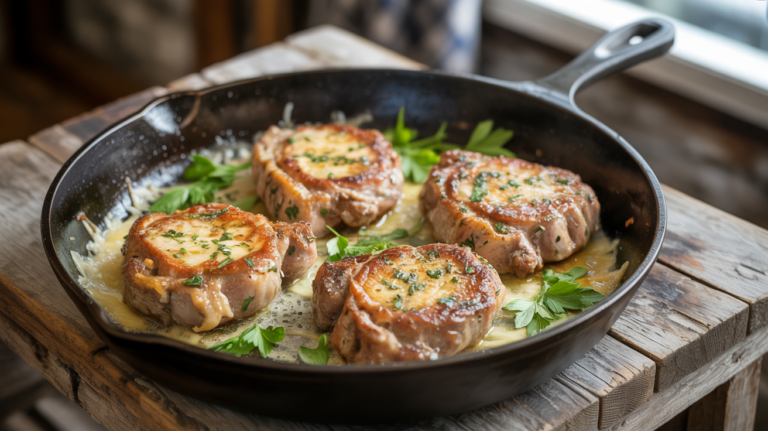
Plated and Ready to Serve

Pro Tips for Best Results
- Start with a cold pan to slowly render the fat and achieve maximum crispiness
- Score the skin deeply but avoid cutting into the meat underneath
- Save the rendered duck fat for roasting potatoes or vegetables
- Let the duck rest after cooking to redistribute juices throughout the meat
- Slice against the grain for the most tender texture
Essential Equipment
Cast Iron Skillet: Provides even heat distribution and excellent heat retention for proper fat rendering.
Sharp Knife: Essential for scoring the duck skin in a precise crosshatch pattern.
Meat Thermometer: Ensures perfect doneness without overcooking the delicate meat.
Paper Towels: Needed for patting the duck dry before cooking for optimal skin crispiness.
Variations
Orange Glazed: Brush with orange marmalade and soy sauce glaze during the last minute of cooking.
Cherry Port Sauce: Serve with a reduction of port wine, dried cherries, and shallots.
Asian Style: Season with five-spice powder and serve with hoisin sauce and scallions.
Frequently Asked Questions
What internal temperature should duck breast reach?
Duck breast is best served at 135°F for medium-rare, which keeps the meat tender and juicy while ensuring food safety.
Can I cook duck breast without the skin?
While possible, the skin provides essential fat for flavor and moisture. Cooking without skin may result in dry meat.
How do I store leftover duck breast?
Store sliced duck breast in the refrigerator for up to 3 days and reheat gently to avoid overcooking.
Can I freeze cooked duck breast?
Yes, wrap tightly and freeze for up to 2 months, though texture may be slightly affected upon thawing.