Best Tandoori Chicken Recipe – Bold & Smoky Flavor
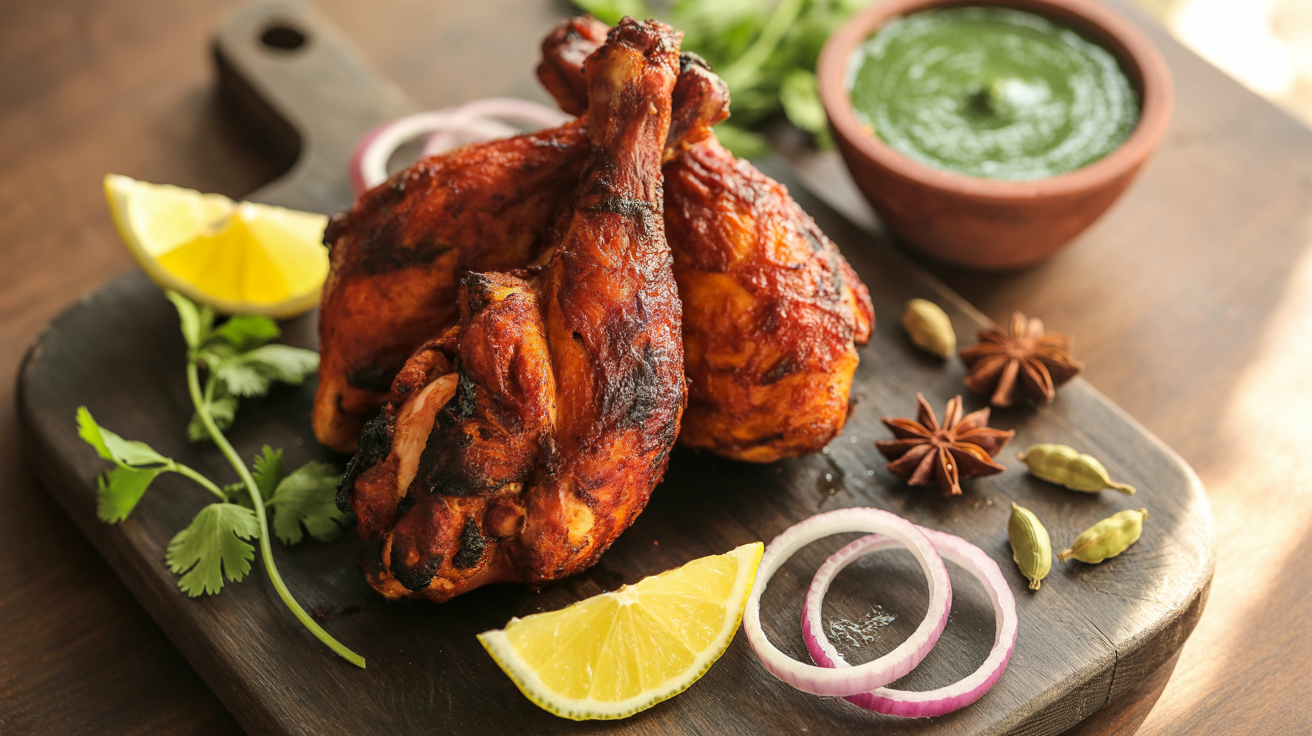
This tandoori chicken recipe is the ultimate way to bring bold, restaurant-quality Indian flavors straight to your home kitchen without any special equipment. The magic lies in a deeply spiced yogurt marinade that tenderizes the chicken while infusing every bite with warming aromatics like cumin, coriander, and garam masala. Whether you cook it in a broiler, on a grill, or in a cast iron pan, the results are absolutely stunning.
What makes tandoori chicken so irresistible is the combination of char and spice. The high-heat cooking method creates those iconic slightly scorched edges while keeping the inside incredibly moist and succulent. The marinade does the heavy lifting overnight, meaning you wake up with dinner practically ready to go. This is the kind of recipe that impresses guests but requires minimal effort on your part.
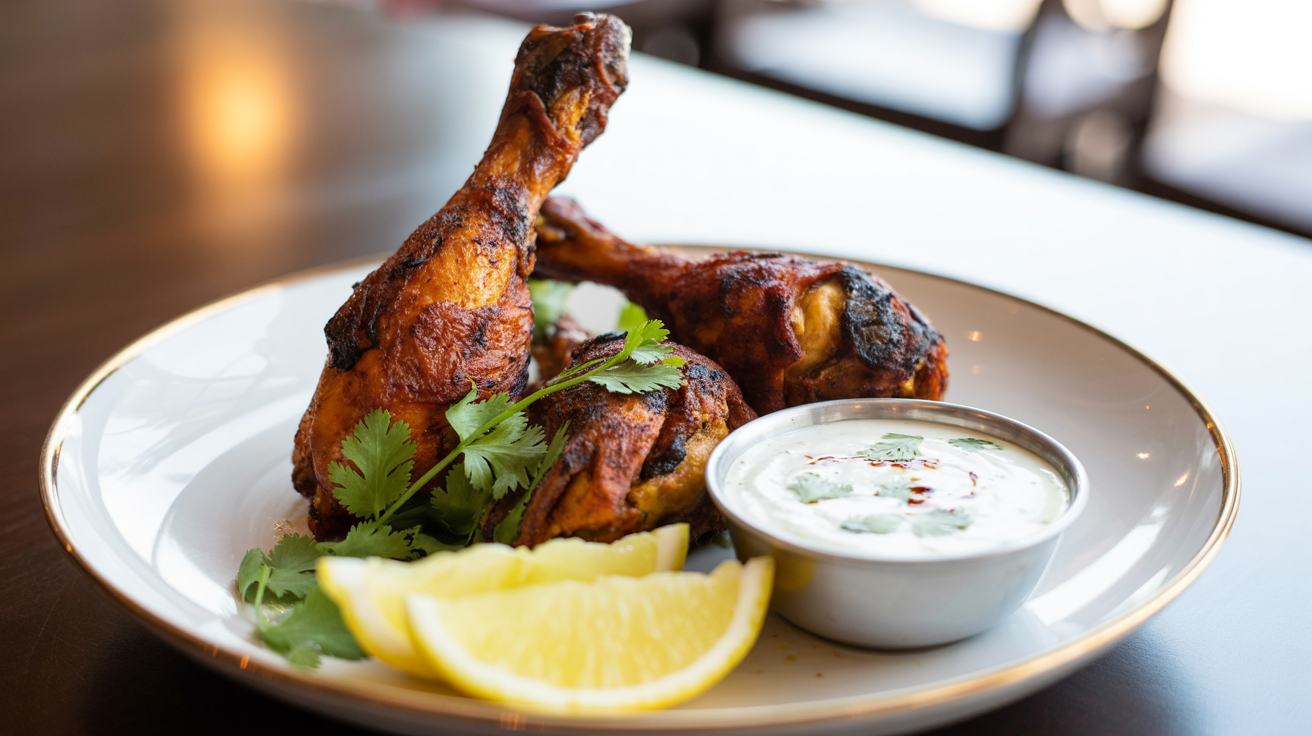
Served alongside fluffy naan, cooling raita, and a squeeze of fresh lemon juice, this dish transforms an ordinary evening into something truly special. It is naturally gluten free, high in protein, and pairs beautifully with a wide range of sides. Once you try a homemade tandoori chicken recipe, you will never look at takeout the same way again.
This tandoori chicken recipe delivers incredibly juicy, smoky, and spiced chicken with a vibrant marinade that penetrates deep into the meat. Packed with bold Indian flavors and easy enough for any home cook, this is the dish your weeknight dinner rotation has been waiting for.
Ingredients
| AMOUNT | INGREDIENT | NOTES |
|---|---|---|
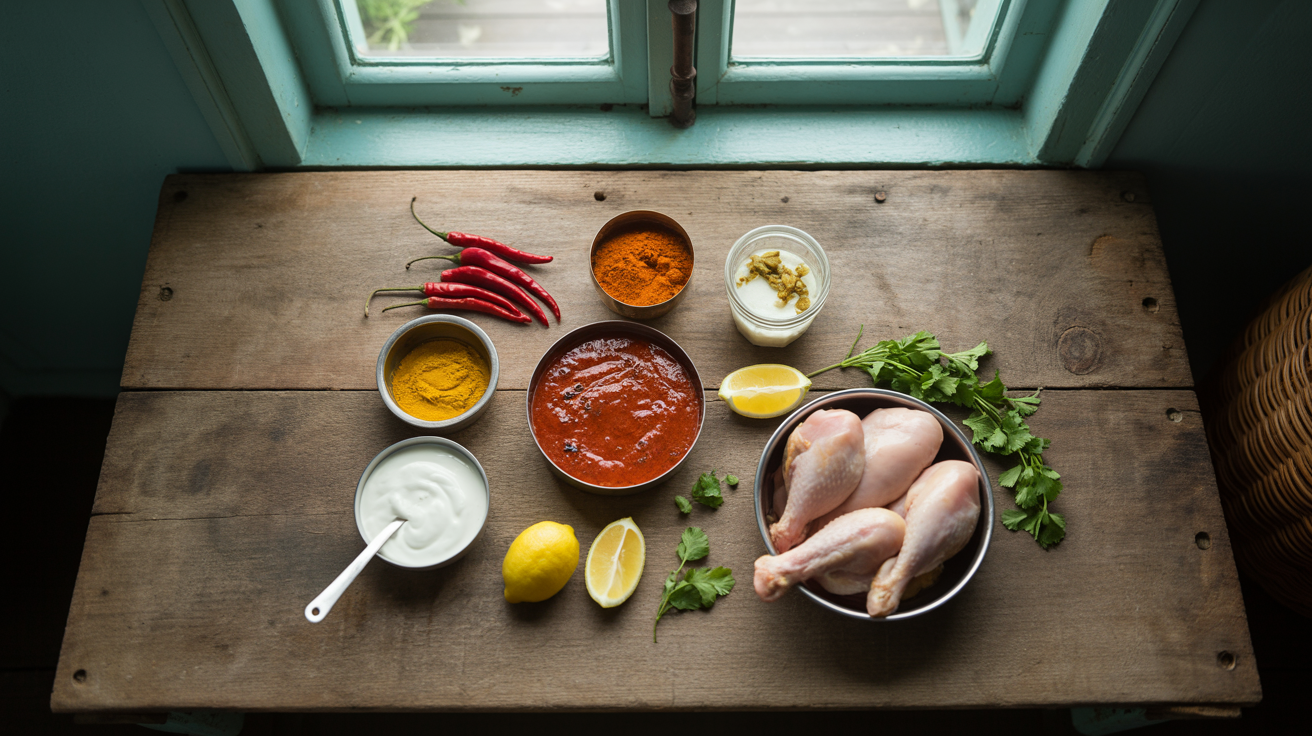
| 3 pounds | bone-in chicken pieces | drumsticks and thighs work best; skin-on or skinless both work |
| 1 cup | plain whole milk yogurt | Greek yogurt works great for a thicker marinade |
| 3 tablespoons | fresh lemon juice | about 1 large lemon; also used for serving |
| 4 cloves | garlic | freshly grated or minced fine |
| 1 tablespoon | fresh ginger | grated; do not substitute dried |
| 2 tablespoons | neutral oil | avocado or vegetable oil preferred |
| 2 teaspoons | garam masala | store-bought or homemade blend |
| 2 teaspoons | smoked paprika | adds color and a subtle smokiness |
| 1 teaspoon | Kashmiri red chili powder | substitute cayenne for more heat or sweet paprika for mild |
| 1.5 teaspoons | ground cumin | freshly ground is more fragrant |
| 1 teaspoon | ground coriander | balances the heat with earthy warmth |
| 1 teaspoon | ground turmeric | adds color and anti-inflammatory properties |
| 1.5 teaspoons | kosher salt | adjust to taste |
| 1 teaspoon | black pepper | freshly ground |
| 1 tablespoon | dried fenugreek leaves | also called kasuri methi; optional but highly recommended |
| 2 tablespoons | fresh cilantro | chopped, for garnish |
| 1 whole | lemon | sliced into wedges for serving |
| 1 medium | red onion | thinly sliced into rings for serving |
Instructions
Nutrition (per serving)
About This Recipe
Tandoori chicken traces its roots to the Punjab region of the Indian subcontinent, with its modern popularity largely credited to Kundan Lal Gujral, who is said to have developed the dish in the 1940s at his restaurant Moti Mahal in Peshawar, which later moved to Delhi. The name comes from the tandoor, a cylindrical clay oven that reaches scorching temperatures of up to 900 degrees Fahrenheit, giving the chicken its distinctive charred exterior and smoky depth. The dish quickly became a staple of North Indian cuisine and spread across the globe as Indian restaurants opened in cities worldwide.
Over the decades, tandoori chicken evolved from a street food and restaurant specialty into a beloved home cooking classic. The spice blend used in the marinade, often called tandoori masala, varies by region and family tradition, with each cook adding their own personal touch. The striking red-orange color traditionally came from Kashmiri red chili peppers, though many modern recipes use a combination of paprika and food coloring. Today, tandoori chicken is recognized internationally as one of India’s most iconic dishes, celebrated for its versatility, bold flavor profile, and the way it perfectly balances heat, tang, and earthiness.
Ready to Serve
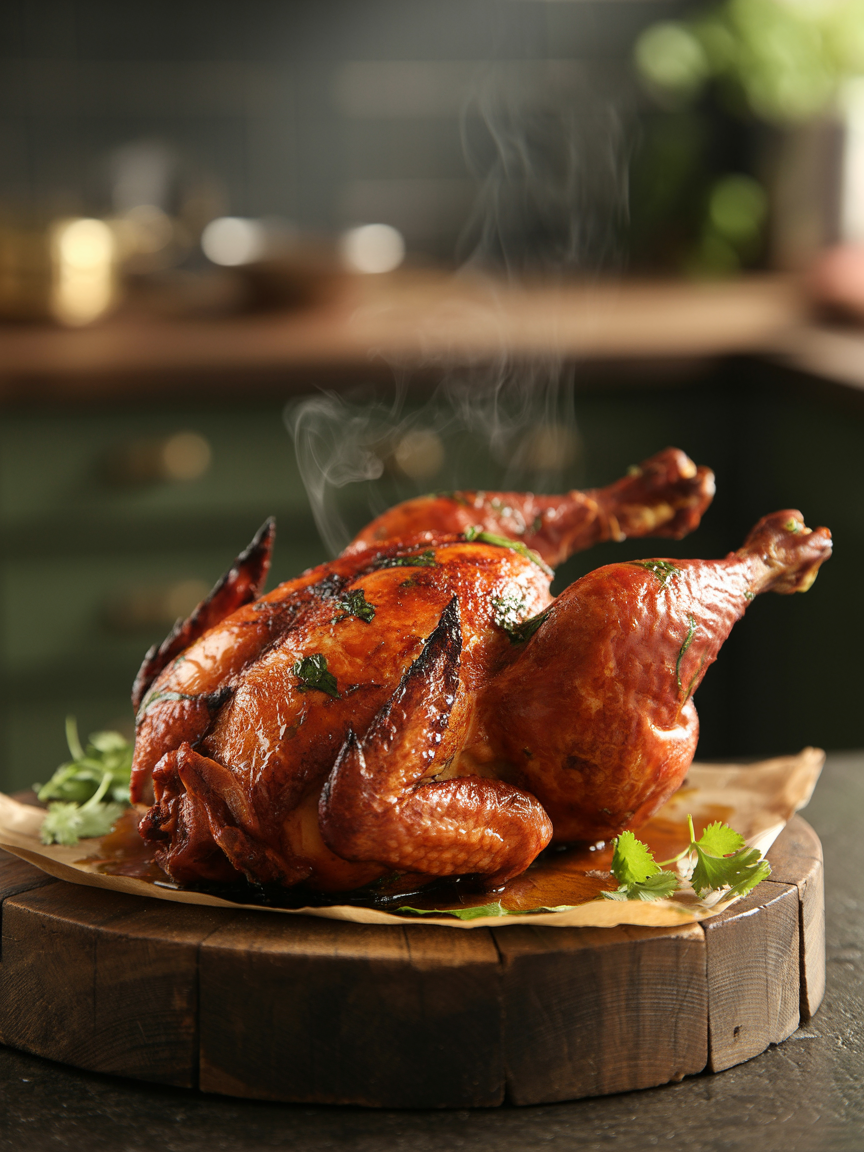
A Closer Look
Pro Tips for Best Results
- Always score the chicken all the way to the bone before marinating. Shallow cuts will not allow the marinade to reach the inner meat, resulting in a well-spiced exterior but bland interior. Deep scoring is non-negotiable for authentic flavor.
- Longer marinating time makes a dramatic difference. If you can plan ahead, marinate the chicken for a full 24 hours. The lactic acid in the yogurt gently breaks down muscle fibers over time, resulting in incredibly tender and juicy meat with deep spice penetration.
- Use bone-in chicken pieces rather than boneless breasts. Bones conduct heat and add flavor during cooking, and the higher fat content in thighs and drumsticks keeps the chicken moist even under the intense heat of a broiler or grill.
- Do not skip the resting period after cooking. Letting the chicken rest for at least 5 minutes before cutting allows the internal juices to redistribute. Cutting too soon will cause all those flavorful juices to run out onto the cutting board instead of staying in the meat.
- For a more authentic smoky flavor without a tandoor oven, finish the cooked chicken over a direct flame on a gas burner for 20 to 30 seconds per side, or use a smoking chip pouch on your outdoor grill. A very hot cast iron grill pan also produces excellent char marks and caramelization that mimics the tandoor effect.
Essential Equipment
Oven Broiler or Outdoor Grill: High direct heat is essential for achieving the signature char and smoky flavor that defines tandoori chicken.
Large Mixing Bowl: Needed for combining the marinade ingredients and fully coating the chicken pieces.
Sharp Chef Knife: For scoring the chicken deeply so the marinade penetrates all the way to the bone.
Wire Rack with Baking Sheet: Elevating the chicken allows heat to circulate evenly and lets juices drip away for better browning.
Tongs: For safely turning the chicken during cooking without piercing the meat and losing precious juices.
Meat Thermometer: Ensures the chicken reaches a safe internal temperature of 165 degrees Fahrenheit without overcooking.
Variations
Grilled Tandoori Chicken: Preheat your outdoor grill to high heat around 450 to 500 degrees Fahrenheit. Grill the marinated chicken over direct heat for 5 to 6 minutes per side to develop char, then move to indirect heat and close the lid to finish cooking through. The open flame adds an incredible layer of smokiness that comes closest to the original tandoor cooking method.
Tandoori Chicken Tikka: Use boneless, skinless chicken breast or thigh cut into 1.5-inch cubes instead of whole pieces. Thread onto soaked wooden or metal skewers and broil or grill for 8 to 10 minutes, turning once. This is the base preparation for the beloved chicken tikka masala and is also wonderful served as an appetizer with mint chutney.
Extra Spicy Version: Double the Kashmiri chili powder and add 1 teaspoon of cayenne pepper to the marinade. You can also stir in 1 teaspoon of hot smoked paprika and a finely minced fresh green chili for a fiery kick that still maintains the characteristic tandoori flavor profile. Serve with extra cooling raita to balance the heat.
Dairy Free Tandoori Chicken: Replace the dairy yogurt with an equal amount of full-fat coconut milk yogurt or plain unsweetened cashew yogurt. The marinade will be slightly thinner but will still adhere well to the scored chicken. Coconut yogurt adds a very subtle tropical undertone that actually complements the warm spices beautifully.
Tandoori Cauliflower: Use the exact same marinade on large cauliflower florets or thick slices of cauliflower steak for a stunning vegetarian and vegan alternative. Marinate for just 1 to 2 hours, then broil on a wire rack for 15 to 18 minutes until deeply caramelized and tender. Serve exactly the same way as the chicken version for an impressive plant-based centerpiece.
Frequently Asked Questions
Can I make tandoori chicken without a tandoor oven?
Absolutely. The vast majority of home cooks make this dish using a standard oven broiler, outdoor grill, or even a cast iron grill pan. While a traditional clay tandoor reaches extremely high temperatures that are hard to replicate, a broiler set to high and positioned close to the heating element comes remarkably close. The key is high, direct heat and a good wire rack setup.
How long should I marinate the chicken?
The minimum marinating time for any noticeable flavor penetration is 4 hours, but the ideal window is between 12 and 24 hours in the refrigerator. Marinating longer than 24 hours is not recommended because the acid in the lemon juice and yogurt can begin to break down the protein too aggressively, resulting in a mushy texture rather than tender meat.
Can I prepare tandoori chicken ahead of time?
Yes, this recipe is excellent for meal prep. You can marinate the raw chicken up to 24 hours in advance. Fully cooked tandoori chicken keeps well in an airtight container in the refrigerator for up to 4 days and reheats beautifully in a 375 degree Fahrenheit oven for 10 minutes or under the broiler for 3 to 4 minutes to refresh the char.
Can I freeze tandoori chicken?
Yes, in two ways. First, you can freeze the raw chicken in the marinade for up to 3 months. Simply thaw overnight in the refrigerator and cook as directed. Second, fully cooked tandoori chicken can be frozen in an airtight container or freezer bag for up to 3 months. Thaw overnight and reheat in the oven. The texture is best when frozen raw in the marinade rather than after cooking.
What gives tandoori chicken its red color?
Traditionally the deep red-orange color comes from Kashmiri red chili peppers, which have a vibrant color but relatively mild heat. In home cooking, a combination of Kashmiri chili powder, smoked paprika, and turmeric achieves a similar color naturally. Some restaurants and commercial recipes use food coloring to enhance the red hue, but it is entirely optional and not necessary for authentic flavor.
Is tandoori chicken gluten free?
Yes, this tandoori chicken recipe is naturally gluten free as written. All of the spices, yogurt, and other ingredients are inherently free of gluten. However, always check your specific garam masala blend and spice labels, as some commercial spice mixes can contain fillers or be processed in facilities that handle wheat. Serve with gluten free sides or rice instead of naan if strict avoidance is necessary.