Chorizo Pasta Recipe: Spicy, Bold and Ready in 30 Min
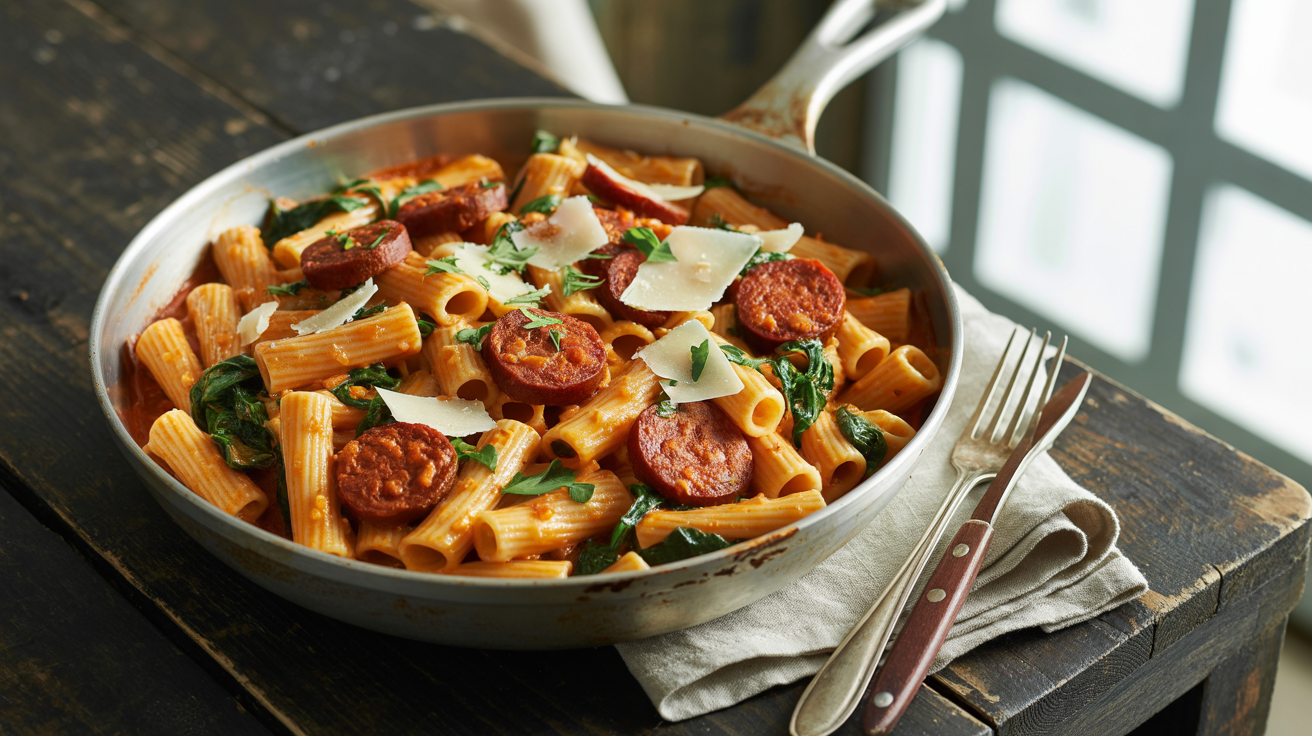
This chorizo pasta recipe is the kind of bold, satisfying dinner that feels like it came straight from a restaurant kitchen but comes together in just 30 minutes on your stovetop. Smoky Spanish chorizo renders its rich, paprika-laced fat directly into the pan, creating a flavor-packed base that transforms a simple tomato cream sauce into something truly extraordinary. Every bite delivers layers of smoky, spicy, and savory flavor that will have everyone at the table reaching for seconds.
What makes this dish so special is the beautiful simplicity behind it. There are no complicated techniques or hard-to-find ingredients. The chorizo does most of the heavy lifting, infusing the oil with its deep red color and earthy spice from the very first moment it hits the pan. When you build the sauce on top of that flavorful foundation, adding sweet onions, garlic, crushed tomatoes, and a touch of cream, the result is a sauce so good you will want to eat it straight from the pan with a spoon.
Whether you are cooking a quick weeknight dinner for the family or looking for an impressive dish to serve guests at your next dinner party, this spicy chorizo pasta delivers every single time. It is endlessly customizable, works beautifully with whatever short pasta you have in the pantry, and reheats like a dream for next-day leftovers. Make it once and you will have a permanent new addition to your regular dinner rotation.
This bold and smoky chorizo pasta recipe brings together spicy Spanish chorizo, al dente pasta, and a rich tomato cream sauce in just 30 minutes. Packed with flavor and incredibly easy to make, this is the weeknight dinner your table has been waiting for.
Ingredients
| AMOUNT | INGREDIENT | NOTES |
|---|---|---|
| 12 oz | rigatoni or penne pasta | or your preferred short pasta shape |
| 8 oz | Spanish chorizo sausage | sliced into half-inch rounds, casing removed if preferred |
| 2 tablespoons | olive oil | extra virgin |
| 1 medium | yellow onion | finely diced |
| 4 cloves | garlic | minced |
| 1 teaspoon | smoked paprika | adds depth and color |
| 1 teaspoon | red pepper flakes | adjust to your heat preference |
| 1 can | crushed tomatoes | 14 oz, San Marzano preferred |
| 0.5 cup | heavy cream | or half and half for a lighter sauce |
| 0.5 cup | pasta cooking water | reserved before draining |
| 1 cup | baby spinach | loosely packed, optional but recommended |
| 0.5 cup | Parmesan cheese | freshly grated, plus more for serving |
| 1 tablespoon | fresh flat-leaf parsley | chopped, for garnish |
| 1 teaspoon | kosher salt | plus more for pasta water |
| 0.5 teaspoon | black pepper | freshly ground |
Instructions
Nutrition (per serving)
About This Recipe
Chorizo traces its roots to the Iberian Peninsula, where Spanish and Portuguese cooks began crafting cured and fresh pork sausages seasoned with smoked paprika, garlic, and chili peppers as far back as the 15th century. The distinctive deep red color and smoky heat of chorizo became a defining feature of Spanish cuisine, and the sausage quickly spread throughout Latin America and beyond as explorers and colonizers carried their culinary traditions with them across continents.
Pasta, of course, is synonymous with Italian cooking, but the marriage of Spanish chorizo with pasta is a wonderfully modern fusion that reflects the global, boundary-crossing nature of contemporary home cooking. As Spanish tapas culture grew in popularity across Europe and North America in the late 20th century, home cooks began experimenting with chorizo in non-traditional applications. The result was dishes like this spicy chorizo pasta, which blends the smoky depth of Iberian charcuterie with the comforting heartiness of Italian-style pasta dishes, creating something entirely unique and utterly delicious.
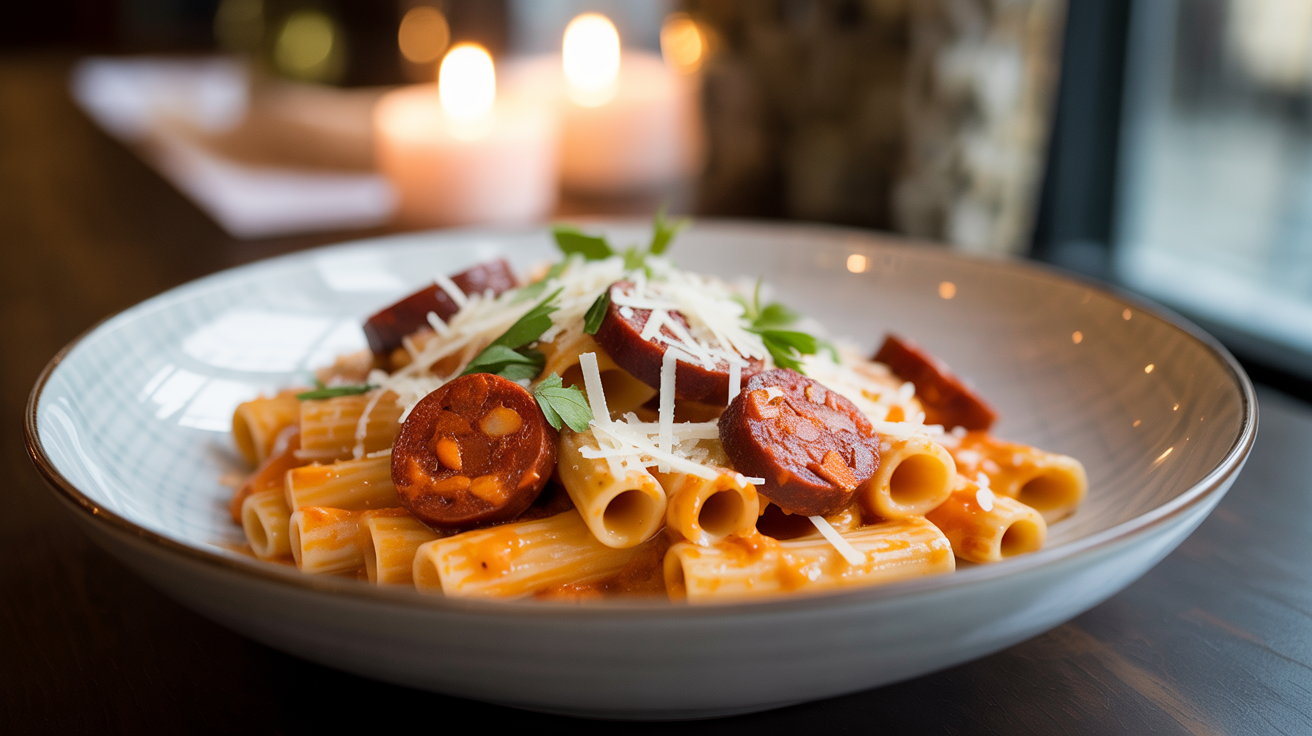
Plated and Ready to Serve
Pro Tips for Best Results
- Always reserve pasta water before draining. The starch in the water acts as a natural emulsifier, helping the cream and tomato sauce cling together and coat the pasta perfectly rather than sitting in a pool at the bottom of the bowl.
- Use Spanish dry-cured chorizo for a deeper, smokier flavor and crispier texture. If you can only find Mexican fresh chorizo, remove it from the casing and cook it crumbled like ground meat, which will give you a different but equally delicious result.
- Do not rush the chorizo browning step. Those crispy caramelized edges and the flavorful red-orange oil that renders out are the foundation of the entire dish. That oil carries the paprika and spice through every element of the sauce.
- Cook your pasta one minute less than the package instructions suggest. The pasta will finish cooking in the hot sauce as you toss it, absorbing the flavors and reaching the perfect al dente texture without becoming overcooked or mushy.
- Freshly grated Parmesan makes a noticeable difference compared to pre-shredded varieties. Pre-shredded cheese contains anti-caking agents that prevent it from melting smoothly into the sauce, leaving a grainy texture instead of a silky finish.
Essential Equipment
Large Skillet or Saute Pan: A wide surface area allows the chorizo to brown evenly and gives the sauce room to reduce properly without steaming.
Large Pasta Pot: Pasta needs plenty of boiling salted water to cook evenly and prevent sticking.
Chef Knife: Essential for slicing chorizo into even rounds and finely dicing onions and garlic.
Wooden Spoon or Silicone Spatula: Ideal for breaking up chorizo and stirring the sauce without scratching your pan.
Colander: For draining the pasta quickly while reserving that starchy pasta water for the sauce.
Measuring Cups and Spoons: Ensures accurate seasoning and liquid ratios for a perfectly balanced sauce.
Variations
Extra Spicy Version: Double the red pepper flakes and add a finely diced fresh red chili or a pinch of cayenne pepper along with the garlic. A drizzle of chili oil over the finished dish adds another layer of heat.
Creamy Roasted Red Pepper: Blend one jar of drained roasted red peppers into a smooth puree and stir it into the sauce along with the cream for a sweet, smoky depth that balances the heat of the chorizo beautifully.
Seafood Chorizo Pasta: Add a handful of raw shrimp or sliced scallops to the skillet after the onions soften. Cook for 2 to 3 minutes before adding the garlic. The sweetness of the seafood pairs remarkably well with the spicy sausage.
Dairy Free Version: Swap the heavy cream for full-fat coconut cream and use nutritional yeast in place of Parmesan. The coconut cream adds a subtle richness without any dairy while still creating a luscious, creamy sauce.
Baked Chorizo Pasta: Transfer the finished pasta to a greased baking dish, top with shredded mozzarella and extra Parmesan, then broil for 3 to 5 minutes until the cheese is bubbling and golden. Perfect for a crowd-pleasing dinner party dish.
Frequently Asked Questions
Can I make this chorizo pasta recipe ahead of time?
Yes, you can prepare the sauce up to 3 days in advance and store it in an airtight container in the refrigerator. Cook the pasta fresh when ready to serve and reheat the sauce gently in a skillet, adding a splash of water or cream to loosen it before tossing.
Can I freeze spicy chorizo pasta?
Yes, the sauce freezes very well for up to 3 months in an airtight freezer-safe container. However, it is best to freeze the sauce separately and cook fresh pasta when you are ready to eat, as pasta can become mushy after freezing and thawing.
What is the difference between Spanish and Mexican chorizo?
Spanish chorizo is a cured, dried sausage that is firm and sliceable, similar to pepperoni. Mexican chorizo is a fresh, raw sausage that must be fully cooked before eating. Both work in this recipe but produce different textures. Spanish chorizo gives crispy slices while Mexican chorizo crumbles like ground meat.
What pasta shape works best for this recipe?
Short, ridged pasta shapes like rigatoni, penne, or fusilli work best because their grooves and tubes capture the chunky chorizo and creamy sauce. Long pasta like spaghetti or linguine can also work well if you prefer a more elegant presentation.
How do I make this recipe less spicy?
Simply omit the red pepper flakes entirely and choose a mild variety of chorizo. You can also add an extra splash of cream or a pinch of sugar to the sauce to balance and mellow any residual heat from the paprika in the sausage.
Can I use a different meat instead of chorizo?
Absolutely. Italian sausage, andouille, or even diced pancetta make great substitutes. Each will bring a slightly different flavor profile to the dish, but the overall technique and sauce remain the same. Smoked sausage is the closest in flavor to Spanish chorizo.