Vegan Buddha Bowl Recipe – Nourishing and Delicious
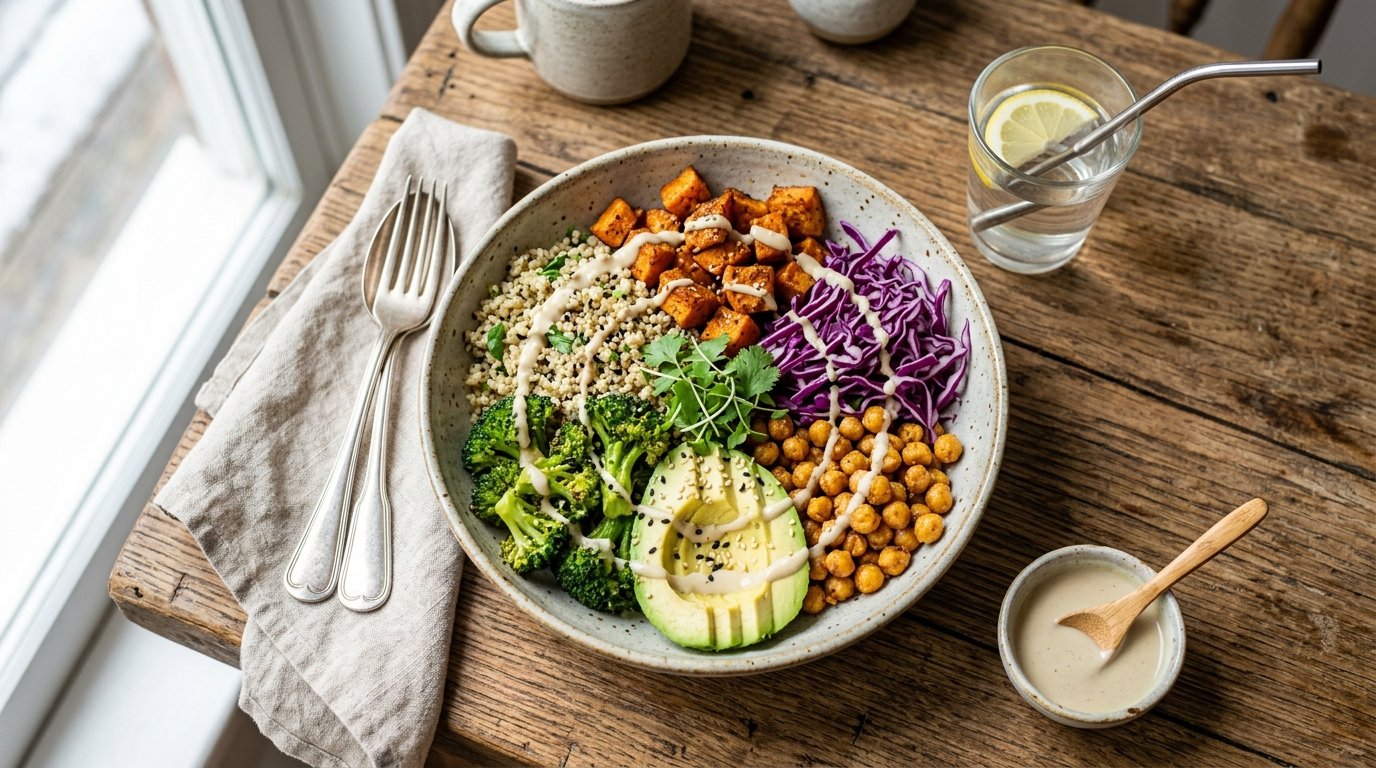
This vegan buddha bowl recipe is the ultimate plant-based meal that brings together vibrant roasted vegetables, protein-packed chickpeas, wholesome grains, and a luscious tahini dressing in one gorgeous bowl.
Buddha bowls have taken the healthy eating world by storm, and for good reason. They are incredibly satisfying, visually stunning, and allow you to pack an enormous variety of nutrients into a single meal. Whether you are a long-time vegan or simply looking to incorporate more plant-based meals into your routine, this recipe delivers on every front.
What makes this recipe truly special is its flexibility. You can swap in whatever vegetables you have on hand, choose your favorite grain as the base, and adjust the dressing to suit your taste. It is a formula more than a rigid recipe, and once you master it, you will find yourself returning to it week after week for easy, nourishing lunches and dinners.
This vegan buddha bowl recipe is loaded with roasted vegetables, hearty grains, crispy chickpeas, and a creamy tahini dressing. It is nutritious, colorful, and endlessly customizable. Meal prep friendly and ready in 30 minutes, this is the wholesome plant-based meal your week needs right now.

Ingredients
| AMOUNT | INGREDIENT | NOTES |
|---|---|---|
| 1 cup | quinoa | rinsed thoroughly under cold water |
| 2 cups | vegetable broth | low sodium preferred for cooking quinoa |
| 1 can (15 oz) | chickpeas | drained, rinsed, and patted dry |
| 2 tablespoons | olive oil | extra virgin, divided |
| 1 teaspoon | smoked paprika | for seasoning chickpeas |
| 1 teaspoon | garlic powder | for seasoning chickpeas |
| 1 teaspoon | ground cumin | for seasoning chickpeas |
| 1 medium | sweet potato | peeled and cut into 1-inch cubes |
| 1 medium | red beet | peeled and cut into 1-inch cubes |
| 1 cup | broccoli florets | cut into bite-sized pieces |
| 1 cup | shredded purple cabbage | raw, for freshness and crunch |
| 1 medium | avocado | sliced just before serving |
| 2 cups | baby spinach or mixed greens | fresh, as the base layer |
| 2 tablespoons | sesame seeds | toasted, for garnish |
| 3 tablespoons | tahini | well-stirred, for the dressing |
| 2 tablespoons | fresh lemon juice | approximately 1 large lemon |
| 1 tablespoon | maple syrup | pure, for sweetness in the dressing |
| 1 clove | garlic | minced finely for the dressing |
| 3 tablespoons | warm water | to thin the dressing to desired consistency |
| 1 pinch | salt and black pepper | to taste throughout the recipe |
Instructions

Nutrition (per serving)
About This Recipe
The term buddha bowl is thought to have emerged in the early 2010s within the health food and wellness community, though its exact origins are somewhat debated. Some believe the name refers to the rounded, overfilled bowl resembling the rounded belly of a laughing Buddha statue. Others suggest it connects to the Buddhist practice of monks carrying bowls to collect small offerings of food from community members, resulting in a diverse and colorful mix of ingredients in a single vessel.
While the modern buddha bowl is a contemporary Western construct, its roots draw deeply from traditional Asian grain and vegetable bowl dishes. Japanese rice bowls, Korean bibimbap, and Indian thali platters all share the same fundamental philosophy of balancing grains, vegetables, and proteins in harmonious combination. The vegan buddha bowl as we know it today rose to global popularity through food blogs and social media, celebrated for its photogenic layers, nutritional density, and its alignment with growing interest in sustainable, plant-forward eating.
Ready to Serve

A Closer Look

Pro Tips for Best Results
- Dry your chickpeas as thoroughly as possible before roasting. Any moisture on the surface will cause them to steam rather than crisp up in the oven. Pat them dry with multiple paper towels and let them air dry for a few minutes if you have time.
- Cook your grains in vegetable broth instead of plain water to add a subtle but meaningful layer of savory flavor to the base of your bowl.
- Roast beets separately from other vegetables or at least on a different section of the pan, as their deep pigment can bleed onto lighter ingredients like sweet potato.
- Make a big batch of tahini dressing at the start of the week and store it in a sealed jar in the refrigerator. It keeps well for up to 5 days and makes assembling bowls throughout the week incredibly quick and easy.
- To turn this into a complete meal prep solution, store all components separately in airtight containers in the refrigerator for up to 4 days. Keep the avocado whole and slice it fresh just before serving to prevent browning.
Essential Equipment
Large Baking Sheet: Essential for roasting vegetables and chickpeas evenly without overcrowding.
Medium Saucepan: Needed to cook quinoa or brown rice to fluffy perfection.
Chef Knife: For precise and safe chopping of all vegetables and herbs.
Cutting Board: Provides a stable surface for all your prep work.
Mixing Bowls: Used to toss vegetables in oil and spices before roasting.
Small Whisk or Fork: For emulsifying the creamy tahini dressing smoothly.
Measuring Cups and Spoons: Ensures accurate ingredient ratios for the best flavor balance.
Variations
Spicy Harissa Version: Toss the chickpeas and roasted vegetables with a tablespoon of harissa paste instead of the spice blend. Add a pinch of cayenne to the tahini dressing for a bold and fiery bowl.
Teriyaki Tofu Bowl: Replace the chickpeas with baked teriyaki tofu cubes and swap the quinoa for steamed jasmine rice. Use a sesame ginger dressing in place of the tahini sauce for an Asian-inspired twist.
Mediterranean Style: Add roasted red peppers, cucumber, cherry tomatoes, and Kalamata olives. Serve with hummus instead of tahini dressing and sprinkle with fresh chopped parsley and za-atar seasoning.
Low Carb Cauliflower Rice Base: Replace the quinoa with a generous portion of lightly seasoned cauliflower rice to reduce carbohydrates while keeping the bowl hearty and satisfying.
High Protein Edamame Bowl: Add a half cup of shelled edamame alongside the chickpeas to boost the protein content significantly. Sprinkle hemp seeds on top for an additional plant-based protein punch.
Frequently Asked Questions
Can I make a vegan buddha bowl ahead of time?
Yes, this bowl is excellent for meal prep. Cook the grains, roast the vegetables and chickpeas, and prepare the dressing up to 4 days in advance. Store each component separately in airtight containers in the refrigerator and assemble just before eating. Keep the avocado whole and slice it fresh to avoid browning.
Can I freeze a vegan buddha bowl?
You can freeze the cooked quinoa, roasted sweet potatoes, beets, broccoli, and chickpeas in separate freezer-safe containers for up to 3 months. However, fresh components like avocado, raw cabbage, and leafy greens do not freeze well and should always be added fresh when assembling.
What protein can I add to make the bowl more filling?
The chickpeas already provide a solid source of plant-based protein. You can boost the protein further by adding baked tofu, tempeh, edamame, hemp seeds, or even a soft-boiled egg if you are not strictly vegan.
Is a vegan buddha bowl gluten-free?
Yes, this recipe as written is naturally gluten-free. Quinoa, chickpeas, and all the vegetables and dressing ingredients are free from gluten. Just be sure to check your vegetable broth label to ensure it is certified gluten-free if you have a sensitivity.
Can I use a different grain as the base?
Absolutely. Brown rice, farro, barley, millet, or even cooked lentils all work beautifully as the grain base. If you prefer a grain-free option, use cauliflower rice, which can be lightly sauteed in olive oil with garlic for extra flavor.