Best Salted Caramel Sauce Recipe (Easy & Foolproof)
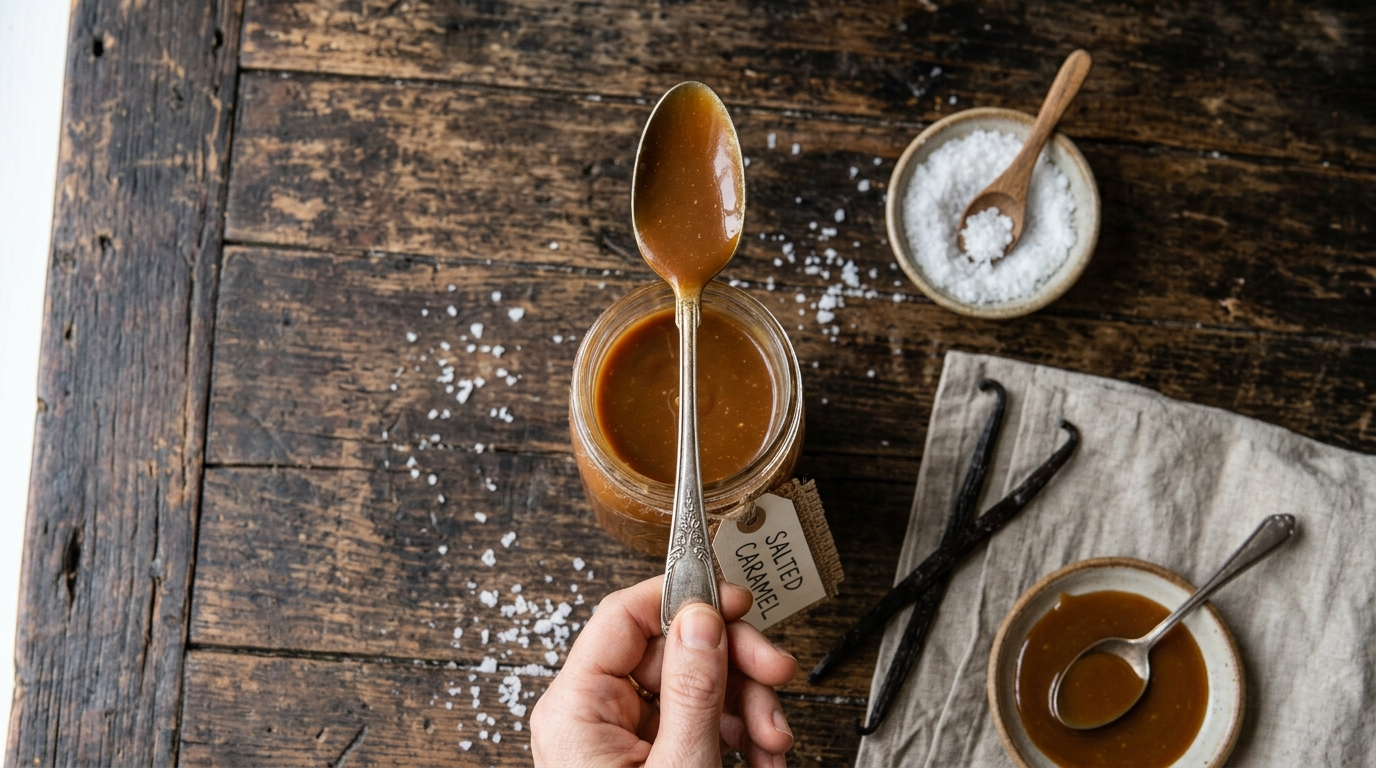
This salted caramel sauce recipe is the only recipe you will ever need for a deeply rich, velvety, and indulgent caramel that tastes infinitely better than anything from a store-bought jar. Made with just five pantry staples in under 15 minutes, it is the kind of recipe that feels like a secret weapon in your dessert repertoire. Whether you drizzle it over vanilla ice cream, swirl it into brownies, or spoon it straight from the jar, this sauce never fails to impress.
What makes this particular recipe so special is the technique. We use the dry caramel method, which means melting the sugar directly without adding water first. This approach gives you more control over the color and flavor development, producing a deeper, more complex caramel with gorgeous amber tones. The addition of flaky sea salt at the end is not just a trend – it genuinely elevates the sweetness and brings out the rich, toasty notes that make caramel so irresistible.
If you have been nervous about making caramel from scratch, let this be the recipe that changes everything. Many home cooks avoid it because of horror stories about crystallization or burnt sugar, but with a few simple tips and the right equipment, it is truly one of the most rewarding things you can make in your kitchen. Follow along and you will have a jar of liquid gold ready to enhance every dessert you make this season.
This salted caramel sauce recipe delivers a rich, buttery, silky-smooth sauce with the perfect balance of sweet and salty. Ready in under 15 minutes with just 5 simple ingredients, it transforms any dessert into something extraordinary. Make a batch today and thank yourself later.

Ingredients
| AMOUNT | INGREDIENT | NOTES |
|---|---|---|
| 1 cup | granulated white sugar | use pure cane sugar for best results |
| 6 tablespoons | unsalted butter | cut into cubes and at room temperature |
| 0.5 cup | heavy whipping cream | warmed to room temperature |
| 1 teaspoon | flaky sea salt | Maldon or fleur de sel preferred, adjust to taste |
| 1 teaspoon | pure vanilla extract | added at the end for depth of flavor |
Instructions

Nutrition (per serving)
About This Recipe
Caramel has roots dating back to at least the 17th century, when sugar refining became more widespread across Europe. The word caramel itself is believed to derive from the Medieval Latin term cannamellis, meaning sugar cane. Early versions were hard candies rather than sauces, used primarily as confections by the upper classes who could afford refined sugar. It was not until the 19th century that softer caramel candies and sauces began appearing in American cookbooks, becoming a staple of home baking and confectionery culture across the country.
The salted caramel variation, however, is a relatively modern phenomenon credited largely to French pastry chef Henri Le Roux, who introduced salted butter caramels in Brittany, France in 1977. Brittany has long been famous for its high-quality salted butter, and Le Roux brilliantly incorporated that regional ingredient into his caramels, winning the title of Best Candy in France in 1980. The trend crossed into mainstream American and global food culture in the early 2000s, championed by high-end pastry chefs who embraced the contrast of sweet and salty. Today, salted caramel is one of the most beloved flavor profiles in the dessert world.
Ready to Serve

A Closer Look

Pro Tips for Best Results
- Do not walk away from the stove once the sugar starts melting. Caramel can go from beautifully amber to acrid and burnt in a matter of 20 to 30 seconds, especially in the final stages of cooking.
- Use room temperature butter and cream whenever possible. Cold dairy added to scorching hot caramel causes violent bubbling and can lead to seizing, where the sugar hardens into clumps instead of blending smoothly.
- If your caramel does seize and clump after adding the butter or cream, do not panic. Simply return the pan to low heat and stir patiently. The clumps will melt back into the sauce with gentle heat.
- For a more complex flavor profile, try using brown butter instead of regular butter. Simply melt the butter in a separate pan until it turns golden and smells nutty before adding it to the caramel. It adds a toasty, nutty dimension that pairs beautifully with the salt.
- To reheat refrigerated caramel sauce, spoon the desired amount into a microwave-safe bowl and heat in 20-second increments, stirring between each, until it reaches a pourable consistency. You can also reheat it gently in a small saucepan over very low heat.
Essential Equipment
Heavy-Bottomed Saucepan: A heavy base distributes heat evenly, preventing hot spots that can burn the sugar before it fully melts.
Silicone Spatula or Wooden Spoon: Heat-resistant and flexible, ideal for gently stirring the caramel once the butter and cream are added.
Glass Measuring Cup: Pouring hot cream from a spouted glass measuring cup gives you precision and safety when adding it to the hot caramel.
Candy Thermometer: Optional but helpful for beginners to confirm the caramel reaches the correct amber temperature around 350 degrees Fahrenheit.
Glass Jar with Lid: A heat-safe mason jar is perfect for storing the finished sauce and makes for beautiful gifting presentation.
Variations
Bourbon Salted Caramel: Add 1 to 2 tablespoons of your favorite bourbon along with the vanilla extract at the end of cooking. The whiskey adds a warm, smoky complexity that makes this version especially popular drizzled over apple desserts or chocolate cake.
Dairy-Free Coconut Caramel: Replace the butter with refined coconut oil and substitute the heavy cream with full-fat canned coconut cream. The result is a slightly tropical, dairy-free version that is still incredibly rich and works beautifully over dairy-free ice cream.
Dark Chocolate Caramel Sauce: Stir in 2 ounces of finely chopped dark chocolate after removing the sauce from heat. The chocolate melts seamlessly into the caramel, creating an intensely rich sauce that is perfect for profiteroles, sundaes, or dipping fruit.
Espresso Caramel Sauce: Dissolve 1 teaspoon of instant espresso powder into the heavy cream before adding it to the caramel. The coffee deepens the bittersweet notes of the sauce and creates an incredible pairing with vanilla ice cream or panna cotta.
Spiced Autumn Caramel: Add a pinch of cinnamon, a small pinch of nutmeg, and a tiny pinch of cardamom along with the vanilla at the end. This warm spiced version is perfect for fall desserts, apple pies, and holiday gifting.
Frequently Asked Questions
Why did my caramel sauce turn grainy or crystallize?
Crystallization usually happens when the sugar is stirred too aggressively during the early melting stage, or if sugar crystals from the sides of the pan fall back into the mixture. To prevent this, avoid stirring until at least half the sugar has melted, and use a wet pastry brush to wipe down the sides of the pan if you notice crystals forming.
Can I make this salted caramel sauce ahead of time?
Absolutely. This sauce stores beautifully in a sealed glass jar in the refrigerator for up to three weeks. It will thicken significantly when cold but returns to a perfectly pourable consistency when gently reheated. Making a batch ahead of time is actually ideal for meal prep, holiday gifts, or keeping on hand for last-minute desserts.
Can I freeze salted caramel sauce?
Yes, salted caramel sauce freezes very well. Pour the cooled sauce into a freezer-safe airtight container or zip-lock bag, leaving a little space for expansion, and freeze for up to three months. Thaw overnight in the refrigerator and reheat gently before serving. The texture and flavor hold up remarkably well after freezing.
How do I know when the caramel is the right color?
You are looking for a rich, deep amber color similar to dark honey or a copper penny. A lighter amber will taste more mildly sweet and buttery, while a darker amber will have more complex, slightly bitter, and nutty undertones. Trust your eyes and nose – if it smells at all burnt or acrid, it has gone too far and you will need to start over.
Is this recipe safe to make with kids?
The process of making caramel involves extremely high temperatures – the sugar can reach upward of 350 degrees Fahrenheit, which is much hotter than boiling water. It is not recommended to have young children near the stove during the cooking process. However, older children can participate in measuring ingredients and stirring the finished sauce once it has cooled to a safe temperature.