Mango Sticky Rice Recipe Thai Style at Home
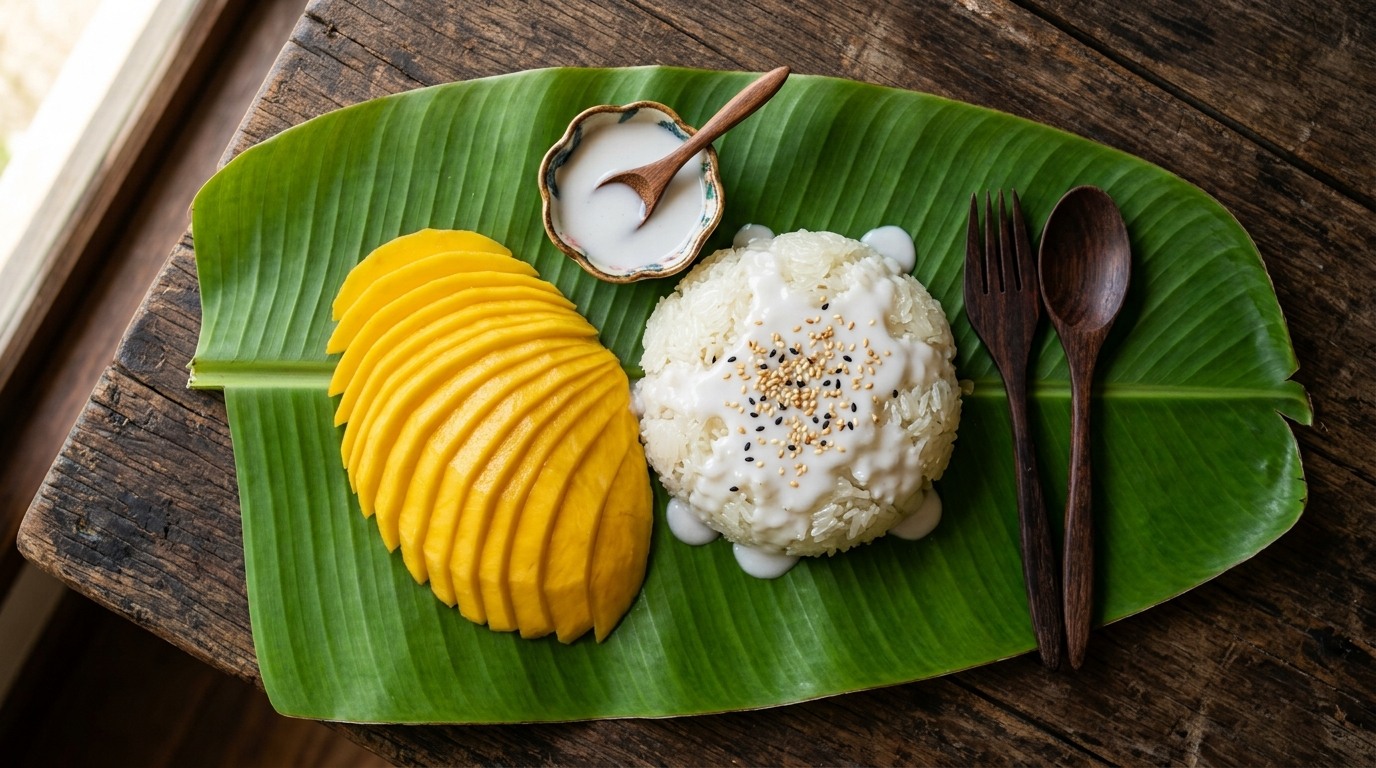
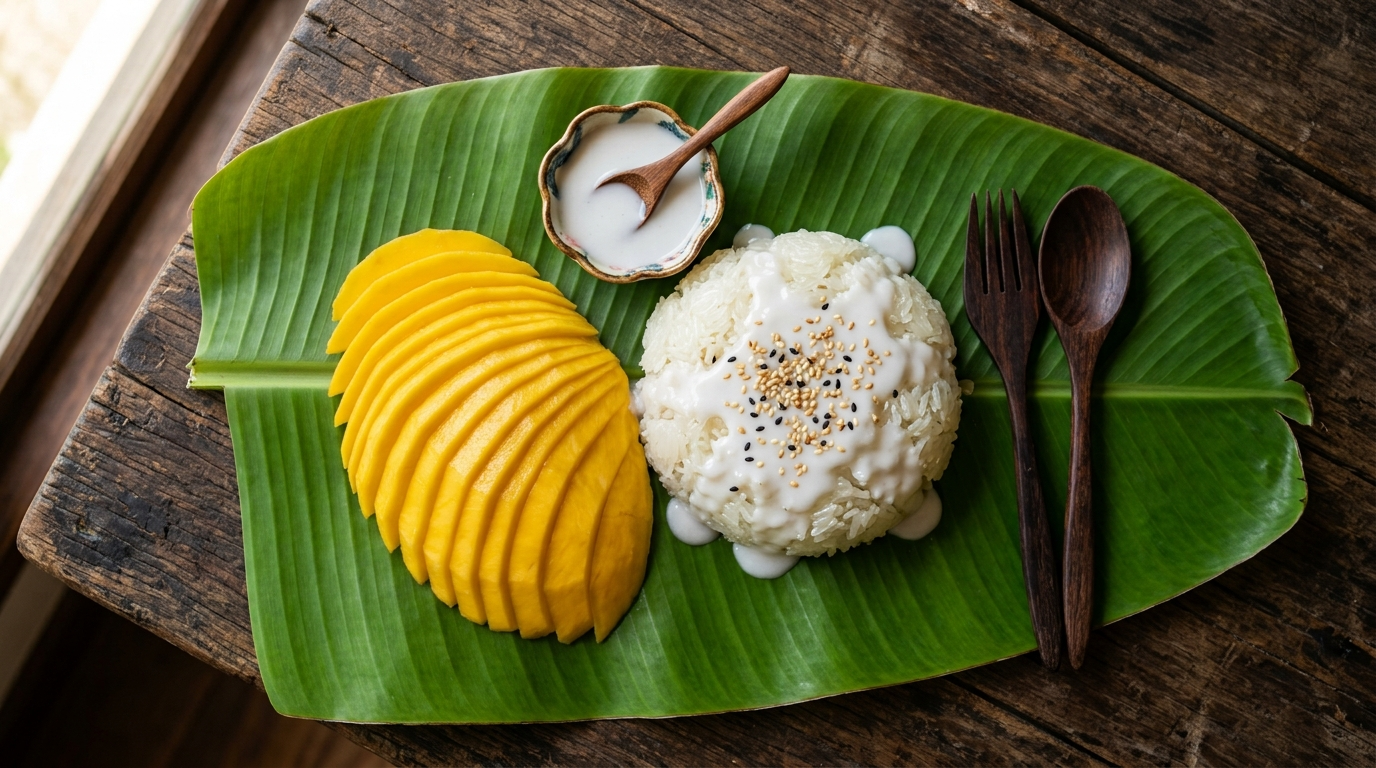
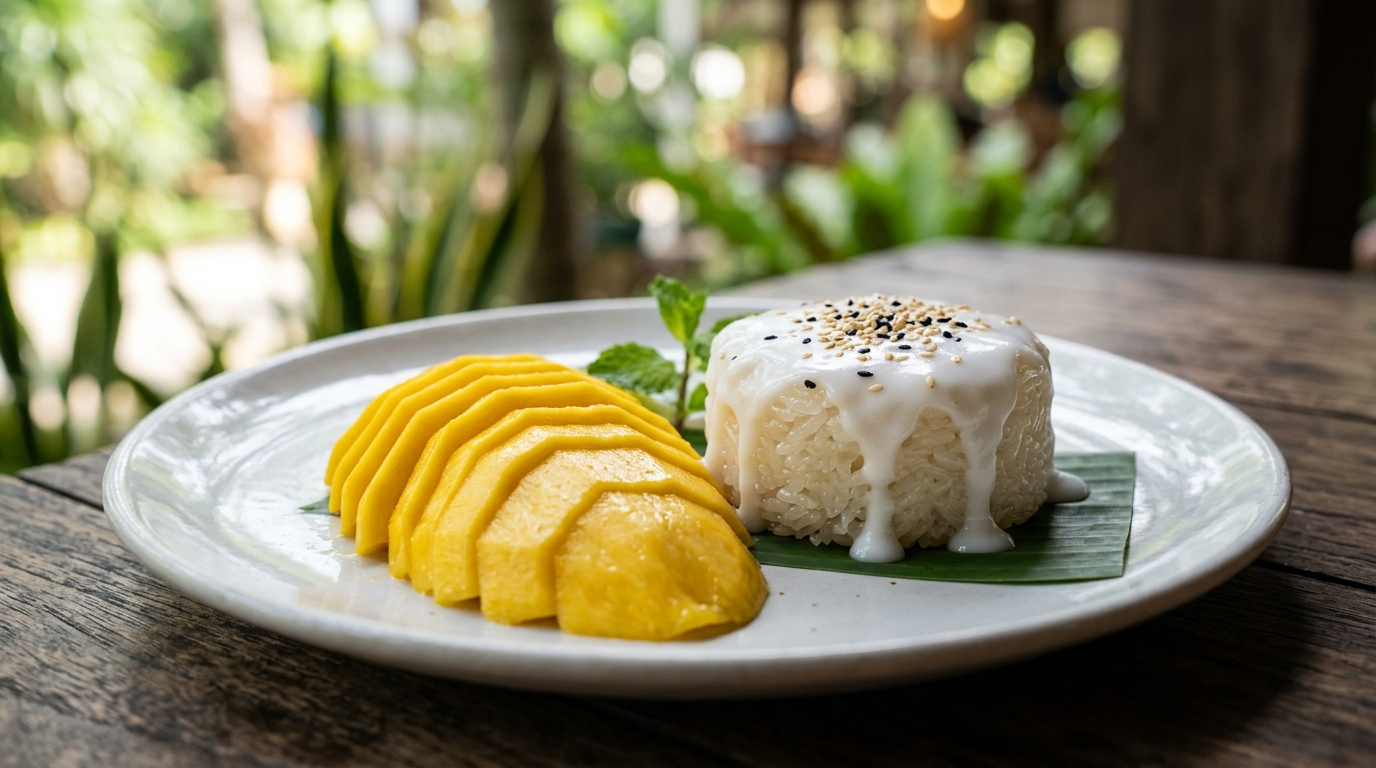
This mango sticky rice recipe Thai style is the ultimate tropical dessert that brings the bold, comforting flavors of Southeast Asia straight to your kitchen. Sweet glutinous rice soaked in rich coconut milk, layered with buttery fresh mango, and finished with a silky coconut cream drizzle – this dish is nothing short of magical. Whether you have enjoyed it on the streets of Chiang Mai or spotted it on your social media feed, this recipe will make you feel like you are right there in Thailand.
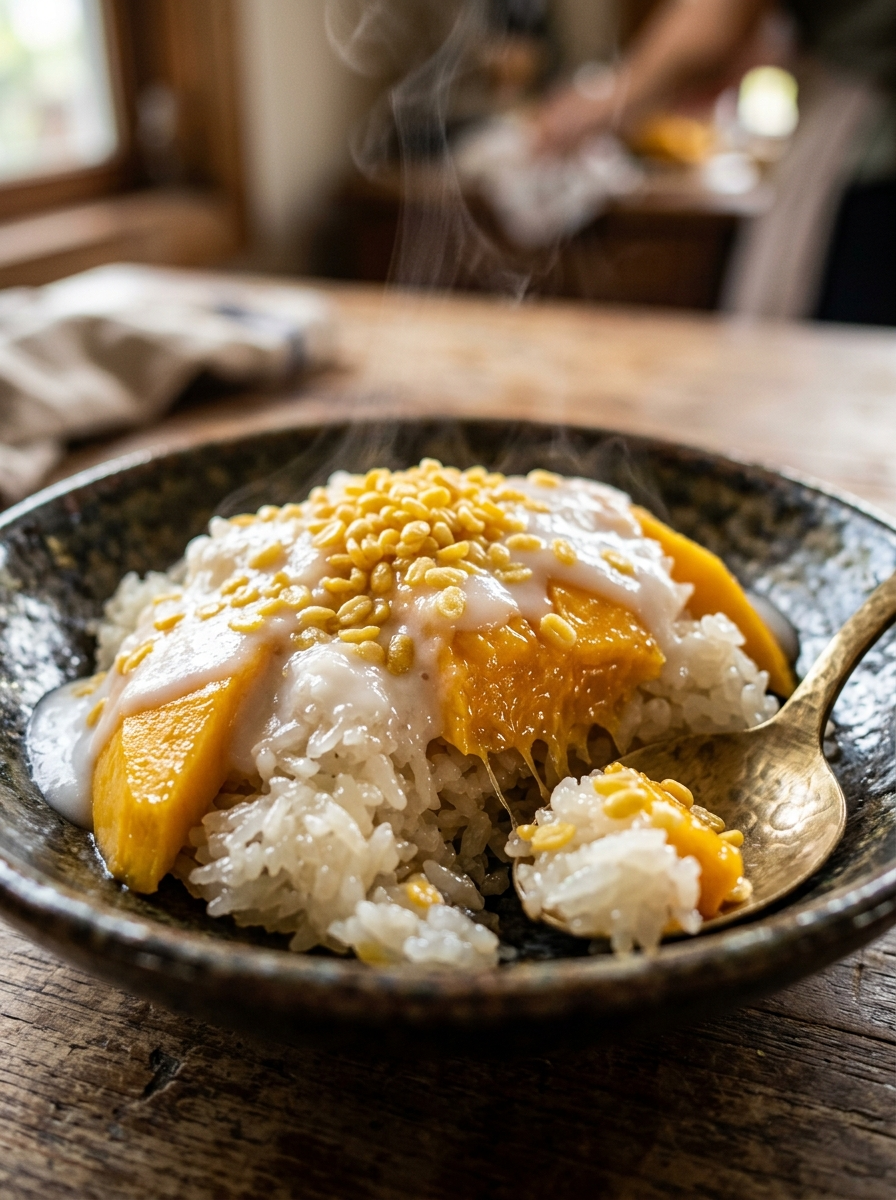
What makes this dish so irresistible is the perfect balance of textures and flavors. The sticky rice is tender and slightly chewy, deeply flavored with sweetened coconut milk that soaks into every grain. The fresh mango adds a bright, juicy contrast that cuts through the richness beautifully. A sprinkle of toasted sesame seeds or mung beans on top adds a subtle crunch that rounds out every single bite.
The best part? You do not need any fancy equipment or hard-to-find ingredients to pull this off at home. With a bag of glutinous rice, a can of coconut milk, and a couple of ripe mangoes, you are already halfway there. This recipe is perfect for dinner parties, summer gatherings, or simply when you want to treat yourself to something truly special after a long day.
This mango sticky rice recipe Thai style delivers perfectly chewy coconut-infused rice topped with ripe, golden mango slices. It is simple, stunning, and ready in just 30 minutes. Treat yourself to a taste of Bangkok right in your own kitchen today.
Ingredients
| AMOUNT | INGREDIENT | NOTES |
|---|---|---|
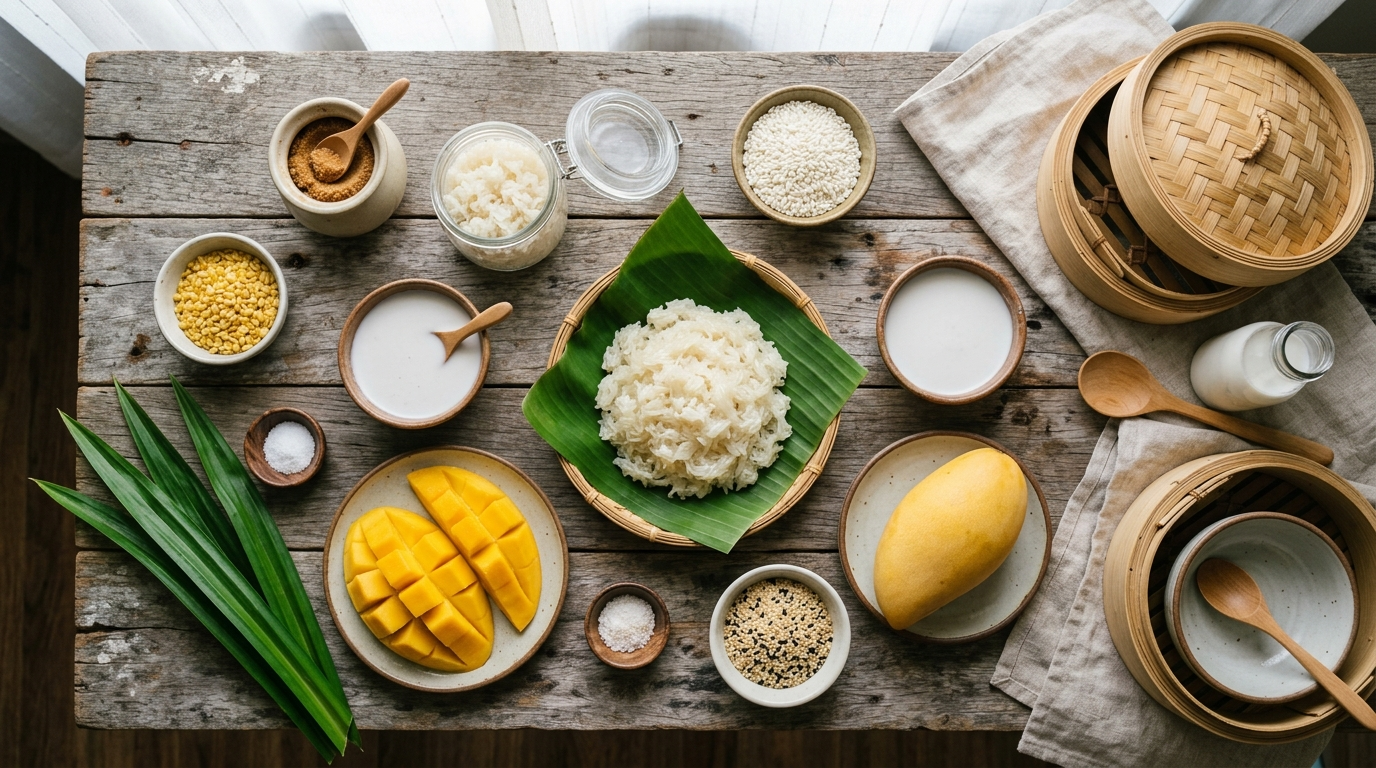
| 2 cups | glutinous white rice | also called sweet rice or sticky rice, soaked overnight |
| 1.5 cups | full-fat coconut milk | divided, shake the can well before opening |
| 0.5 cup | granulated sugar | divided into two portions |
| 0.75 teaspoon | fine sea salt | divided |
| 2 whole | ripe mangoes | Nam Dok Mai or Ataulfo variety preferred, peeled and sliced |
| 1 tablespoon | rice flour | mixed with a little water to thicken the topping sauce |
| 1 tablespoon | toasted sesame seeds | or fried split mung beans, for garnish |
| 2 tablespoons | water | for steaming and thickening the coconut topping |
Instructions
Nutrition (per serving)
About This Recipe
Mango sticky rice, known in Thailand as Khao Niew Mamuang, has been a beloved part of Thai culinary culture for centuries. It originated in the central and northern regions of Thailand, where glutinous rice has long been a staple grain. The dish was traditionally enjoyed during the mango harvest season between April and June, when the prized Nam Dok Mai and Ok Rong mango varieties reach their peak sweetness. Over generations, it evolved from a simple rural harvest treat into one of Thailand most iconic and celebrated street foods.
Today, mango sticky rice holds a place of cultural pride throughout Southeast Asia, with variations appearing in Cambodia, Laos, and Vietnam as well. In Thailand, it is sold by street vendors in bustling night markets, in upscale restaurant menus, and at local family gatherings alike. The dish represents the Thai philosophy of balancing contrasting elements – sweet and salty, soft and creamy – into a single harmonious experience. Its rise in global popularity over the past decade has introduced this humble, beautiful dessert to food lovers all around the world.
Ready to Serve
A Closer Look
Pro Tips for Best Results
- Always use full-fat coconut milk for both the soaking sauce and the topping. Light coconut milk does not have enough richness or fat content to create the deeply flavored, creamy result this dish requires.
- Do not skip the overnight soak for the glutinous rice. Properly soaked rice steams more evenly and develops a much better texture. If you are short on time, a minimum 6-hour soak will still work well.
- Choose the ripest mangoes you can find. Look for mangoes that are golden yellow, fragrant at the stem, and give gently when pressed. Under-ripe mango will taste flat and starchy, which will throw off the balance of the whole dish.
- The coconut rice is best served at room temperature, not cold. If you make it ahead of time, let it come back to room temperature before serving, as chilling causes the rice to harden and lose its silky, sticky texture.
- For an elegant presentation, toast your sesame seeds in a dry skillet over medium heat for about 2 minutes until golden and fragrant before sprinkling them on top. This small step adds a wonderful nutty aroma that elevates the whole dish.
Essential Equipment
Bamboo Steamer or Rice Steamer: Traditional steaming gives glutinous rice the perfect chewy yet tender texture without making it mushy.
Large Mixing Bowl: Needed for soaking the glutinous rice overnight and for tossing it with the coconut milk mixture.
Medium Saucepan: Used to gently heat and combine the coconut milk, sugar, and salt into a smooth, silky sauce.
Fine Mesh Strainer: Drains the soaked rice thoroughly before steaming to ensure even cooking.
Sharp Chef Knife: Essential for slicing ripe mangoes cleanly into elegant, even pieces for beautiful plating.
Cutting Board: Provides a stable surface for safely slicing and preparing the mango.
Variations
Black Sticky Rice Version: Swap the white glutinous rice for black glutinous rice, also called purple sticky rice, for a stunning deep purple color and slightly nuttier flavor. The coconut sauce pairs just as beautifully with the earthier taste of black sticky rice.
Pandan-Infused Rice: Add 2 fresh pandan leaves tied into a knot to the steamer while cooking the rice. Pandan infuses the grains with a delicate floral, vanilla-like fragrance that is classic in Thai and Southeast Asian cooking.
Mixed Tropical Fruit Version: Replace or supplement the mango with other tropical fruits such as fresh papaya, lychee, or sliced jackfruit. This variation is perfect when mangoes are not in season and adds a colorful, festive presentation to your plate.
Coconut Cream Drizzle Upgrade: Use the thick coconut cream skimmed from the top of an unshaken can instead of regular coconut milk for the topping sauce. This creates an ultra-rich, restaurant-quality drizzle that makes the dish feel truly luxurious.
Frequently Asked Questions
Can I make mango sticky rice ahead of time?
You can prepare the coconut-soaked rice up to 4 hours ahead of time and keep it covered at room temperature. Prepare the coconut topping sauce separately and warm it gently before serving. Slice the mango fresh just before plating for the best texture and presentation.
Can I use regular long-grain or jasmine rice instead of glutinous rice?
No, regular rice will not work for this dish. Glutinous rice, also called sweet rice or sticky rice, has a completely different starch composition that creates the signature chewy, sticky texture. It is worth seeking out at any Asian grocery store or ordering online.
How do I store leftover mango sticky rice?
Store leftover rice and mango separately in airtight containers in the refrigerator for up to 2 days. The rice will firm up when cold, so microwave it for 30 to 45 seconds with a splash of coconut milk before serving to restore its soft, sticky consistency.
Can I freeze mango sticky rice?
You can freeze the cooked coconut sticky rice on its own in an airtight freezer-safe container for up to one month. Thaw overnight in the refrigerator and reheat gently. Fresh mango cannot be frozen for this dish as the texture breaks down, so always add it fresh after reheating the rice.
What type of mango is best for this Thai recipe?
The best varieties are Nam Dok Mai or Ok Rong, which are traditional Thai mangoes known for their buttery, fiber-free flesh and intense sweetness. Outside of Thailand, Ataulfo mangoes (also called honey mangoes) are the closest match and are widely available in North American and European grocery stores.
Is mango sticky rice served hot or cold?
Authentic Thai mango sticky rice is served at room temperature. The rice should be warm or at room temperature, and the mango is served at room temperature as well. Serving the dish cold from the refrigerator causes the rice to harden and dulls both the flavor and the texture significantly.