Easy Chicken Piccata Recipe Ready in 30 Minutes
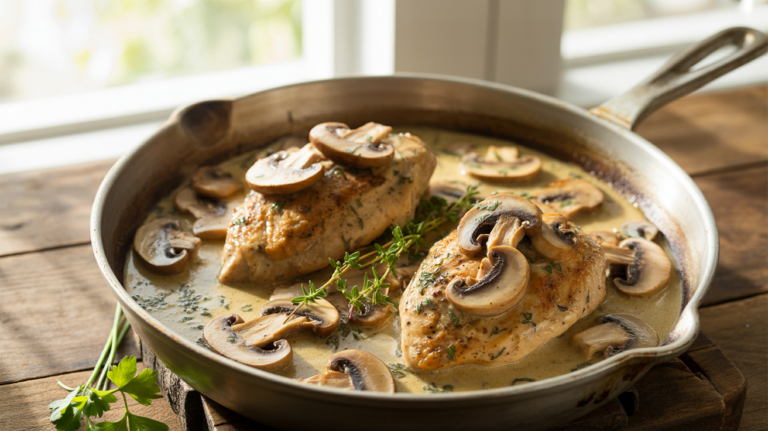
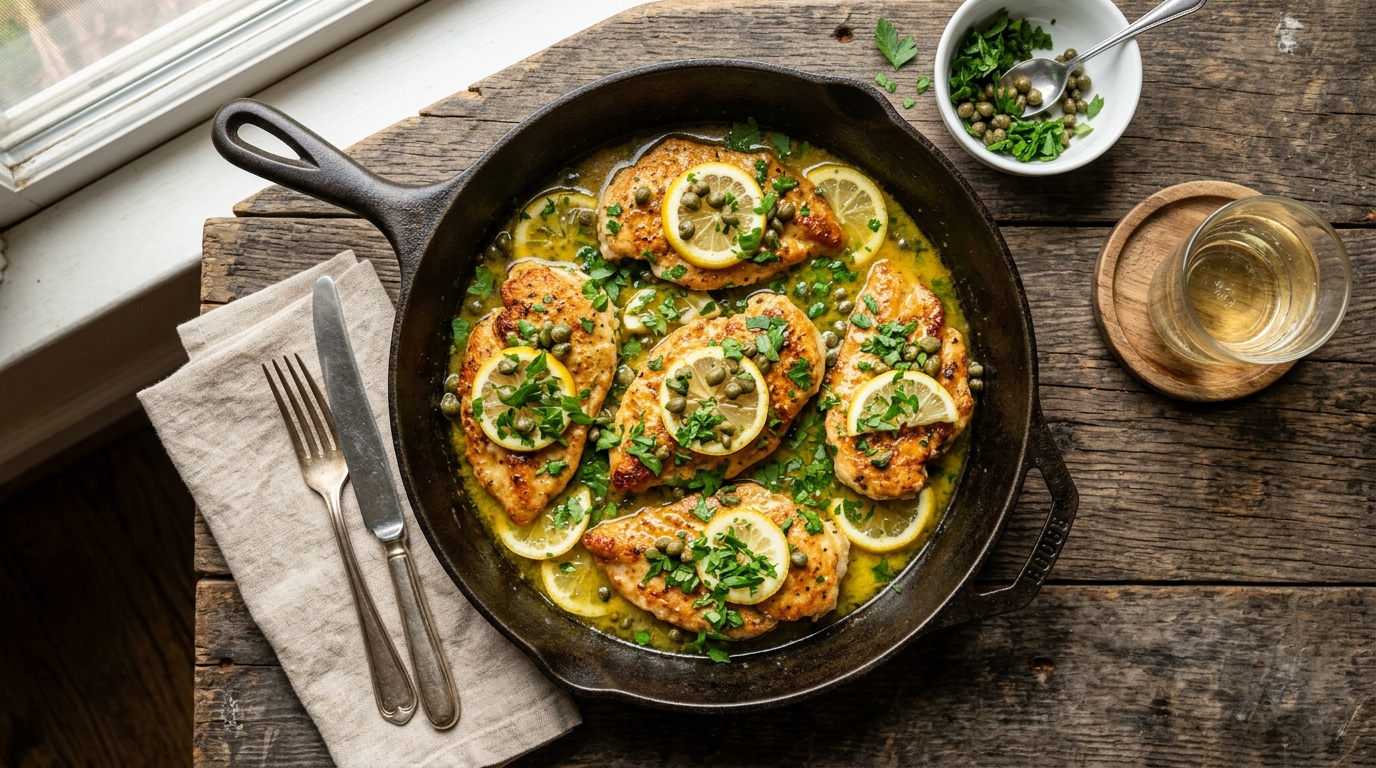
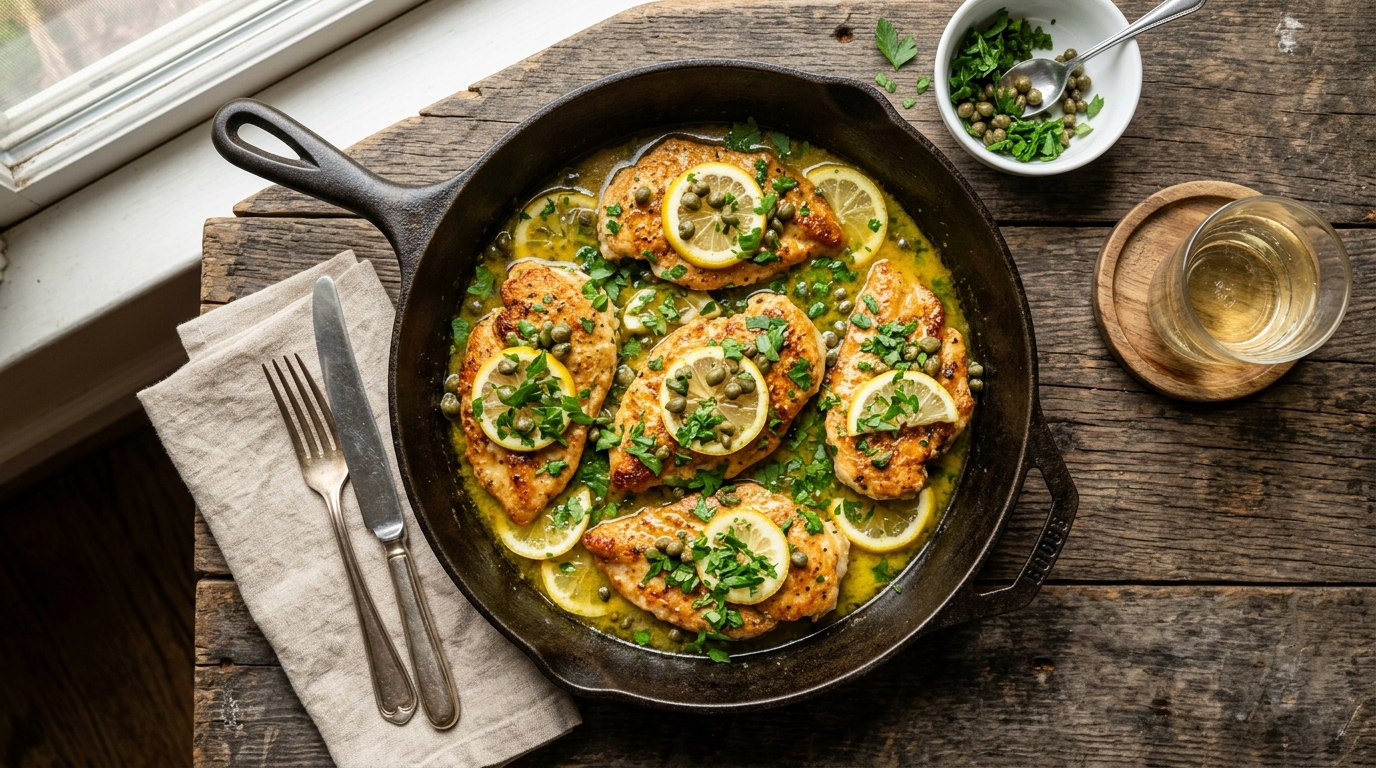
This chicken piccata recipe easy enough for any home cook is the weeknight dinner hero you have been waiting for – golden pan-fried chicken cutlets smothered in a silky, tangy lemon butter caper sauce that tastes like it came straight from a fine Italian restaurant. If you have ever ordered chicken piccata at a restaurant and wondered whether you could recreate it at home, the answer is a resounding yes, and it is far simpler than you might imagine.
What makes this dish so irresistible is the harmony of flavors packed into every single bite. The bright acidity of fresh lemon juice cuts through the richness of the butter, while briny capers add little bursts of savory depth that elevate the entire dish. The chicken itself is lightly dredged in flour before being seared to a gorgeous golden crust, locking in all those delicious juices so every slice is perfectly tender and moist.
Whether you are cooking for your family on a Tuesday evening or hosting a dinner party on the weekend, this recipe scales beautifully and always impresses. It pairs wonderfully with pasta, creamy mashed potatoes, or a simple green salad. Once you make this classic dish at home, you will find yourself returning to it again and again all year long.
This chicken piccata recipe easy enough for busy weeknights delivers restaurant-quality results right at home. Tender chicken cutlets bathed in a bright, buttery lemon caper sauce come together in just 30 minutes. Make it tonight for an impressive yet effortless dinner.
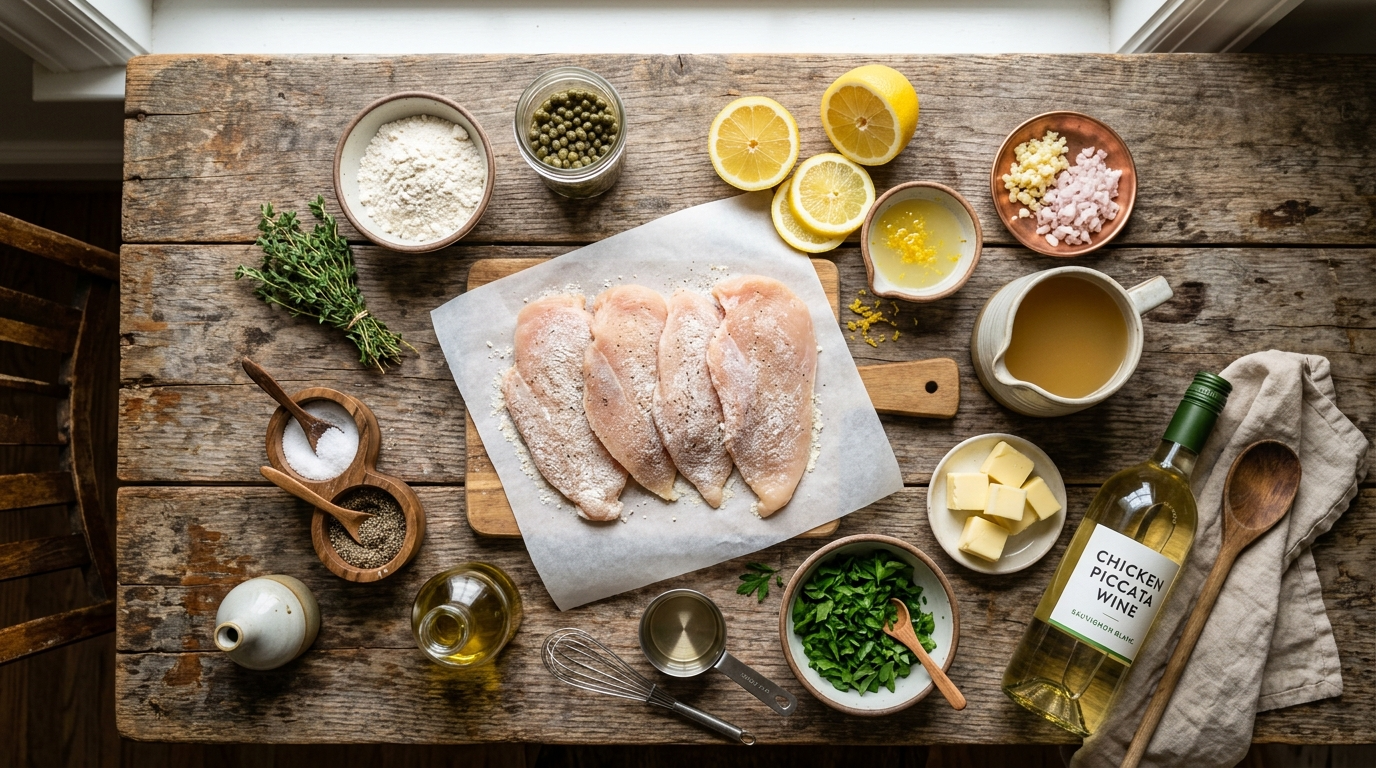
Ingredients
| AMOUNT | INGREDIENT | NOTES |
|---|---|---|
| 4 pieces | boneless skinless chicken breasts | pounded to about half-inch thickness |
| 0.5 cup | all-purpose flour | for dredging |
| 1 teaspoon | kosher salt | plus more to taste |
| 0.5 teaspoon | black pepper | freshly ground |
| 0.5 teaspoon | garlic powder | optional but recommended |
| 3 tablespoons | olive oil | extra virgin, divided |
| 3 tablespoons | unsalted butter | divided, cold butter for finishing |
| 4 cloves | garlic | minced |
| 0.5 cup | dry white wine | such as Pinot Grigio or Sauvignon Blanc |
| 1 cup | low-sodium chicken broth | or chicken stock |
| 0.33 cup | fresh lemon juice | from about 2 to 3 large lemons |
| 3 tablespoons | capers | drained, brined capers preferred |
| 1 medium | lemon | thinly sliced into rounds for garnish |
| 3 tablespoons | fresh flat-leaf parsley | roughly chopped for garnish |
Instructions
Nutrition (per serving)
About This Recipe
Chicken piccata is a beloved staple of Italian-American cuisine, though its roots trace back to Italy where the term piccata refers to a method of preparing meat that is sliced thin, sauteed, and finished with a sauce made from lemon, butter, and spices. The original Italian preparation was traditionally made with veal, known as vitello piccata, and it was a common dish in northern Italian cooking, particularly in Lombardy. Italian immigrants who settled in the United States adapted the recipe to use chicken, which was more widely available and more affordable than veal, and the dish quickly became a fixture on Italian-American restaurant menus throughout the 20th century.
By the mid-20th century, chicken piccata had firmly established itself as a cornerstone of Italian-American home cooking and restaurant dining alike. Its appeal lies in its elegant simplicity – the technique is straightforward, the ingredients are pantry-friendly, and the result is a dish that feels luxurious without requiring hours in the kitchen. Today, chicken piccata is celebrated across the United States and beyond as a timeless comfort dish that bridges the gap between casual weeknight cooking and special occasion dining, a testament to the enduring genius of Italian culinary tradition.
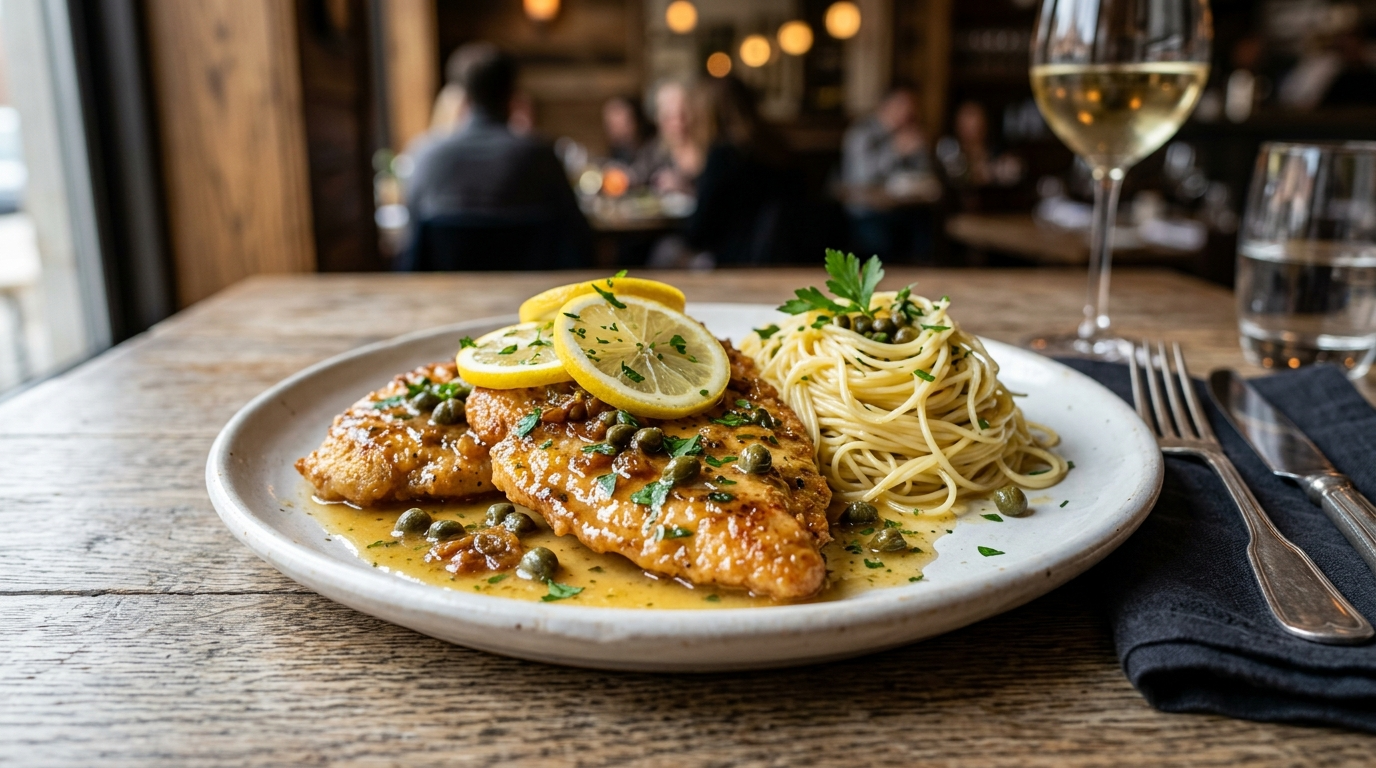
Ready to Serve
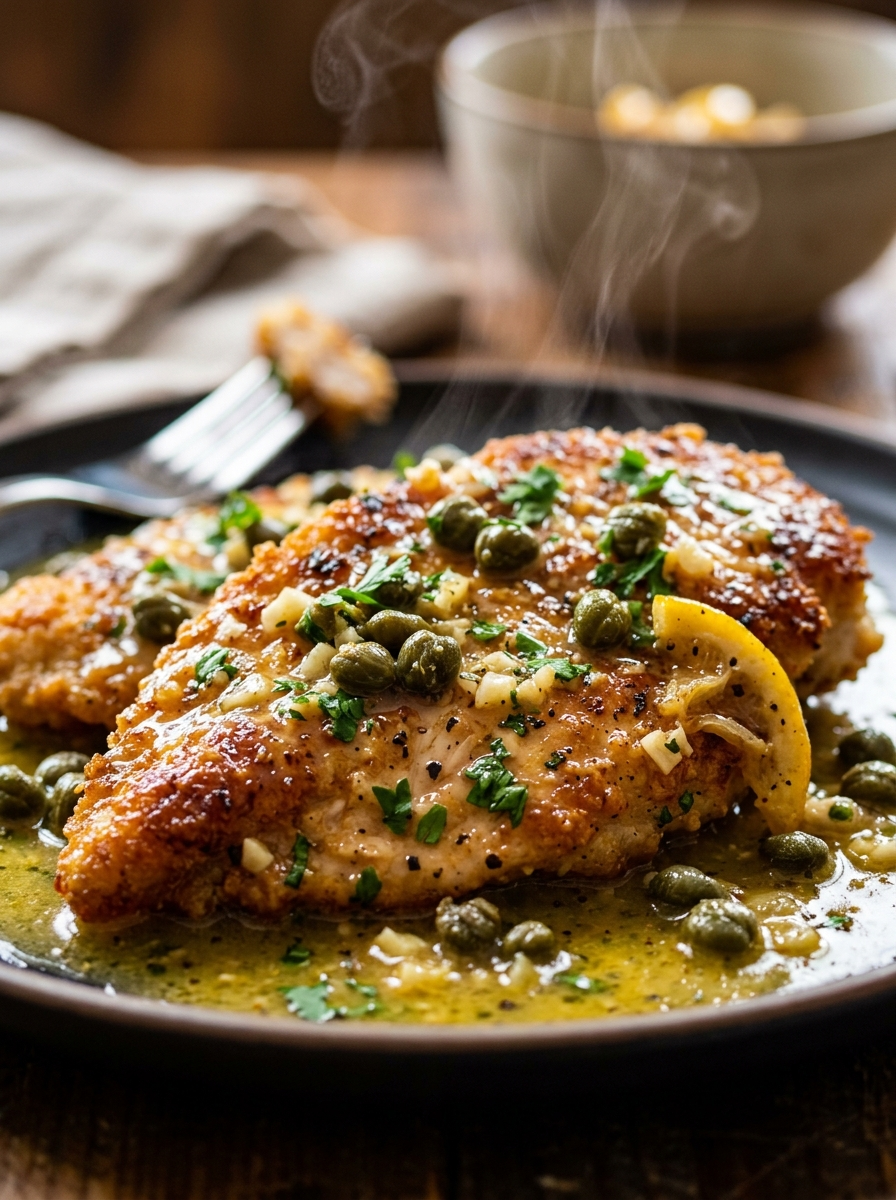
A Closer Look
Pro Tips for Best Results
- Always pound your chicken to an even thickness before cooking. Uneven chicken means some parts will be overcooked and dry before the thicker sections are done. A half-inch thickness is the sweet spot for quick, even cooking and maximum juiciness.
- Use freshly squeezed lemon juice rather than bottled lemon juice. The fresh juice has a bright, vibrant flavor that is far superior to processed alternatives, and it makes a noticeable difference in the final taste of your piccata sauce.
- Do not skip drying the chicken with paper towels before dredging in flour. Moisture is the enemy of a good sear – wet chicken will steam instead of brown, and you will miss out on that gorgeous golden crust that gives the dish so much of its flavor and texture.
- When finishing the sauce with butter, make sure to take the pan off the heat first. Adding cold butter to a sauce that is no longer boiling, then swirling or stirring it in, is the key to achieving a smooth, glossy sauce that coats the chicken beautifully rather than a greasy broken sauce.
- If you prefer not to use wine, simply substitute an equal amount of additional chicken broth with an extra teaspoon of lemon juice. The sauce will still be delicious – the wine adds depth and a slight acidity, but the dish is very forgiving when substitutions are made.
Essential Equipment
Large Skillet or Saute Pan: A wide, heavy-bottomed skillet ensures even heat distribution for a perfect golden sear on the chicken without crowding the pan.
Meat Mallet or Rolling Pin: Used to pound the chicken breasts to an even thickness so they cook uniformly and stay tender throughout.
Chef Knife: Essential for slicing chicken, mincing garlic, and cutting lemon slices for garnishing the finished dish.
Cutting Board: A sturdy cutting board provides a safe and stable surface for all your prep work including pounding and slicing.
Shallow Dish or Plate: Used for dredging the chicken cutlets in seasoned flour before searing, ensuring an even coating.
Tongs: Allow you to flip and handle the delicate chicken cutlets without piercing them and releasing the juices.
Citrus Juicer: Helps you extract maximum juice from your lemons quickly and efficiently, keeping seeds out of your sauce.
Wooden Spoon or Silicone Spatula: Perfect for deglazing the pan and stirring the sauce while keeping your skillet free from scratches.
Variations
Creamy Chicken Piccata: After reducing the sauce, stir in 3 tablespoons of heavy cream along with the butter for a richer, more indulgent sauce that pairs beautifully with fettuccine pasta.
Gluten-Free Version: Replace the all-purpose flour with a gluten-free flour blend or fine almond flour for dredging. The technique and timing remain exactly the same, and the result is equally delicious.
Shrimp Piccata: Swap the chicken for large peeled and deveined shrimp. Reduce the cooking time to about 2 minutes per side since shrimp cook much faster, and follow the same sauce method for a stunning seafood variation.
Veal Piccata: Return to the original Italian preparation by using thin veal cutlets in place of chicken. The technique is identical, though veal will cook slightly faster due to its delicate texture, so watch carefully for doneness.
Chicken Piccata with Artichokes: Add one can of drained and quartered artichoke hearts to the sauce along with the capers for an earthy, hearty variation that turns this dish into an even more substantial and satisfying meal.
Frequently Asked Questions
Can I make chicken piccata ahead of time?
You can prepare the components ahead of time, but chicken piccata is best served fresh. If needed, cook the chicken and make the sauce separately, then store them in airtight containers in the refrigerator for up to 2 days. Reheat the sauce gently on the stovetop over low heat and add the chicken to warm through before serving.
Can I freeze chicken piccata?
While you can freeze chicken piccata, the butter-based sauce may separate upon thawing and reheating. If you do freeze it, store in an airtight container for up to 2 months. Thaw overnight in the refrigerator and reheat gently over low heat, whisking the sauce to bring it back together if needed.
What can I serve with chicken piccata?
Chicken piccata is wonderful served over angel hair pasta or linguine, which soak up the lemon butter sauce perfectly. It also pairs beautifully with creamy mashed potatoes, steamed rice, roasted asparagus, sauteed spinach, or a simple arugula salad dressed with olive oil and lemon.
What wine should I use for chicken piccata?
Use a dry white wine such as Pinot Grigio, Sauvignon Blanc, or Chardonnay. Avoid sweet wines as they will throw off the balance of the sauce. A good rule to follow is to use a wine you would also enjoy drinking alongside the meal. If you prefer not to cook with alcohol, substitute extra chicken broth.
Why is my piccata sauce not thickening?
The sauce in chicken piccata is meant to be light and pan-sauce style rather than thick and heavy. If you want a slightly thicker sauce, you can whisk a teaspoon of cornstarch into a tablespoon of cold water and stir it into the simmering sauce before adding the butter. Alternatively, let the sauce reduce a bit longer before finishing it with the cold butter.
Can I use chicken thighs instead of chicken breasts?
Yes, boneless skinless chicken thighs work wonderfully in this recipe. They are naturally more flavorful and juicier than breasts. Pound them to an even thickness just as you would breasts and follow the same recipe steps. The cook time may be slightly longer depending on the size of the thighs.