Summer Berry Galette Recipe – Easy & Rustic Tart
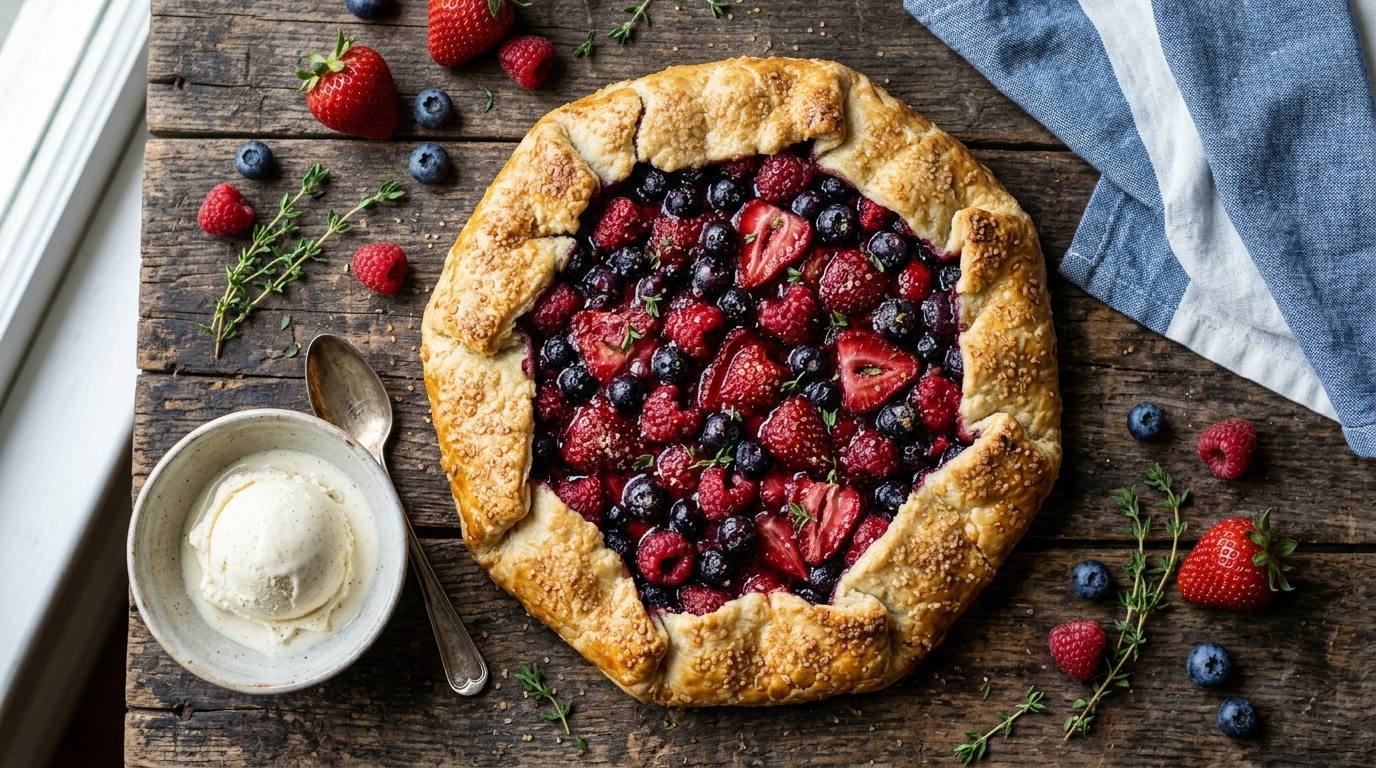
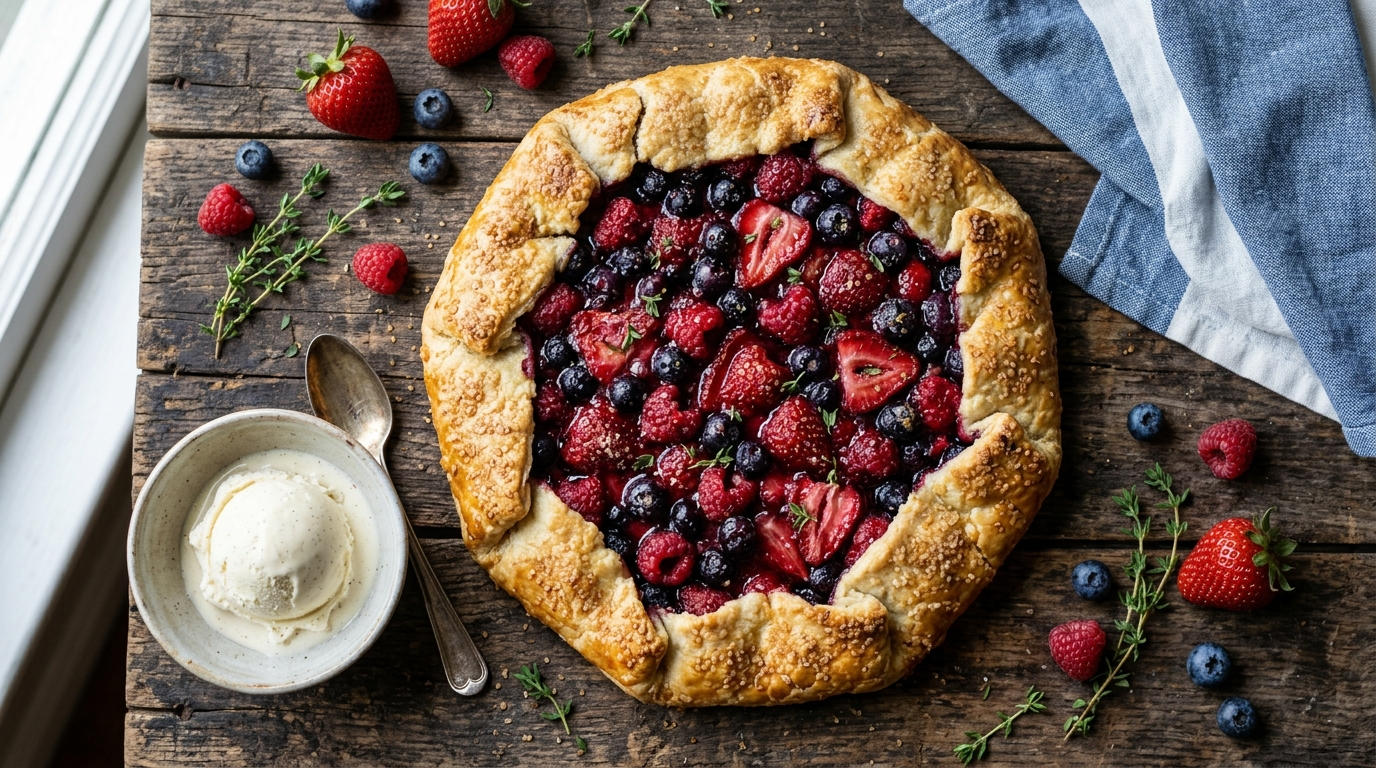
This summer berry galette recipe is the ultimate celebration of warm-weather baking, combining a shatteringly flaky, buttery crust with a luscious filling of peak-season strawberries, blueberries, and raspberries. Unlike a traditional pie, a galette is intentionally imperfect, and that rustic, free-form charm is exactly what makes it so irresistible on a summer table. Whether you are hosting a backyard barbecue or simply craving something sweet on a Tuesday evening, this galette delivers bakery-level results with minimal effort.
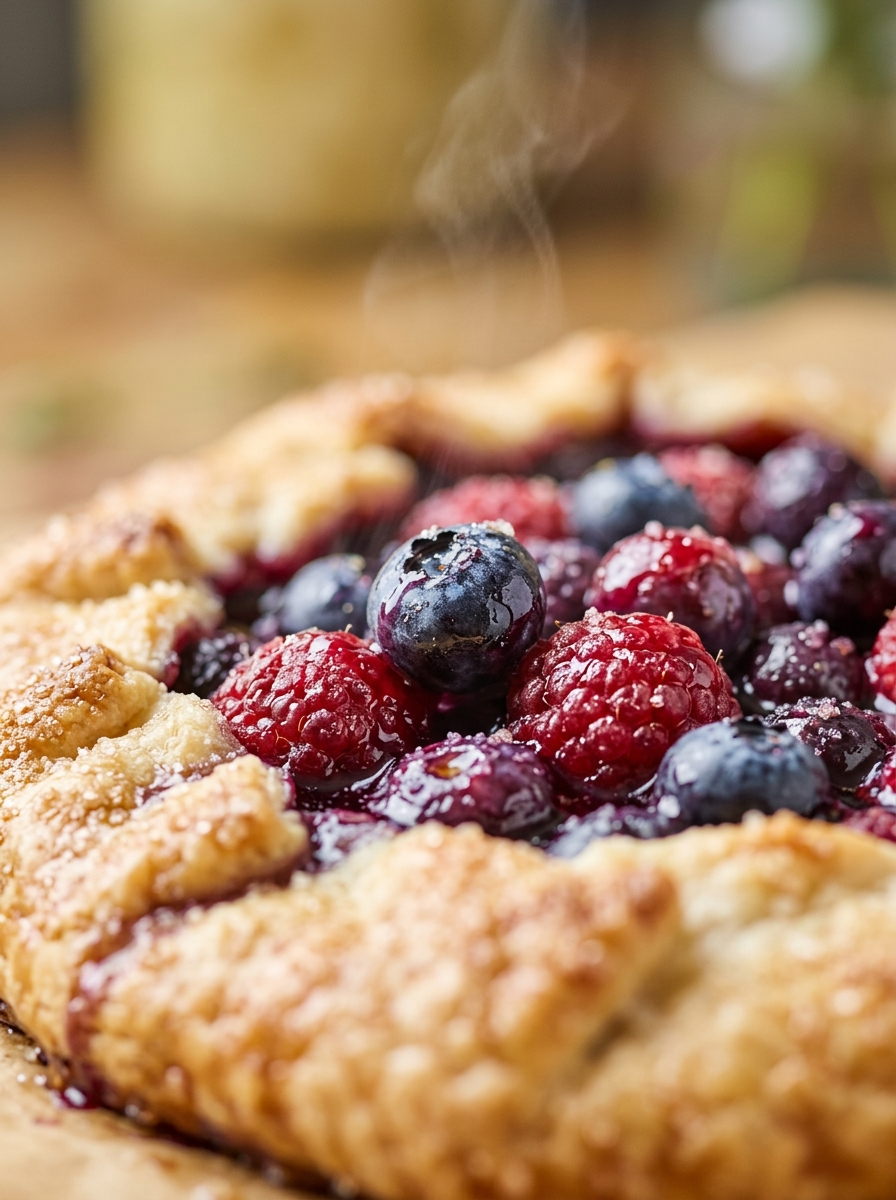
One of the greatest joys of this recipe is its forgiving nature. You do not need a pie dish, a perfectly crimped crust, or any pastry experience whatsoever. You roll the dough into a rough circle, pile on the berries, fold up the edges, and let the oven do the rest. The heat transforms the fruit into a jammy, bubbling filling that pools into the crevices of that golden, caramelized crust. Every single bite is a balance of tart fruit and rich, buttery pastry that tastes like summer itself.
Fresh summer berries are at their absolute peak from June through August, making this the perfect window to bake this galette again and again. Strawberries bring sweetness, blueberries add depth, and raspberries contribute a bright, tangy punch that keeps every slice exciting. You can mix and match based on what is ripe at your local farmers market or what is sitting in your refrigerator right now. The flexibility of this recipe is one of its greatest strengths, and once you make it the first time, you will find yourself returning to it all season long.
This summer berry galette recipe delivers a beautifully rustic, flaky pastry filled with juicy mixed berries and a hint of vanilla. No special pan required, no fussy techniques needed. It is the effortless summer dessert your table has been waiting for this season.
Ingredients
| AMOUNT | INGREDIENT | NOTES |
|---|---|---|
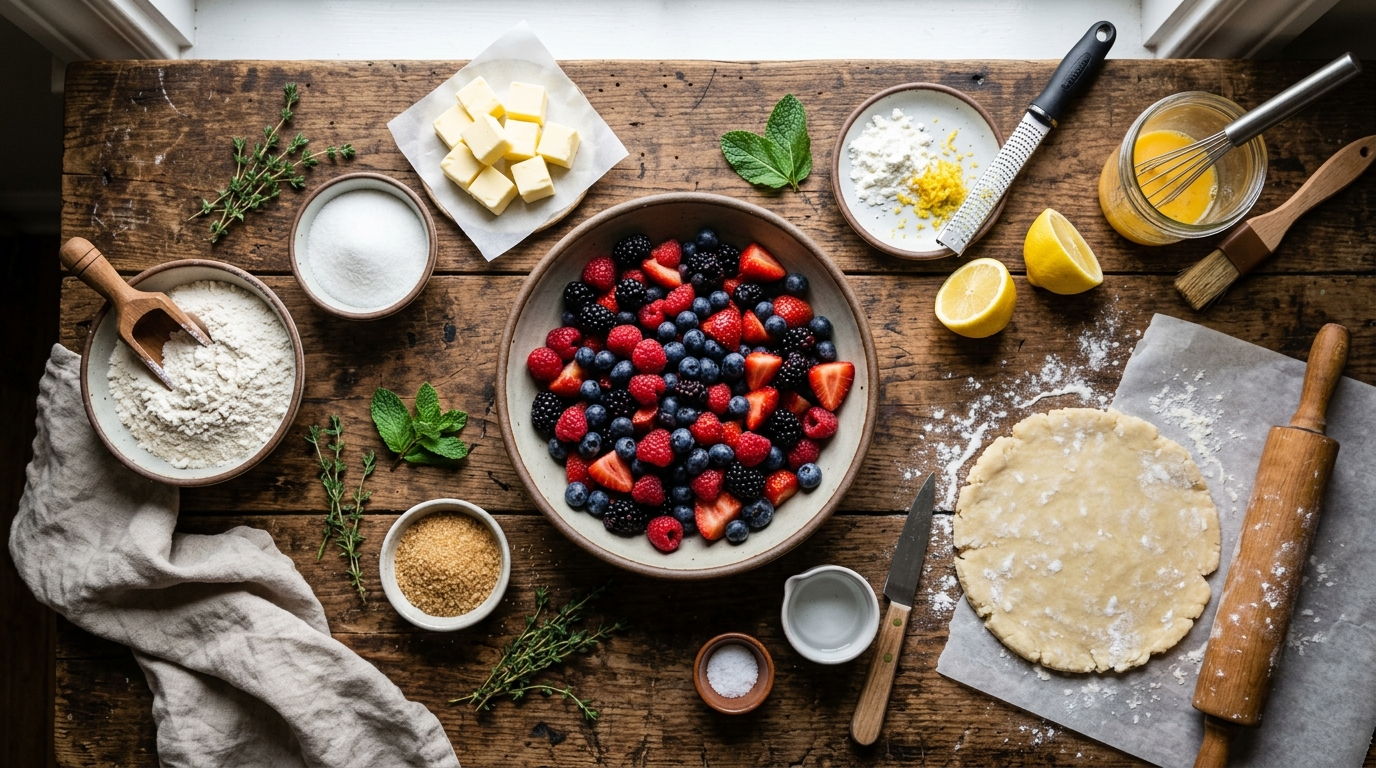
| 1.5 cups | all-purpose flour | spooned and leveled for accurate measurement |
| 1 tablespoon | granulated sugar | for the pastry dough |
| 0.5 teaspoon | fine sea salt | enhances the buttery flavor of the crust |
| 0.5 cup | unsalted butter | very cold, cut into small cubes |
| 3 tablespoons | ice water | add one tablespoon at a time until dough just comes together |
| 1 cup | fresh strawberries | hulled and sliced into quarters |
| 1 cup | fresh blueberries | rinsed and patted dry |
| 0.5 cup | fresh raspberries | handle gently to keep whole |
| 3 tablespoons | granulated sugar | for the berry filling, adjust based on berry sweetness |
| 1.5 tablespoons | cornstarch | thickens the berry juices during baking |
| 1 teaspoon | pure vanilla extract | adds warmth and depth to the berry filling |
| 1 teaspoon | fresh lemon zest | brightens the overall flavor of the filling |
| 1 teaspoon | fresh lemon juice | balances sweetness and enhances berry flavor |
| 1 large | egg | beaten with one tablespoon of water for the egg wash |
| 1 tablespoon | turbinado sugar | sprinkled over crust edges before baking for sparkle and crunch |
| 1 tablespoon | all-purpose flour | sprinkled on the dough base to absorb excess berry juices |
Instructions
Nutrition (per serving)
About This Recipe
The galette is a beloved staple of French home baking with roots stretching back centuries in the regional kitchens of Brittany and Normandy. The word galette itself comes from the Norman word gale, meaning flat cake, and it has historically referred to a wide variety of flat, round pastries and cakes across French culinary tradition. The free-form fruit galette as we know it today, also called a crostata in Italian cuisine, emerged as a practical solution for home bakers who wanted the elegance of a tart without the rigid structure of a pastry shell or tart pan. French grandmothers and countryside bakers embraced its unfussy nature, folding seasonal fruit into rough rounds of buttery dough and sliding them straight onto the hearth.
As the galette made its way into American kitchens through the influence of French cooking icons and the farm-to-table movement of the late twentieth century, it quickly found a devoted following. American bakers adapted the classic French recipe to celebrate the extraordinary bounty of local summer berries, which thrive across the country from the Pacific Northwest to the Mid-Atlantic. Today, the summer berry galette has become a beloved symbol of casual, confident home baking across the United States, appearing at farmers markets, potlucks, and dinner parties alike. Its combination of European elegance and American practicality makes it a timeless recipe that feels both sophisticated and deeply approachable.
Ready to Serve
A Closer Look
Pro Tips for Best Results
- Keep your butter and water as cold as possible throughout the dough-making process. Warm butter melts into the flour instead of creating steam pockets, and those steam pockets are what produce the flaky layers that make this crust so extraordinary. If your kitchen is warm, chill your mixing bowl in the freezer for 10 minutes before starting.
- Do not skip macerating the berries for 10 minutes before assembling. This step draws out some of the excess juice and allows the cornstarch to begin coating the fruit, resulting in a filling that thickens beautifully in the oven rather than running all over the pan.
- Leave most of the accumulated berry juice in the bowl when you spoon the filling onto the dough. Pouring all that liquid onto the crust is the most common reason for a soggy bottom. You can actually reduce those reserved juices in a small saucepan and drizzle them over the finished galette as a glaze.
- Roll your dough on parchment paper so you can slide it directly onto the baking sheet without needing to transfer it by hand. Transferring a filled galette can cause tearing and spilling, so doing the assembly on the parchment and simply lifting the paper onto the pan is a much cleaner approach.
- Let the galette cool for at least 20 minutes before slicing. The filling is essentially a loose jam straight out of the oven and it needs time to firm up. Cutting too early results in a runny, messy slice. The patience is absolutely worth it, and the galette is equally delicious served at room temperature.
Essential Equipment
Large Mixing Bowl: Needed for combining the pastry dough ingredients and tossing the berry filling together without crowding.
Rolling Pin: Used to roll the pastry dough into an even, roughly 12-inch round for the galette base.
Baking Sheet: A rimmed sheet pan lined with parchment paper provides the surface for baking the free-form galette.
Parchment Paper: Prevents the galette from sticking and makes cleanup effortless while also helping transfer the dough.
Pastry Cutter or Food Processor: Cuts cold butter into the flour quickly and efficiently to create the flaky, tender crust texture.
Pastry Brush: Used to apply the egg wash evenly over the folded crust edges for a beautiful golden-brown finish.
Small Bowl: For whisking together the egg wash before brushing it onto the pastry edges.
Chef Knife: For hulling and slicing strawberries to the ideal size for even baking within the galette filling.
Variations
Peach and Berry Galette: Replace half of the strawberries with 1 cup of thinly sliced fresh peaches for a stone fruit twist that pairs beautifully with the blueberries and raspberries. Add a pinch of cinnamon and a grating of fresh nutmeg to the filling for a warm, spiced depth.
Cream Cheese Base Galette: Spread a thin layer of sweetened cream cheese mixed with lemon zest over the dough before adding the berry filling. This creates a rich, tangy layer between the crust and fruit that tastes remarkably similar to a fruit danish.
Almond Frangipane Galette: Spread a thin layer of almond frangipane, made from ground almonds, butter, sugar, and egg, over the dough base before topping with berries. The frangipane bakes into a moist, nutty layer that elevates the galette to a truly patisserie-worthy dessert.
Gluten-Free Version: Substitute the all-purpose flour with a 1-to-1 gluten-free baking flour blend. Add half a teaspoon of xanthan gum if your blend does not already contain it. The dough will be slightly more delicate to handle, so chilling it well before rolling is especially important.
Brown Butter Crust Galette: Brown 2 tablespoons of the butter before chilling it and incorporating it into the dough alongside the cold butter. This adds a toasty, nutty complexity to the crust that complements the tartness of summer berries in a remarkably sophisticated way.
Frequently Asked Questions
Can I make the galette dough ahead of time?
Yes, you can prepare the pastry dough up to 3 days in advance and store it wrapped tightly in plastic wrap in the refrigerator. You can also freeze the dough disk for up to 3 months. Thaw frozen dough overnight in the refrigerator before rolling.
Can I use frozen berries instead of fresh?
Yes, frozen berries work well in this recipe but require a small adjustment. Do not thaw them before using. Increase the cornstarch to 2 tablespoons to account for the extra moisture released during baking, and add 5 additional minutes to the baking time.
Why is my galette crust soggy on the bottom?
A soggy crust is almost always caused by too much liquid in the filling. Make sure to leave the accumulated berry juices in the bowl when spooning the filling onto the dough, and do not skip the step of sprinkling flour on the dough base before adding the berries.
How do I store leftover galette?
Store leftover galette loosely covered at room temperature for up to 2 days, or wrap it tightly and refrigerate for up to 4 days. The crust will soften slightly in the refrigerator, but you can re-crisp it in a 350 degree Fahrenheit oven for 8 to 10 minutes before serving.
Can I freeze the baked galette?
Yes, the fully baked galette can be frozen for up to 2 months. Allow it to cool completely, then wrap it tightly in plastic wrap followed by a layer of aluminum foil. Reheat directly from frozen in a 375 degree Fahrenheit oven for 15 to 20 minutes until warmed through and the crust crisps back up.
What can I serve with a summer berry galette?
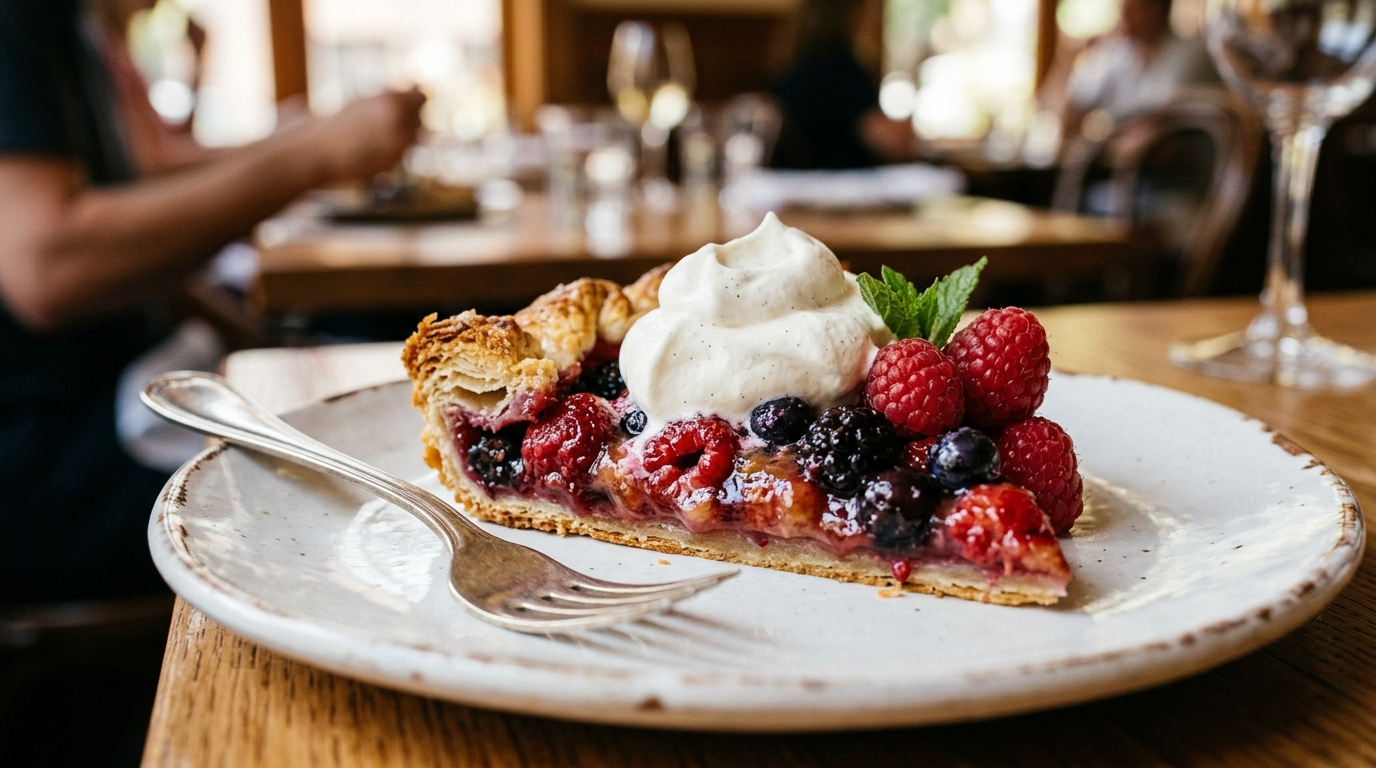
Vanilla ice cream is the most classic pairing and the contrast of cold, creamy ice cream against the warm berry filling is absolutely perfect. Fresh whipped cream, creme fraiche, or a drizzle of honey and a sprinkle of flaky sea salt are also wonderful accompaniments that complement the fruit beautifully.