Healthy Zucchini Noodles with Avocado Pesto: A Keto-Friendly Delight
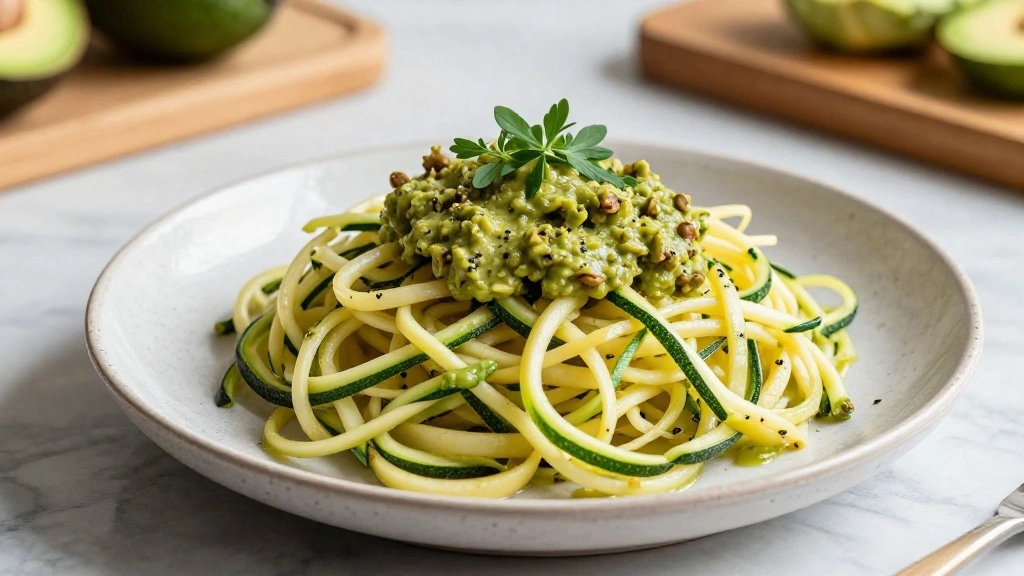
With the bounty of summer produce, zucchini noodles with avocado pesto offer a fresh and vibrant twist on traditional pasta dishes.
These noodles are not only a feast for the taste buds but also a visual delight with their vibrant green hue.
The creamy avocado pesto is rich and satisfying, yet light enough to keep you feeling energized.
For those following a keto diet, this dish provides a flavorful and healthy alternative to carb-loaded pasta.
Whether you’re a seasoned cook or a kitchen novice, this recipe is straightforward and rewarding.
Get ready to enjoy a guilt-free indulgence that brings out the best of seasonal ingredients.
The History and Cultural Significance
• Healthy Zucchini Noodles trace their origins to Italy, where zucchini has long been a staple in regional cuisine.
• The dish evolved over decades as culinary trends shifted towards low-carb and gluten-free diets, eventually becoming the beloved version we know today.
• In Italian culture, this dish traditionally appears at summer gatherings, symbolizing the use of fresh, seasonal produce.
• While many variations exist across different regions, the authentic version maintains a simple preparation that highlights the natural flavors of zucchini and fresh herbs.
Recipe Overview
Nutritional Information (per serving)
Essential Equipment Guide
Spiralizer: Crucial for transforming zucchini into noodle-like strands, maintaining the texture and appearance of traditional pasta. Alternatives include a julienne peeler or a mandoline with a julienne blade.
Food Processor: Essential for creating a smooth and creamy avocado pesto. A blender can be used, but ensure it has a pulse function for best results.
Non-stick Skillet: Important for lightly sautéing the zucchini noodles without sticking or overcooking. Look for a skillet with a wide base for even cooking.
Ingredients
For the Base
|
| Amount | Ingredient | Notes |
|---|---|---|
| 4 medium | zucchinis | spiralized into noodle form |
For the Avocado Pesto
| Amount | Ingredient | Notes |
|---|---|---|
| 2 ripe | avocados | peeled and pitted |
| 1 cup | fresh basil leaves | packed |
| 1/4 cup | pine nuts | toasted for added flavor |
| 2 cloves | garlic | minced |
| 1/4 cup | extra-virgin olive oil | adds richness |
| 2 tablespoons | lemon juice | for brightness |
| 1/4 teaspoon | salt | enhances flavor |
| 1/8 teaspoon | black pepper | for seasoning |
Preparation Methods
Spiralizing: Spiralizing creates long, noodle-like strands from zucchini, which mimic traditional pasta. It's vital for texture and presentation. Ensure the zucchini is firm and straight for even cutting, and avoid over-spiralizing to prevent mushy noodles.
Pesto Blending: Blending avocado with basil and pine nuts creates a creamy pesto. The technique requires pulsing to avoid over-processing, which can turn the pesto too oily. Use a spatula to scrape down the sides for a uniform blend.
Sautéing Noodles: Quickly sautéing zucchini noodles in a non-stick skillet helps retain their crispness. Cook on medium-high heat for no more than 2-3 minutes to avoid sogginess, and toss gently for even heat distribution.
Step 1: Prepare Ingredients
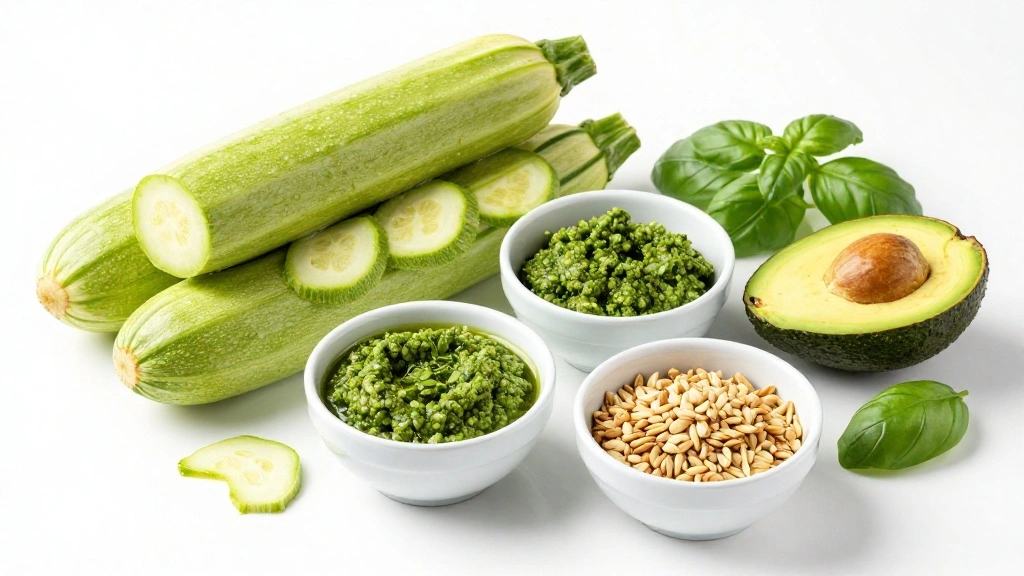
Gather all ingredients and equipment needed for the recipe.
Ensure zucchinis are washed and dried before spiralizing.
Set aside all pesto ingredients ready for processing.
Having everything ready will streamline the cooking process.
Step 2: Spiralize the Zucchini
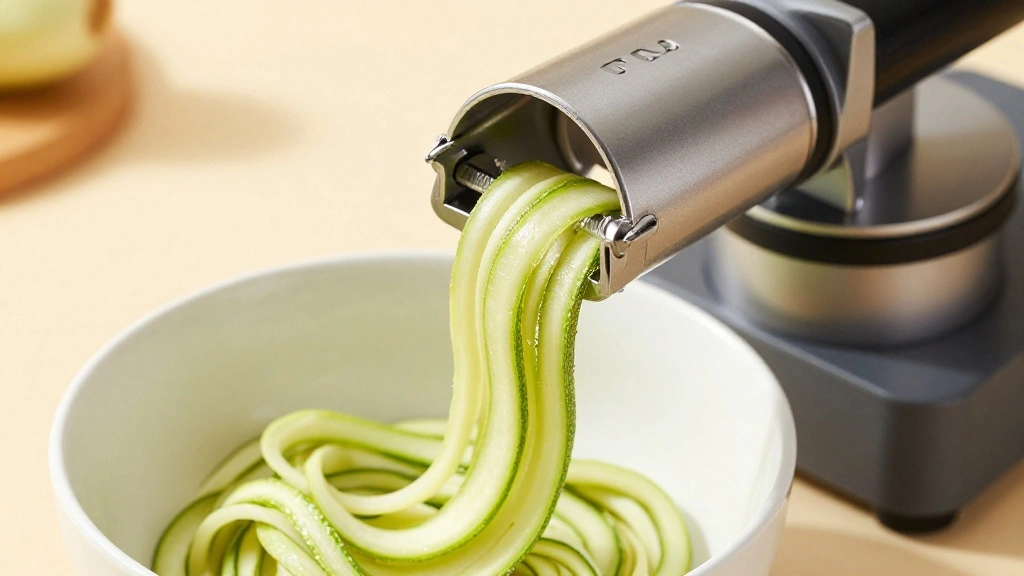
Attach the zucchini to the spiralizer and turn the handle to create noodles.
Ensure even pressure for uniform noodles.
Collect the noodles in a large bowl as they are made.
This step is crucial for achieving the right texture and appearance.
Step 3: Toast Pine Nuts
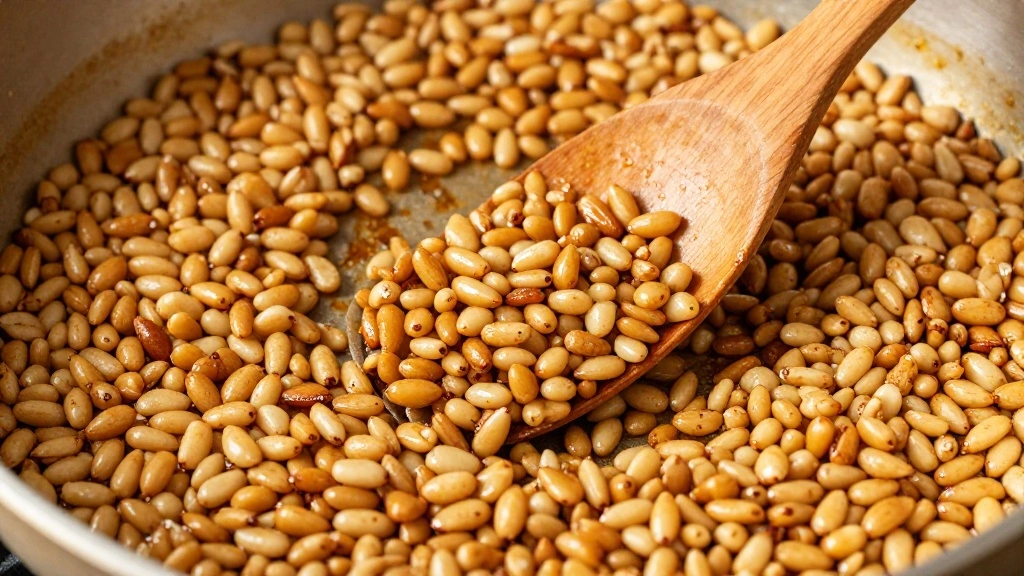
Heat a small skillet over medium heat and add the pine nuts.
Stir constantly to prevent burning and ensure even toasting.
Remove from heat once they are golden brown and fragrant.
Cooling them slightly will enhance their flavor in the pesto.
Step 4: Prepare Avocado Pesto
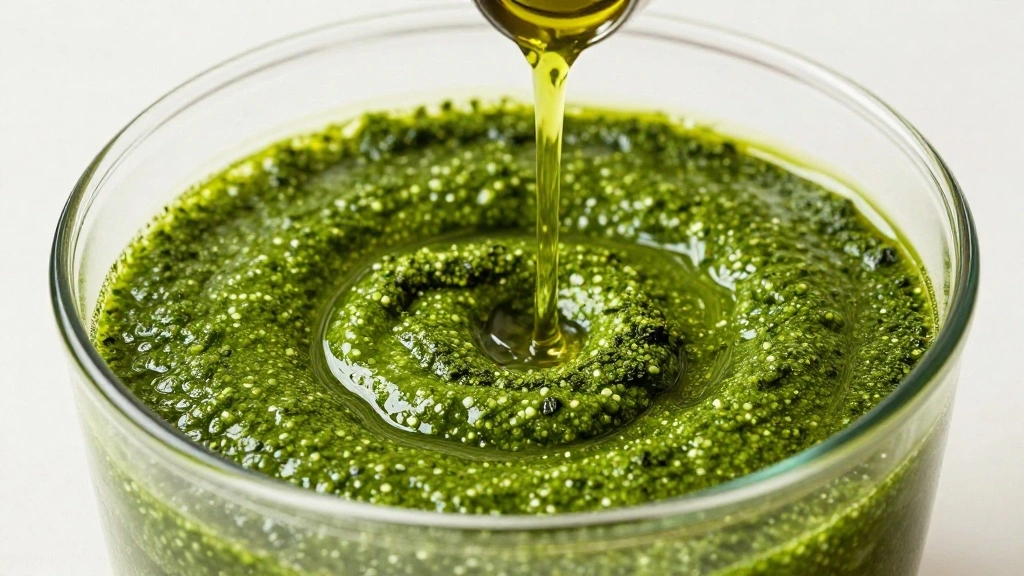
Combine avocados, basil, toasted pine nuts, garlic, and lemon juice in a food processor.
Pulse until the mixture starts to combine, then slowly add olive oil while processing.
Scrape down the sides to ensure all ingredients are well incorporated.
Blend until smooth and creamy, adjusting salt and pepper to taste.
Step 5: Sauté Zucchini Noodles
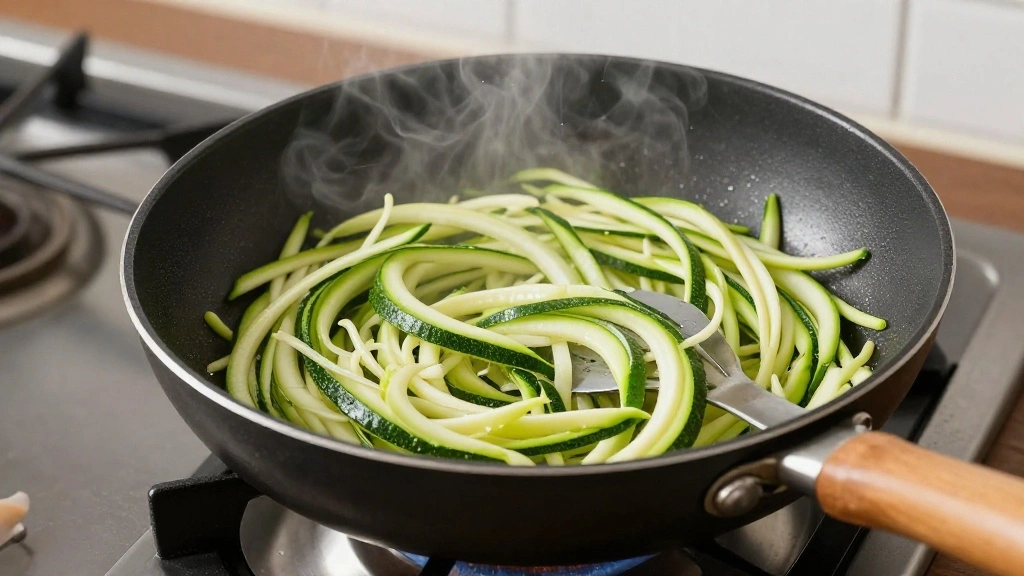
Heat a non-stick skillet over medium-high heat.
Add zucchini noodles and toss gently to coat evenly with oil.
Cook for 2 to 3 minutes, stirring occasionally until just tender.
Avoid overcooking to maintain a slight crunch.
Step 6: Combine Noodles with Pesto
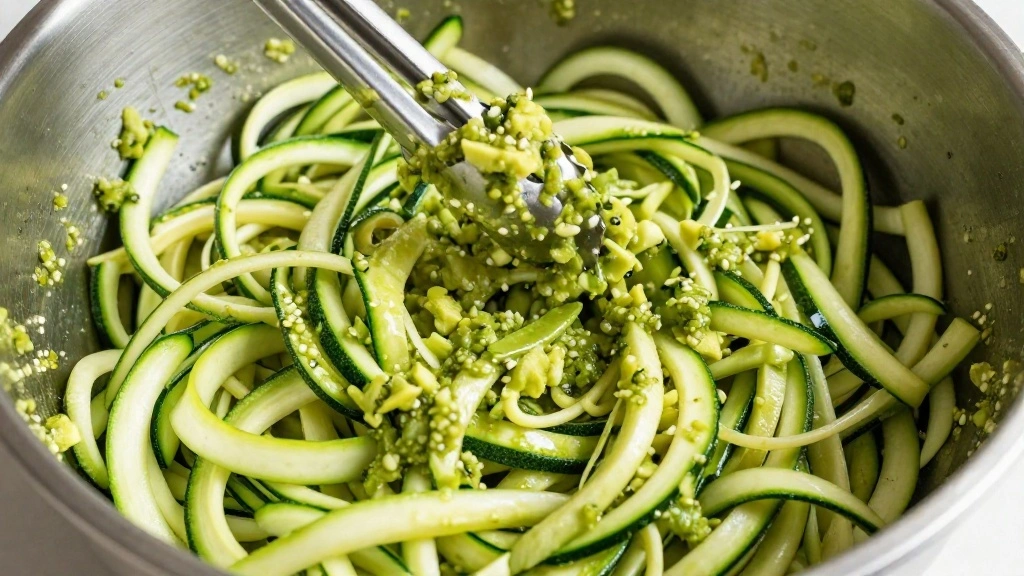
Transfer cooked noodles to a large bowl and add the avocado pesto.
Toss thoroughly to coat the noodles evenly with the sauce.
Ensure every strand is covered for maximum flavor.
Check seasoning and adjust with salt and pepper if needed.
Step 7: Plate the Dish
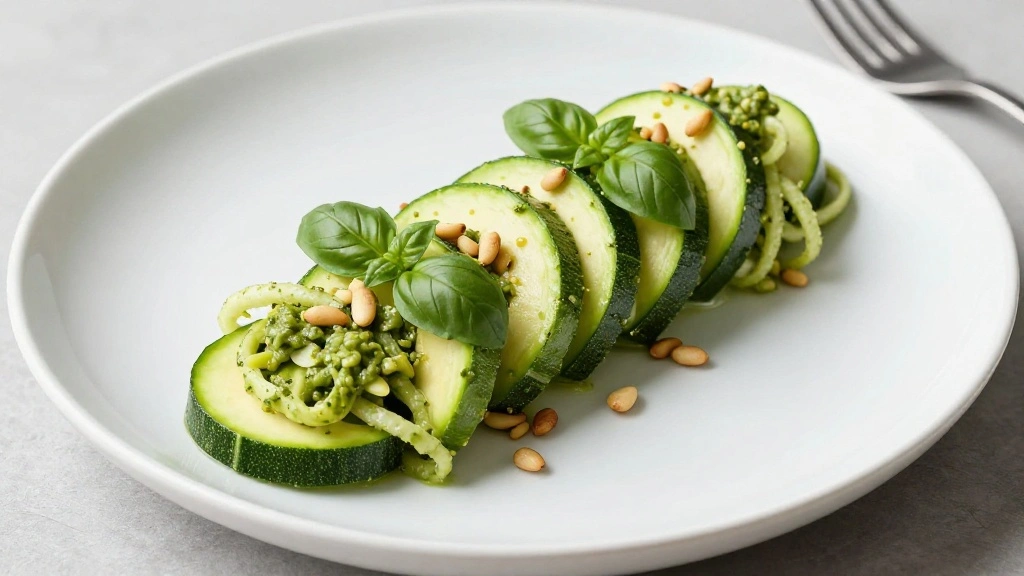
Divide the coated zucchini noodles evenly among serving plates.
Garnish with extra basil leaves and a sprinkle of pine nuts.
Add a light drizzle of olive oil for added sheen.
Ensure each plate looks inviting and colorful.
Step 8: Serve Immediately
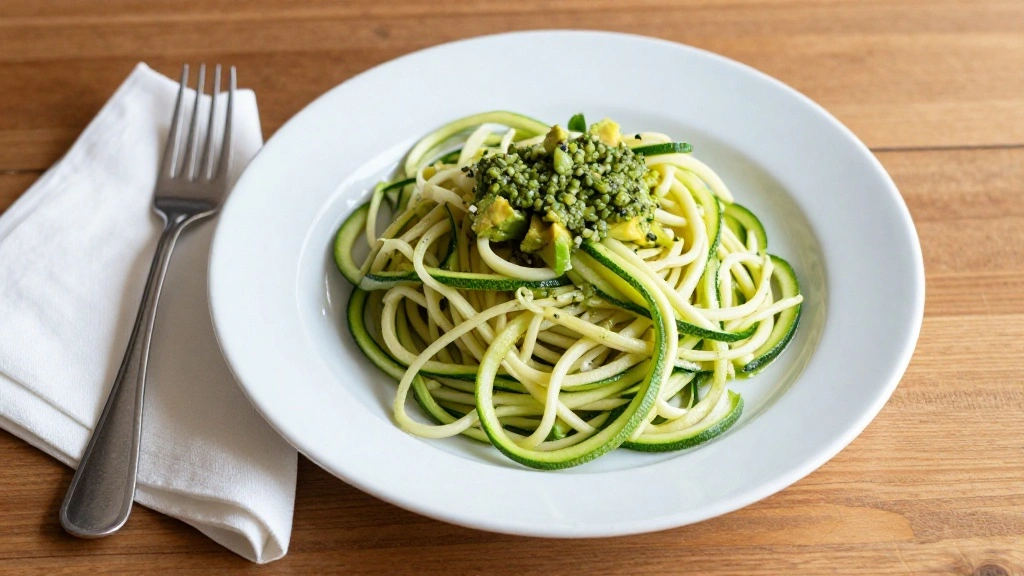
Present the plated dish to your guests or family promptly.
The noodles are best enjoyed fresh when they retain their texture.
Encourage diners to savor the mix of flavors and textures.
Provide lemon wedges for an optional citrus boost.
Critical Timing and Temperature Guide
Spiralizing Zucchini: Best done right before cooking to prevent the noodles from becoming too watery. Keep the zucchini chilled until ready to spiralize.
Toasting Pine Nuts: Toast over medium heat for 3-4 minutes until golden brown. Stir constantly to prevent burning, which can impart a bitter flavor.
Sautéing Noodles: Cook for 2-3 minutes over medium-high heat. Watch for the noodles to become just tender while retaining a slight crunch. Avoid overcooking to prevent them from becoming mushy.
Pro Tips for Healthy Zucchini Noodles
• Ingredient Selection: Choose firm and straight zucchinis for even spiralizing and the freshest basil for a vibrant pesto.
• Preparation Secret: Lightly salting zucchini noodles before cooking and letting them sit for a few minutes can help draw out excess moisture, preventing sogginess.
• Temperature Management: Keep the skillet at medium-high heat for sautéing to achieve the best texture without overcooking.
• Texture Enhancement: Avoid over-processing the pesto to maintain a slightly chunky texture that clings well to the noodles.
• Flavor Layering: Use freshly toasted pine nuts for depth and freshly squeezed lemon juice for brightness in the pesto.
• Make-Ahead Strategies: Prepare the pesto up to a day in advance and store it in an airtight container with a layer of olive oil on top to prevent browning.
• Restaurant-Quality Finishing Touches: A sprinkle of freshly grated Parmesan on top can add a touch of umami and elevate the dish.
• Equipment Optimization: Ensure your spiralizer is sharp and clean for the best results, and use a non-stick skillet for effortless cooking.
Troubleshooting Common Issues
• Zucchini Noodles Too Watery: This issue usually arises from overcooking or not removing excess moisture before cooking. Pat noodles dry with a paper towel before sautéing.
• Pesto Too Bitter: This can happen if the pine nuts are over-toasted. Ensure they are only lightly golden and not burnt.
• Soggy Noodles: Overcooking the noodles will result in sogginess. Keep sautéing time short and use high heat.
• Pesto Too Thick: If the pesto is too thick, add a tablespoon of water or more olive oil to adjust the consistency.
• Flavors Not Balanced: If the dish tastes flat, add a little more salt or lemon juice to enhance the flavors.
• Noodles Breaking Apart: Handle noodles gently when tossing with pesto to keep them intact and visually appealing.
Variations and Regional Differences
• Italian Variation: This version might include Parmesan cheese in the pesto for added richness and a hint of umami.
• Mediterranean Twist: Use sun-dried tomatoes and olives in the pesto for a more robust flavor profile.
• Asian-Inspired: Incorporate sesame oil and ginger into the pesto and garnish with toasted sesame seeds for a fusion take.
• South American Influence: Add cilantro and lime to the pesto, and top with grilled shrimp for a zesty variation.
Food Science Behind the Recipe
• Emulsion in Pesto: Understanding how olive oil emulsifies with the other ingredients in the pesto helps achieve a creamy texture without separation.
• Moisture Management: Zucchini has a high water content, so knowing how to manage moisture is essential for preventing soggy noodles.
• Acidity and Flavor Balance: The lemon juice in the pesto acts as both a preservative and a flavor enhancer, creating a harmonious balance that elevates the dish.
Frequently Asked Questions
What's the most common mistake people make when preparing Healthy Zucchini Noodles? Overcooking the zucchini noodles, which makes them soggy.
Can I use a different nut instead of pine nuts? Yes, walnuts or almonds can be used as an alternative to pine nuts.
How do I prevent the pesto from turning brown? Store it in an airtight container with a layer of olive oil on top to minimize oxidation.
Is it necessary to use a spiralizer? While a spiralizer is ideal for creating uniform noodles, a julienne peeler can also work in a pinch.
Can this dish be served cold? Yes, zucchini noodles with avocado pesto can be enjoyed as a cold salad.
What if I don't have fresh basil? Substitute with fresh spinach or parsley for a different but equally delicious pesto flavor.
How long can the leftovers be stored? Leftovers can be stored in the refrigerator for up to two days in an airtight container.
Serving and Presentation Guide
• Traditional Presentation: Serve in a shallow bowl with a garnish of fresh basil and pine nuts.
• Family Style: Present in a large serving dish, allowing guests to help themselves.
• Elegant Plating: Use a ring mold to neatly stack the noodles on each plate, garnishing with microgreens.
• Casual Lunch: Serve in a mason jar or portable container for an easy-to-eat option.
Conclusion
Healthy Zucchini Noodles with Avocado Pesto is a delightful dish that combines taste and nutrition effortlessly.
This recipe is perfect for those looking to enjoy the flavors of summer while staying health-conscious.
Give it a try and discover a new favorite that will surely become a staple in your culinary repertoire.
Enjoy the vibrant flavors and textures of this keto-friendly delight.