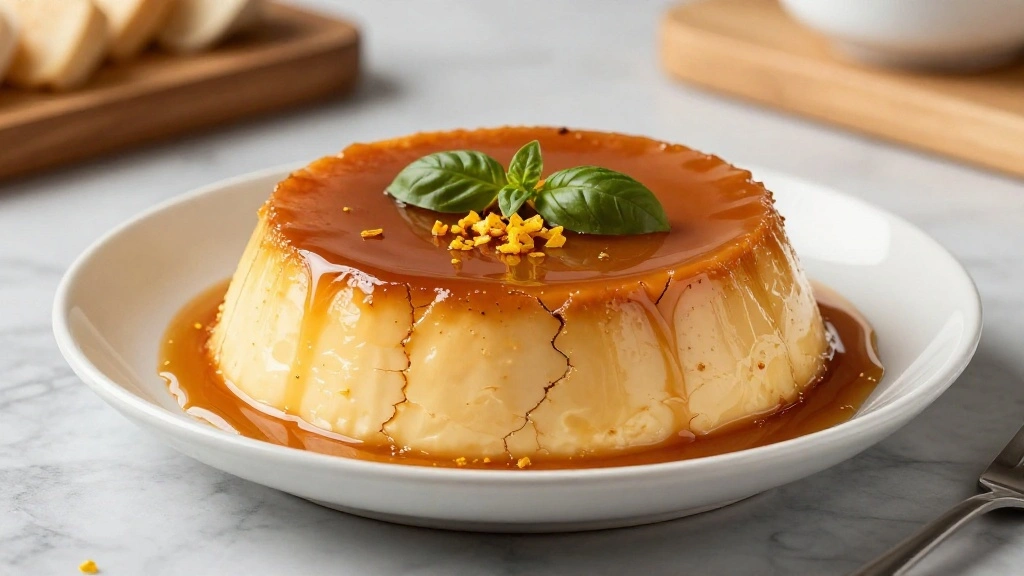
How to Make Decadent Caramel Flan: An Irresistible Latin Dessert
The caramel flan is a luscious Latin dessert that brings joy to any dining table.
Its silky texture and rich caramel flavor make it an irresistible treat for any occasion.
I first tasted this delightful dessert at a family gathering, where it was served as the perfect ending to an already wonderful meal.
The balance of smooth, creamy custard and the bittersweet caramel sauce creates a symphony of flavors that linger on the palate.
Whether you’re celebrating a special event or simply indulging your sweet tooth, this caramel flan is sure to impress and delight.
The History and Cultural Significance
• Decadent Caramel Flan traces its origins to medieval Spain, where it was originally created by blending eggs, milk, and sugar.
• The dish evolved over decades as techniques were refined and flavors were incorporated, eventually becoming the beloved version we know today.
• In Latin cultures, this dish traditionally appears at festive gatherings and celebrations, symbolizing hospitality and warmth.
• While many variations exist across different regions, the authentic version maintains a silky texture and rich caramel flavor that sets it apart from imitations.
Recipe Overview
Nutritional Information (per serving)
Essential Equipment Guide
Flan Mold or Ramekins: Using the right mold is crucial for achieving the characteristic shape and texture of the flan. While ramekins can be used as an alternative, a traditional flan mold ensures even cooking and easy unmolding. Look for a mold with a non-stick surface for best results.
Water Bath (Bain-Marie): A water bath provides gentle and even heat, crucial for cooking the custard without curdling. A deep roasting pan works well as an alternative, and ensure the water level reaches halfway up the sides of the flan mold.
Kitchen Thermometer: A thermometer helps monitor the temperature of the caramel and custard, ensuring perfect results. Look for a model with a wide temperature range and fast response time.
Ingredients
For the Caramel
|
| Amount | Ingredient | Notes |
|---|---|---|
| 1 cup | granulated sugar | provides the caramel base |
| 1/4 cup | water | helps dissolve the sugar |
For the Custard
| Amount | Ingredient | Notes |
|---|---|---|
| 4 large | eggs | binds the custard |
| 1 cup | whole milk | adds creaminess |
| 1 cup | heavy cream | enhances the richness |
| 1 teaspoon | vanilla extract | adds aromatic flavor |
| 1/2 cup | sugar | sweetens the custard |
Preparation Methods
Caramelizing Sugar: Caramelizing sugar involves heating sugar until it liquefies and turns a deep amber color. This technique is crucial for creating the flan's signature caramel layer. To master it, watch for color changes and avoid stirring to prevent crystallization.
Tempering Eggs: Tempering involves gradually adding hot liquid to beaten eggs to prevent curdling. It ensures a smooth custard texture. Pour slowly and whisk constantly for best results.
Baking in a Water Bath: Baking the custard in a water bath ensures even cooking and prevents cracking. Place the flan mold in a larger pan and fill with hot water halfway up the sides.
Step 1: Prepare the Caramel
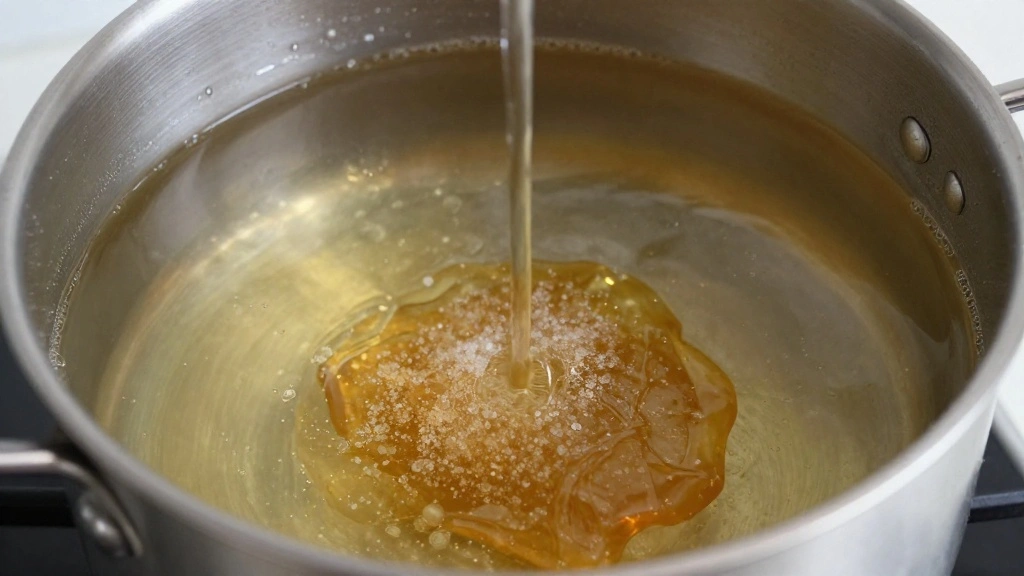
In a saucepan, combine sugar and water over medium heat.
Stir gently until the sugar dissolves completely.
Once dissolved, stop stirring and let it boil until it turns a deep amber color.
Immediately pour the caramel into the bottom of your flan mold.
Step 2: Preheat the Oven
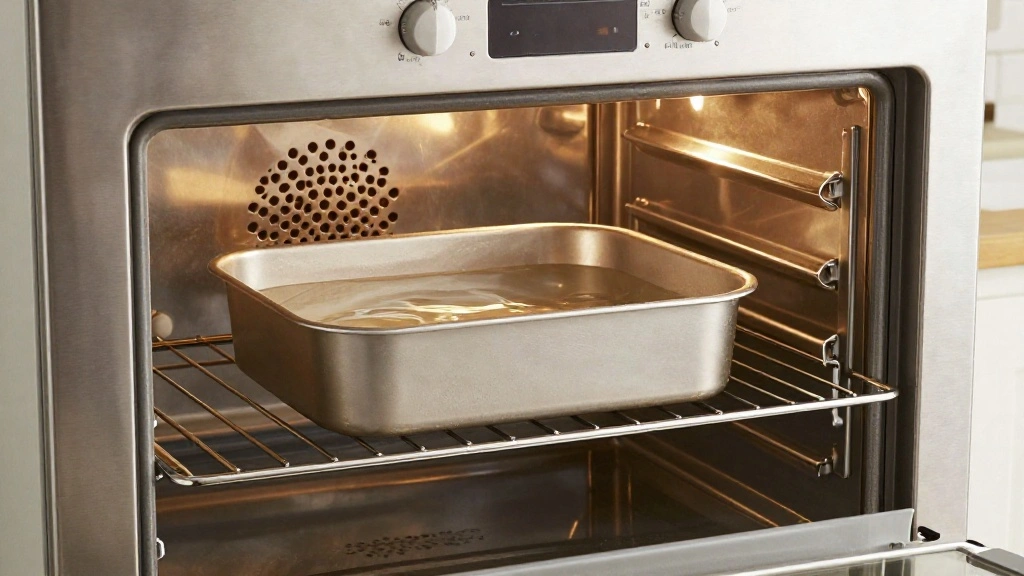
Preheat your oven to 350°F (175°C).
Ensure the oven rack is positioned in the middle of the oven.
Prepare a large roasting pan to use as a water bath.
Fill it halfway with hot water and place it in the oven to preheat.
Step 3: Mix the Custard
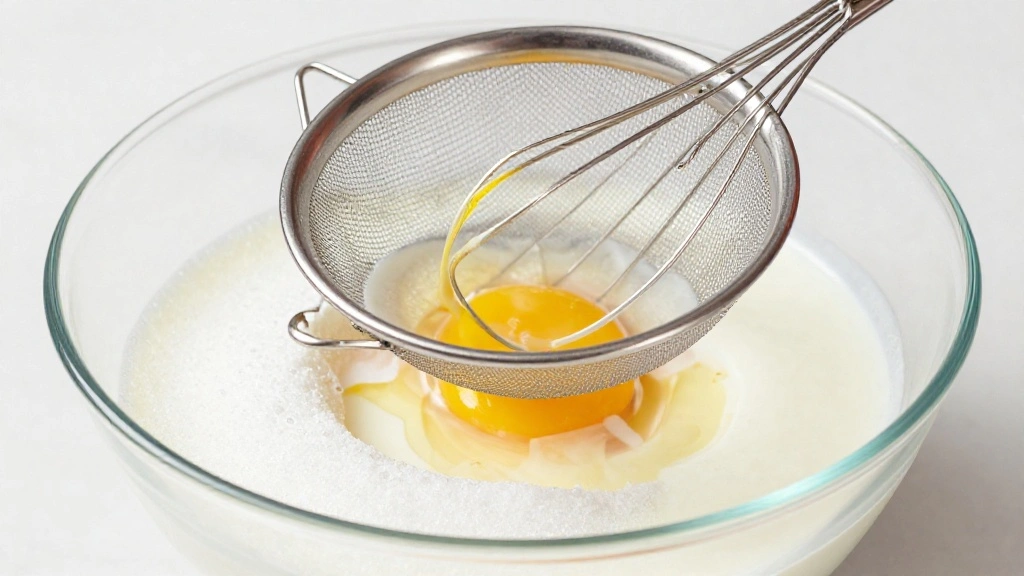
In a mixing bowl, whisk together eggs and sugar until fully combined.
Add the milk, heavy cream, and vanilla extract to the mixture.
Whisk until the custard base is smooth and well-integrated.
Strain the mixture through a fine sieve to remove any lumps.
Step 4: Combine Caramel and Custard
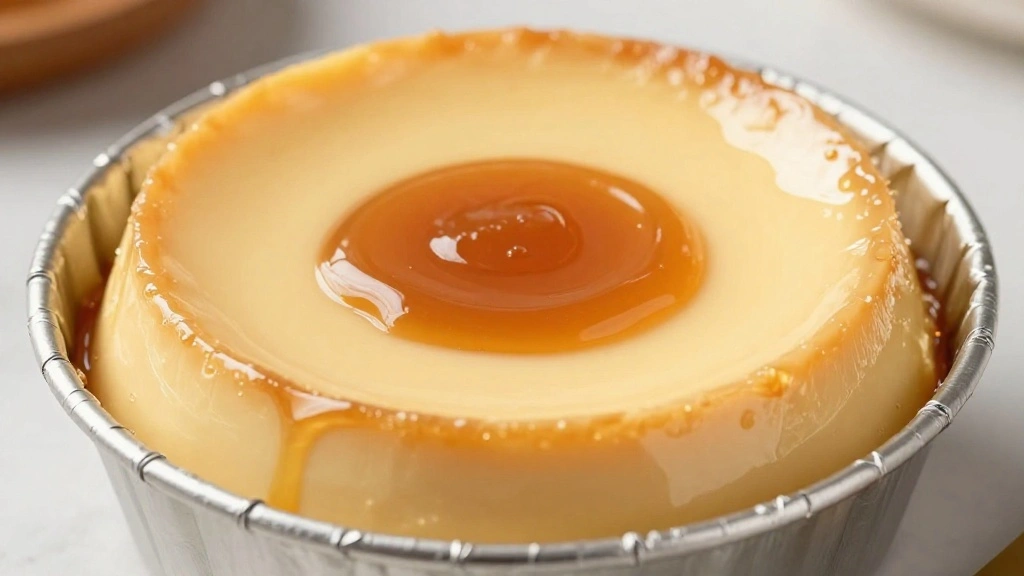
Pour the strained custard mixture over the set caramel in the flan mold.
Ensure the mixture covers the caramel completely.
Tap the mold gently on the counter to release any air bubbles.
Cover the mold tightly with aluminum foil.
Step 5: Bake the Flan
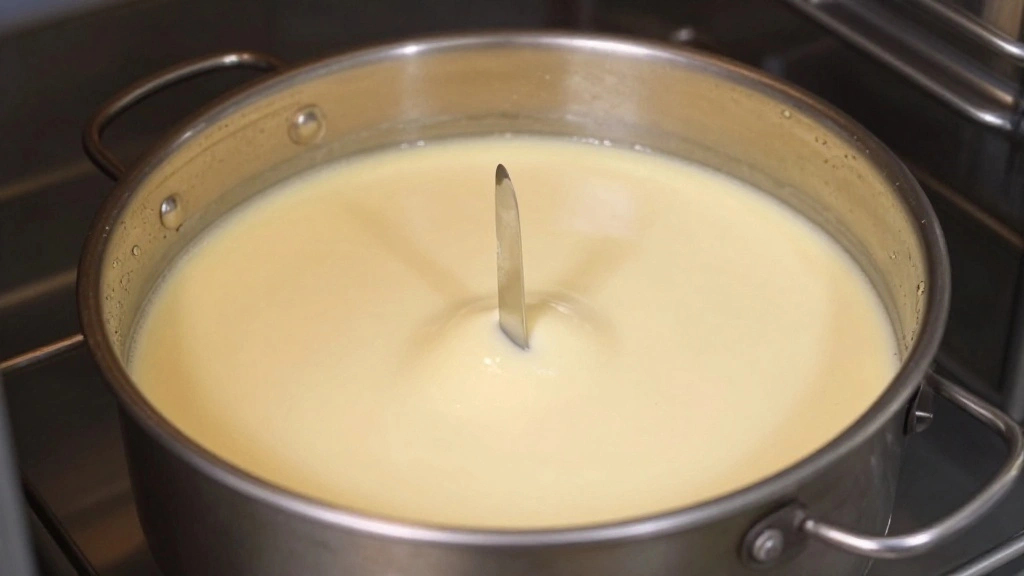
Carefully place the flan mold into the preheated water bath in the oven.
Bake for 50-60 minutes, or until the custard is set but still slightly wobbly.
Check for doneness by inserting a knife into the center; it should come out clean.
Remove from the oven and let cool in the water bath for 30 minutes.
Step 6: Chill the Flan
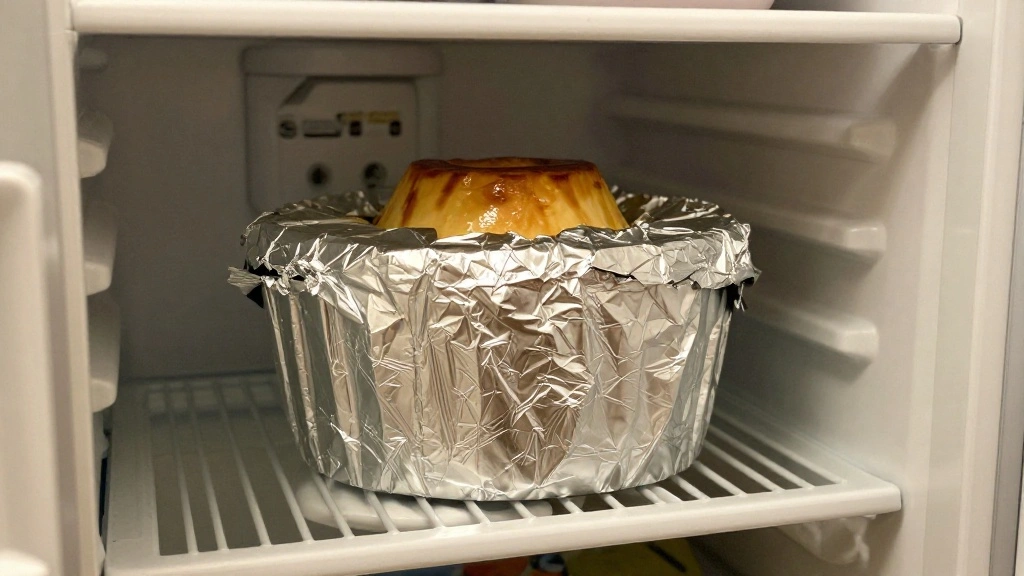
Transfer the cooled flan mold to the refrigerator.
Chill for at least 4 hours or overnight to allow the custard to set completely.
This chilling time is crucial for developing the right texture.
Ensure the flan is covered to prevent it from absorbing any odors.
Step 7: Unmold the Flan
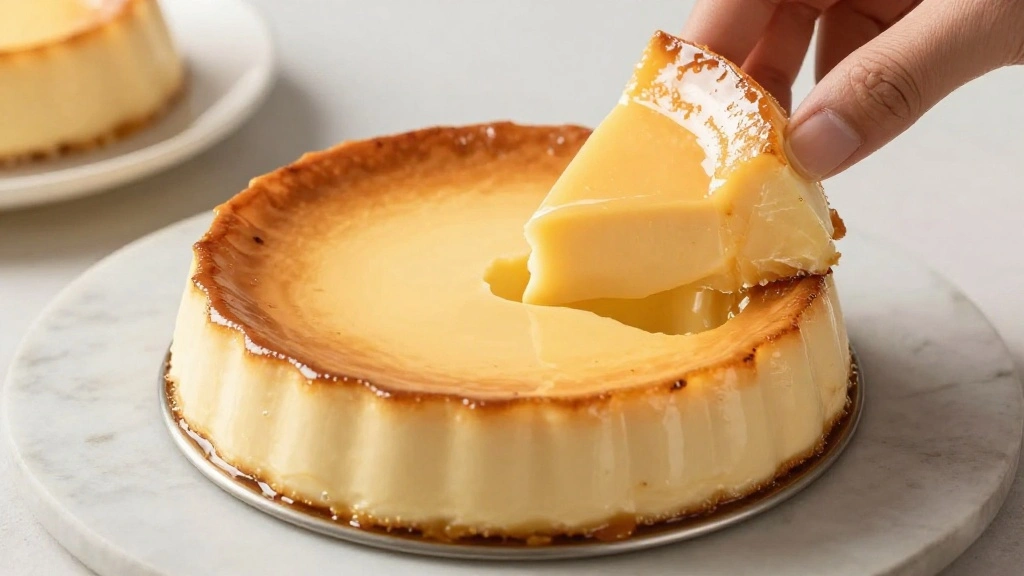
Run a thin knife around the edges of the flan to loosen it.
Place a serving plate upside-down on top of the mold.
Hold the plate and mold together and quickly invert them.
Gently lift the mold to reveal the flan on the plate.
Step 8: Serve and Enjoy
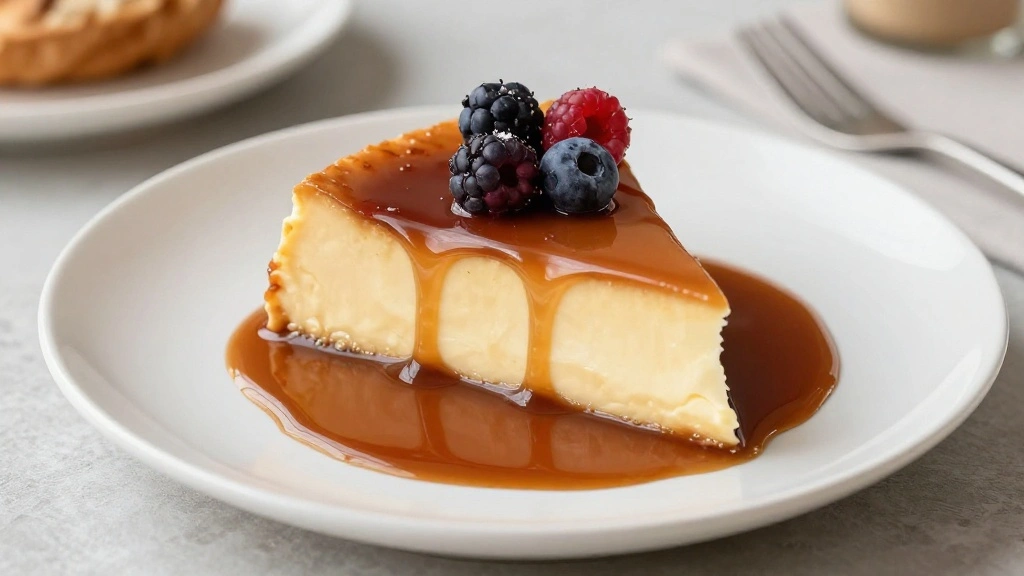
Slice the flan into wedges to serve.
Drizzle some of the caramel sauce over each slice for added flavor.
Garnish with fresh berries or mint leaves for a pop of color.
Serve chilled for the best taste and texture.
Critical Timing and Temperature Guide
Caramelizing Sugar: Heat sugar and water until it reaches 320°F (160°C). Look for a golden amber color and avoid stirring to prevent crystallization.
Baking in a Water Bath: Bake at 350°F (175°C) for 50-60 minutes. The custard should be set with a slight wobble in the center.
Chilling the Flan: Chill for at least 4 hours or overnight. Ensure the flan is fully set before unmolding.
Pro Tips for Decadent Caramel Flan
• Ingredient Selection: Use the freshest eggs for the best custard texture and whole milk for a creamy consistency.
• Preparation Secret: Add a pinch of salt to the caramel during cooking to balance the sweetness and enhance flavor.
• Temperature Management: Allow the custard mixture to reach room temperature before baking for even cooking.
• Texture Enhancement: Strain the custard mixture to remove any lumps for a silky smooth texture.
• Flavor Layering: Infuse the milk with a vanilla bean before mixing for an aromatic depth of flavor.
• Make-Ahead Strategies: Prepare the caramel and custard a day ahead and store separately to streamline assembly on the day of serving.
• Restaurant-Quality Finishing Touches: Garnish with edible flowers or a dusting of cinnamon for a sophisticated presentation.
• Equipment Optimization: Use a digital thermometer to ensure precise temperature control during caramelization.
Troubleshooting Common Issues
• Texture Too Dense: This can occur if the custard is overcooked. Check doneness with a knife and ensure a slight wobble remains.
• Caramel Sticking to the Mold: Ensure the caramel is evenly distributed and use a non-stick mold for easy release.
• Flan Cracking: Cracks can form if the custard is overbaked or cooled too quickly. Use a water bath for gentle heat.
• Sugar Not Caramelizing: If the sugar isn't caramelizing, ensure the heat is medium-high and avoid stirring once dissolved.
• Flavors Unbalanced: If the flan is too sweet, balance with a sprinkle of sea salt or a dash of citrus zest.
Variations and Regional Differences
• Spanish Flan: Often made with condensed milk and flavored with cinnamon, offering a richer, sweeter taste.
• Mexican Flan: Incorporates cream cheese into the custard for a denser texture and tangy flavor.
• Filipino Leche Flan: Uses more egg yolks and is steamed rather than baked, resulting in a richer, denser flan.
• Cuban Flan: Includes a hint of citrus zest, adding a refreshing aroma and complexity.
Food Science Behind the Recipe
• Maillard Reaction: The caramelization of sugar is a Maillard reaction, creating complex flavor compounds that enhance taste.
• Protein Coagulation: The cooking of eggs in the custard is a coagulation process, providing structure and creaminess.
• Thermal Conductivity: The water bath's even heat distribution prevents custard from curdling and maintains a smooth texture.
Frequently Asked Questions
What's the most common mistake people make when preparing caramel flan? The most common mistake is overcooking the custard, which can lead to a grainy texture.
Can I make caramel flan without a water bath? A water bath is essential for even cooking and preventing the custard from cracking.
Why is my caramel flan too sweet? Adjust the sugar in the custard or add a pinch of salt to the caramel to balance sweetness.
How do I prevent the caramel from hardening? Pour the caramel into the mold immediately after reaching the desired color and let it spread evenly.
Can I use low-fat milk instead of whole milk? Whole milk is recommended for a creamy texture, but low-fat milk can be used with slightly different results.
How do I know when the flan is done? The custard should be set with a slight wobble in the center and a knife should come out clean.
Can I freeze caramel flan? Flan can be frozen, but it may affect the texture. It's best enjoyed fresh or refrigerated.
Serving and Presentation Guide
• Traditional Presentation: Serve the flan whole on a platter with caramel sauce drizzled over the top.
• Individual Servings: Use ramekins for single portions, inverting them onto plates for a personal touch.
• Garnished Elegance: Add a touch of elegance with a sprig of mint or a few fresh berries on each serving.
• Minimalist Approach: Highlight the flan's simplicity by serving it plain on a white plate, letting the caramel shine.
Conclusion
Creating a decadent caramel flan is a rewarding culinary experience that brings authentic Latin flavors to your table.
With each creamy bite, you'll savor the perfect balance of rich custard and sweet caramel.
I encourage you to try this recipe and share the joy it brings with friends and family.