Best Smoked Pulled Pork Recipe – Tender and Juicy
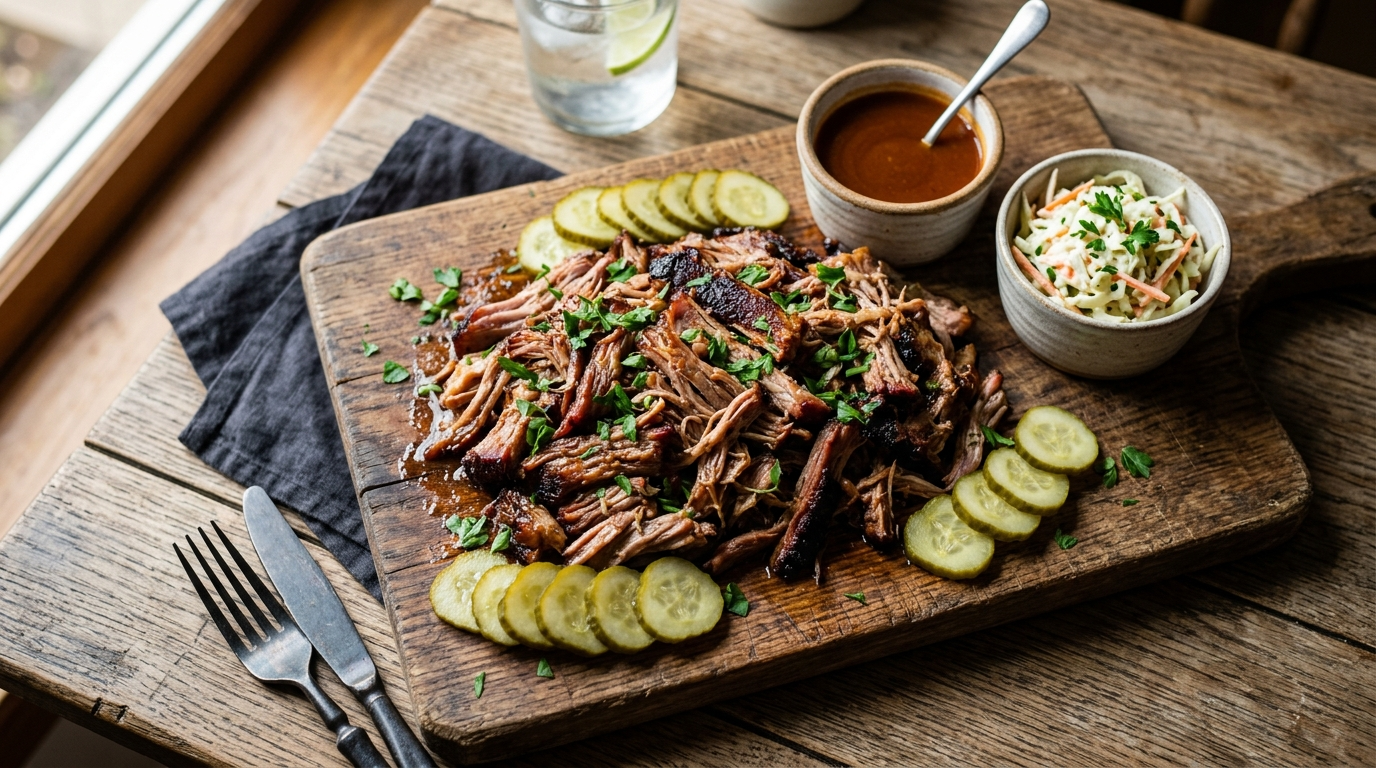
This smoked pulled pork recipe is the gold standard of backyard BBQ, delivering impossibly tender, smoke-kissed pork that falls apart with the gentlest pull.
There is something deeply satisfying about waking up early, firing up the smoker, and letting time and smoke do all the hard work. The process is meditative, the aroma is intoxicating, and the reward is a mountain of glistening, mahogany-colored pulled pork that will have your guests speechless. Whether you are feeding a crowd at a summer cookout or meal prepping for the week ahead, this recipe never disappoints.
What makes this recipe truly special is the combination of a deeply seasoned dry rub, the right wood choice, and the patience to smoke the pork low and slow until it reaches that perfect internal temperature. We will walk you through every detail so that whether this is your first smoke or your fiftieth, you will pull the most flavorful pork of your life right off that smoker today.
This smoked pulled pork recipe delivers fall-apart tender, smoky, juicy pork that rivals any BBQ joint. Packed with deep flavor from a bold dry rub and hours of low-and-slow smoking, this is the ultimate crowd-pleaser you need to fire up this weekend.
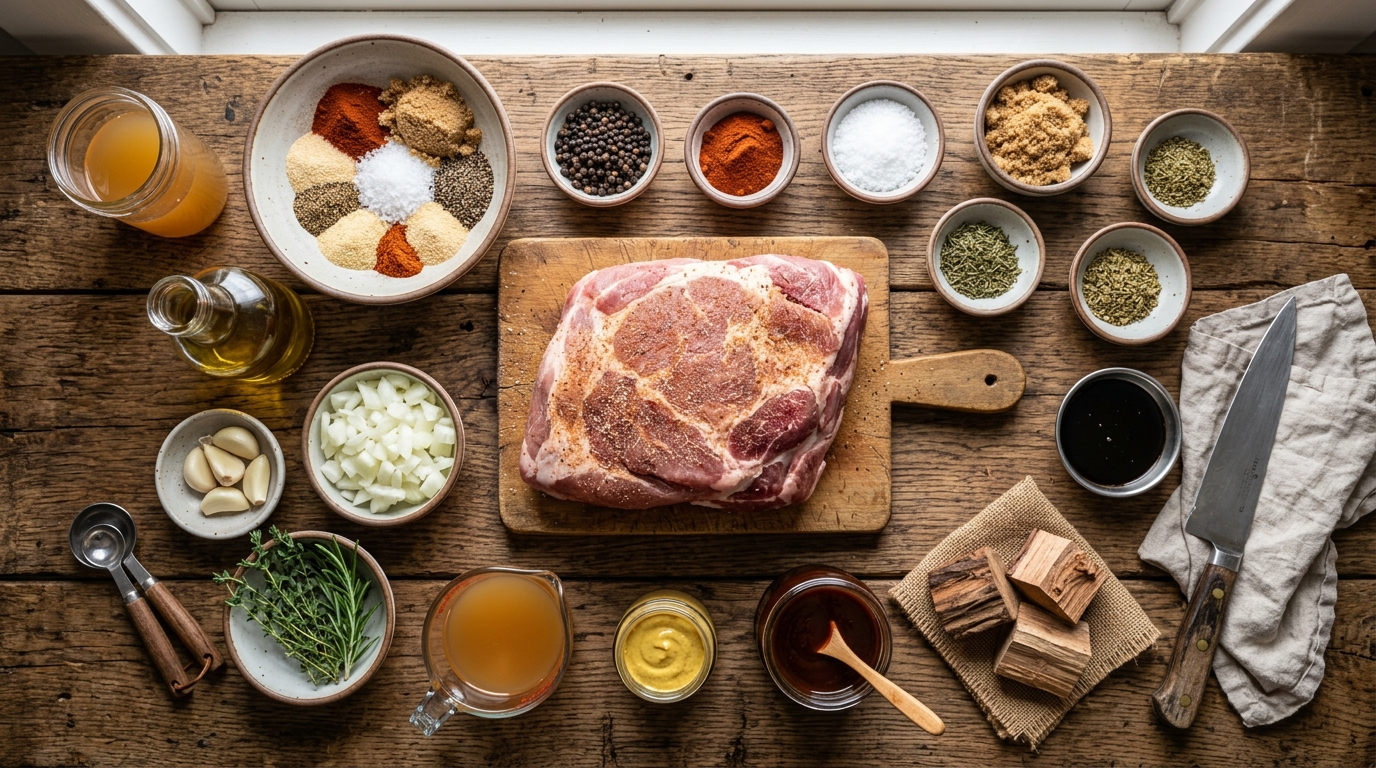
Ingredients
| AMOUNT | INGREDIENT | NOTES |
|---|---|---|
| 8 pounds | bone-in pork shoulder (also called pork butt) | fat cap trimmed to about one quarter inch |
| 3 tablespoons | brown sugar | packed, light or dark both work well |
| 2 tablespoons | smoked paprika | not regular paprika – smoked adds depth |
| 1 tablespoon | kosher salt | coarse grain preferred for better bark formation |
| 1 tablespoon | black pepper | freshly cracked for best flavor |
| 2 teaspoons | garlic powder | not garlic salt |
| 2 teaspoons | onion powder | adds savory depth to the rub |
| 1 teaspoon | cayenne pepper | adjust to your heat preference |
| 1 teaspoon | dry mustard powder | helps the rub adhere and adds tangy notes |
| 1 teaspoon | dried oregano | optional but adds herbal complexity |
| 2 tablespoons | yellow mustard | used as a binder – flavor cooks off completely |
| 1 cup | apple cider vinegar | for spritzing during the cook |
| 1 cup | apple juice | mixed with vinegar for the spritz |
| 4 chunks | hickory or applewood smoking chunks | soaking is not necessary for wood chunks |
Instructions
Nutrition (per serving)
About This Recipe
Pulled pork has deep roots in the American South, particularly in the Carolinas, where Indigenous peoples first taught European settlers to slow-cook meat over open pits using a technique known as barbacoa. This word, borrowed from the Taino people of the Caribbean, eventually evolved into the word we know today as barbecue. By the 18th and 19th centuries, whole hog and pork shoulder cooking over smoldering hardwood coals had become a cornerstone of Southern culture, community gatherings, and political rallies alike. The tradition was as much about togetherness as it was about the food itself.
Over time, regional styles emerged that remain fiercely debated to this day. Eastern North Carolina favors a tangy vinegar-based sauce, while Western Carolina leans toward a tomato-vinegar hybrid. South Carolina is famous for its mustard-based gold sauce, and Memphis style relies heavily on dry rubs with little to no sauce. Texas brought beef into the conversation, but pork shoulder remained king across the Southeast. Today, smoked pulled pork has transcended its Southern origins to become a beloved staple at backyard gatherings, food trucks, and restaurants across the entire country.
Ready to Serve
A Closer Look
Pro Tips for Best Results
- Do not skip the overnight dry brine – applying the rub the night before allows the salt to penetrate deep into the meat, seasoning it from the inside out and resulting in a far more flavorful final product than rubbing it right before smoking.
- Maintain a consistent smoker temperature throughout the entire cook. Wild fluctuations in heat will negatively affect the texture and bark of your pork shoulder. Invest in a good quality dual-probe thermometer that monitors both the meat temperature and the smoker chamber temperature simultaneously.
- The internal temperature number matters far more than the clock. Every pork shoulder is different in size, shape, and fat content, so cook to temperature rather than time. Pull the pork off when it reads 203 degrees Fahrenheit and a skewer slides in with zero resistance.
- Do not rush the rest period. Resting the pork for a full hour or more in a cooler is arguably the most underrated step in the entire process. The internal temperature will continue to rise slightly and the muscle fibers will relax, resulting in pork that is noticeably juicier than pork that is pulled immediately.
- Leftover smoked pulled pork freezes exceptionally well. Portion it into zip-lock freezer bags with some of the cooking juices, press out all the air, and freeze for up to 3 months. Reheat gently in a covered pan with a splash of apple juice or chicken broth to revive the moisture.
Essential Equipment
Offset Smoker or Kamado Grill: Provides the consistent low-and-slow indirect heat needed to break down the tough connective tissue in pork shoulder over many hours.
Wireless Meat Thermometer: Allows you to monitor the internal temperature of the pork without opening the smoker and losing precious heat and smoke.
Large Cutting Board: A wide, sturdy surface is essential for safely resting and shredding a large pork shoulder without it sliding around.
Heat-Resistant Gloves: Protects your hands when handling the hot pork shoulder directly, especially when pulling the meat apart by hand.
Aluminum Foil or Butcher Paper: Used to wrap the pork during the stall phase to push through the temperature plateau and retain moisture.
Spray Bottle: Filled with apple cider vinegar or apple juice to spritz the pork every hour and keep the bark moist and flavorful.
Bear Claws or Two Forks: Makes shredding the cooked pork shoulder fast, efficient, and effortless once it comes off the smoker.
Charcoal Chimney Starter: Lights charcoal quickly and evenly without the chemical taste that lighter fluid can leave on your meat.
Variations
Carolina Vinegar Style: Skip the BBQ sauce entirely and finish the pulled pork with a sauce made from apple cider vinegar, red pepper flakes, brown sugar, and a pinch of salt. This thin, tangy sauce is traditional to Eastern North Carolina and cuts right through the richness of the pork.
Sweet and Spicy Hawaiian: Add crushed pineapple, soy sauce, and a drizzle of sriracha to the pulled pork after shredding. Serve in lettuce cups or on Hawaiian sweet rolls for a tropical twist on the classic BBQ sandwich.
Mexican Carnitas Style: After smoking, shred the pork and spread it on a baking sheet. Drizzle with fresh orange juice and a little lard or butter, then broil for 5 to 7 minutes until the edges get crispy and caramelized. Serve in warm corn tortillas with onion, cilantro, and lime.
Overnight Crockpot Method: If you do not own a smoker, you can mimic the flavor by searing the rubbed pork shoulder in a cast iron skillet until deeply browned on all sides, then slow cooking it in a crockpot with a half cup of liquid smoke, apple cider vinegar, and chicken broth on low for 10 to 12 hours.
Alabama White Sauce Version: Swap out traditional red BBQ sauce for Alabama white sauce, a creamy, tangy condiment made from mayonnaise, apple cider vinegar, horseradish, black pepper, and a pinch of cayenne. It is unexpectedly delicious drizzled over smoked pulled pork.
Frequently Asked Questions
How long does it take to smoke a pork shoulder?
Plan on approximately 1.5 to 2 hours per pound of pork when smoking at 225 degrees Fahrenheit. An 8-pound bone-in pork shoulder will typically take between 12 and 16 hours total. Always cook to an internal temperature of 200 to 205 degrees Fahrenheit rather than relying on time alone.
What is the best wood for smoking pulled pork?
Hickory is the most classic and popular choice, delivering a bold, bacon-like smokiness that pairs beautifully with pork. Applewood and cherry wood offer a milder, slightly sweet smoke that produces a gorgeous deep red color on the bark. Many pitmasters blend hickory and applewood for a balanced result.
What is the stall and how do I push through it?
The stall is a phenomenon where the internal temperature of the pork stops rising and can plateau for several hours, usually between 155 and 170 degrees Fahrenheit. This happens as moisture evaporates from the surface of the meat and cools it down. Wrapping the pork tightly in foil or butcher paper traps that moisture and pushes the temperature through the stall efficiently.
Can I make smoked pulled pork ahead of time?
Absolutely. Smoked pulled pork actually improves after a day in the refrigerator as the flavors meld and deepen. Store it in an airtight container in the fridge for up to 4 days. Reheat gently in a covered pan over low heat with a splash of apple juice or broth to restore moisture, or warm it in a slow cooker on the low setting.
Do I need to inject the pork shoulder?
Injecting is not required for a great result, but it does help add moisture and flavor to the deep interior of a large pork shoulder. A simple injection of apple juice, melted butter, brown sugar, and a little salt pressed into multiple spots with an injection needle can noticeably improve the juiciness of the finished pork.
Should I remove the fat cap before smoking?
Do not remove it entirely – simply trim it down to about one quarter inch thickness. The fat cap bastes the meat as it slowly renders during the long cook, adding flavor and helping to keep the exterior moist. Removing it completely can result in a drier exterior on the finished pork.