How to Create the Perfect Chicken Marbella: A Flavor Explosion
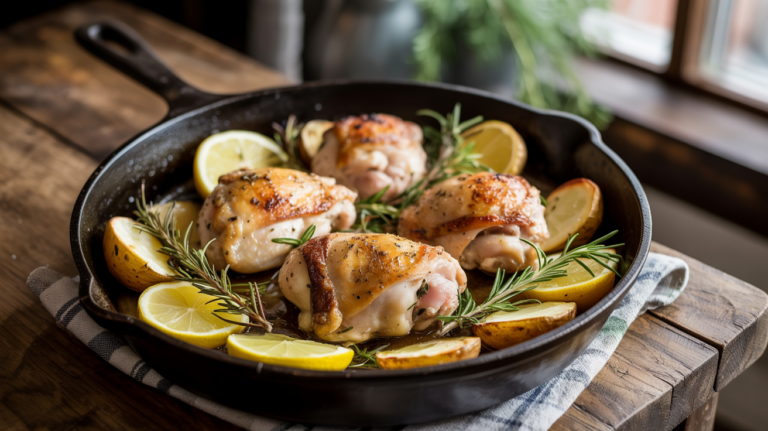
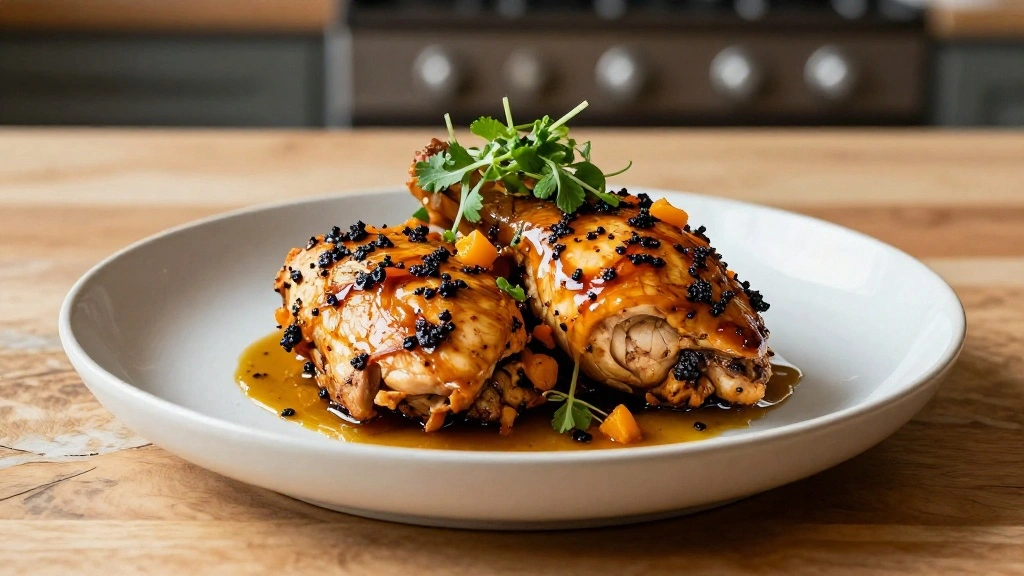
Chicken Marbella is a dish that combines the savory richness of chicken with the sweet and tangy flavors of prunes and olives.
The harmonious blend of capers, garlic, and herbs creates a memorable dining experience that will transport you to the sun-drenched coasts of Spain.
I first encountered this recipe at a family gathering, where its unique flavor profile left a lasting impression.
Whether you’re preparing a casual weeknight dinner or hosting a festive celebration, Chicken Marbella promises to delight with its straightforward preparation and impressive results.
The balance of flavors in this dish makes it a favorite for those who appreciate a mix of sweet, savory, and aromatic notes.
The History and Cultural Significance
• Chicken Marbella traces its origins to the kitchens of New York City in the 1970s, where it was originally created by the chefs at the Silver Palate.
• The dish evolved over decades as ingredients like brown sugar and vinegar were incorporated, eventually becoming the beloved version we know today.
• In American cuisine, this dish traditionally appears at dinner parties and holiday gatherings, symbolizing a fusion of traditional and contemporary flavors.
• While many variations exist across different regions, the authentic version maintains a balance of sweet and savory that sets it apart from imitations.
Recipe Overview
Nutritional Information (per serving)
You Might Also Like

Essential Equipment Guide
Baking Dish: A large, shallow baking dish is important for even cooking and allows the chicken to absorb all the flavors from the marinade. Alternatives like a roasting pan or casserole dish can work, but ensure it has enough space for the ingredients to spread out.
Garlic Press: This tool helps in achieving a smooth garlic paste that blends seamlessly into the marinade. If unavailable, a knife and some salt can be used to crush the garlic, but it may not achieve the same consistency.
Meat Thermometer: Ensures the chicken is cooked to the perfect temperature, preventing dryness. Look for a digital version for accuracy, or use a metal skewer as an alternative to check for doneness.
Ingredients
For the Marinade
|
| Amount | Ingredient | Notes |
|---|---|---|
| 1 cup | olive oil | adds richness |
| 1/2 cup | red wine vinegar | adds tanginess |
| 1 cup | prunes | pitted, adds sweetness |
| 1/2 cup | green olives | pitted, adds brininess |
| 1/4 cup | capers | drained, adds saltiness |
| 3 cloves | garlic | minced, adds aroma |
| 2 tablespoons | oregano | dried, adds earthiness |
| 1/4 cup | brown sugar | adds sweetness |
For the Chicken
| Amount | Ingredient | Notes |
|---|---|---|
| 4 pounds | chicken thighs | bone-in, skin-on, adds flavor |
| 1/2 teaspoon | salt | enhances flavor |
| 1/4 teaspoon | black pepper | adds heat |
Preparation Methods
Marinating: This technique involves soaking the chicken in a combination of flavorful ingredients to infuse it with taste and moisture. It's important because it allows the chicken to develop a complex flavor profile unique to Chicken Marbella. For best results, marinate for at least 12 hours, turning occasionally.
Browning: Browning the chicken before baking helps to seal in juices and adds a rich depth of flavor. To master this, ensure the pan is hot enough and do not overcrowd, allowing each piece to develop a golden crust.
Deglazing: This involves adding liquid to the hot pan to dissolve the flavorful bits stuck at the bottom. It matters because it creates a flavorful base for the sauce. Use the red wine vinegar from the marinade to enhance the dish's overall flavor complexity.
Step 1: Prepare the Marinade
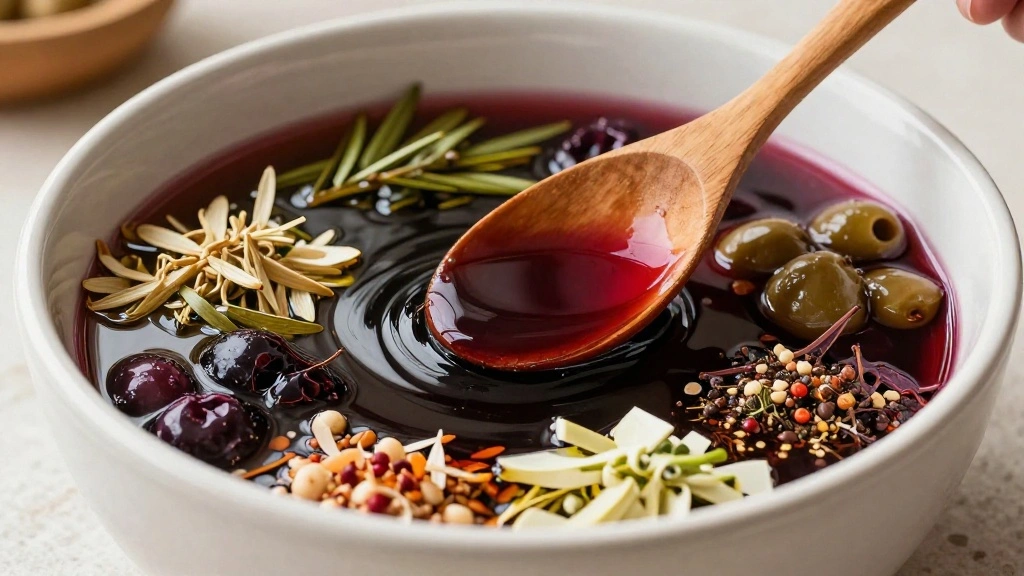
In a large bowl, combine olive oil, red wine vinegar, prunes, olives, capers, garlic, oregano, and brown sugar.
Mix until all ingredients are well incorporated.
Ensure the prunes and olives are evenly distributed.
Cover and refrigerate to allow flavors to meld together.
Step 2: Marinate the Chicken
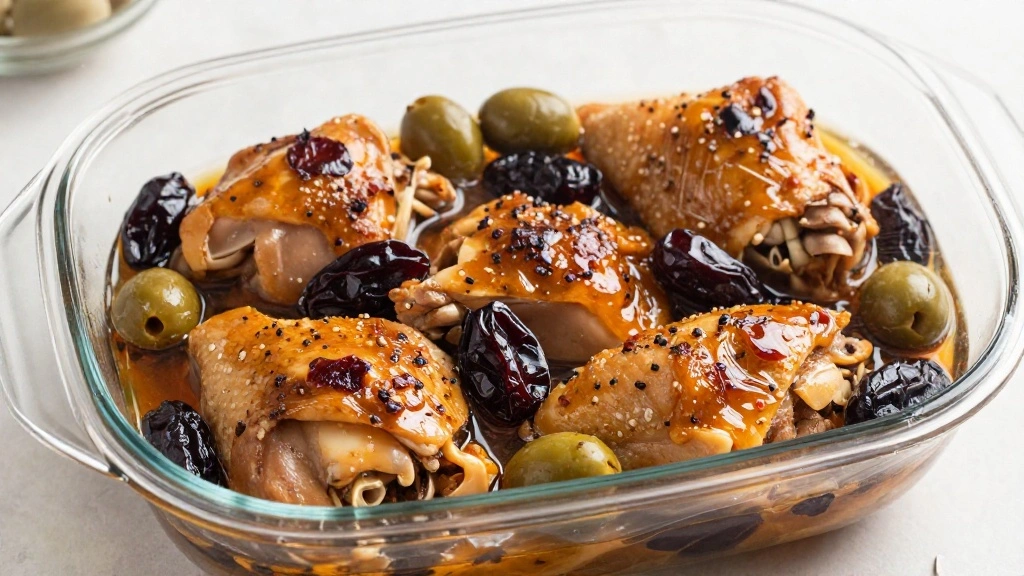
Place the chicken thighs in a large baking dish.
Pour the prepared marinade over the chicken, ensuring each piece is well coated.
Cover the dish with plastic wrap and refrigerate for at least 12 hours.
Turn the chicken occasionally to ensure even flavor absorption.
Step 3: Preheat the Oven
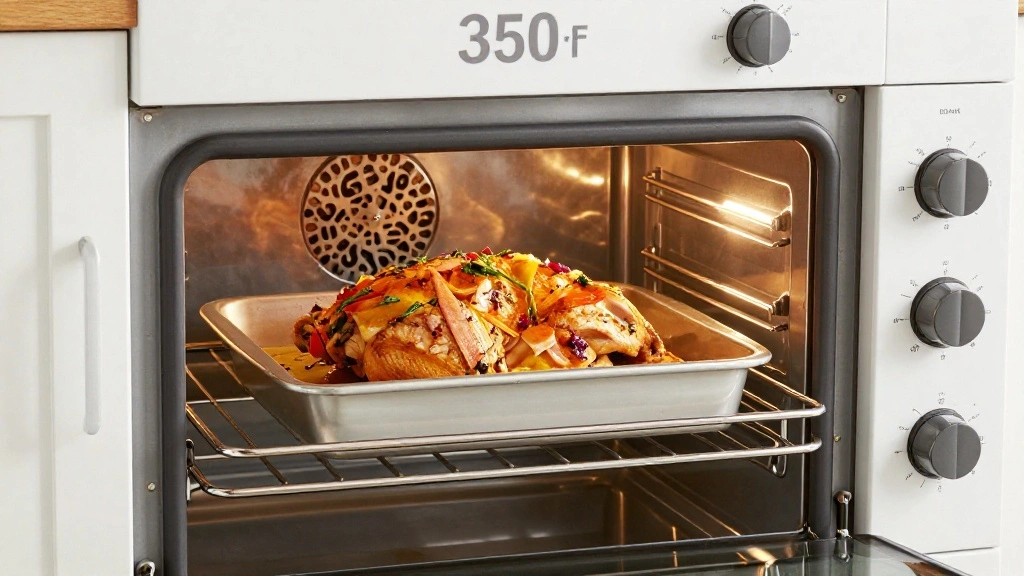
Remove the marinated chicken from the refrigerator.
Allow it to come to room temperature as you preheat the oven to 350°F (180°C).
This step ensures even cooking.
Prepare the baking dish by removing the plastic wrap.
Step 4: Brown the Chicken
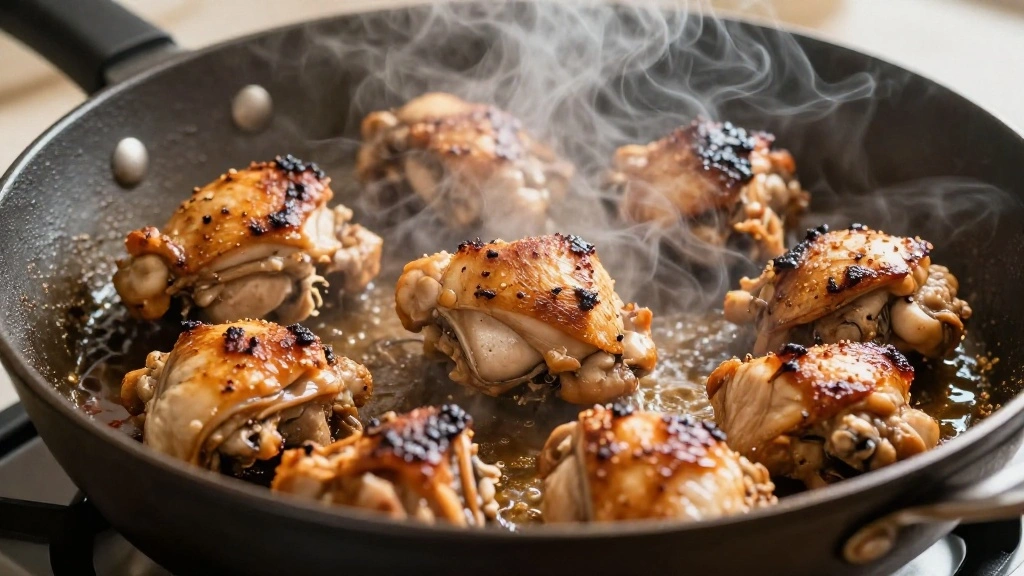
Heat a large skillet over medium-high heat.
Remove chicken pieces from the marinade, allowing excess to drip off.
Place chicken skin-side down in the skillet and cook until golden brown.
Transfer browned chicken back to the baking dish.
Step 5: Add Marinade and Bake
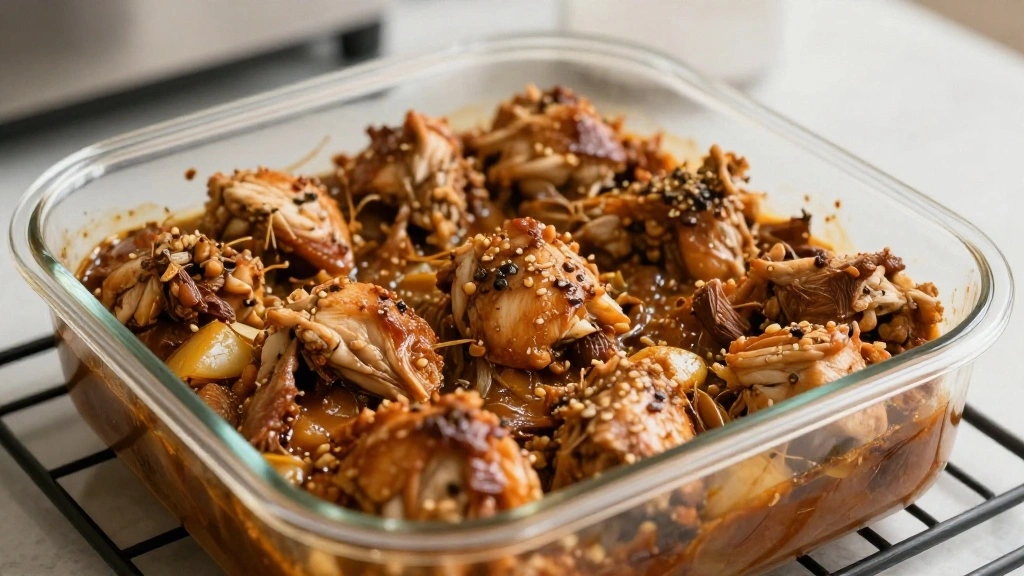
Pour the remaining marinade over the browned chicken in the baking dish.
Ensure prunes and olives are distributed around the chicken.
Place the dish in the preheated oven.
Bake for 60-70 minutes, basting occasionally.
Step 6: Check for Doneness
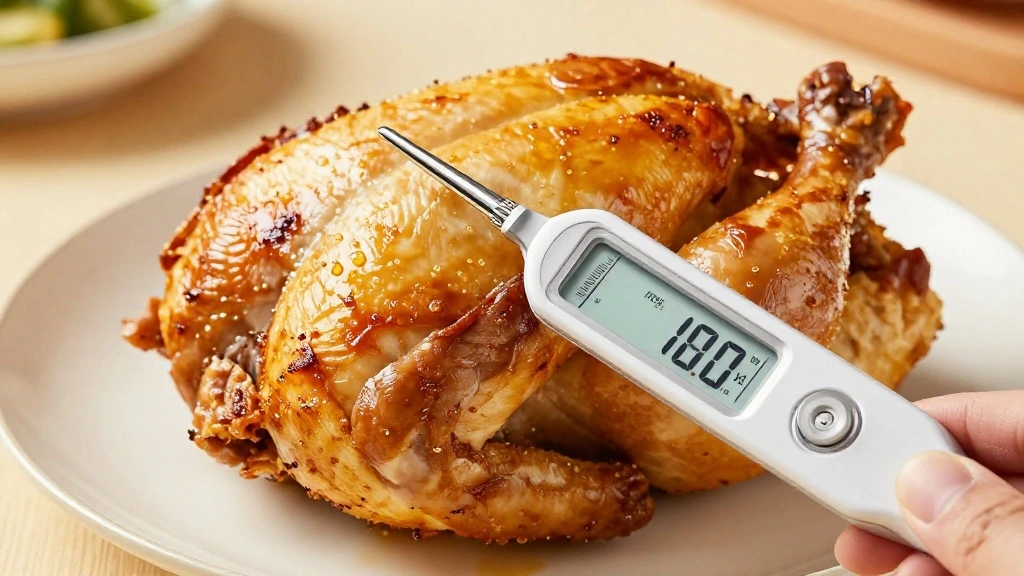
After 60 minutes, check the chicken with a meat thermometer.
It should read 165°F (75°C) in the thickest part.
Look for a golden-brown color and clear juices.
If necessary, bake for an additional 10 minutes.
Step 7: Rest the Chicken
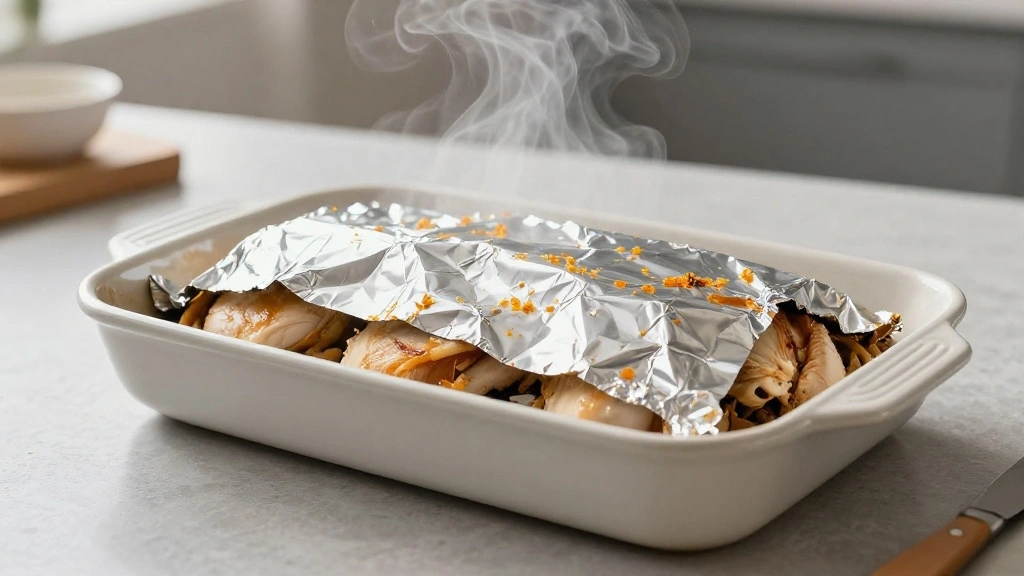
Remove the baking dish from the oven and let it rest for 10 minutes.
This allows the juices to redistribute within the chicken.
Cover the dish loosely with foil to retain warmth.
Prepare your serving platter during this time.
Step 8: Serve and Garnish
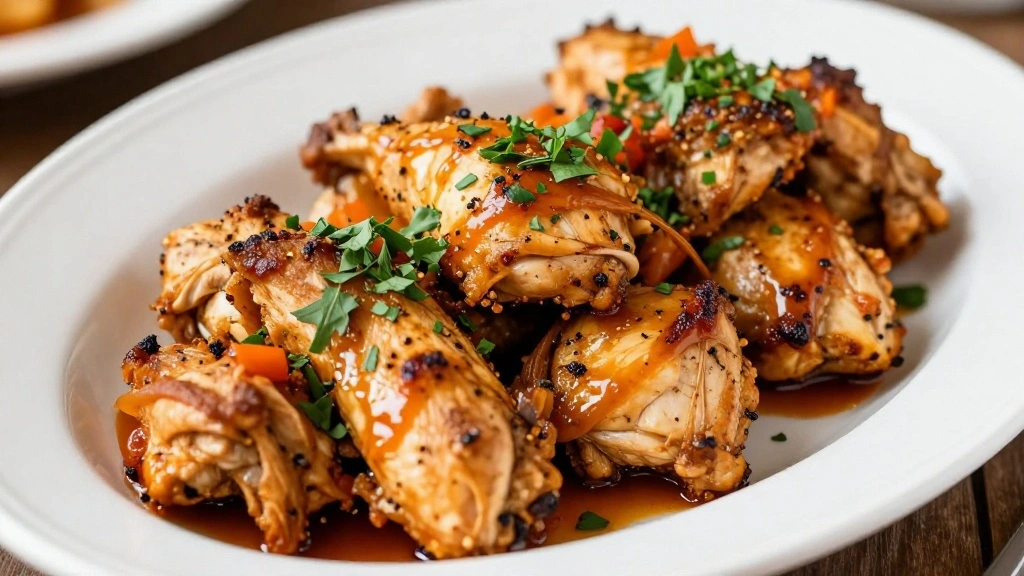
Transfer chicken to a serving platter, arranging prunes and olives around it.
Spoon some of the sauce over the chicken for added flavor.
Garnish with fresh parsley or oregano if desired.
Serve hot and enjoy the explosion of flavors.
Critical Timing and Temperature Guide
Browning the Chicken: Brown each side for 5-7 minutes at medium-high heat to achieve a golden crust. Common mistake: overcrowding the pan, which can lead to steaming rather than browning.
Baking the Chicken: Bake at 350°F (180°C) for 60-70 minutes. Visual indicator: golden-brown skin and clear juices. Avoid opening the oven frequently, which can lower the temperature.
Checking Doneness: Use a meat thermometer to ensure the internal temperature reaches 165°F (75°C). Visual indicator: clear juices. Avoid cutting into the chicken, which releases juices and dries it out.
Pro Tips for How to Create
• Ingredient Selection: Choose organic, bone-in, skin-on chicken thighs for the best flavor and juiciness.
• Preparation Secret: Marinate the chicken for at least 12 hours to allow maximum flavor absorption.
• Temperature Management: Ensure the chicken is at room temperature before browning to promote even cooking.
• Texture Enhancement: Browning the chicken adds depth and prevents the skin from becoming soggy.
• Flavor Layering: Use fresh oregano and garlic to enhance the dish's aromatic profile.
• Make-Ahead Strategies: Prepare the marinade a day in advance and store it in the refrigerator.
• Restaurant-Quality Finishing Touches: Garnish with chopped fresh herbs for a vibrant presentation.
• Equipment Optimization: Use a wide skillet for browning to avoid overcrowding and ensure even cooking.
Troubleshooting Common Issues
• Chicken Too Dry: This can occur if the chicken is overcooked. Ensure to use a meat thermometer for accuracy and let the chicken rest before serving.
• Flavors Unbalanced: If the dish is too sour, add a bit more brown sugar. If too sweet, a splash of vinegar can help balance flavors.
• Soggy Skin: Occurs if browning is skipped. Always brown the chicken before baking for the best texture.
• Marinade Not Absorbed: Ensure the chicken is evenly coated and turned during marination.
• Olives and Prunes Clumping: Stir the marinade before adding to the baking dish to distribute evenly.
Variations and Regional Differences
• Spanish Variation: Uses Spanish olives and sherry vinegar for a more authentic regional flavor.
• Greek Style: Incorporates feta cheese and lemon juice, offering a tangier profile.
• Italian Twist: Adds sun-dried tomatoes and basil for a Mediterranean flair.
• Moroccan-Inspired: Includes preserved lemons and harissa for a spicier, aromatic dish.
Food Science Behind the Recipe
• Maillard Reaction: The browning of the chicken enhances flavor through complex chemical reactions, contributing to a rich, savory taste.
• Marination Chemistry: Acid in the vinegar helps tenderize the chicken, while salt enhances moisture retention.
• Flavor Release: As the dish bakes, heat causes volatile compounds in herbs and garlic to release, intensifying the aroma and taste.
Frequently Asked Questions
What's the most common mistake people make when preparing Chicken Marbella? Overcooking the chicken, which leads to dryness. Use a meat thermometer to avoid this.
Can I use boneless chicken? Yes, but bone-in will provide more flavor and moisture.
Is there a vegetarian version? Substitute tofu or eggplant for chicken, adjusting marination time accordingly.
What can I serve this with? Rice, couscous, or crusty bread are excellent accompaniments.
Can I freeze leftovers? Yes, store in an airtight container and consume within a month.
How do I adjust for spiciness? Add red pepper flakes to the marinade for a spicier kick.
Is it necessary to use both prunes and olives? For the authentic flavor balance, both are recommended, but adjustments can be made based on preference.
Serving and Presentation Guide
• Traditional Presentation: Serve on a large platter, arranging the chicken with prunes and olives artistically.
• Family Style: Place the baking dish directly on the table for a rustic, communal experience.
• Individual Plates: Present each serving with a spoonful of sauce and a garnish of fresh herbs.
• Gourmet Touch: Drizzle balsamic reduction over the dish for an elegant finish.
Conclusion
Now that you have all the tools and insights, it's time to create your own Chicken Marbella masterpiece.
With its vibrant flavors and straightforward preparation, this dish is sure to impress your family and guests alike.
Take the plunge into this culinary adventure and enjoy the symphony of tastes Chicken Marbella offers.