Southern Peach Cobbler Recipe: Classic & Easy
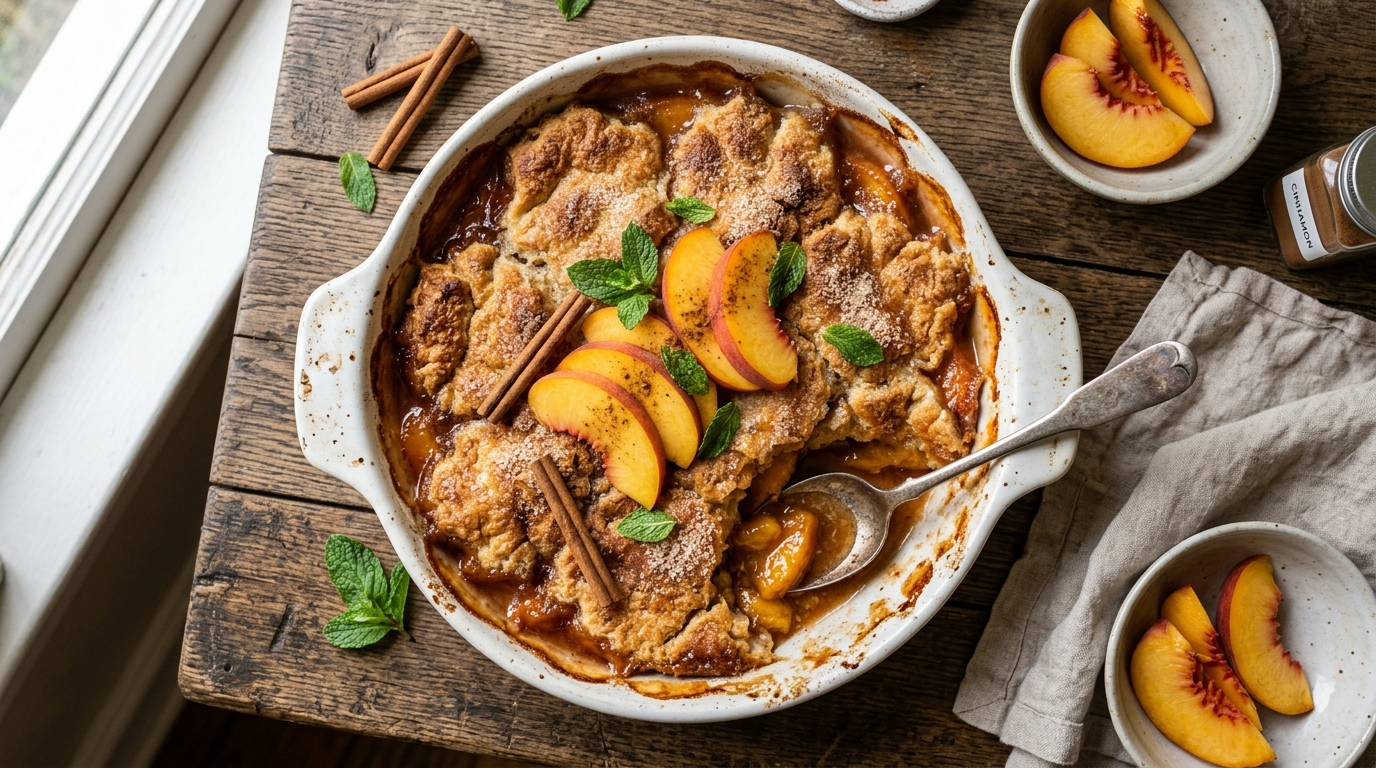
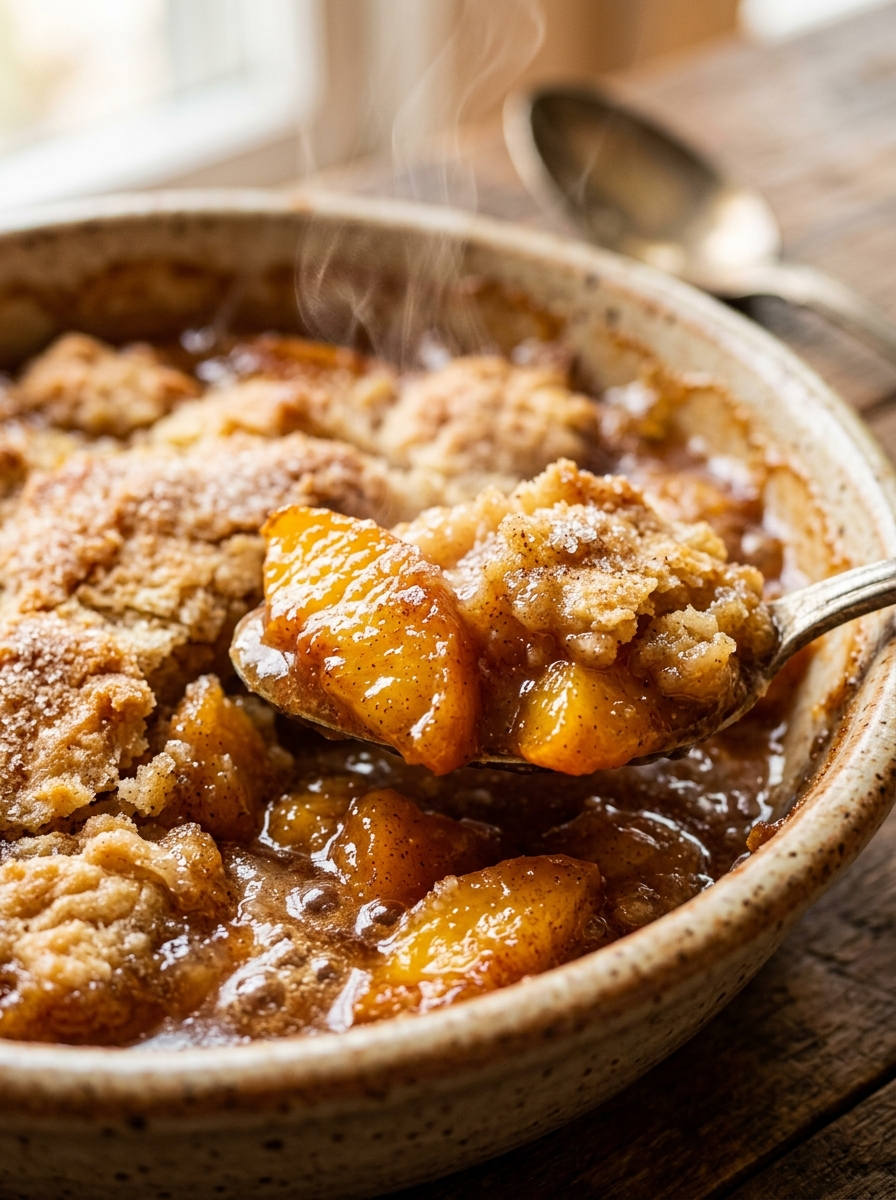
This southern peach cobbler recipe is the kind of dessert that fills your kitchen with warmth, draws everyone to the table, and disappears before it even has a chance to cool down. With layers of sweet, juicy peaches nestled under a thick, buttery batter that bakes up golden and slightly crisp on the edges, this cobbler is everything a homemade dessert should be. It is simple, soulful, and absolutely irresistible.
What makes this recipe stand out from the rest is its foolproof method. You do not need to be an experienced baker to pull off a stunning cobbler. The batter practically takes care of itself as it bakes, rising up around the peaches to create that signature rustic texture that southern cooks have perfected over generations. Whether you use fresh summer peaches at their peak ripeness or canned peaches in the off-season, the result is consistently delicious.
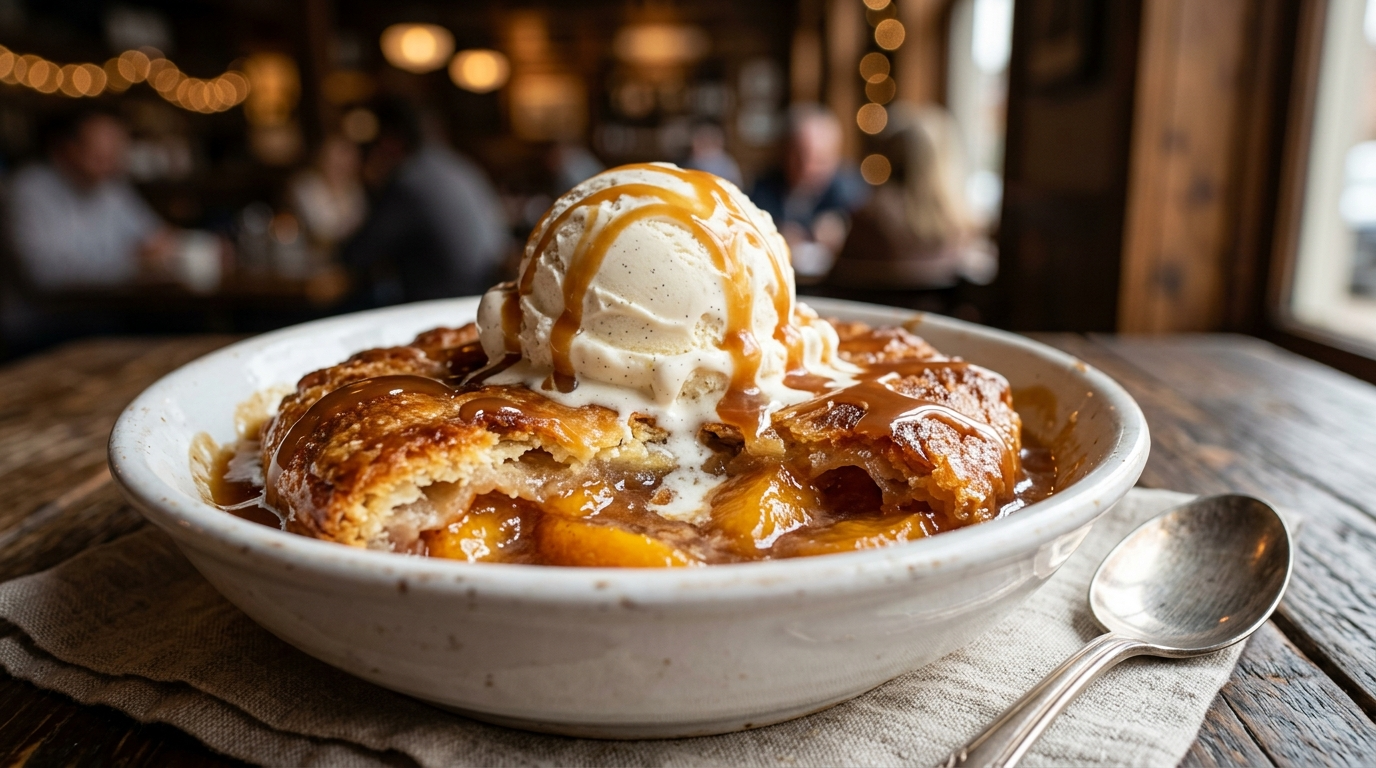
Serve this cobbler warm with a generous scoop of vanilla ice cream or a dollop of fresh whipped cream, and you have a dessert that feels like a warm hug. It is the perfect finale to a backyard barbecue, a Sunday family dinner, or honestly just a weeknight when you need something sweet and satisfying. Once you try this recipe, it will earn a permanent spot in your dessert rotation.
This southern peach cobbler recipe delivers juicy, cinnamon-kissed peaches beneath a buttery, golden crust that melts in your mouth. Made with simple pantry staples and fresh or canned peaches, it is pure comfort food at its finest. Make it today and bring a taste of the South to your table.
Ingredients
| AMOUNT | INGREDIENT | NOTES |
|---|---|---|
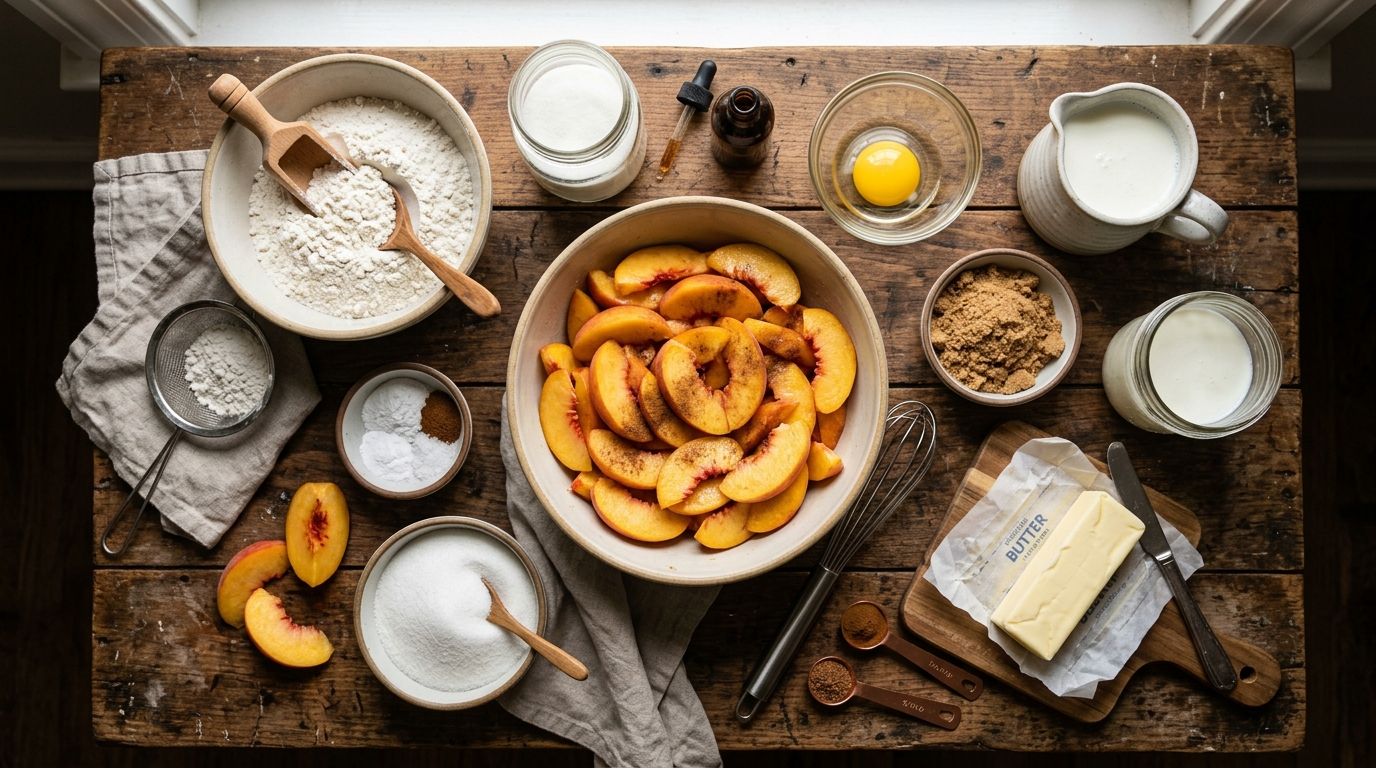
| 6 large | fresh peaches | peeled and sliced, about 6 cups, or substitute two 29-ounce cans of sliced peaches in juice, drained |
| 3/4 cup | granulated sugar | divided, adjust to taste based on peach sweetness |
| 1 teaspoon | ground cinnamon | divided |
| 1/4 teaspoon | ground nutmeg | freshly grated preferred |
| 1 teaspoon | vanilla extract | pure, not imitation |
| 1 tablespoon | fresh lemon juice | brightens the peach flavor |
| 1/2 cup | unsalted butter | one whole stick, melted |
| 1 cup | all-purpose flour | spooned and leveled for accuracy |
| 1 cup | whole milk | room temperature |
| 2 teaspoons | baking powder | fresh and active for best rise |
| 1/4 teaspoon | salt | fine sea salt or table salt |
| 1 tablespoon | light brown sugar | packed, sprinkled on top for a caramelized finish |
Instructions
Nutrition (per serving)
About This Recipe
Peach cobbler has deep roots in the American South, where it became a beloved staple long before modern ovens and refined baking techniques were widely accessible. Early settlers in the 19th century adapted traditional British pudding recipes to the ingredients available on the frontier. Without the proper tools to make a true pie crust, resourceful cooks poured a simple batter over stewed fruit in a cast iron pot and baked it over an open fire, creating the rustic, hearty dessert we know and love today. Peaches, which thrived in the warm climates of Georgia, South Carolina, and surrounding states, quickly became the fruit of choice.
Over time, the southern peach cobbler evolved into a regional icon, with every family claiming their own version as the definitive one. Some cooks swear by a biscuit-style topping, others use a poured batter that bakes up cakey and tender, and still others insist on a thin pastry layer reminiscent of a true pie. The dish became synonymous with southern hospitality, appearing at church suppers, family reunions, and holiday gatherings throughout the region. Today, peach cobbler remains one of the most celebrated desserts in American cuisine, a testament to the power of simple, honest cooking rooted in tradition and community.
Ready to Serve
A Closer Look
Pro Tips for Best Results
- Do not stir after adding the peaches over the batter. The layering technique is what creates the iconic cobbler texture where batter rises through the fruit during baking.
- Use ripe but firm peaches for the best texture. Overripe peaches can become mushy during cooking, while underripe peaches will lack sweetness and flavor.
- If using canned peaches, drain them thoroughly and reduce the added sugar by half since canned peaches are already sweetened. Taste the mixture before baking and adjust accordingly.
- For an extra layer of flavor, add a quarter teaspoon of almond extract along with the vanilla. Almond and peach are a classic flavor pairing that elevates the entire dish.
- Leftovers can be stored covered in the refrigerator for up to four days. Reheat individual portions in the microwave for 45 to 60 seconds, or warm the entire dish in a 300-degree oven for about 15 minutes to restore the crisp topping.
Essential Equipment
9-inch by 13-inch Baking Dish: Provides the ideal surface area for even baking and a perfect ratio of fruit to crust.
Medium Saucepan: Used to cook down the peaches with sugar and spices before baking.
Mixing Bowl: For combining the batter ingredients until smooth and lump-free.
Whisk: Ensures the batter is evenly mixed without overworking the gluten.
Measuring Cups and Spoons: Precision in measuring ingredients guarantees consistent results every time.
Paring Knife: For peeling and slicing fresh peaches cleanly and safely.
Oven Mitts: Essential for safely handling the hot baking dish when removing from the oven.
Variations
Brown Butter Cobbler: Instead of using plain melted butter, cook the butter in a saucepan over medium heat until it turns golden and smells nutty, then use it in place of regular melted butter for a rich, toasted depth of flavor throughout the crust.
Peach and Blueberry Cobbler: Replace one cup of sliced peaches with fresh or frozen blueberries. The berries burst during baking and create a gorgeous purple swirl through the golden filling that is as beautiful as it is delicious.
Gluten-Free Cobbler: Substitute the all-purpose flour with a one-to-one gluten-free baking flour blend. The texture will be slightly more dense but still tender and satisfying, making this dessert accessible to those with gluten sensitivities.
Spiced Ginger Cobbler: Add half a teaspoon of ground ginger and a pinch of cardamom to the peach mixture along with the cinnamon and nutmeg. The warming spices give this cobbler a slightly exotic, aromatic quality perfect for fall gatherings.
Skillet Cobbler: Make this recipe entirely in a 12-inch cast iron skillet for an extra rustic presentation. The cast iron retains heat beautifully, giving the edges and bottom of the cobbler a wonderfully crisp, caramelized crust.
Frequently Asked Questions
Can I make this cobbler ahead of time?
Yes, you can prepare the peach filling up to 24 hours in advance and store it covered in the refrigerator. When you are ready to bake, mix the batter fresh, assemble the cobbler, and bake as directed. Fully baked cobbler is best enjoyed the day it is made but remains delicious for up to four days when stored in the refrigerator.
Can I use frozen peaches instead of fresh?
Absolutely. Frozen peaches work wonderfully in this recipe and are a great option year-round. Thaw them completely and drain off the excess liquid before cooking them with the sugar and spices. You may need to cook the filling a few extra minutes to evaporate the additional moisture from frozen fruit.
Why is my cobbler batter still wet in the middle?
If the center of your cobbler appears underdone, it likely needs more time in the oven. Every oven varies slightly in temperature. Cover the dish loosely with foil to prevent further browning on top and continue baking in five-minute increments until a toothpick inserted into the batter comes out clean and the center is set.
Can I freeze peach cobbler?
Yes, you can freeze fully baked and cooled cobbler in an airtight container or wrapped tightly in plastic wrap and foil for up to three months. Thaw overnight in the refrigerator and reheat in a 350-degree oven for 20 to 25 minutes. Note that the crust topping may soften slightly after freezing.
What is the difference between a cobbler and a crisp?
A cobbler features a poured or dropped batter or biscuit topping baked over fruit, creating a soft, cakey crust. A crisp, on the other hand, has a streusel-style topping made from oats, butter, flour, and sugar that bakes up crunchy and crumbly. Both are delicious fruit desserts but offer distinctly different textures and flavors.
How do I know when peach cobbler is done?
Your cobbler is done when the top is deep golden brown, the edges are visibly bubbling with caramelized fruit syrup, and a toothpick or skewer inserted into the thickest part of the batter comes out clean with no wet batter clinging to it. The internal temperature of the batter should reach around 200 degrees Fahrenheit if you prefer to use a thermometer.