Penne alla Norma Recipe – Authentic Sicilian Classic
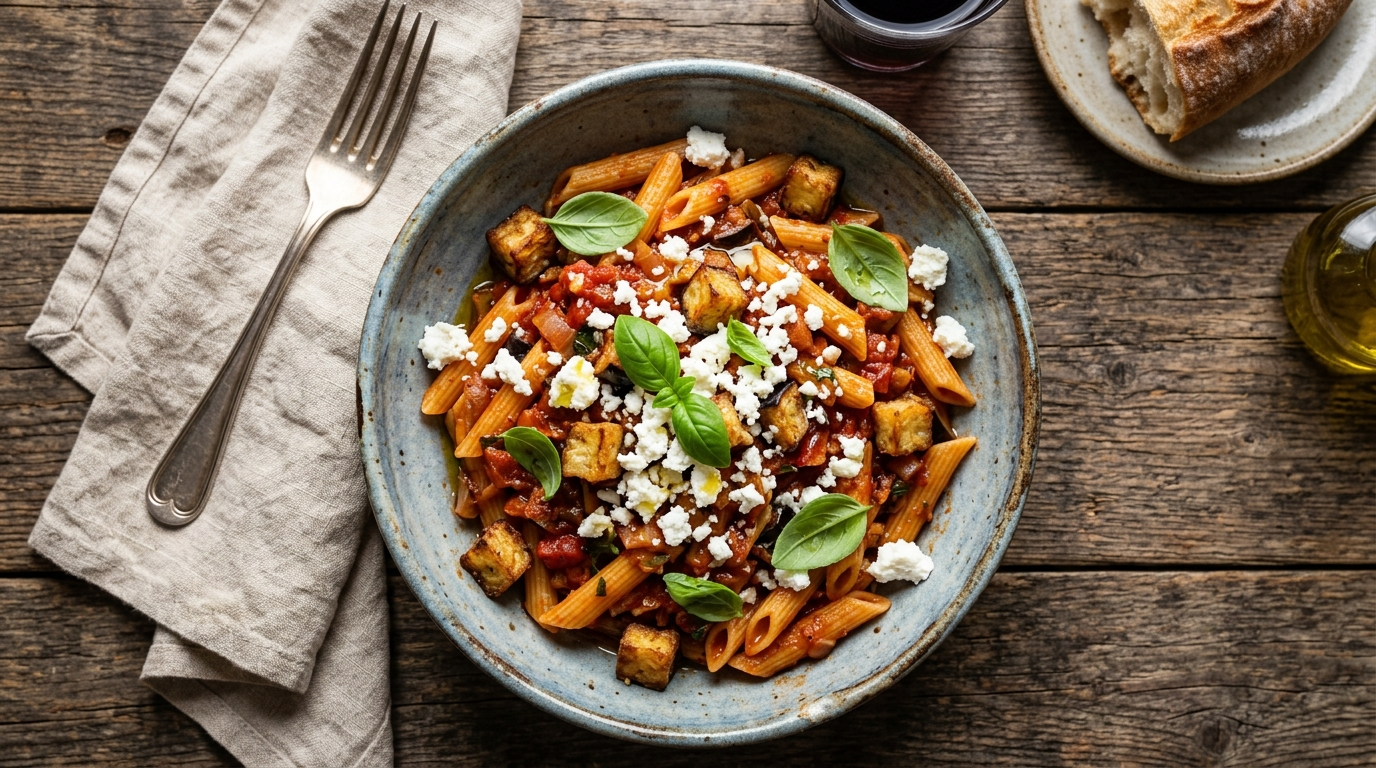
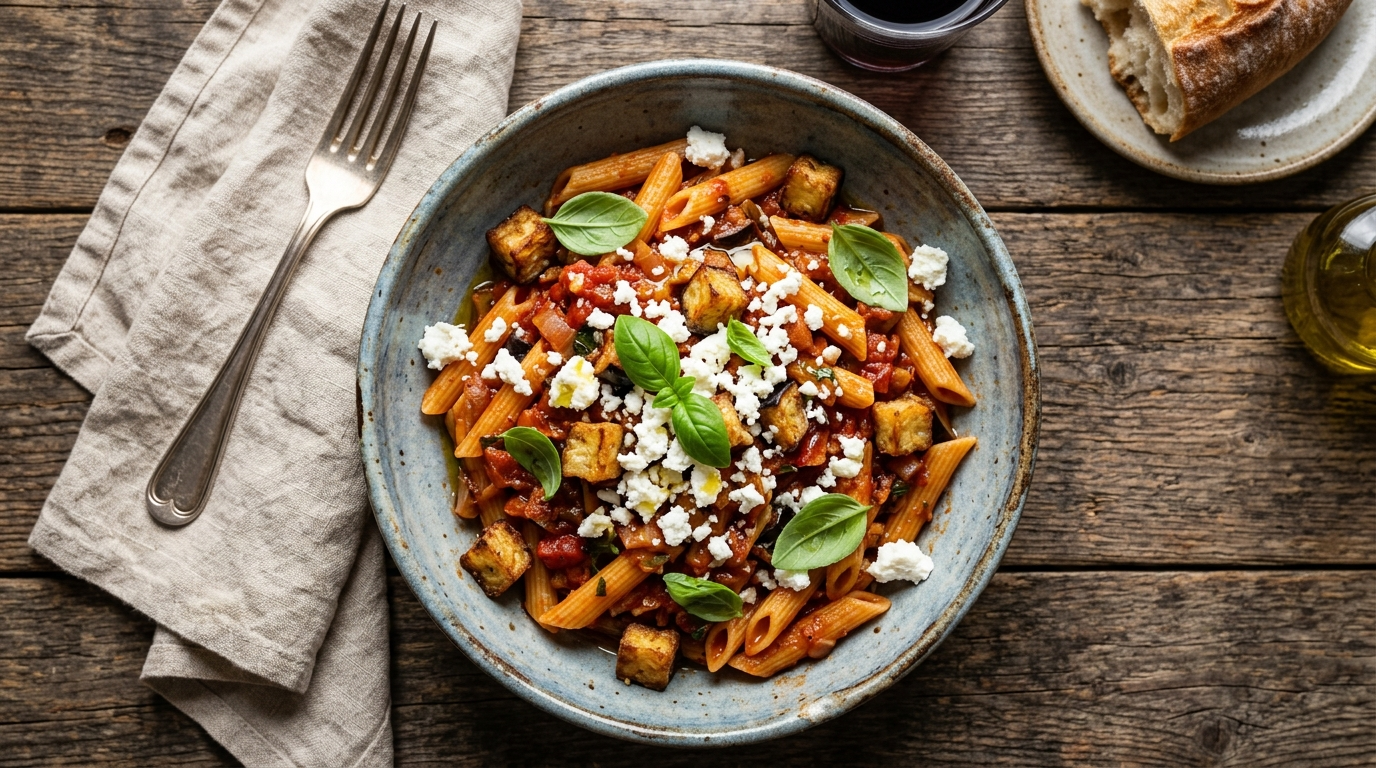
This penne alla norma recipe is the ultimate Sicilian comfort food – a deeply satisfying pasta dish that proves simple ingredients can create extraordinary flavor. Featuring golden fried eggplant, a robust San Marzano tomato sauce, fresh basil, and the unmistakable salty tang of ricotta salata, this dish is a celebration of southern Italian cooking at its finest. Whether you are new to Italian cuisine or a seasoned home cook, this recipe will become a permanent fixture in your rotation.
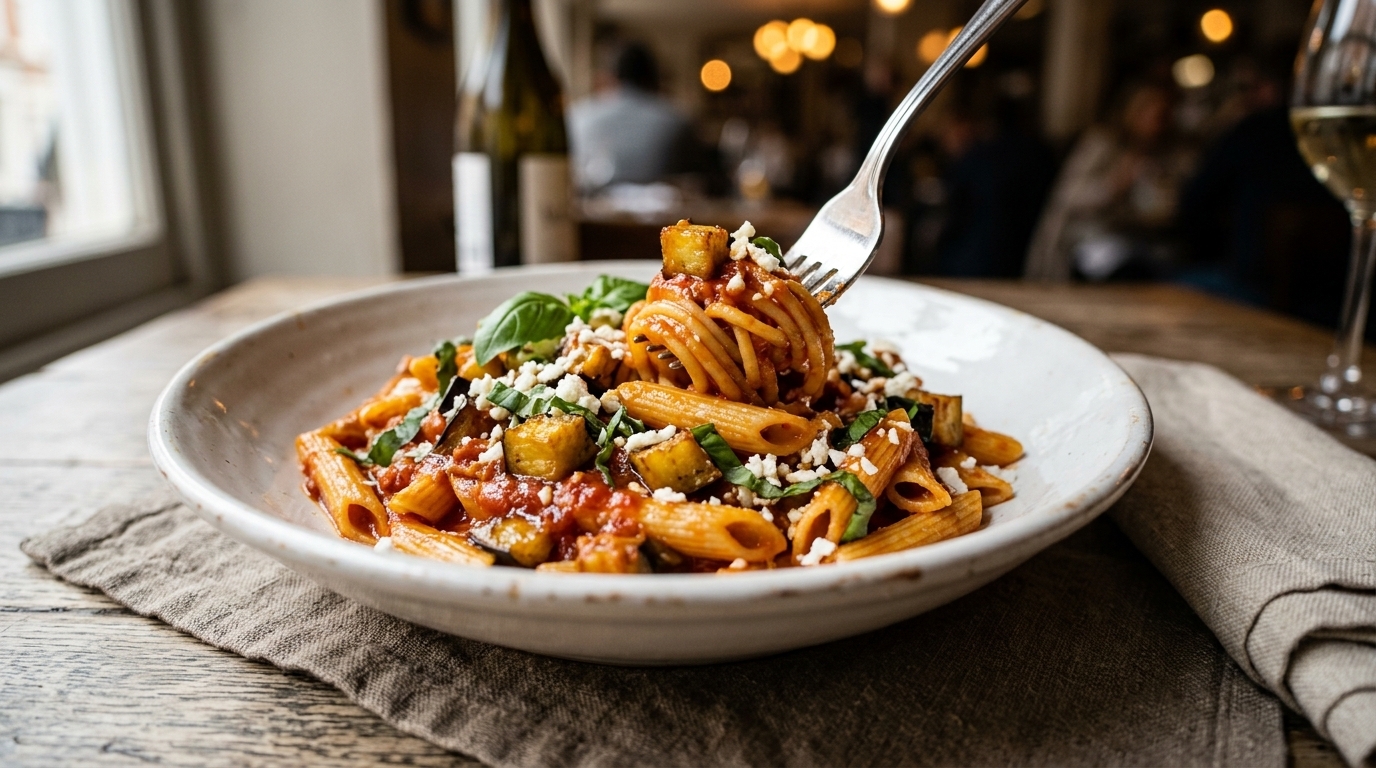
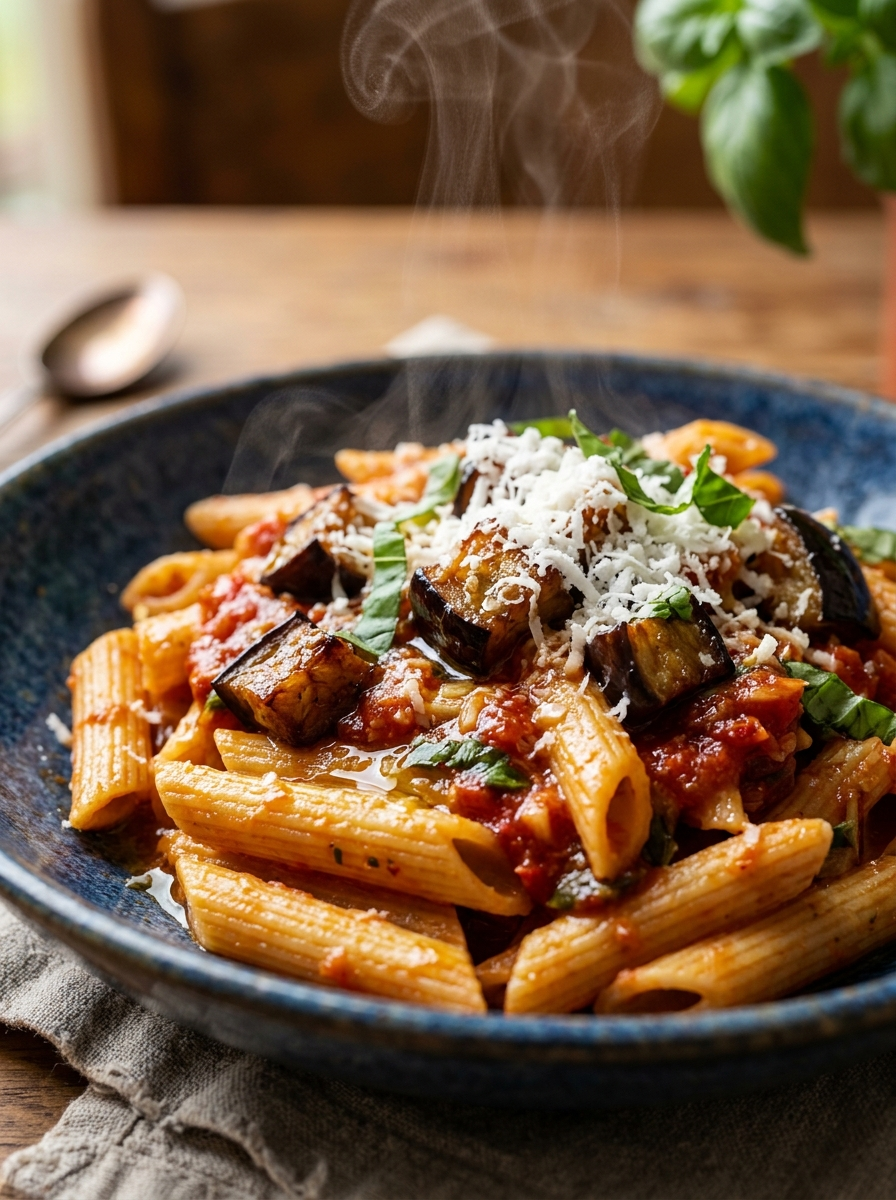
What makes penne alla norma so special is the harmony of its components. The eggplant, when cooked properly, becomes silky and almost meaty in texture, absorbing the flavors of olive oil and garlic while adding a subtle earthiness to every bite. The tomato sauce is bright, lightly sweet, and just acidic enough to balance the richness of the eggplant. Together they create a sauce that clings perfectly to ridged penne, ensuring every forkful is packed with flavor.
Beyond its incredible taste, this dish is also wonderfully practical. It comes together in about 30 minutes once your eggplant is prepared, requires no meat, and uses pantry-staple ingredients you likely already have on hand. It is the kind of recipe that feels like a weekend treat even on a Tuesday night, and it scales beautifully for entertaining a crowd.
This penne alla norma recipe delivers bold Sicilian flavors with tender roasted eggplant, rich tomato sauce, and salty ricotta salata. A vegetarian pasta dish that feels indulgent and satisfying. Simple enough for weeknights, impressive enough for guests – make it today.
Ingredients
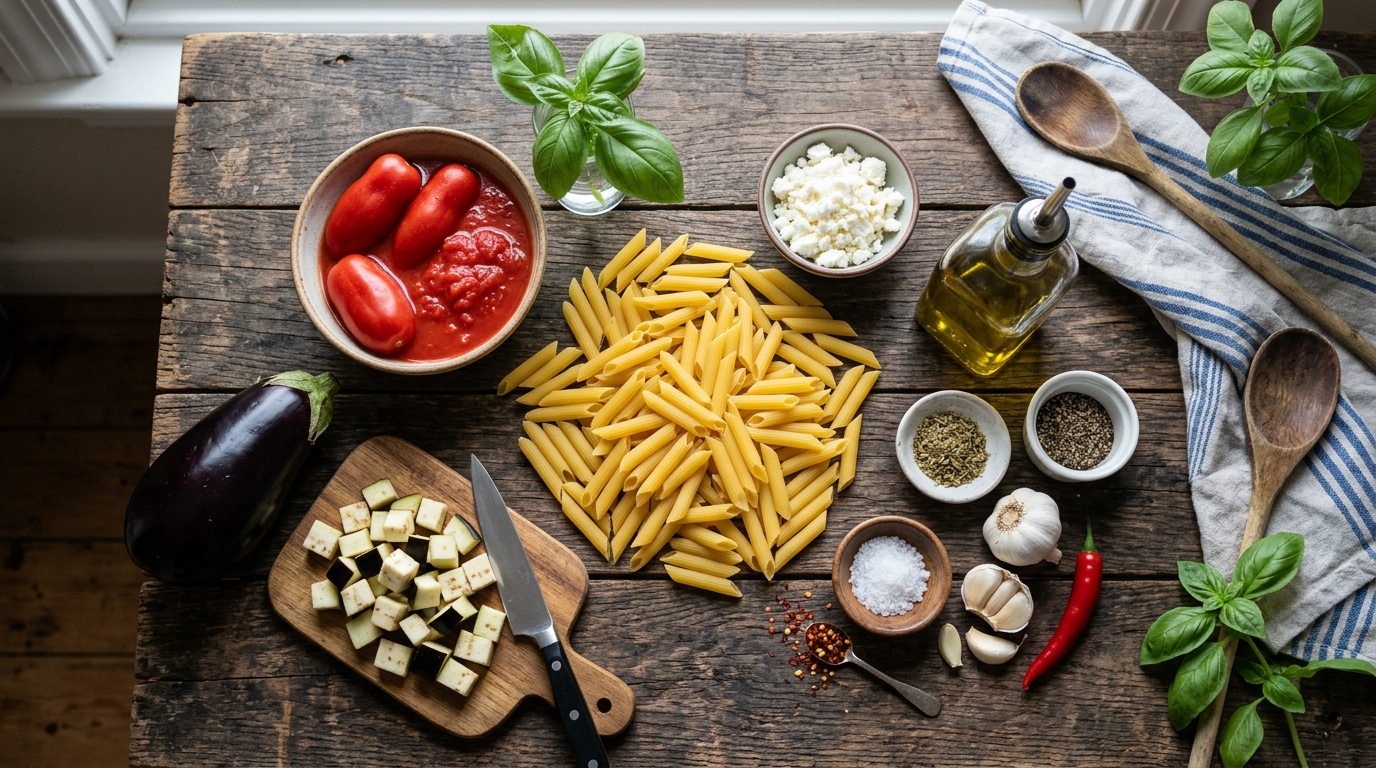
| AMOUNT | INGREDIENT | NOTES |
|---|---|---|
| 1 pound | penne rigate | ridged penne holds the sauce better than smooth |
| 2 medium | eggplant | about 1.5 pounds total, cut into 3/4-inch cubes |
| 1 teaspoon | kosher salt | for salting the eggplant, plus more for pasta water |
| 5 tablespoons | extra virgin olive oil | divided, use a good quality Sicilian or Italian variety |
| 4 cloves | garlic | thinly sliced, not minced, for a sweeter more mellow flavor |
| 1 28-ounce can | San Marzano crushed tomatoes | whole peeled then hand-crushed works beautifully too |
| 1/4 teaspoon | red pepper flakes | optional but recommended for a gentle background heat |
| 1 teaspoon | granulated sugar | optional, balances acidity of canned tomatoes |
| 1/2 cup | fresh basil leaves | torn by hand, divided between sauce and garnish |
| 4 ounces | ricotta salata | grated or crumbled; substitute aged pecorino if unavailable |
| 1/4 cup | reserved pasta cooking water | starchy water helps emulsify and loosen the sauce |
| 1 tablespoon | extra virgin olive oil | for finishing, drizzled over plated pasta |
Instructions
Nutrition (per serving)
About This Recipe
Pasta alla Norma originated in Catania, Sicily, and is named in honor of the opera Norma, composed by the celebrated Catanese composer Vincenzo Bellini in 1831. The story goes that playwright Nino Martoglio tasted the dish in the early 20th century and exclaimed that it was as magnificent as Bellini’s opera – a supreme compliment in a city that holds its native son in near-mythical regard. From that moment on, the dish carried the name Norma as a badge of cultural pride, and it became one of the most iconic exports of Sicilian cuisine to the wider world.
In Sicily, the dish is considered a cornerstone of cucina povera – the humble, resourceful cooking of working-class families who made extraordinary meals from affordable, seasonal ingredients. Eggplant has been cultivated in Sicily for centuries, introduced by Arab traders during the medieval period, and it quickly became central to the island’s culinary identity. Ricotta salata, a pressed and salted dry cheese made from sheep’s milk whey, provides the finishing touch that distinguishes an authentic alla Norma from any imitation. Today the dish is beloved throughout Italy and around the world as a testament to the power of Sicilian simplicity.
Ready to Serve
A Closer Look
Pro Tips for Best Results
- Do not skip salting and drying the eggplant. This step removes excess moisture and allows the eggplant to caramelize properly in the pan rather than turning soggy and greasy. The drier the eggplant cubes before they hit the oil, the better the texture and flavor of the final dish.
- Use San Marzano tomatoes if at all possible. These Italian plum tomatoes are lower in acidity, naturally sweeter, and have a thicker flesh than generic crushed tomatoes. They produce a sauce with a rounder, more complex flavor that is worth the slight extra cost at the grocery store.
- Ricotta salata is not the same as fresh ricotta. Ricotta salata is a pressed, salted, and aged version of the cheese with a firm, crumbly texture and a pleasantly salty, milky flavor. If you cannot find it, aged pecorino romano is the best substitute, though it is saltier so use a lighter hand.
- Fry the eggplant in batches. Crowding the pan drops the oil temperature dramatically, causing the eggplant to absorb oil and steam rather than fry. Working in two smaller batches gives each piece proper contact with the hot pan and produces a far superior golden crust.
- Always reserve pasta cooking water before draining. The starchy, salted water is liquid gold for pasta dishes – it helps emulsify the sauce, adjusts consistency without diluting flavor, and helps the sauce adhere to the pasta for a restaurant-quality result every single time.
Essential Equipment
Large Skillet or Saute Pan: A wide, deep skillet gives the eggplant enough surface area to brown evenly without steaming.
Large Pot: Essential for boiling pasta in plenty of salted water so it cooks evenly and does not stick.
Colander: For draining the pasta quickly so it does not overcook after reaching al dente.
Chef Knife: Precise dicing of eggplant and mincing of garlic ensures even cooking and consistent texture.
Cutting Board: A large, stable surface makes prep work safer and more efficient.
Wooden Spoon or Silicone Spatula: Ideal for stirring the sauce without scratching your pan coating.
Box Grater or Microplane: For finely grating or crumbling ricotta salata directly over the finished dish.
Variations
Spicy Alla Norma: Double the red pepper flakes and add a small fresh chili pepper, thinly sliced, to the garlic while building the sauce. The heat beautifully contrasts the sweet tomatoes and creamy ricotta salata, giving the dish a fiery Sicilian personality that spice lovers will adore.
Roasted Eggplant Version: Instead of pan-frying, toss the salted and dried eggplant cubes with olive oil and roast on a sheet pan at 425 degrees Fahrenheit for 20 to 25 minutes until golden and tender. This method uses less oil and is hands-off, making it great for meal prep.
Vegan Alla Norma: The dish is already egg-free. Simply omit the ricotta salata or replace it with a high-quality vegan parmesan-style cheese or nutritional yeast for a savory, cheesy finish without any animal products.
Gluten-Free Version: Swap the penne rigate for your favorite gluten-free pasta in a similar shape. Brown rice or chickpea-based penne work especially well, holding up to the hearty sauce without becoming mushy. Be sure to follow the package timing carefully as gluten-free pasta can overcook quickly.
Creamy Alla Norma: Stir 2 to 3 tablespoons of fresh ricotta into the tomato sauce just before adding the pasta for a creamier, slightly richer sauce texture. This variation bridges the gap between the classic Sicilian original and the northern Italian love of cream-based pasta sauces.
Frequently Asked Questions
What does alla Norma mean?
Alla Norma is a reference to the opera Norma by Sicilian composer Vincenzo Bellini. The dish was named in honor of the opera by a Catanese playwright who declared the pasta as magnificent as the beloved musical work. It is considered one of the great prides of Sicilian cuisine.
Can I make penne alla Norma ahead of time?
You can prepare the tomato sauce and roasted or fried eggplant up to 3 days in advance and store them separately in airtight containers in the refrigerator. When ready to serve, cook fresh pasta, reheat the sauce, and combine. Assembling ahead and reheating the full dish is possible but the pasta may absorb sauce and become soft.
Can I freeze penne alla Norma?
The tomato and eggplant sauce freezes beautifully in an airtight container for up to 3 months. Allow it to thaw overnight in the refrigerator and reheat gently on the stovetop. It is best to cook fresh pasta when serving rather than freezing the assembled dish, as pasta texture suffers significantly after freezing.
What can I substitute for ricotta salata?
The best substitute for ricotta salata is aged pecorino romano, which provides a similar salty and milky flavor, though it is more pungent and sharp. Aged feta cheese, crumbled finely, also works well and is widely available. In a pinch, a light dusting of freshly grated Parmigiano-Reggiano can stand in, though the character of the dish will be slightly different.
Why is my eggplant greasy or soggy?
Greasy or soggy eggplant is almost always caused by two things: not drying the eggplant thoroughly after salting, or crowding the pan during frying. Moisture in the pan drops the oil temperature and causes the eggplant to absorb oil like a sponge rather than frying crisply. Always pat the eggplant completely dry and fry in uncrowded batches over medium-high heat for the best results.
Is penne alla Norma vegetarian?
Yes, penne alla Norma is naturally vegetarian as it contains no meat or fish. The dish relies on eggplant as its hearty, substantial component, making it one of the most satisfying and delicious vegetarian pasta dishes in the entire Italian canon. It can also be made vegan by omitting or substituting the ricotta salata.