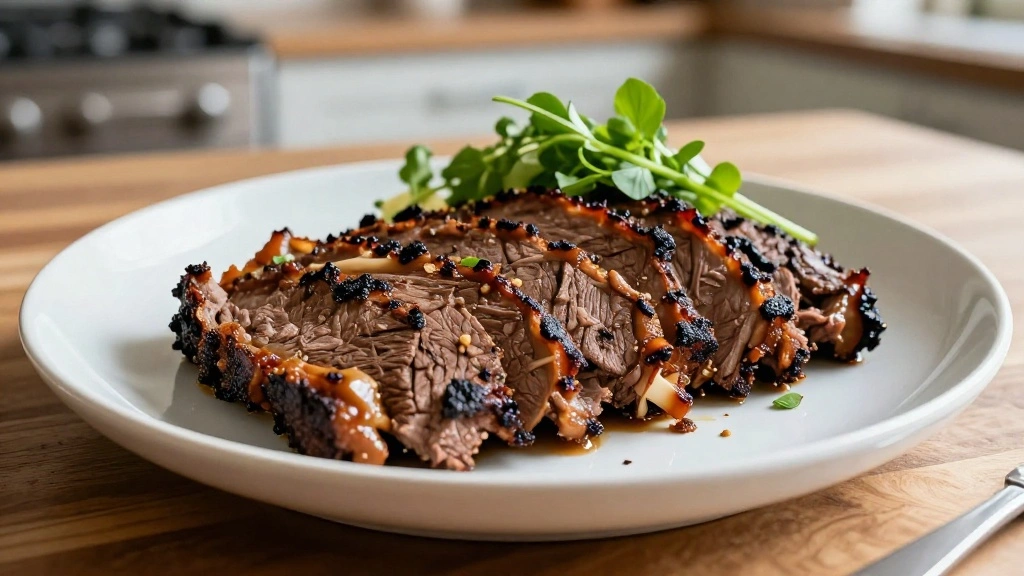
Ultimate Beef Brisket Recipe: Juicy, Flavor-Packed, and Easy
When it comes to comfort food that brings people together, few dishes can compete with the allure of a perfectly cooked beef brisket.
With its savory, smoky flavors and melt-in-your-mouth texture, brisket is a beloved staple at barbecues and family gatherings alike.
I first encountered this recipe during a brisk fall evening, where the aroma of slow-cooked beef filled the air and warmed my soul.
This Ultimate Beef Brisket Recipe is designed to deliver maximum flavor with minimal fuss, making it accessible for even the novice cook.
Whether you’re a seasoned pitmaster or a curious home chef, this recipe promises a rewarding culinary experience.
Get ready to impress your guests with a dish that’s both hearty and elegant.
The History and Cultural Significance
• Ultimate Beef Brisket traces its origins to Eastern Europe, where it was originally created by Jewish communities as a staple of traditional cuisine.
• The dish evolved over decades as slow-cooking techniques and various spices were introduced, eventually becoming the beloved version we know today.
• In Jewish culture, this dish traditionally appears at Passover and other significant celebrations, symbolizing family unity and comfort.
• While many variations exist across different regions, the authentic version maintains a rich, smoky flavor that sets it apart from imitations.
Recipe Overview
Nutritional Information (per serving)
You Might Also Like
![Master the Art of BBQ: Create Tender, Juicy, Flavor-Packed Ribs! | [Keyword: BBQ Ribs Recipe]](https://grillmasterhq.com/wp-content/uploads/2025/12/How-to-Make-the-Ultimate-BBQ-Ribs-Tender-Juicy-and-Flavor-Packed.webp)
Essential Equipment Guide
Smoker or Grill: A smoker is essential for imparting the characteristic smoky flavor in the brisket. If unavailable, a charcoal grill with wood chips can serve as an alternative. Look for features like temperature control for best results.
Meat Thermometer: This tool is crucial for ensuring the brisket reaches the perfect internal temperature. A digital thermometer with an instant-read feature offers precision and ease of use.
Heavy-Duty Aluminum Foil: Wrapping the brisket in foil helps retain moisture during cooking. Look for thick, durable foil that can withstand high temperatures without tearing.
Ingredients
For the Brisket
|
| Amount | Ingredient | Notes |
|---|---|---|
| 5 pounds | beef brisket | trimmed of excess fat |
| 2 tablespoons | olive oil | for searing |
For the Rub
| Amount | Ingredient | Notes |
|---|---|---|
| 2 tablespoons | paprika | adds depth |
| 1 tablespoon | brown sugar | for sweetness |
| 1 tablespoon | kosher salt | enhances flavor |
| 1 teaspoon | black pepper | freshly ground |
| 1 teaspoon | garlic powder | adds savory notes |
| 1 teaspoon | onion powder | adds richness |
| 1 teaspoon | cumin | for warmth |
For the Sauce
| Amount | Ingredient | Notes |
|---|---|---|
| 1 cup | beef broth | for moisture |
| 1 cup | barbecue sauce | for tanginess |
| 2 tablespoons | apple cider vinegar | for acidity |
Preparation Methods
Dry Brining: This technique involves coating the brisket with salt and allowing it to rest in the refrigerator. It enhances flavor through osmosis and helps retain moisture during cooking. To master it, let the brisket brine for at least 8 hours.
Searing: Searing the brisket on high heat before slow cooking locks in flavors and creates a caramelized crust. Use a heavy skillet and ensure the oil is hot before adding the meat.
Smoking: Smoking infuses the brisket with a rich, smoky flavor. This requires maintaining a consistent low temperature and using wood chips like hickory or oak for authentic results.
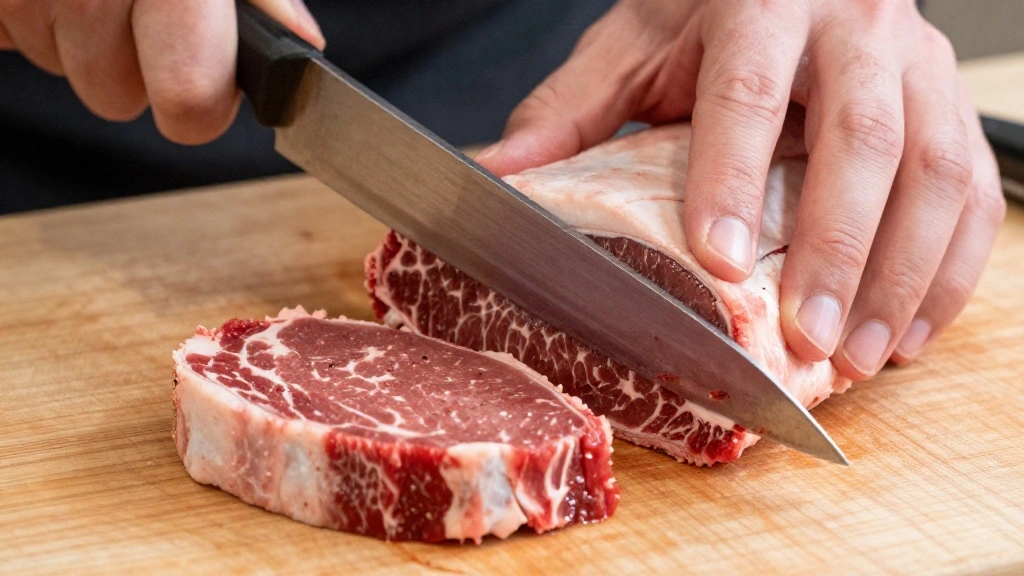
Step 1: Prepare the Brisket
Remove the brisket from the refrigerator and let it come to room temperature.
Trim any excess fat, leaving a thin layer for flavor.
Pat dry with paper towels to remove moisture.
This ensures a good sear and helps the rub adhere.
Step 2: Apply the Rub
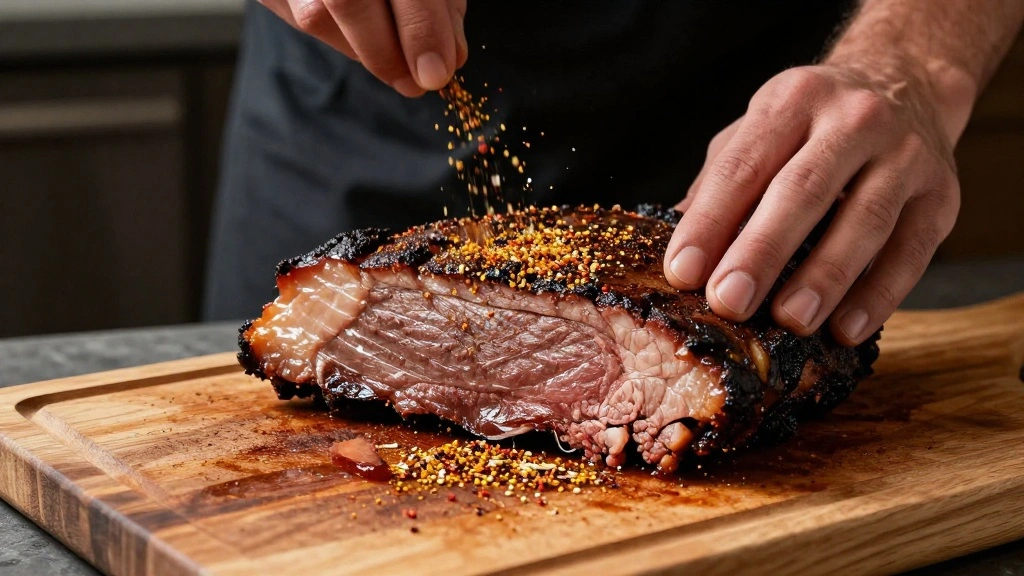
Combine all rub ingredients in a small bowl.
Generously coat the brisket with the rub, pressing it into the meat.
Ensure all sides are evenly covered.
This creates a flavorful crust during cooking.
Step 3: Preheat the Smoker
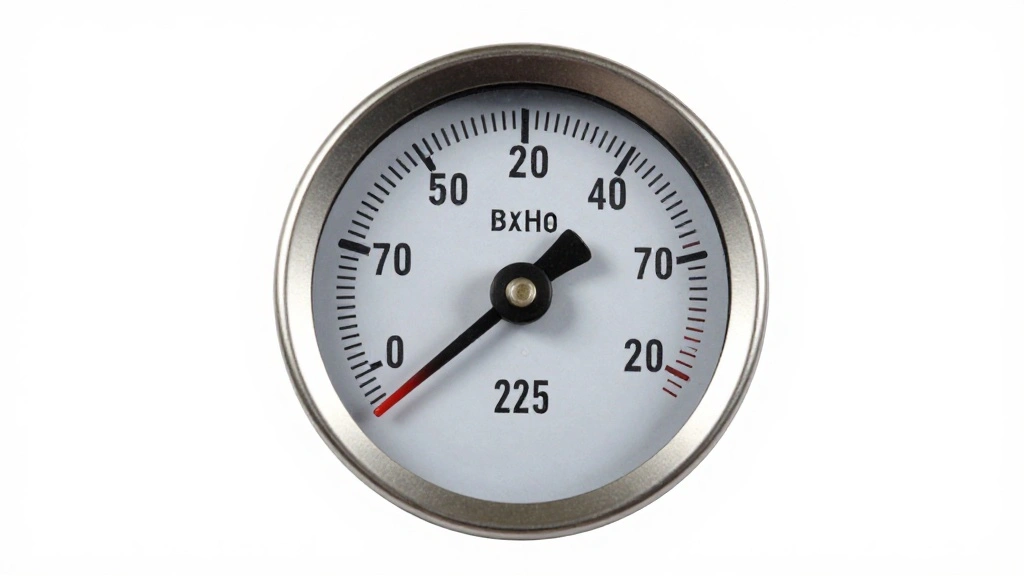
Set the smoker to 225°F (107°C).
Add wood chips to the smoker for flavor.
Allow it to preheat for about 15 minutes.
This ensures a consistent temperature for cooking.
Step 4: Sear the Brisket
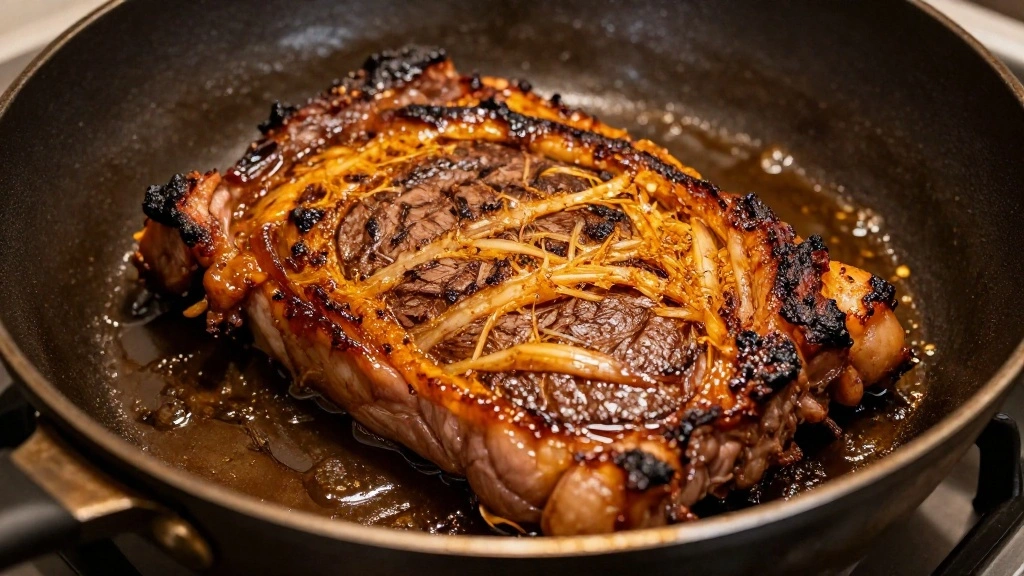
Heat olive oil in a large skillet over medium-high heat.
Sear the brisket on all sides until browned.
This should take about 2-3 minutes per side.
Searing locks in the juices and adds flavor.
Step 5: Smoke the Brisket
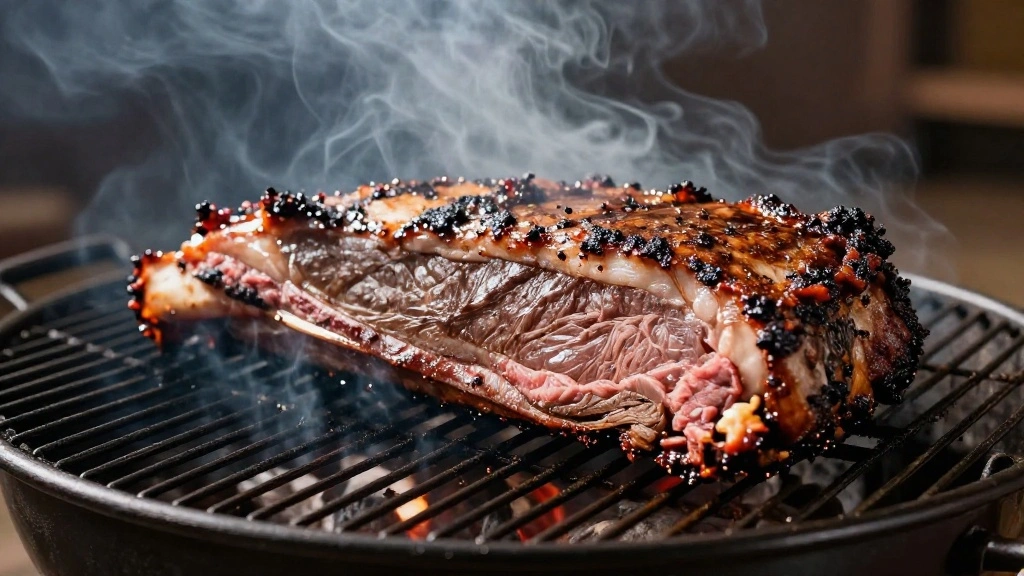
Place the seared brisket on the smoker's grill grates.
Close the lid and maintain 225°F (107°C).
Smoke for approximately 3 hours, or until the internal temperature reaches 160°F (71°C).
This slow cooking process infuses the meat with smoky flavor.
Step 6: Wrap the Brisket
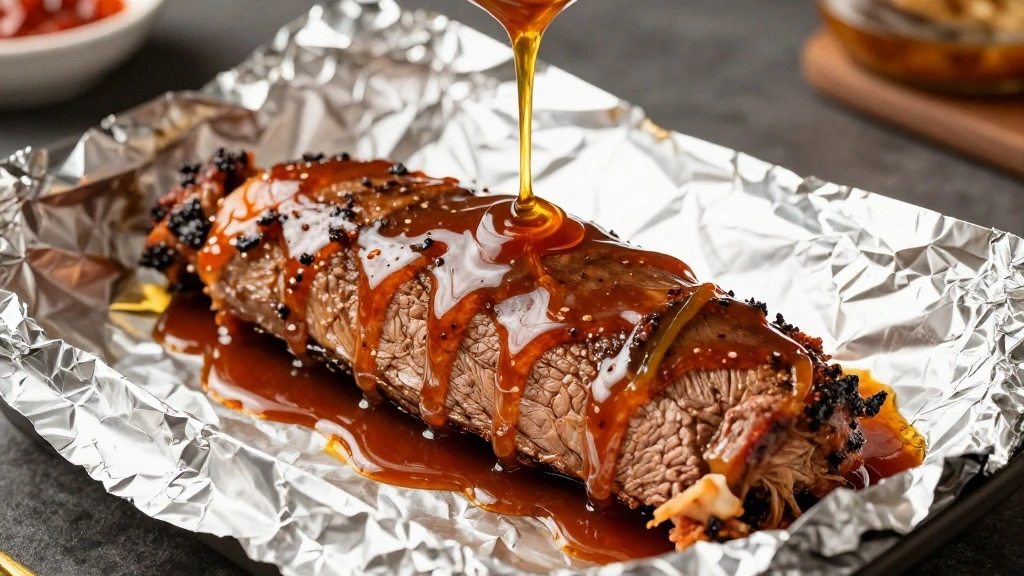
Remove the brisket from the smoker and place it on a large piece of foil.
Pour beef broth and barbecue sauce over the brisket.
Wrap tightly in foil to seal in juices.
This helps keep the brisket moist during the final cooking phase.
Step 7: Finish Cooking
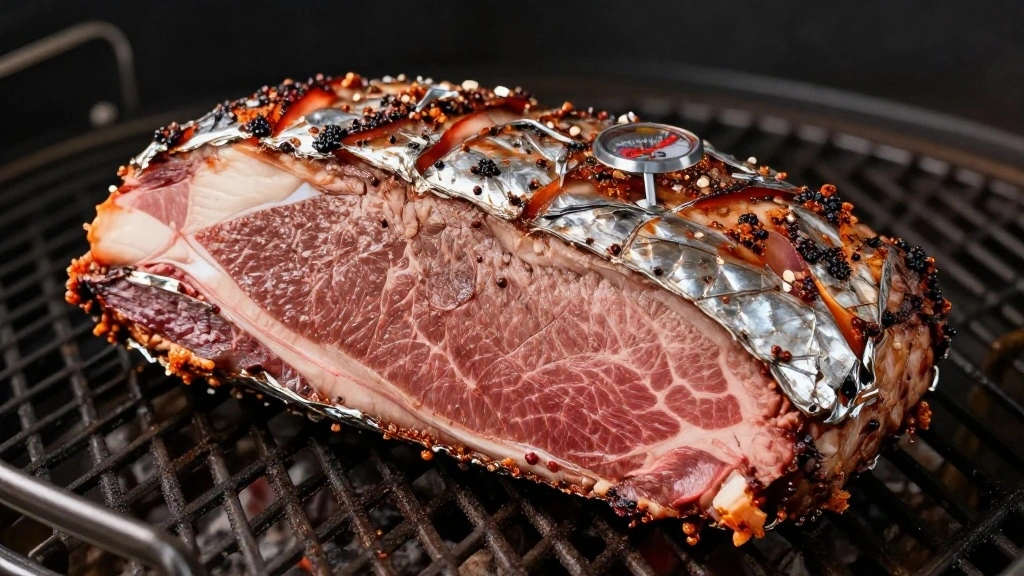
Return the wrapped brisket to the smoker.
Continue cooking at 225°F (107°C) until the internal temperature reaches 203°F (95°C).
This should take an additional 1-2 hours.
The brisket is done when it's tender and juicy.
Step 8: Rest the Brisket
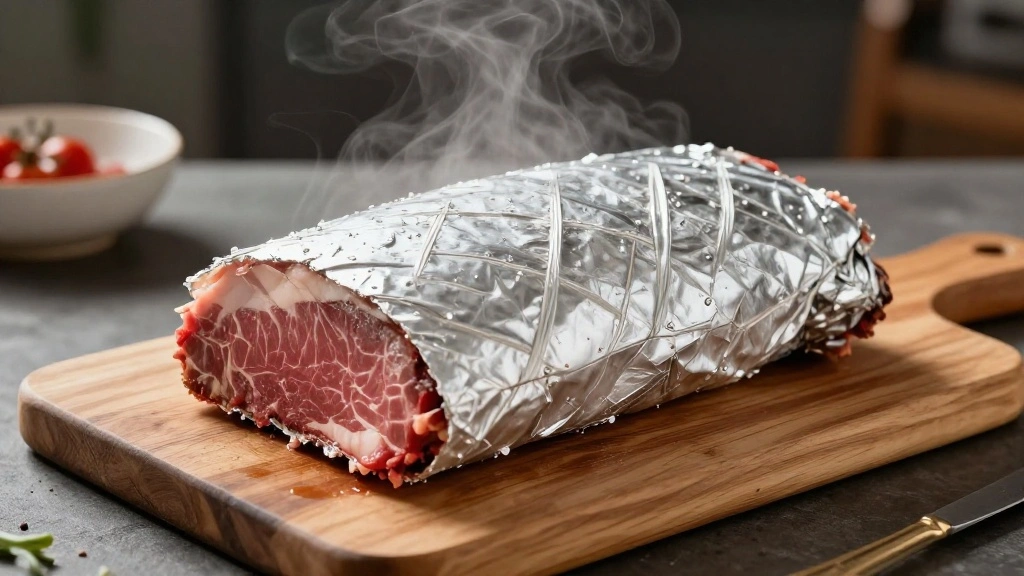
Remove the brisket from the smoker and let it rest for at least 30 minutes.
Keep it wrapped to retain heat.
Resting allows the juices to redistribute throughout the meat.
This step ensures a tender, flavorful brisket.
Step 9: Slice and Serve
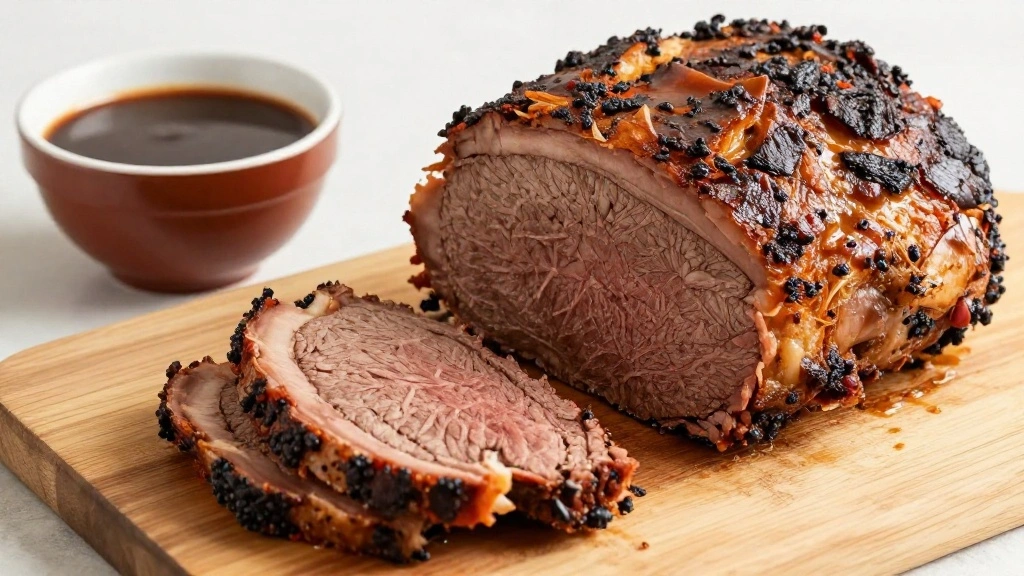
Unwrap the brisket from the foil and transfer it to a cutting board.
Slice against the grain for maximum tenderness.
Serve with remaining sauce and sides of your choice.
Enjoy the rich, smoky flavors of your homemade brisket.
Critical Timing and Temperature Guide
Searing: Sear the brisket for 2-3 minutes on each side until a crust forms. Avoid over-searing, as this can burn the spices.
Smoking: Maintain a consistent temperature of 225°F (107°C) for even cooking. Watch for smoke color; white smoke is ideal, while black indicates incomplete combustion.
Resting: Rest for at least 30 minutes after cooking. Cutting too soon will cause juices to escape, resulting in a dry brisket.
Pro Tips for Ultimate Beef Brisket
• Ingredient Selection: Choose a brisket with a good marbling of fat, as this will render during cooking and add flavor.
• Preparation Secret: Let the rub sit on the brisket overnight for deeper flavor penetration.
• Temperature Management: Use a smoker with accurate temperature controls to maintain a steady cooking environment.
• Texture Enhancement: Wrap the brisket tightly in foil to steam and tenderize the meat further.
• Flavor Layering: Use a combination of wood chips like hickory and mesquite for a balanced smoky profile.
• Make-Ahead Strategies: Prepare the rub and trim the brisket a day in advance to save time on cooking day.
• Restaurant-Quality Finishing Touches: Brush the sliced brisket with a glaze of its own juices for added shine and flavor.
• Equipment Optimization: Ensure your smoker is clean and free from residues that might affect the flavor.
Troubleshooting Common Issues
• Texture Too Tough: This is often due to undercooking. Ensure the internal temperature reaches 203°F (95°C) for optimal tenderness.
• Flavors Unbalanced: If the brisket is too salty, balance with a touch of brown sugar in the sauce.
• Brisket Too Dry: This can happen if the brisket is overcooked. Wrap it in foil earlier in the process to retain moisture.
• Smoke Flavor Too Strong: Use milder wood chips or reduce smoking time if the flavor is overpowering.
• Uneven Cooking: Ensure the brisket is placed away from direct heat and rotate it occasionally for even cooking.
• Rub Not Sticking: Pat the brisket dry thoroughly before applying the rub to ensure it adheres well.
Variations and Regional Differences
• Texas-Style: This version uses a simple salt and pepper rub with post oak wood for smoking, emphasizing the meat's natural flavors.
• Kansas City Style: Features a sweet and tangy barbecue sauce, often applied during the last stages of cooking for a sticky glaze.
• Korean-Style: Incorporates a marinade with soy sauce, garlic, and ginger, offering a unique fusion of flavors.
• Jewish Brisket: Typically braised rather than smoked, using a tomato-based sauce with carrots and onions for a hearty dish.
Food Science Behind the Recipe
• Maillard Reaction: This chemical reaction occurs during searing, creating a complex flavor profile and a beautiful brown crust.
• Collagen Breakdown: Slow cooking at low temperatures converts tough collagen in the brisket into gelatin, resulting in tenderness.
• Smoke Ring Formation: The pink smoke ring is a result of nitric oxide from the smoke reacting with the meat, indicating proper smoking technique.
Frequently Asked Questions
What's the most common mistake people make when preparing beef brisket? Many cooks either undercook or overcook the brisket. It's essential to monitor the internal temperature closely.
Can I use an oven instead of a smoker? Yes, you can use an oven by cooking at a low temperature and adding liquid smoke to mimic the smoky flavor.
How do I store leftover brisket? Wrap it tightly in foil or store it in an airtight container in the refrigerator for up to 4 days.
What's the best way to reheat brisket? Reheat in a low oven at 250°F (121°C) covered in foil to prevent drying out.
How can I tell when the brisket is done? The internal temperature should be 203°F (95°C), and it should feel tender when pierced with a fork.
Why is my brisket falling apart? It may have been overcooked slightly. Aim for a gentle tug on the meat when slicing.
What wood chips are best for smoking brisket? Hickory, oak, and mesquite are popular choices for their robust flavors.
Can I make a brisket without a dry rub? While possible, the dry rub adds a layer of flavor that's integral to the dish.
Serving and Presentation Guide
• Traditional Presentation: Slice the brisket against the grain and serve on a wooden board with sauce on the side.
• Family Style: Present the brisket on a large platter with roasted vegetables and herbs for a rustic feel.
• Plated Presentation: Serve slices of brisket atop creamy mashed potatoes with a drizzle of sauce for an elegant touch.
• Sandwich Style: Layer brisket slices on a toasted bun with coleslaw and pickles for a hearty sandwich.
Conclusion
Now that you've mastered the art of the Ultimate Beef Brisket, you're ready to delight friends and family with this timeless dish.
The rich flavors and tender texture make it a hit at any gathering, from casual barbecues to festive occasions.
Don't be surprised when your brisket becomes the star of the show, leaving guests asking for more.
Happy cooking and enjoy the delicious rewards of your culinary efforts!