Roasted Butternut Squash Soup Recipe (Rich and Creamy)
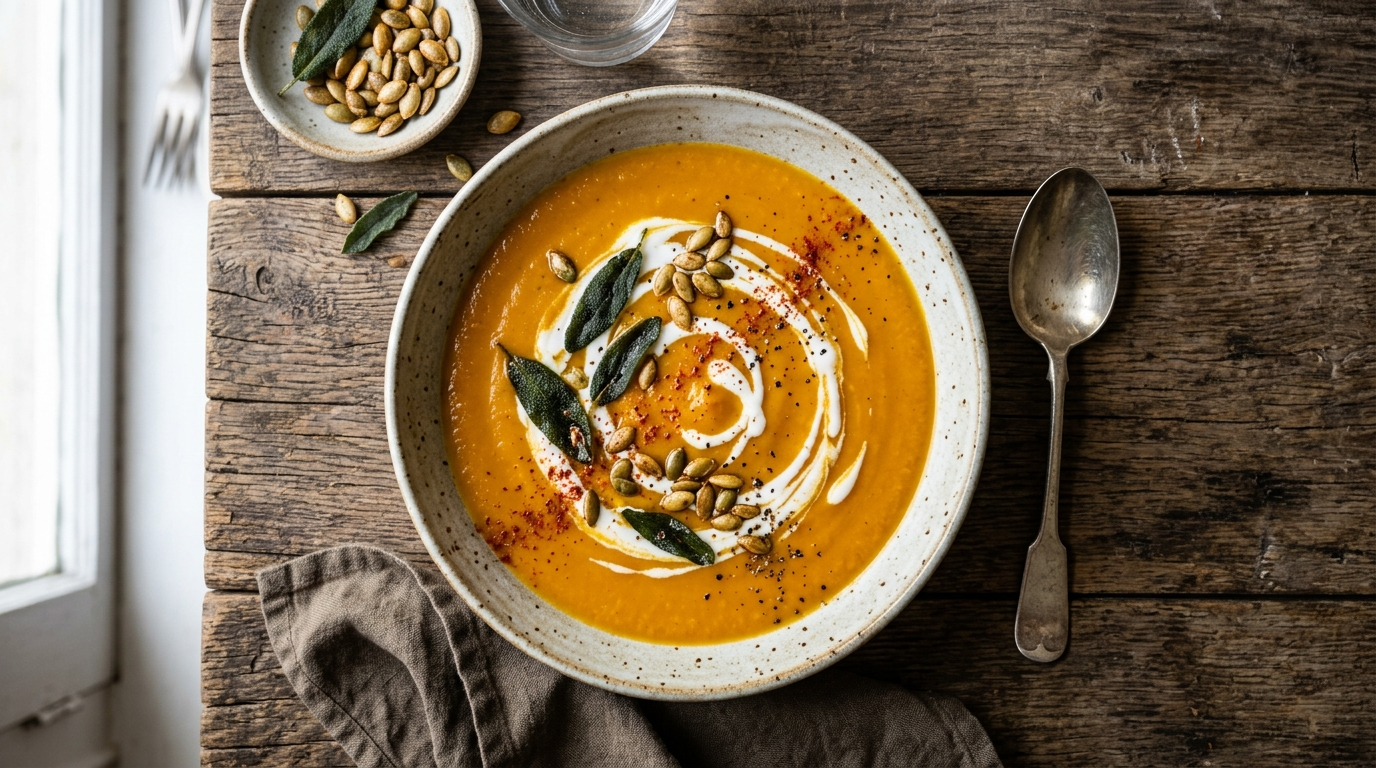
This roasted butternut squash soup is the kind of recipe that turns a simple vegetable into something truly extraordinary, drawing out deep, caramelized sweetness through the magic of high-heat roasting. Unlike stovetop-only versions, roasting the squash first adds layers of nutty, golden flavor that you simply cannot achieve any other way. From the first spoonful, you will understand why this soup has earned a permanent spot in so many home kitchens.
Fall and winter are practically made for soups like this one. The rich amber color alone is enough to brighten up a grey afternoon, and the aroma that fills your kitchen while the squash roasts is absolutely irresistible. Whether you are feeding a hungry family on a weeknight or impressing guests at a dinner party, this recipe scales beautifully and always delivers stunning results without requiring any fancy technique or professional equipment.
What makes this roasted butternut squash soup stand out from the crowd is its perfect balance of sweet, savory, and just a touch of warmth from spices like cumin and smoked paprika. A swirl of coconut cream or a dollop of creme fraiche on top adds a luxurious finishing touch, while toasted pepitas and fresh herbs bring welcome texture and color. Keep reading for every tip, trick, and variation you need to make this your most-requested soup recipe of the season.
This roasted butternut squash soup delivers deep, caramelized flavor in every spoonful, made with simple ingredients and wholesome nutrition. Silky smooth, naturally sweet, and incredibly satisfying, it is the ultimate cozy bowl you need to make this season.

Ingredients
| AMOUNT | INGREDIENT | NOTES |
|---|---|---|
| 1 large | butternut squash | about 3 pounds, peeled, seeded, and cut into 1-inch cubes |
| 1 medium | yellow onion | roughly chopped |
| 4 cloves | garlic | unpeeled for roasting |
| 3 tablespoons | olive oil | extra virgin, divided |
| 1 teaspoon | kosher salt | plus more to taste |
| 0.5 teaspoon | black pepper | freshly ground |
| 0.5 teaspoon | ground cumin | adds warm earthy depth |
| 0.5 teaspoon | smoked paprika | for subtle smoky complexity |
| 0.25 teaspoon | ground nutmeg | freshly grated preferred |
| 0.25 teaspoon | cayenne pepper | optional, for gentle heat |
| 4 cups | vegetable broth | low sodium, plus more to adjust consistency |
| 1 can | full-fat coconut milk | 13.5 ounces, shaken well; sub heavy cream if preferred |
| 1 tablespoon | pure maple syrup | optional, to enhance natural sweetness |
| 1 tablespoon | apple cider vinegar | brightens and balances the soup |
| 2 tablespoons | fresh sage leaves | for garnish, fried in butter until crispy |
| 3 tablespoons | toasted pepitas | for garnish and crunch |
| 2 tablespoons | coconut cream or creme fraiche | for swirling on top before serving |
Instructions

Nutrition (per serving)
About This Recipe
Butternut squash, known botanically as Cucurbita moschata, has deep roots in the Americas, where indigenous peoples cultivated and cooked with winter squashes for thousands of years long before European contact. Native American communities across North America incorporated squash as one of the celebrated Three Sisters crops alongside corn and beans, often roasting or steaming it over open fires and incorporating it into stews and porridges. The rich, starchy flesh made it an invaluable calorie-dense food source throughout the cold months, a tradition of warming squash-based soups that lives on in kitchens around the world today.
The modern pureed butternut squash soup as we know it gained widespread popularity in the United States and United Kingdom during the late twentieth century, rising alongside the growing farm-to-table movement and increased consumer interest in seasonal, plant-forward eating. Butternut squash itself was only developed in the 1940s by Charles Leggett in Stow, Massachusetts, quickly becoming a supermarket staple due to its easy-to-peel skin and exceptionally long shelf life. Food magazines and cooking shows throughout the 1990s and 2000s helped cement pureed butternut squash soup as an autumn classic, and the roasting technique became the gold standard method for home cooks seeking maximum depth of flavor.
Ready to Serve

A Closer Look

Pro Tips for Best Results
- Do not crowd the squash on the baking sheet. If the cubes are packed too tightly, they will steam instead of roast and you will miss out on all of that gorgeous caramelization that gives this soup its signature deep flavor.
- Roasting the garlic unpeeled directly on the pan is a game changer. The skin acts as a protective shell, allowing the garlic to become mellow, sweet, and almost jammy rather than sharp and pungent.
- For an even richer, more indulgent soup, swap the vegetable broth for homemade chicken stock. The added gelatin from the bones gives the soup incredible body and a restaurant-quality mouthfeel.
- Always let your hot soup cool for at least 5 minutes before blending, and never fill the blender more than halfway. Hot liquids expand rapidly when blended, and overfilling can cause the lid to blow off and cause serious burns.
- This soup tastes even better the next day as the spices have more time to bloom and meld together. Make a big batch on Sunday and enjoy it throughout the week for an easy, nourishing lunch or dinner.
Essential Equipment
Large Rimmed Baking Sheet: Provides ample surface area for roasting the squash in a single layer, ensuring even caramelization and browning rather than steaming.
High-Powered Blender or Immersion Blender: Blends the roasted squash into an ultra-silky, velvety texture. A high-powered countertop blender gives the smoothest results.
Large Dutch Oven or Heavy-Bottomed Pot: Ideal for gently simmering the soup after blending, distributing heat evenly and preventing scorching on the bottom.
Chef Knife: A sharp, sturdy chef knife is essential for safely halving and cubing the dense butternut squash before roasting.
Cutting Board: A large, stable cutting board gives you the space and safety you need when breaking down a whole butternut squash.
Ladle: Makes transferring hot soup from the pot to your blender or serving bowls clean, easy, and safe.
Variations
Spicy Thai-Inspired Version: Stir in 2 tablespoons of red curry paste along with the coconut milk and finish with a squeeze of fresh lime juice and a handful of fresh cilantro for a vibrant Southeast Asian twist that pairs beautifully with the natural sweetness of the squash.
Apple and Ginger Version: Add one peeled, cored, and roughly chopped Granny Smith apple to the baking sheet before roasting and stir in 1 tablespoon of freshly grated ginger when simmering the soup. The apple adds subtle tartness and the ginger provides a zingy, warming kick.
Smoky Bacon-Topped Version: Render 4 strips of thick-cut bacon until crispy, crumble them over the finished soup, and drizzle a little of the reserved bacon fat into each bowl alongside a swirl of sour cream for a deeply savory, crowd-pleasing presentation.
Vegan and Oil-Free Version: Replace the olive oil with an equal amount of vegetable broth for roasting, use certified vegan vegetable broth, and skip the butter when frying the sage. Top with a cashew cream drizzle made by blending half a cup of soaked raw cashews with water until smooth.
Curried Butternut Squash Soup Version: Add 2 teaspoons of yellow curry powder, half a teaspoon of turmeric, and half a teaspoon of ground coriander to the roasting tray along with the squash. The warm, golden spice blend transforms this into an incredibly aromatic and complex soup with gorgeous color.
Frequently Asked Questions
Can I make roasted butternut squash soup ahead of time?
Absolutely. This soup is an excellent make-ahead dish. You can prepare it up to 4 days in advance and store it in an airtight container in the refrigerator. The flavor actually deepens and improves overnight as the spices continue to meld together. Reheat gently on the stovetop over medium-low heat, adding a splash of broth if needed to loosen the consistency.
Can I freeze roasted butternut squash soup?
Yes, this soup freezes exceptionally well. Allow it to cool completely to room temperature before transferring to freezer-safe airtight containers or heavy-duty zip-top bags. Leave about an inch of headspace to allow for expansion. It will keep in the freezer for up to 3 months. Thaw overnight in the refrigerator and reheat on the stovetop, whisking well to re-emulsify if it has separated slightly.
Do I have to peel the butternut squash before roasting?
For cubed squash you will want to peel it first, as the skin can be quite tough and fibrous. However, if you prefer, you can halve the squash lengthwise, roast it cut-side down on the baking sheet until tender, and then simply scoop the soft flesh away from the skin with a spoon before blending. This method works beautifully and is actually easier for some people.
My soup is too thick. How do I fix it?
Simply add warm vegetable broth or water a quarter cup at a time, stirring well after each addition, until you reach your preferred consistency. This is best done after blending while the soup is back on the stovetop over low heat. Remember that the soup will thicken slightly as it cools, so it is fine for it to be a little thinner than you want while it is still hot.
Can I use pre-cut butternut squash from the grocery store?
Yes, using pre-cut butternut squash is a great time-saving shortcut and works perfectly in this recipe. Just make sure to pat the cubes dry with a paper towel before tossing them in oil and roasting to remove any excess moisture that might cause them to steam rather than caramelize properly on the baking sheet.
Is roasted butternut squash soup healthy?
Yes, butternut squash is an incredibly nutritious vegetable that is rich in vitamin A, vitamin C, potassium, magnesium, and dietary fiber. It is naturally low in calories and fat while providing a satisfying creamy texture. When made with coconut milk and olive oil as in this recipe, it provides a good source of healthy fats as well. It is also naturally gluten-free, dairy-free, and vegan as written.